Xingning: Unveiling a Hakka Gem in Guangdong – A Journey Through History, Culture, and Serene Landscapes
The name Xingning might not immediately ring a bell for many international travelers, yet for those seeking an authentic glimpse into China's rich cultural tapestry and the enduring legacy of the Hakka people, it stands as an undiscovered treasure. Nestled in the eastern part of Guangdong Province, Xingning is a city steeped in history, renowned for its distinctive Hakka culture, traditional architecture, and serene natural beauty. It offers a refreshing alternative to China's bustling megacities, promising a journey of deep cultural immersion and tranquil exploration.
This comprehensive guide will lead you through the captivating charm of Xingning – from its ancient roots and unique Hakka traditions to its picturesque landscapes and delectable cuisine. We will also illustrate how Golden Trail Travel can unlock an unforgettable and seamlessly organized adventure, ensuring you experience the true essence of this enchanting Hakka heartland. Prepare to be charmed by its heritage, soothed by its scenery, and welcomed by its warm hospitality.
Xingning: A Historical Stronghold and Hakka Homeland – History, Geography, and Enduring Legacy
To truly appreciate Xingning, it's essential to understand its strategic location and the profound historical narrative that has shaped its unique identity, particularly its strong connection to the Hakka people.
Location in Eastern Guangdong:
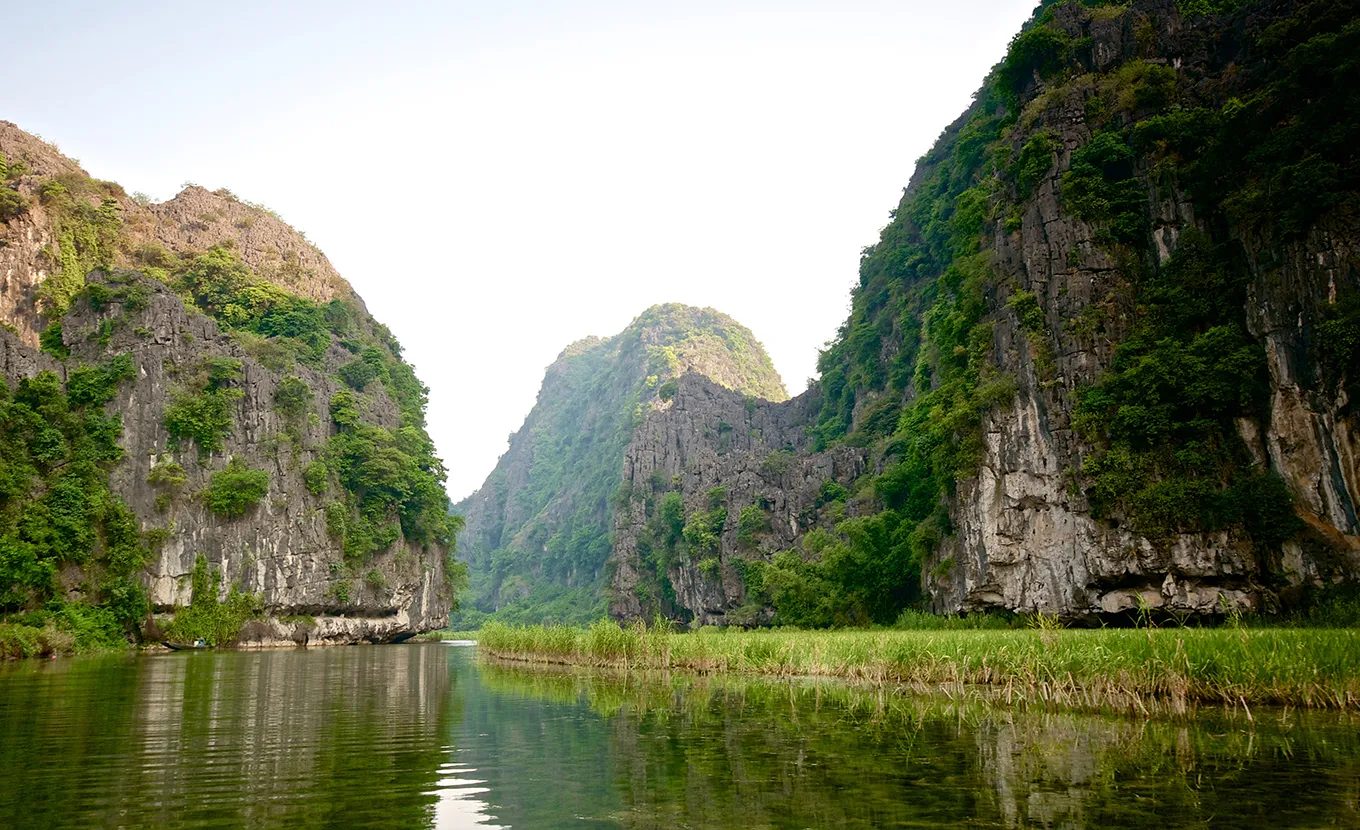
Xingning is situated in the northeastern part of Guangdong Province, bordering Fujian and Jiangxi provinces. It lies in a mountainous region, characterized by rolling hills, fertile valleys, and a network of rivers. This geographical setting, historically somewhat isolated, played a crucial role in its development as a Hakka stronghold.
A Millennia of History and Administration:
Xingning boasts a long and storied history, dating back over 1,700 years.
-
Ancient Origins: The area has been inhabited since prehistoric times, with organized administration tracing back to the Eastern Jin Dynasty (317-420 AD) when the county of Xingning was first established. Its strategic location meant it frequently served as a crucial administrative and military hub in the region.
-
A "Peaceful" Past: The name "Xingning" (兴宁) itself translates to "Prosperous and Peaceful" or "Thriving Peace," reflecting an aspiration for stability in a region that, like many borderlands, saw periods of migration and sometimes conflict.
-
Educational Prowess: Throughout its history, Xingning developed a reputation as a center for education and scholarship, producing many distinguished scholars, officials, and intellectuals, particularly during the Ming and Qing Dynasties.
The Heart of Hakka Culture:
Perhaps Xingning's most defining characteristic is its identity as a prominent Hakka (客家) homeland. The Hakka, whose name literally means "guest families," are a unique Han Chinese subgroup who migrated from northern China to the southern provinces (Guangdong, Fujian, Jiangxi) over centuries, often seeking refuge from conflict or famine.
-
Resilience and Preservation: Due to their migratory history and often settling in less fertile, mountainous areas, the Hakka developed a strong sense of community, self-reliance, and a fierce determination to preserve their distinct culture, language (Hakka dialect), and traditions.
-
Architectural Legacy: This is most vividly expressed in their unique architectural style, particularly the circular (Tulou) or rectangular (Weilongwu) fortified earth buildings designed for communal living and defense. While Fujian is famous for its large Tulou, Guangdong has its own distinct Hakka architectural forms, which Xingning exemplifies.
-
Cultural Roots: Xingning is considered one of the birthplaces and most significant concentrations of Hakka culture in Guangdong, making it an invaluable destination for those interested in this fascinating sub-ethnic group.
The Allure of Xingning: Unforgettable Attractions and Authentic Experiences
Xingning offers a rich blend of cultural immersion, historical exploration, and tranquil natural beauty.
Hakka Architectural Marvels: The Weilongwu and Wufenglou:
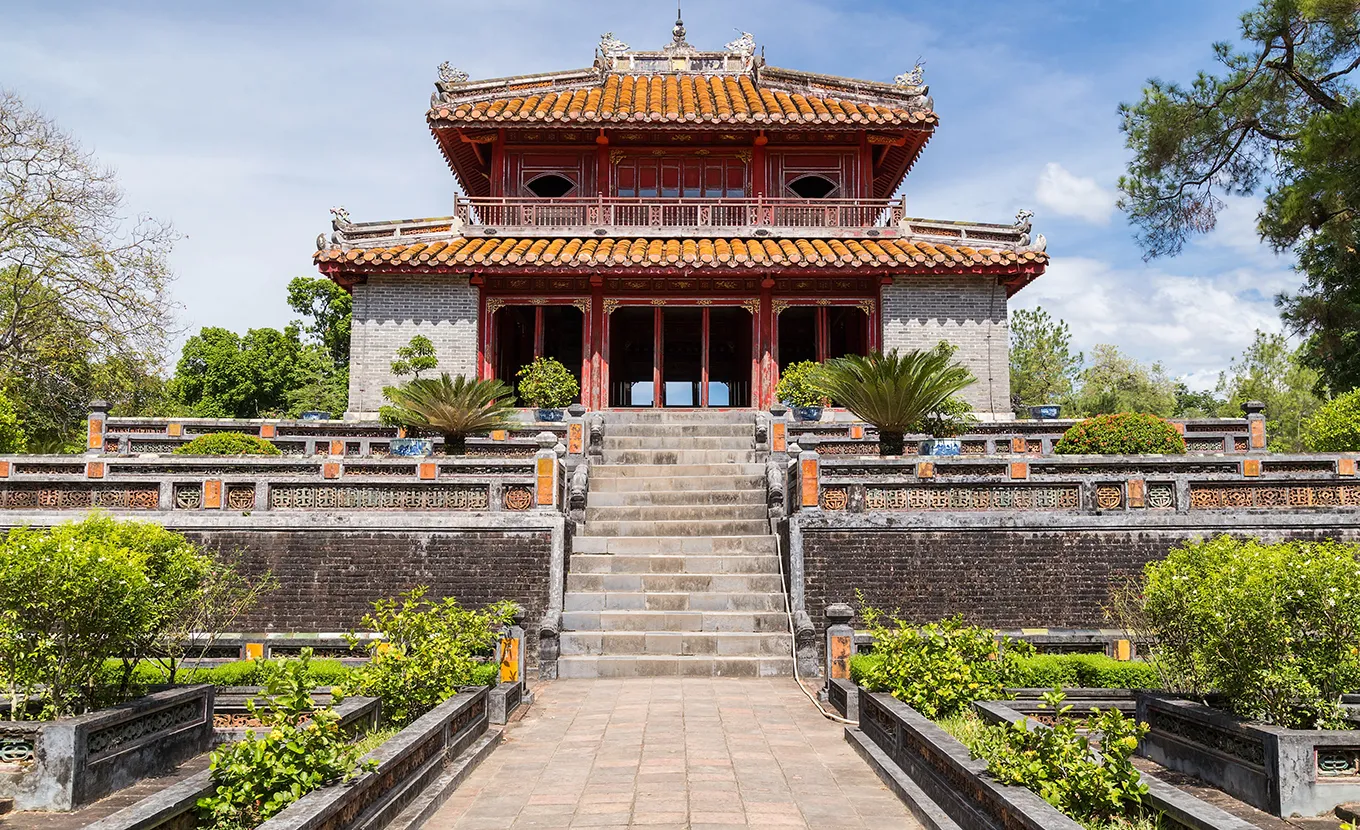
The traditional Hakka architecture is a highlight of any visit to Xingning. While often less grand in scale than Fujian's famous Tulou, Xingning's Hakka dwellings are equally fascinating, characterized by their defensive design and communal living arrangements.
-
Weilongwu (围龙屋 - Enclosed Dragon House): These are large, multi-family compounds typically arranged in concentric semicircles or rectangles around a central ancestral hall and courtyard. Their layout resembles a dragon, symbolizing prosperity and good fortune. Many well-preserved Weilongwu can be found scattered across Xingning's countryside, showcasing intricate brickwork, carved wooden details, and a strong sense of community.
-
Wufenglou (五凤楼 - Five Phoenix Tower): These are grander, often multi-story, fortified rectangular or square buildings with distinct towers at the corners, resembling a phoenix with outstretched wings. They served both as residences for wealthy families and as defensive structures.
-
Exploring Hakka Houses: Golden Trail Travel can arrange visits to some of the best-preserved Hakka houses, offering insights into the unique layout, the history of the families who lived there, and the architectural principles behind their design. Some may even offer the chance to interact with local residents.
Longxiang Temple (龙田世德楼): A Grand Hakka Ancestral Hall:
While not a traditional temple in the religious sense, Longxiang Temple is a magnificent example of a Hakka ancestral hall (世德楼 - Shide Lou). This sprawling complex is one of the largest and best-preserved ancestral halls in the region, showcasing superb Hakka architecture and craftsmanship. It serves as a spiritual and communal hub for a particular Hakka clan, demonstrating the strong emphasis on ancestry and kinship within Hakka culture.
-
Architectural Detail: Admire the elaborate carvings, colorful murals, and traditional layouts that reflect Hakka aesthetic and cultural values.
-
Cultural Significance: Understand the role of ancestral halls in Hakka society, serving as places for worship, clan meetings, and cultural preservation.
The Serene Beauty of Jigong Mountain (鸡公山):
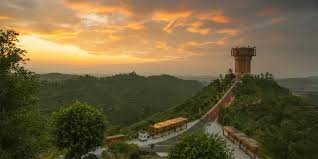
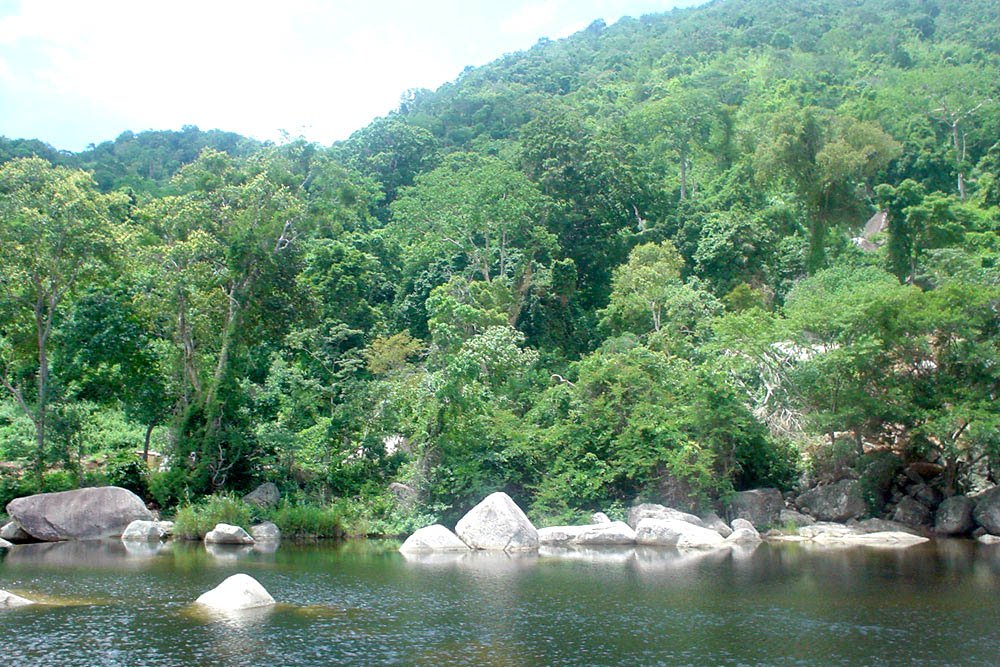
For nature lovers and those seeking tranquility, Jigong Mountain (Rooster Mountain) offers picturesque landscapes and a refreshing escape. The mountain is known for its lush forests, winding trails, and sometimes misty peaks, providing excellent opportunities for light hiking and enjoying the fresh air.
-
Panoramic Views: Reach various viewpoints to enjoy expansive vistas of Xingning's valleys and countryside.
-
Local Flora and Fauna: Discover the local plant life and, if lucky, spot some of the region's wildlife.
Guitian Scenic Area (桂田园): Rural Charm and Agriculture:
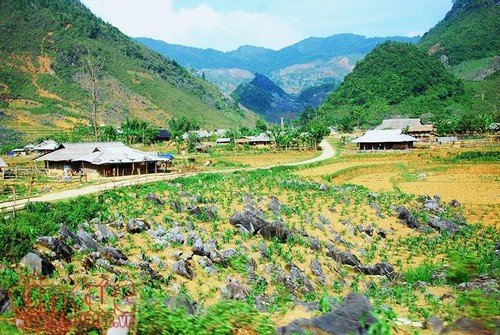
The Guitian Scenic Area showcases Xingning's picturesque rural side, characterized by traditional Hakka villages, terraced fields, and a slower pace of life. It’s an ideal spot to experience the agricultural backbone of the region and enjoy pastoral tranquility.
-
Farming Life: Observe traditional farming methods and the daily routines of local farmers.
-
Scenic Walks: Enjoy leisurely walks through the fields and along country paths, immersing yourself in the rural charm.
Xingning Museum: A Gateway to Local History:
The Xingning Museum provides an excellent introduction to the city's long history, its development, and, crucially, the story of the Hakka people in the region. It houses artifacts, photographs, and exhibits that offer valuable context for your explorations.
Traditional Hakka Cuisine: A Taste of Heritage:
Xingning is a fantastic place to savor authentic Hakka cuisine, which is renowned for its savory flavors, use of preserved ingredients, and emphasis on hearty, comforting dishes often featuring pork and local vegetables.
-
Salt-Baked Chicken (Yan Ju Ji - 盐焗鸡): A signature Hakka dish, where chicken is cooked in a special salt mixture, resulting in incredibly tender and flavorful meat.
-
Braised Pork with Preserved Vegetables (Mei Cai Kou Rou - 梅菜扣肉): Succulent pork belly braised with dried preserved mustard greens, a rich and aromatic dish.
-
Stuffed Tofu (Niang Dou Fu - 酿豆腐): Tofu pockets typically stuffed with minced pork and fish paste, then braised or fried.
-
Hakka Noodles (Mi Fen - 米粉): Various noodle dishes, often simple but flavorful, reflecting the Hakka's frugal and resourceful nature.
-
Hakka Rice Wine (Niang Jiu - 娘酒): A sweet, fermented glutinous rice wine often made by Hakka women, traditionally consumed during special occasions or for health benefits.
Unlocking Your Xingning Adventure with Golden Trail Travel
Venturing into a lesser-known region like Xingning offers immense rewards but also presents unique challenges in terms of logistics and cultural navigation. This is where Golden Trail Travel becomes your invaluable partner, ensuring a seamless, insightful, and profoundly enriching journey.
Expertly Curated Hakka Cultural Tours:
Golden Trail Travel specializes in crafting bespoke cultural tours that go beyond surface-level sightseeing. They understand the nuances of Hakka culture and design itineraries that allow for deep immersion, connecting you with the heart of Xingning.
-
Tailored to Your Interests: Whether your primary interest is architecture, cuisine, history, or rural landscapes, Golden Trail Travel can customize a tour that perfectly aligns with your passions.
-
Optimal Routing: They plan efficient travel routes, often involving a combination of high-speed rail to nearby major cities (like Meizhou or Guangzhou) and comfortable private transfers within Xingning and its surrounding countryside.
Visit Golden Trail Travel's website at https://goldentrailtravel.com/ to explore their diverse range of tours and begin crafting your own Xingning adventure.
Knowledgeable Local Guides:
A key component of a Golden Trail Travel experience is their access to expert local guides. These guides are not just translators; they are cultural ambassadors with deep knowledge of Hakka history, customs, and the local dialect (if you're interested in hearing it).
-
Architectural Storytelling: Your guide can illuminate the fascinating stories behind the Weilongwu houses, explaining their design, family histories, and social significance.
-
Culinary Explorations: They can lead you to the best authentic Hakka eateries, help you navigate menus, and explain the intricacies of the local cuisine.
-
Authentic Interactions: They facilitate genuine interactions with local Hakka people, offering insights into their daily lives and traditions, which might be challenging for independent travelers.
Exclusive Access and Immersive Experiences:
Golden Trail Travel's local connections often allow for more intimate and exclusive experiences:
-
Visits to Private Hakka Houses: Depending on availability and local relationships, they might arrange visits to active Weilongwu where residents still live, offering a rare glimpse into traditional Hakka family life.
-
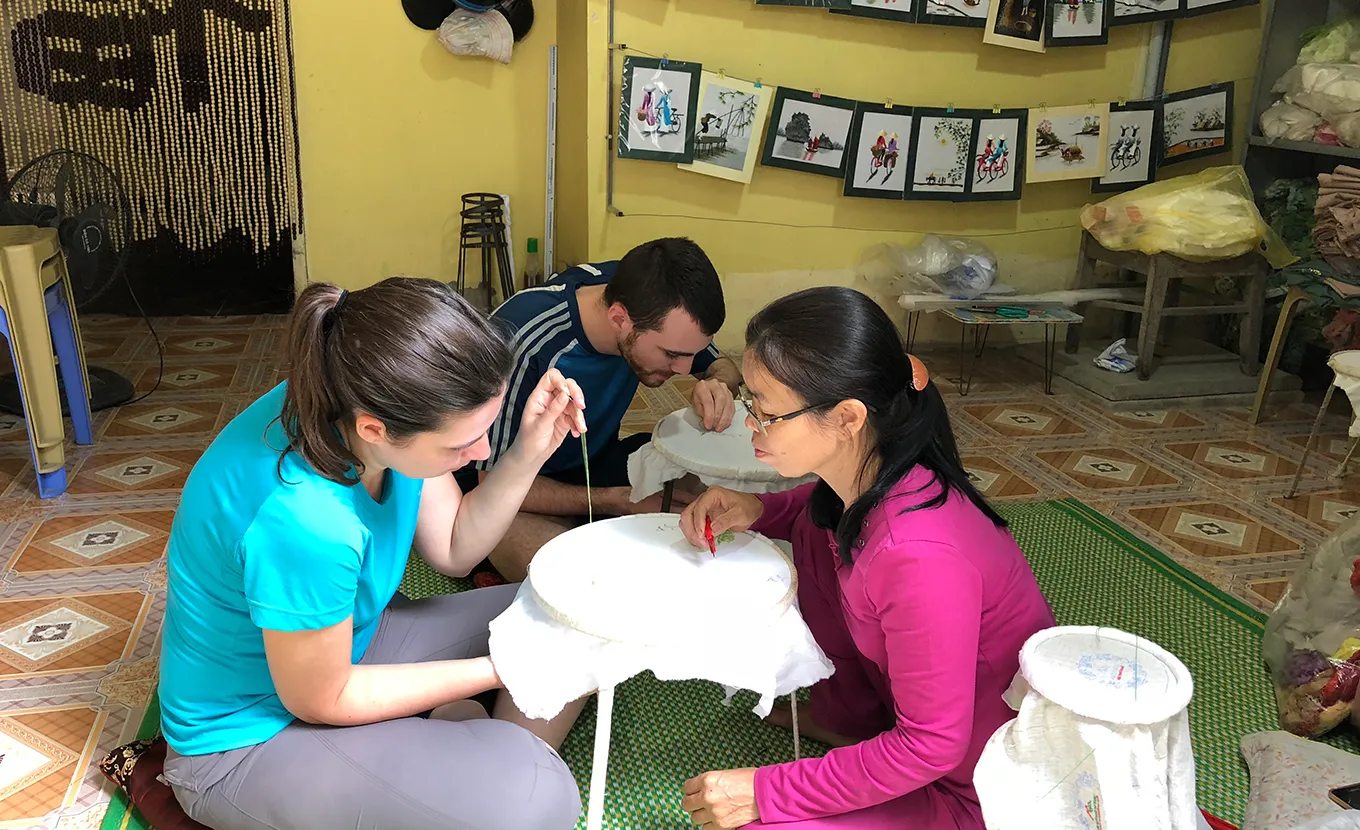
Cultural Demonstrations: Opportunities to witness or even participate in local Hakka cultural activities or craft demonstrations.
-
Beyond the Mainstream: Discover charming villages and scenic spots that are off the typical tourist trail.
Seamless Logistics and Comfort:
Traveling in less-developed tourist regions can sometimes be challenging. Golden Trail Travel ensures your comfort and peace of mind:
-
Transportation: Arranging all ground transportation within Xingning and transfers from arrival points, ensuring smooth and comfortable journeys.
-
Accommodation: Selecting reputable hotels or guesthouses that provide comfort and authentic local charm.
-
Trouble-free Travel: Handling any potential language barriers or logistical hurdles, allowing you to relax and fully enjoy your exploration.
Commitment to Responsible Tourism:
Golden Trail Travel is dedicated to promoting responsible and sustainable tourism. They strive to ensure that your visit benefits local communities, respects cultural heritage, and minimizes environmental impact, leaving a positive footprint on Xingning and its people.
The Enduring Allure of Xingning: Why This Hakka Gem Beckons
Xingning's charm lies in its authenticity, its rich heritage, and its tranquil escape from the frenetic pace of modern China.
Authentic Cultural Immersion:
It offers a deep dive into the unique and enduring Hakka culture, a distinct and often overlooked part of Chinese heritage. This is not a manufactured experience but a living tradition.
Architectural Wonders:
The Weilongwu and Wufenglou are not just buildings; they are fascinating social structures that tell the story of a resilient people. Exploring them is a journey through history and community.
Peaceful and Scenic Landscapes:
The rolling hills, verdant valleys, and tranquil rural scenes provide a calming contrast to China's urban centers, perfect for relaxation and light outdoor activities.
Culinary Delights:
Hakka cuisine is hearty, flavorful, and deeply rooted in tradition. Discovering its authentic dishes is a rewarding experience for any foodie.
Off-the-Beaten-Path Discovery:
For travelers who have already seen China's major highlights and are looking for something truly different, Xingning offers a sense of genuine discovery.
Warm Local Hospitality:
The Hakka people are known for their strong community spirit and often welcome visitors with genuine warmth and curiosity, making for memorable interactions.
Frequently Asked Questions (FAQ) about Xingning and Golden Trail Travel
Q1: Where is Xingning located? A1: Xingning is a county-level city located in the northeastern part of Guangdong Province, China, bordering Fujian and Jiangxi provinces. It's part of the larger Meizhou region.
Q2: What is Xingning most famous for? A2: Xingning is most famous as a significant Hakka cultural center, known for its distinctive Hakka traditional architecture (like Weilongwu and Wufenglou), its rich history, and authentic Hakka cuisine.
Q3: What kind of unique architecture can I see in Xingning? A3: Xingning is famous for its Weilongwu (围龙屋), large, crescent-shaped or rectangular communal Hakka houses, and Wufenglou (五凤楼), grander, often multi-story fortified residences. These structures reflect Hakka communal living and defensive needs.
Q4: How do I get to Xingning? A4: While Xingning doesn't have its own major airport, it's accessible via high-speed rail from cities like Guangzhou, Shenzhen, or Fuzhou (Fujian), usually arriving at Meizhou West Railway Station, from which Golden Trail Travel can arrange comfortable private transfers to Xingning.
Q5: What kind of food should I try in Xingning? A5: You must try authentic Hakka cuisine, including Salt-Baked Chicken (Yan Ju Ji), Braised Pork with Preserved Vegetables (Mei Cai Kou Rou), Stuffed Tofu (Niang Dou Fu), and various Hakka noodle dishes.
Q6: How can Golden Trail Travel enhance my trip to Xingning? A6: Golden Trail Travel specializes in tailored cultural tours to Xingning, providing expert local guides who offer deep insights into Hakka culture and architecture, handling all logistics (transport, accommodation, exclusive access to certain sites), ensuring a seamless, authentic, and unforgettable journey.
Q7: Can Golden Trail Travel combine Xingning with other destinations? A7: Yes! Golden Trail Travel can seamlessly integrate your visit to Xingning with other Hakka cultural hubs in Guangdong or Fujian, or connect it with larger cities like Guangzhou, Shenzhen, or Xiamen, creating a comprehensive and enriching multi-destination tour.
Customer Reviews: Discovering Xingning's Hidden Charms with Golden Trail Travel
"Our trip to Xingning with Golden Trail Travel was an absolute revelation! I've always been fascinated by Hakka culture, and getting to explore the Weilongwu houses firsthand was incredible. Our guide was truly exceptional, bringing the history of these unique homes to life and even arranging a chance to meet a local family. Golden Trail Travel delivered an authentic and deeply personal experience." — Eleanor R., USA
"I was looking for an off-the-beaten-path destination in China, and Xingning did not disappoint! The serene landscapes of Jigong Mountain and the beautiful ancestral halls were a perfect contrast to the bustling cities. Golden Trail Travel handled all the logistics so efficiently, from the high-speed train connection to our comfortable transfers. A truly peaceful and enriching journey." — Marcus L., UK
"The food in Xingning was a highlight of my entire China trip! Golden Trail Travel's guide knew all the best local spots for authentic Hakka cuisine – the Salt-Baked Chicken was divine! Beyond the food, exploring the unique architecture gave me such a deep appreciation for Hakka resilience. This was a unique and perfectly curated cultural adventure." — Sophia M., Germany
"Golden Trail Travel organized an amazing cultural immersion for my group in Xingning. We visited several Hakka houses, and each one told a different story. The historical context provided by our knowledgeable guide was invaluable. I highly recommend Golden Trail Travel for anyone wanting to delve into the rich heritage of the Hakka people in China." — Professor Charles D., Australia
"I loved the tranquil atmosphere of Xingning. It felt like stepping into a bygone era. Golden Trail Travel made the entire experience effortless, allowing me to fully enjoy the beautiful countryside and the fascinating Hakka architecture. They were incredibly responsive and attentive to all our needs. A truly delightful and authentic trip!" — Li Wei, Singapore
Conclusion: Embrace the Authentic Spirit of Xingning
Xingning is a destination that offers a profound connection to China's diverse cultural landscape, particularly the enduring legacy of the Hakka people. It's a place where ancient traditions are woven into the fabric of daily life, where unique architectural wonders stand as testaments to community and resilience, and where serene landscapes provide a tranquil escape. For travelers seeking an authentic, unhurried, and deeply cultural experience away from the mainstream, Xingning is an ideal choice.
To truly unlock the hidden charms of this Hakka heartland, an experienced and dedicated partner is indispensable. Golden Trail Travel is your trusted guide to Xingning, offering meticulously planned tours, expert local insights, and a commitment to authentic encounters. Let them lead you through the serene beauty and rich heritage of Xingning, where every traditional house tells a story, and your next unforgettable cultural adventure awaits