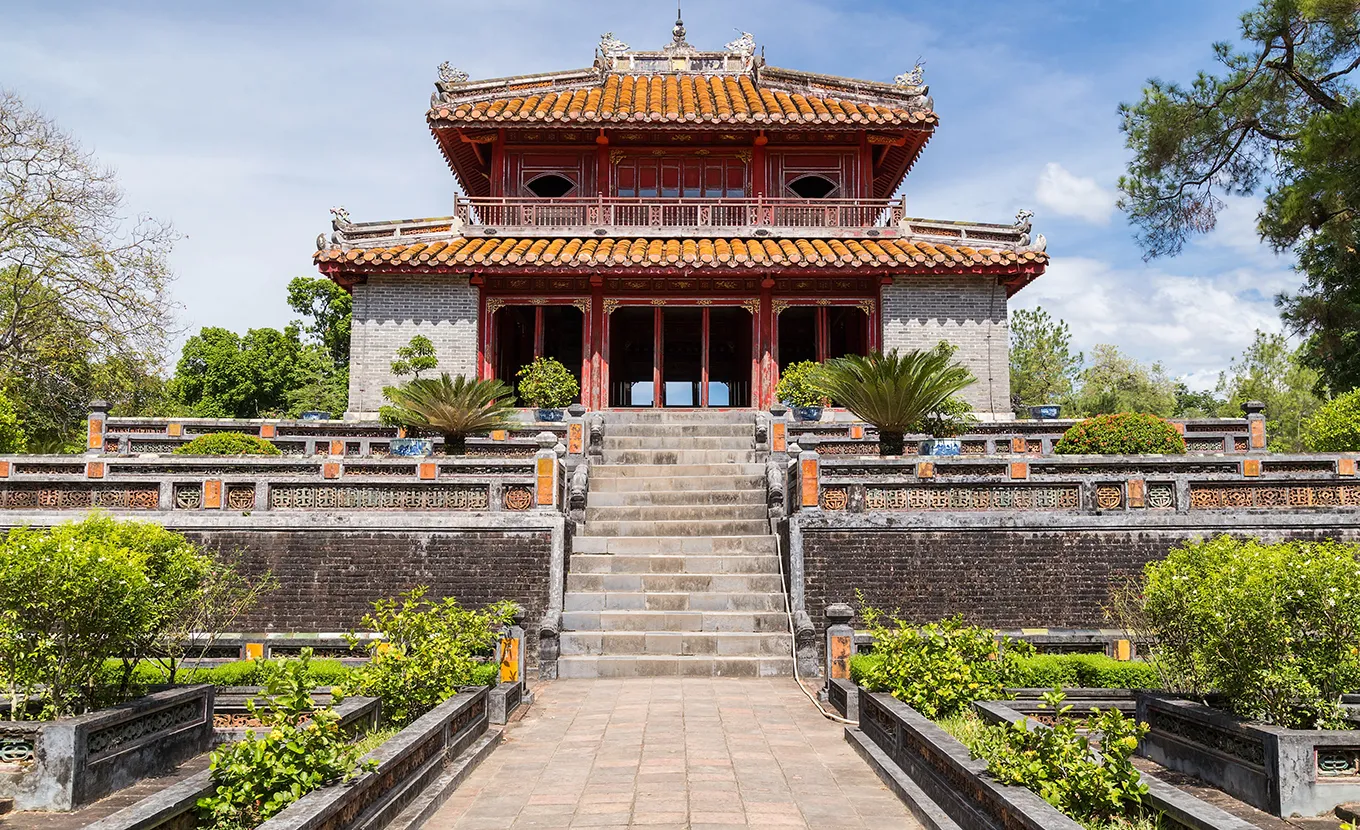
Uluwatu Temple: Bali's Cliff-Edge Masterpiece – Where Ancient Spirituality Meets Dramatic Sunsets & Iconic Dance
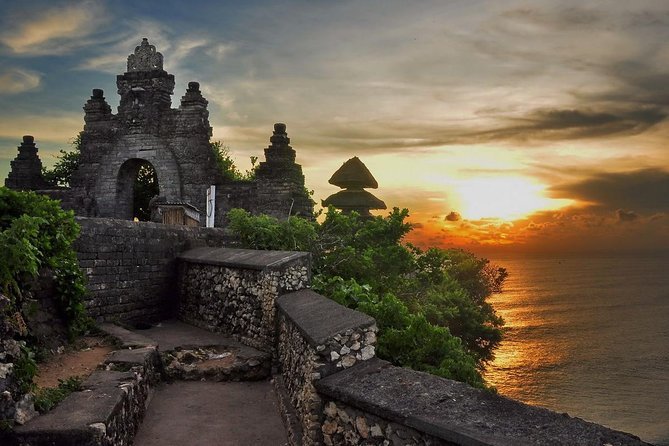
Perched majestically atop a sheer 70-meter (230-foot) limestone cliff, dramatically overlooking the crashing waves of the Indian Ocean, stands Uluwatu Temple (Pura Luhur Uluwatu). This isn't just a temple; it's a breathtaking testament to Bali's profound spiritual heritage, its architectural ingenuity, and its unparalleled natural beauty. As one of the island's six key directional temples, Uluwatu is a guardian, a sacred beacon against evil spirits from the ocean, and a site where every sunset transforms into a mystical spectacle, often accompanied by the enchanting rhythms of the traditional Kecak Fire Dance.
The very name "Uluwatu" comes from "ulu," meaning "the top" or "the tip," and "watu," meaning "stone" or "rock," perfectly describing its commanding position on the southwestern tip of the Bukit Peninsula. More than just its awe-inspiring views, Uluwatu is steeped in centuries of history, revered spiritual traditions, and the playful antics of its resident mischievous monkeys. It's a place where the roar of the ocean blends with the chants of ancient rituals, creating an atmosphere of deep reverence and undeniable magic.
This comprehensive guide will invite you on an immersive journey to Uluwatu Temple, exploring its ancient origins, its sacred significance as a protector of Bali, and the captivating Kecak dance that has become synonymous with its sunsets. We'll delve into the temple's unique architecture, encounter its famed primate inhabitants, and provide essential tips to ensure your visit to this magnificent clifftop sanctuary is truly unforgettable. Prepare to be swept away by the spiritual grandeur and dramatic allure of Uluwatu.
The Majestic Setting: A Clifftop Marvel
The sheer visual impact of Uluwatu Temple is largely due to its extraordinary geographical setting. It is a masterpiece of natural placement, where human devotion perfectly complements the raw power and beauty of nature.
The Bukit Peninsula's Dramatic Edge
Uluwatu Temple is located on the Bukit Peninsula, a rugged, arid limestone plateau forming the southernmost tip of Bali. Unlike the lush, volcanic landscapes of central Bali, the Bukit is characterized by its dramatic cliffs, pristine white-sand coves, and world-class surf breaks.
-
Sheer Limestone Cliffs: The temple itself is built on the very edge of a vertical cliff face, approximately 70 meters (230 feet) above the churning ocean. This dizzying height provides a sense of awe and vulnerability, reinforcing the temple's role as a protector against the vast, unknown forces of the sea.
-
Panoramic Ocean Vistas: From almost every vantage point within the temple complex, visitors are treated to sweeping, uninterrupted panoramic views of the Indian Ocean stretching to the horizon. The endless expanse of blue, dotted with surfers far below, creates a mesmerizing backdrop.
-
Waves Crashing Below: The constant roar and spray of the powerful waves crashing against the base of the cliffs provide a dynamic and primal soundtrack to the temple experience. For surfers, this coastline represents some of Bali's most legendary breaks.
Architectural Harmony with Nature
The design of Pura Luhur Uluwatu perfectly integrates with its dramatic surroundings, creating a sense of organic growth from the very rock itself.
-
Natural Stone Foundations: Much of the temple is built using dark coral rock and other natural materials found on the peninsula, allowing it to blend seamlessly with the cliff face.
-
Contoured Pathways: Pathways carved into the cliff edge, often lined with protective stone walls, lead visitors around the temple grounds, offering various perspectives and a sense of journey.
-
Orientation to the Sea: The main shrines and gateways are strategically oriented towards the ocean, emphasizing the temple's dedication to the sea deities and its role in protecting the island from malevolent maritime influences.
The Sunset Spectacle: A Canvas of Fire
Like Tanah Lot, Uluwatu is globally renowned for its breathtaking sunsets. However, Uluwatu's elevated position offers a distinctly different, arguably more expansive, sunset experience.
-
Golden Hour Radiance: As the sun dips towards the horizon, the sky over the Indian Ocean becomes a vibrant canvas of fiery oranges, deep reds, purples, and soft pinks. The temple, silhouetted against this dazzling backdrop, becomes a focal point of unparalleled beauty.
-
Unobstructed Views: The sheer height of the cliffs provides an unobstructed view of the sun's descent into the ocean, creating a truly majestic and often spiritual experience.
-
Complement to Kecak Dance: The sunset spectacle often perfectly coincides with the timing of the Kecak Fire Dance, adding another layer of magic and drama to the overall experience.
The majestic setting of Uluwatu Temple is not merely incidental; it is fundamental to its power, its allure, and its profound spiritual significance in the Balinese cosmos.
History & Spiritual Significance: A Protector of Bali
Uluwatu Temple is more than just a beautiful monument; it is one of the pillars of Balinese spirituality, deeply woven into the island's protective spiritual fabric.
Ancient Origins & Dang Hyang Nirartha
While the exact origins are shrouded in antiquity, it is believed that a small temple structure existed at Uluwatu long before the 11th century. However, its current prominence and form are largely attributed to two important spiritual figures:
-
Mpu Kuturan (11th Century): This Javanese sage is credited with establishing the foundational elements of Balinese Hinduism (Agama Hindu Dharma) and setting up the initial structures of Uluwatu Temple, along with other significant directional temples.
-
Dang Hyang Nirartha (16th Century): The revered Hindu priest from the Majapahit Kingdom, also credited with establishing Tanah Lot Temple, is said to have chosen Uluwatu as his final spiritual journey. It is believed that he achieved Moksha (spiritual liberation) at this very spot, ascending to heaven. A stone throne at the temple is said to be where he meditated. His spiritual legacy solidified Uluwatu's importance.
Sad Kahyangan Jagat: One of Bali's Directional Temples
Uluwatu Temple is one of Bali's six Sad Kahyangan Jagat, or the "six sanctuaries of the world." These are the most important and holiest temples in Bali, strategically positioned at key geographical points across the island. They are believed to provide spiritual balance and protection from evil forces from all directions.
-
Uluwatu, located at the southwestern tip, guards Bali from negative influences coming from the southwest quadrant of the ocean. It is dedicated to Sang Hyang Widhi Wasa in his manifestation as Rudra, one of the Hindu deities associated with destruction and transformation, and also to the sea god, Baruna.
Purpose: Protection and Balance
The primary spiritual purpose of Uluwatu Temple is to protect Bali from evil spirits and negative forces, particularly those believed to emanate from the vast ocean. It serves as a spiritual fortress, ensuring the island's harmony and well-being. The powerful energy of the place is palpable, and devotees come here seeking blessings and spiritual cleansing.
Pura Luhur Uluwatu: The Main Sanctuary
The full name of the temple, Pura Luhur Uluwatu, means "Luhur" (something of divine origin), "Ulu" (land's end), and "Watu" (rock). The temple is primarily dedicated to Sang Hyang Widhi Wasa, the Supreme God of Balinese Hinduism, in his manifestation as Rudra.
The deep history and profound spiritual significance of Uluwatu Temple make it much more than just a beautiful view. It is a living, breathing testament to the enduring faith and cultural resilience of the Balinese people.
The Temple Complex: Architecture, Courtyards & Restricted Access
The Uluwatu Temple complex is a meticulously designed spiritual space, leading visitors through a series of courtyards and pathways that culminate in the sacred inner sanctuary.
Approach and Outer Area
Upon arrival, visitors typically pass through an entrance gate where tickets are purchased and sarongs/sashes are provided (or required).
-
Forest Walkway: The main temple is not immediately visible. Visitors walk along a winding pathway through a small, dense forest that clings to the cliff edge. This walk provides an opportunity to encounter the temple's mischievous resident monkeys.
-
Panoramic Viewpoints: Along this walkway, strategically placed viewing platforms offer initial glimpses of the dramatic cliffs and the vast ocean, building anticipation for the temple itself.
The Main Temple Gates & Courtyards
The temple itself is divided into several courtyards, reflecting the traditional Balinese temple layout, where sacredness increases as one moves inward.
-
Candi Bentar (Split Gate): The first significant architectural feature you encounter is the candi bentar, or split gate. This iconic Balinese architectural element is a split entrance way, symbolizing the duality of the universe. At Uluwatu, the candi bentar is particularly striking, often adorned with intricate carvings.
-
Outer Courtyard (Jaba Sisi / Nista Mandala): This is the outermost courtyard, accessible to all visitors. It typically contains smaller shrines, bale (pavilions), and serves as a transition space.
-
Middle Courtyard (Jaba Tengah / Madya Mandala): Beyond the candi bentar, a second gate leads to the middle courtyard. This area is used for preparatory rituals and communal gatherings during ceremonies.
-
Inner Sanctuary (Jeroan / Utama Mandala): This is the most sacred and innermost courtyard, located on the cliff's absolute edge. It houses the main shrines, the multi-tiered meru towers, and the revered statue of Ganesha.
-
Restricted Access: The inner sanctuary of Uluwatu Temple is typically not accessible to non-worshippers. This is a common practice in Bali to preserve the sanctity of the most sacred areas. Visitors can respectfully view the inner sanctuary from outside its gates.
-
Ganesha Statue: A prominent statue of the elephant-headed god Ganesha, the remover of obstacles, stands near the entrance to the inner sanctuary, symbolizing wisdom and good fortune.
Architectural Details
-
Meru Towers: The multi-tiered roofs of the main shrines, reminiscent of pagodas, symbolize Mount Meru, the sacred mountain in Hindu mythology. The number of tiers (odd numbers like 3, 5, 7, 9, 11) indicates the deity or level of sanctity.
-
Stone Carvings: Intricate stone carvings adorn the gates, walls, and shrines, depicting mythical creatures, Hindu deities, and floral motifs, characteristic of Balinese temple art.
-
Coral Rock: Much of the temple is built from dark coral rock, giving it a weathered, ancient feel that blends with its natural surroundings.
The temple complex at Uluwatu, with its layered courtyards and restricted inner sanctuary, guides visitors on a journey of increasing sacredness, culminating in a powerful sense of awe at its cliff-edge perch. Respecting the sacred boundaries is key to a meaningful visit.
The Kecak Fire Dance: A Sunset Spectacle
Watching the Kecak Fire Dance at Uluwatu Temple as the sun dips below the horizon is an iconic Balinese experience, combining ancient ritual, dramatic storytelling, and breathtaking natural beauty.
What is the Kecak Dance?
The Kecak dance, often called the "Monkey Chant Dance," is a unique Balinese performance that differs significantly from other traditional Balinese dances.
-
Origins: Developed in the 1930s, it has roots in sanghyang (a trance ritual) and draws heavily from the Hindu epic Ramayana.
-
Male Chorus (Human Orchestra): The most distinctive feature is the absence of traditional Gamelan orchestra instruments. Instead, a circle of 100 or more bare-chested male performers provides the entire musical accompaniment. They chant "cak-cak-cak" in rhythmic patterns, creating a mesmerizing, almost hypnotic sound that simulates the chattering of monkeys.
-
Storytelling: The dance dramatizes episodes from the Ramayana, particularly the story of Prince Rama's rescue of his wife Sita from the demon king Ravana, with the help of the monkey army led by Hanuman. Key characters (Rama, Sita, Ravana, Hanuman, Sugriwa) are portrayed by dancers in elaborate costumes.
-
No Instruments: The "music" is purely vocal, emphasizing the power of the human voice and collective rhythm.
The "Fire Dance" Element
While often called the "Kecak Fire Dance," the fire element is usually present during the dramatic climax of the performance, particularly when Hanuman (the white monkey god) enters the scene and interacts with flames. The fire adds to the spectacle and intensity of the dance, especially against the darkening sky.
Performance at Uluwatu: The Perfect Backdrop
The outdoor amphitheater at Uluwatu Temple offers the most dramatic setting for the Kecak dance.
-
Sunset Timing: Performances are scheduled daily, usually starting around 6:00 PM (check exact times, as they adjust with sunset), allowing the dance to culminate just as the sun sets over the ocean.
-
Breathtaking Views: The open-air stage directly overlooks the Indian Ocean, with the temple silhouetted in the background. As the performance unfolds, the sky gradually changes colors, creating an unforgettable sensory experience.
-
Emotional Impact: The combination of the rhythmic chanting, the vibrant costumes, the dramatic storytelling, and the stunning natural backdrop creates an incredibly powerful and emotional experience.
Booking Tickets & Practical Tips
-
Book in Advance: Kecak dance tickets (separate from temple entrance) are highly sought after, especially during peak season. It's strongly recommended to book your tickets in advance online or through your tour operator (Golden Trail Travel can easily arrange this). Tickets often sell out.
-
Arrive Early: Even with tickets, arrive at the amphitheater at least 45-60 minutes before the show starts to secure a good seat with an unobstructed view of both the stage and the sunset.
-
Seating: Seating is typically stadium-style, concrete steps. Bring a cushion or sarong for comfort if you have one.
-
Monkeys: Be extra vigilant with your belongings around the amphitheater and entrance. The monkeys are notorious for snatching items from distracted visitors.
The Kecak Fire Dance at Uluwatu is more than just a performance; it's a profound cultural immersion that encapsulates the magic and mysticism of Bali, perfectly synchronized with nature's greatest show.
The Mischievous Monkeys of Uluwatu: Guardians & Thieves
Uluwatu Temple is famously inhabited by a thriving population of long-tailed macaques (Macaca fascicularis). These monkeys are an integral part of the Uluwatu experience, adding a wild and often humorous element to your visit, but they also require caution.
Their Role: Sacred Guardians
In Balinese Hindu tradition, monkeys are often seen as sacred animals, particularly in places like Uluwatu, where they are believed to be the guardians of the temple, protecting it from negative influences. This belief stems partly from the Ramayana epic, where Hanuman, the monkey general, plays a heroic role.
Their Behavior: Highly Intelligent & Opportunistic
While revered, the monkeys of Uluwatu are also renowned for their mischievous and opportunistic behavior. They are highly intelligent and have learned to associate human visitors with potential food sources or shiny objects.
-
Known for Stealing: They are infamous for snatching sunglasses, hats, cameras, mobile phones, jewelry, and even water bottles from unsuspecting tourists. They do this remarkably quickly and often with surprising stealth.
-
Bartering for Items: After snatching an item, a monkey might retreat to a tree or wall. Local staff or guides often have tricks (like offering a small piece of fruit) to "barter" with the monkeys to retrieve stolen items. This behavior is learned and reinforced by interaction with humans.
-
Food Aggression: They can become aggressive if teased, cornered, or if they see food. Avoid eating or holding open food/drink containers in their presence.
Tips for Interacting (or Not Interacting) with the Monkeys
To ensure a safe and enjoyable visit, follow these essential tips:
-
Secure All Belongings: This is the most important rule. Put everything that can be snatched into a zippered bag or backpack before you enter the monkey-inhabited areas. This includes sunglasses, hats, phones, cameras, jewelry, water bottles, and anything loose.
-
No Loose Items: Do not carry anything dangling or easily accessible.
-
Avoid Eye Contact: Directly staring into a monkey's eyes can be interpreted as a challenge.
-
Do Not Feed Them: Feeding the monkeys encourages their aggressive begging behavior and can make them dependent on humans. It can also lead to them snatching items thinking they contain food.
-
Do Not Tease or Provoke: Never try to tease, chase, or touch the monkeys. They are wild animals and can bite or scratch if they feel threatened.
-
If Something is Stolen: Remain calm. Do not chase the monkey aggressively. Alert a local staff member or your guide (if you have one). They are often skilled at retrieving items.
While the monkeys add a unique and memorable element to the Uluwatu experience, a healthy respect for their wild nature and vigilance over your belongings will ensure a hassle-free visit. They are part of the temple's ecosystem, and observing them from a respectful distance is part of the charm.
Best Time to Visit Uluwatu Temple: Chasing the Sunset & Avoiding Crowds
Timing your visit to Uluwatu Temple is crucial for the optimal experience, balancing breathtaking views, the Kecak dance, and managing crowds.
For Sunset & Kecak Dance (Most Popular): Late Afternoon
-
Timing: Aim to arrive at the temple complex around 4:30 PM to 5:00 PM. This gives you ample time to explore the pathways, enjoy the clifftop views, and secure your Kecak dance tickets before the performance begins (usually around 6:00 PM, adjust for seasonal sunset changes).
-
Advantages:
-
Spectacular Sunset: Witness the iconic silhouette of the temple against a vibrant, fiery sky.
-
Kecak Dance: Experience the famous cultural performance with the perfect natural backdrop.
-
Dramatic Lighting: The "golden hour" light is ideal for photography.
-
Disadvantages:
-
Crowds: This is the busiest time of day. Expect significant crowds, especially at the main viewpoints and the Kecak amphitheater.
-
Traffic: Traffic leading to Uluwatu can be heavy in the late afternoon. Plan extra travel time.
-
Kecak Ticket Availability: Tickets can sell out, so booking in advance is essential.
For Serenity & Exploration (Fewer Crowds): Early Morning
Best Season: Dry Season (April to October)
-
Dry Season: This period offers consistently sunny days, lower humidity, and minimal rainfall, making it ideal for outdoor activities, clear views, and undisturbed Kecak performances. The ocean is calmer, enhancing the dramatic visual.
-
Wet Season (November to March): While still open, you might encounter occasional heavy rain showers, which could impact views or delay/cancel the Kecak performance. However, fewer tourists and lush greenery are benefits.
Golden Trail Travel can help you plan your visit to optimize your experience, whether you prioritize the iconic sunset or a tranquil morning exploration. They can also ensure your Kecak dance tickets are secured in advance.
Beyond the Temple: Exploring the Bukit Peninsula
Uluwatu Temple is the crown jewel of the Bukit Peninsula, but this rugged southern tip of Bali offers a wealth of other attractions, making it a fantastic area to explore for a full day or even a multi-day stay.
World-Class Surfing Beaches
The Bukit is legendary among surfers worldwide, boasting some of Bali's most famous and challenging surf breaks.
-
Uluwatu Beach: Directly below the temple, this is a world-class reef break for experienced surfers, known for its long, consistent barrels. Access is via a path through cliffs, leading to famous surf caves and warungs overlooking the break.
-
Padang Padang Beach: Home to the "Balinese Pipeline," a powerful, hollow left-hand barrel that hosts international surf competitions. It also has a more beginner-friendly section. The beach itself is stunning, nestled between cliffs.
-
Bingin Beach: A beautiful, laid-back beach with a strong surf culture. It's known for its consistent left-hand barrel, charming beachfront bungalows, and delicious seafood warungs. Access is via a steep set of stairs.
-
Suluban Beach (Blue Point): A hidden gem accessed through a cave, leading to a small, picturesque cove and a world-class surf break.
-
Dreamland Beach (New Kuta Beach): A beautiful white sand beach with consistent waves, popular with surfers and sunbathers. It's surrounded by resorts and golf courses.
-
Balangan Beach: A wide, scenic beach with golden sand, popular for surfing (left-hander) and sunbathing, offering a relaxed vibe and great sunset views.
Luxurious Cliff-Edge Resorts & Beach Clubs
The dramatic clifftops of the Bukit are also home to some of Bali's most exclusive and luxurious resorts, villas, and beach clubs, offering infinity pools, fine dining, and unparalleled ocean views.
-
Omnia Dayclub (now Savaya Bali): An iconic clifftop venue known for its stunning architecture, pool parties, and panoramic views.
-
Sundays Beach Club: Located in a beautiful cove, offering direct beach access, watersports, and beachfront dining (requires a funicular ride down the cliff).
-
Ulu Cliffhouse: A vibrant beach club perched on a cliff, offering a pool, restaurant, and live music.
Dining Experiences
-
Jimbaran Bay Seafood Dinner: While not directly on the Bukit's clifftops, Jimbaran Bay (just north of the peninsula) is famous for its beachfront seafood restaurants. Choose your fresh seafood and have it grilled as you watch the sunset with your feet in the sand. A perfect way to end a day exploring the Bukit.
-
Cafes & Restaurants: The area around Uluwatu, especially Pecatu and Ungasan, has seen a boom in trendy cafes and restaurants, catering to the growing number of expats, surfers, and tourists.
Cultural & Recreational Attractions
-
Garuda Wisnu Kencana (GWK) Cultural Park: Home to the magnificent 121-meter (397-foot) tall statue of Vishnu riding Garuda, this vast cultural park showcases Balinese art, culture, and mythology, with performances and panoramic views from its elevated position. It's a significant landmark and a great cultural stop before or after Uluwatu Temple.
-
Green Bowl Beach: A secluded, beautiful white sand beach accessible via many steps, known for its calm waters and unique cave formations with bats.
Exploring the Bukit Peninsula offers a diverse range of experiences, from thrilling surf to luxurious relaxation and profound cultural immersion, all against a backdrop of Bali's most dramatic coastline. Golden Trail Travel can expertly craft a day trip or longer itinerary that combines Uluwatu Temple with these stunning surrounding attractions.
Practical Information for Visiting Uluwatu Temple
To ensure a smooth and respectful visit to Uluwatu Temple, keep these practical tips in mind.
Entrance Fees & Tickets
-
Temple Entrance Fee: There is an entrance fee for foreign visitors, collected at the main gate. This fee contributes to the maintenance of the temple complex.
-
Kecak Dance Tickets: The Kecak Fire Dance requires a separate ticket, which is typically purchased near the amphitheater entrance. As mentioned, booking in advance is highly recommended, especially during peak season, as shows can sell out quickly. Golden Trail Travel can assist with pre-booking these.
Dress Code
-
Sarong and Sash: As a sacred temple, a sarong and sash are mandatory for all visitors (both men and women) to cover your legs and waist. These are usually provided for rent at the entrance fee booth, or you can bring your own.
-
Modest Attire: While not strictly enforced for upper body, it's generally respectful to have shoulders covered when visiting Balinese temples.
Footwear
Photography
-
Capture the Views: The temple and its surroundings are incredibly photogenic, especially at sunset.
-
Be Mindful of Others: At sunset, crowds will be significant. Be patient and respectful of other visitors trying to get their photos.
-
Drone Usage: Check current regulations regarding drone use. Due to the sacred nature and crowds, restrictions may apply.
-
Monkeys: Be extremely cautious with cameras and phones around the monkeys. Keep them securely strapped or in a zipped bag when not in immediate use.
Food and Beverages
-
Within the Complex: There are limited small stalls within the temple grounds selling drinks and light snacks.
-
Outside the Complex: Numerous restaurants and cafes are located just outside the main entrance, offering various dining options. Jimbaran Bay is also a popular choice for dinner after the sunset Kecak performance.
Accessibility
Transportation
-
Private Car with Driver: The most convenient and recommended way to visit, especially for sunset, as traffic can be heavy. A driver can wait for you and navigate the roads. Golden Trail Travel provides excellent private transfer services.
-
Motorbike: Only recommended for experienced riders who are comfortable with Bali's traffic and have an international driving permit.
-
Ride-hailing Apps (Gojek/Grab): Available in the area, but sometimes return trips can be difficult to arrange from remote locations after sunset.
By preparing adequately, you can ensure your visit to Uluwatu Temple is a smooth, respectful, and deeply rewarding experience.
Conservation and Responsible Tourism at Uluwatu
Preserving Uluwatu Temple, both its physical structure and its spiritual integrity, while managing the large influx of tourists, is an ongoing effort. Responsible tourism plays a vital role in this.
Challenges Faced
-
Erosion: The very cliffs that make Uluwatu so dramatic are susceptible to natural erosion from the ocean and weather, requiring continuous monitoring and reinforcement.
-
Monkey Management: The large monkey population, while part of the experience, requires careful management to prevent over-reliance on human food, aggression, and the spread of disease. Balancing their natural behavior with visitor safety is delicate.
-
Crowd Impact: The sheer volume of visitors, especially at sunset, puts strain on the infrastructure, pathways, and overall experience.
-
Environmental Impact: Waste management, particularly plastic, is a concern in any highly visited area.
-
Cultural Preservation: Balancing the economic benefits of tourism with the need to preserve the temple's sacredness and local traditions is a continuous challenge.
Efforts in Conservation & Responsible Tourism
-
Maintenance & Restoration: Ongoing efforts are made to maintain the temple structures and pathways, ensuring safety and preserving historical elements.
-
Waste Management: Initiatives to improve waste disposal and reduce plastic use are often implemented.
-
Monkey Education: Information boards and staff often provide guidelines on how to interact (or not interact) with the monkeys safely and responsibly.
-
Cultural Sensitivity Guidelines: Visitors are educated on proper dress code and respectful behavior within the temple grounds.
-
Community Involvement: Local communities are involved in managing the site and benefiting from the tourism revenue, which helps ensure their cooperation in preservation efforts.
How Visitors Can Practice Responsible Tourism
-
Respect Sacred Spaces: Adhere to the dress code, enter with reverence, and do not disturb ongoing prayers or offerings. Remember it's a place of worship first.
-
Follow Monkey Safety Rules: Secure your belongings, do not feed, tease, or approach the monkeys too closely.
-
Stay on Designated Paths: To prevent erosion and protect fragile areas.
-
Minimize Waste: Take all your trash with you and use designated bins. Consider bringing a reusable water bottle.
-
Support Local, Ethical Businesses: Choose tour operators and vendors who demonstrate a commitment to sustainable practices and fair treatment of locals.
-
Be Patient and Respectful of Others: Especially during busy times, be mindful of fellow visitors and locals.
By adhering to these practices, visitors contribute directly to the long-term well-being of Uluwatu Temple and ensure that its dramatic beauty and spiritual significance can be experienced by generations to come.
Planning Your Uluwatu Adventure with Golden Trail Travel
While the allure of Uluwatu Temple is undeniable, navigating its popularity, securing Kecak dance tickets, and seamlessly integrating it into your Bali itinerary can be a challenge. This is where Golden Trail Travel becomes your invaluable partner, transforming complex logistics into a smooth, enriching, and unforgettable experience.
Golden Trail Travel specializes in crafting immersive, personalized, and responsible travel experiences throughout Indonesia, with a deep understanding of Bali's iconic landmarks and hidden gems. They are committed to showcasing Uluwatu Temple's profound beauty and spiritual significance while ensuring your journey is tailored to your desires and exceeds your expectations.
Golden Trail Travel offers comprehensive services that elevate your Uluwatu experience, including:
-
Customized Day Tours: Whether you dream of experiencing the iconic sunset Kecak dance, exploring the stunning beaches of the Bukit Peninsula, or combining Uluwatu with other cultural or natural attractions like Jimbaran seafood dinner or GWK Cultural Park, Golden Trail Travel can design a perfect, personalized itinerary just for you.
-
Seamless Transportation: Enjoy comfortable and reliable private transfers from your accommodation anywhere in Bali directly to Uluwatu and your next destination. Their experienced drivers know the best routes to avoid traffic and ensure you arrive well in time for sunset.
-
Guaranteed Kecak Dance Tickets: Avoid the stress and disappointment of sold-out shows. Golden Trail Travel can pre-purchase and secure your Kecak Fire Dance tickets, ensuring you have the best possible viewing experience without the hassle of queuing.
-
Expert Local Guides: Enhance your visit with a knowledgeable, English-speaking Balinese guide who can share the rich history, spiritual legends, and cultural context of Uluwatu Temple, bringing its ancient stories to life. They also provide practical tips for navigating the complex and interacting with the monkeys safely.
-
Optimal Timing Advice: Benefit from their expertise on the best time to visit Uluwatu to balance stunning views with crowd management, guiding you to the most rewarding experience.
-
Responsible Tourism: Golden Trail Travel is deeply committed to sustainable and ethical travel practices. They promote respectful interactions with local culture and nature, ensuring your visit benefits the island and its people.
-
Hassle-Free Booking: Their user-friendly website makes it easy to explore tour options, customize your trip, and book securely online, ensuring a smooth planning process from start to finish.
Don't just witness the magic of Uluwatu; experience it with depth, comfort, and authenticity. Let Golden Trail Travel be your guide, unlocking the spiritual grandeur and dramatic allure of this iconic Balinese masterpiece.
Visit their website today to explore their diverse range of Bali tours, including dedicated experiences for Uluwatu Temple and the Kecak Dance, and easily book your dream journey to this enchanting island: https://goldentrailtravel.com/
Best Time to Visit Uluwatu Temple
The best time to visit Uluwatu Temple is during the dry season (April to October) for clear skies and optimal sunset viewing. Within this period, the ideal time of day is:
-
For Sunset & Kecak Dance (Most Popular): Arrive at the temple complex between 4:30 PM and 5:00 PM. This allows time to explore before finding a spot for the Kecak dance, which typically starts around 6:00 PM (check exact times, as they adjust with sunset).
-
For Serenity & Exploration (Fewer Crowds): Visit in the early morning (around 8:00 AM - 10:00 AM) for a peaceful experience without the afternoon crowds.
Essential Tips for Visiting Uluwatu Temple
-
Kecak Tickets are Separate: Remember the Kecak Fire Dance requires a separate ticket from the temple entrance fee. Book them in advance, especially with Golden Trail Travel, to avoid disappointment.
-
Arrive Early for Kecak: Even with tickets, arrive at the amphitheater at least 45-60 minutes before showtime to get a good seat for both the dance and the sunset view.
-
Dress Code: A sarong and sash are mandatory and usually provided at the entrance. Shoulders covered is also recommended out of respect.
-
Beware of Monkeys: These mischievous residents are famous for snatching items. Secure all belongings (glasses, hats, phones, jewelry) in a zippered bag before entering the monkey area. Do not feed or tease them.
-
Sun Protection: Wear sunscreen, a hat, and sunglasses, especially for afternoon visits as you'll be outdoors.
-
Comfortable Footwear: You'll be walking around the clifftop paths.
-
Cash: Have Indonesian Rupiah (IDR) for entrance fees, any small purchases, and potential tips.
-
Plan Travel Time: Traffic in Bali, particularly towards Uluwatu in the late afternoon, can be heavy. Allow extra time.
-
Respect Sacredness: Remember it's a functioning temple. Be mindful of cultural sensitivities, avoid disturbing worshipers, and observe rituals respectfully.
Customer Reviews for Uluwatu Temple & Golden Trail Travel
"Uluwatu Temple was simply breathtaking! The cliff views are out of this world, and the Kecak Fire Dance at sunset was an unforgettable experience. We booked our entire tour with Golden Trail Travel, and they were phenomenal. Our guide secured our Kecak tickets effortlessly, handled all transfers, and gave us so much fascinating information about the temple. Couldn't have asked for a better experience!" — Sarah J., USA
"The dramatic setting of Uluwatu Temple is incredible, especially as the sun goes down. The Kecak dance was mesmerizing. A word of caution about the monkeys – they are very cheeky! Thankfully, our driver from Golden Trail Travel gave us excellent tips on how to keep our belongings safe. They managed all our logistics perfectly, making the visit stress-free." — Liam C., UK
"We opted for an early morning visit to Uluwatu with Golden Trail Travel to avoid the crowds, and it was so peaceful and beautiful. We had the cliff walks almost to ourselves. Our guide was so knowledgeable about the temple's history and spiritual significance. Golden Trail Travel’s attention to detail and personalized service truly made our trip special." — Emily R., Australia
"As a photographer, I came specifically for the sunset at Uluwatu, and it did not disappoint! The colors were insane. Golden Trail Travel made sure we arrived at the perfect time and even helped me navigate the best photo spots. Their website also made it incredibly easy to book my tour from home. Highly recommend their services for anyone visiting Bali." — David K., Canada
"Our family trip to Uluwatu, including the Kecak dance and ending with a Jimbaran seafood dinner, was flawlessly organized by Golden Trail Travel. They truly understood our needs as a family. The kids loved the monkey stories, and we felt completely safe and cared for. This was one of the best parts of our Bali adventure!" — Maria P., Germany
Frequently Asked Questions (FAQ) about Uluwatu Temple
Q1: What is Uluwatu Temple? A1: Uluwatu Temple (Pura Luhur Uluwatu) is one of Bali's most important and iconic sea temples, perched on a dramatic 70-meter high cliff overlooking the Indian Ocean. It is dedicated to Sang Hyang Widhi Wasa (God) in his manifestation as Rudra and is believed to protect Bali from evil spirits.
Q2: Where is Uluwatu Temple located? A2: It is located on the southwestern tip of Bali's Bukit Peninsula, a rugged area known for its stunning cliffs and world-class surfing beaches.
Q3: Can I go inside the main temple area? A3: Generally, the innermost sacred sanctuary of Uluwatu Temple is not accessible to non-worshippers. Visitors can explore the outer courtyards and pathways around the cliff edge.
Q4: What is the best time to visit Uluwatu Temple? A4: The most popular time is late afternoon (around 4:30 PM - 5:00 PM) to witness the spectacular sunset and the Kecak Fire Dance. For a quieter experience, visit in the early morning (8:00 AM - 10:00 AM).
Q5: What is the Kecak Fire Dance? A5: The Kecak Fire Dance is a traditional Balinese dance and musical drama based on the Ramayana epic. It is unique because it features a chorus of male performers chanting "cak-cak-cak" to create the rhythm, rather than a Gamelan orchestra. It culminates with a fire element and is famously performed at Uluwatu at sunset.
Q6: Are there monkeys at Uluwatu Temple? Are they dangerous? A6: Yes, Uluwatu is home to many mischievous long-tailed macaques. They are known for snatching belongings (sunglasses, hats, phones). While not inherently aggressive if undisturbed, they can bite or scratch if provoked. Secure all your belongings in a zipped bag.
Q7: Is there an entrance fee for Uluwatu Temple and the Kecak Dance? A7: Yes, there is a separate entrance fee for the temple complex and a separate ticket price for the Kecak Fire Dance. It's highly recommended to book Kecak tickets in advance, especially through tour operators like Golden Trail Travel.
Q8: What should I wear when visiting the temple? A8: A sarong and sash are mandatory for all visitors to cover legs and waist, typically provided at the entrance. It's also respectful to have shoulders covered.
Q9: Can I combine Uluwatu with other attractions? A9: Absolutely! Uluwatu is often combined with visits to Jimbaran Bay for seafood dinner, the GWK Cultural Park, or some of the stunning beaches on the Bukit Peninsula (like Padang Padang, Bingin) as part of a half-day or full-day tour.
Q10: How can Golden Trail Travel help with my Uluwatu visit? A10: Golden Trail Travel offers customized tours to Uluwatu Temple, providing comfortable private transportation, expert local guides to explain the culture and history, and hassle-free booking of Kecak Dance tickets. They ensure a seamless and enriching experience. Visit their website at https://goldentrailtravel.com/ to easily book your tour.