15 Ng. 100 Đ. Nguyễn Xiển, Thanh Xuân Nam, Thanh Xuân, Hà Nội 100000



15 Ng. 100 Đ. Nguyễn Xiển, Thanh Xuân Nam, Thanh Xuân, Hà Nội 100000
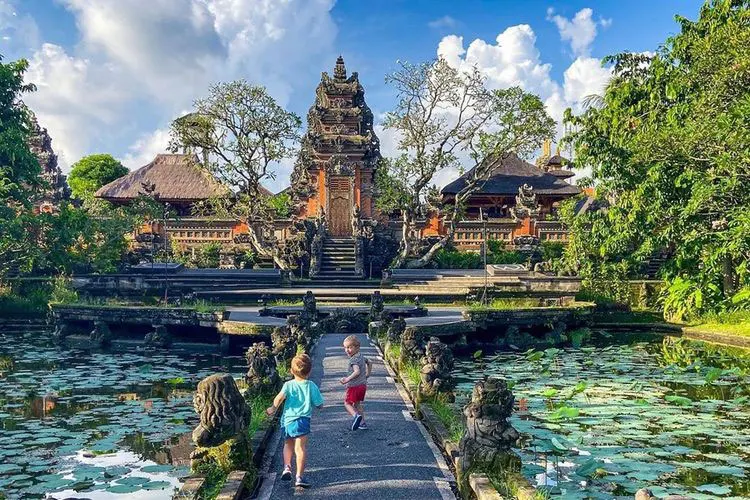
Nestled amidst the emerald embrace of rice paddies and deep ravines in Bali's central highlands, Ubud is more than just a town; it is a profound experience, a sanctuary for the soul, and the undisputed cultural and spiritual heart of the "Island of the Gods." Far removed from the bustling beaches of the south, Ubud captivates with its serene beauty, vibrant arts scene, holistic wellness offerings, and a palpable connection to ancient Balinese traditions.
For decades, artists, yogis, spiritual seekers, and discerning travelers have gravitated to Ubud, drawn by its magnetic energy, creative spirit, and the promise of deep cultural immersion. It’s a place where the rhythmic sounds of gamelan music float through the air, the scent of incense perfumes every breeze, and every corner reveals a new masterpiece, whether sculpted by human hands or by nature itself. This comprehensive guide invites you to delve into the enchanting world of Ubud, unveiling its rich history, diverse attractions, and the countless ways it continues to inspire and transform all who visit.
Ubud's unique character is deeply rooted in its history, its strong connection to Balinese Hinduism, and its role as a centuries-old center for arts and healing.
The name "Ubud" itself is derived from the Balinese word ubad, meaning "medicine," harkening back to the village's origins as a source of medicinal herbs and a place of healing. In the 8th century, a Javanese priest, Rsi Markandya, is said to have meditated at the confluence of two rivers in Ubud, leading to the establishment of the Campuhan Temple, a sacred site that remains revered today. This spiritual foundation laid the groundwork for Ubud's reputation as a place of spiritual solace and well-being.
For centuries, Ubud was a quiet, agricultural region, relying on its fertile lands for rice cultivation. It was home to various royal families and spiritual leaders, who served as patrons of the arts and maintained the traditions that define Balinese culture.
The early 20th century marked a pivotal shift for Ubud, transforming it from a localized artistic hub into an internationally recognized center.
Royal Patronage: The local royalty, particularly Tjokorda Gde Agung Sukawati, played a crucial role. Recognizing the unique talent of Balinese artists, they began to welcome and host Western artists and intellectuals.
Western Artists Arrive: In the 1930s, figures like German painter Walter Spies and Dutch painter Rudolf Bonnet settled in Ubud. They were captivated by the island's beauty and the innate artistic talent of the Balinese people. They actively encouraged local artists to break free from traditional religious constraints and explore more secular, expressive forms of art, while also promoting their work internationally. This cross-cultural exchange fostered a dynamic artistic environment.
The Pita Maha Association: Spies, Bonnet, and Tjokorda Gde Agung Sukawati, along with local artists, formed the "Pita Maha" (Great Light) association in 1936. This collective aimed to preserve and promote Balinese art, ensuring its quality and providing a platform for artists to showcase and sell their work.
A Haven for Creativity: This period solidified Ubud's reputation as a creative haven, attracting more artists, writers, and cultural enthusiasts, making it the epicenter of Balinese art.
While the mid-20th century brought the challenges of Indonesian independence and political upheaval, Ubud's artistic and spiritual heart endured. The latter part of the 20th century and the early 21st century saw a new wave of visitors drawn by its unique blend of culture, nature, and holistic living. The global phenomenon of "Eat, Pray, Love" further amplified its appeal, drawing even more spiritual seekers and wellness enthusiasts.
Today, Ubud strives to balance its rapid growth and popularity with the preservation of its cultural integrity and natural environment. It remains a place where ancient traditions are honored, artistic expression flourishes, and a profound sense of peace can be found amidst the daily rhythms of Balinese life. It is, unequivocally, Bali's enduring soul.
Ubud offers a staggering array of attractions and activities, inviting visitors to immerse themselves fully in its unique charm.
Ubud is a living museum, where art is not confined to galleries but is woven into the fabric of daily life.
Art Museums and Galleries:
Puri Lukisan Museum: Bali's oldest art museum, housing an impressive collection of traditional and modern Balinese paintings and wood carvings.
Neka Art Museum: Features a comprehensive collection of Balinese, Indonesian, and foreign artists who have lived and worked in Bali, showcasing the island's artistic evolution.
Agung Rai Museum of Art (ARMA): Offers a diverse collection of Balinese and Indonesian art, alongside a cultural center with regular performances, workshops, and beautiful gardens.
Blanco Renaissance Museum: The former home and studio of Don Antonio Blanco, a eccentric and renowned Spanish artist who found his muse in Bali. The museum is a flamboyant tribute to his life and work.
Numerous Smaller Galleries: Wander through the streets of Ubud, and you'll discover countless smaller galleries and workshops showcasing contemporary and traditional Balinese art, from intricate wood carvings and stone sculptures to vibrant paintings and delicate silverware.
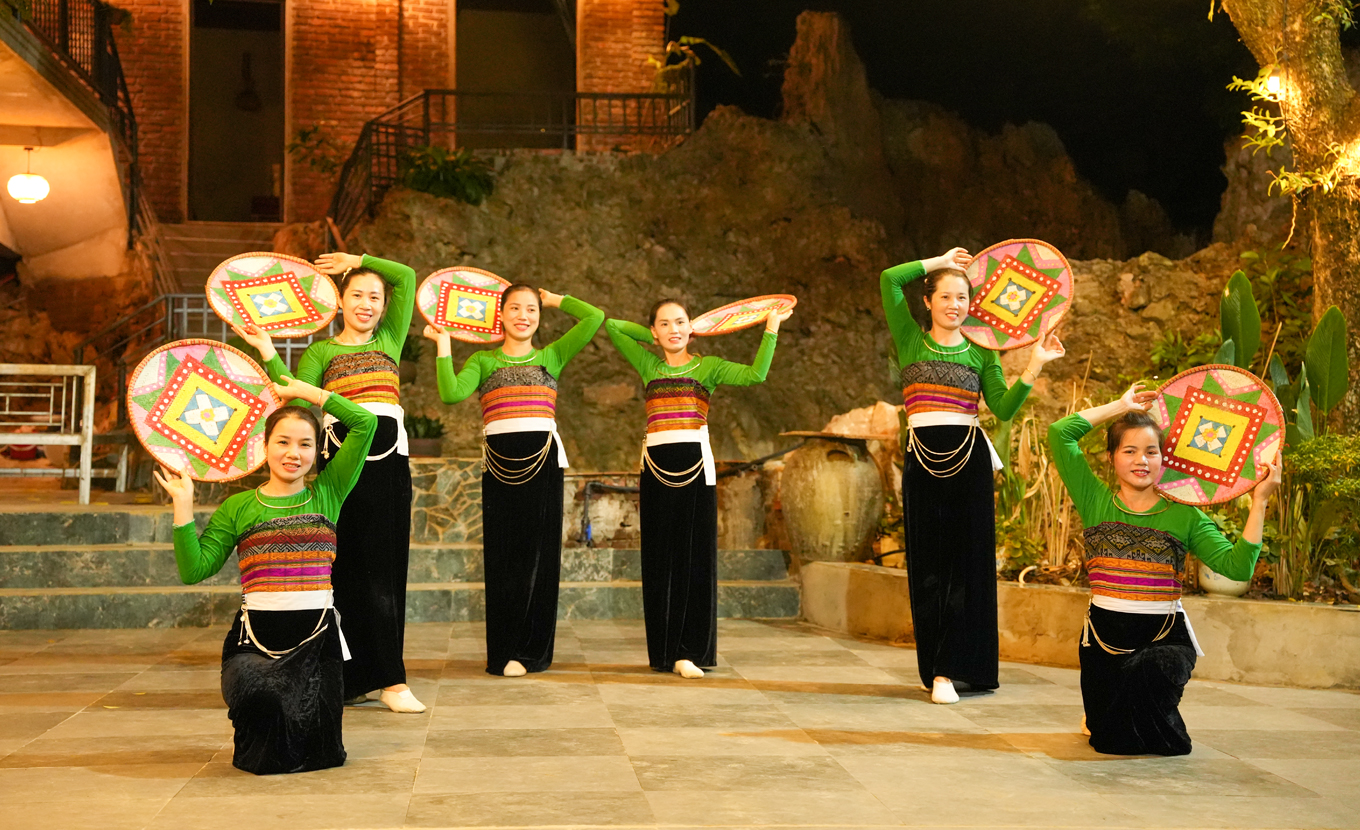
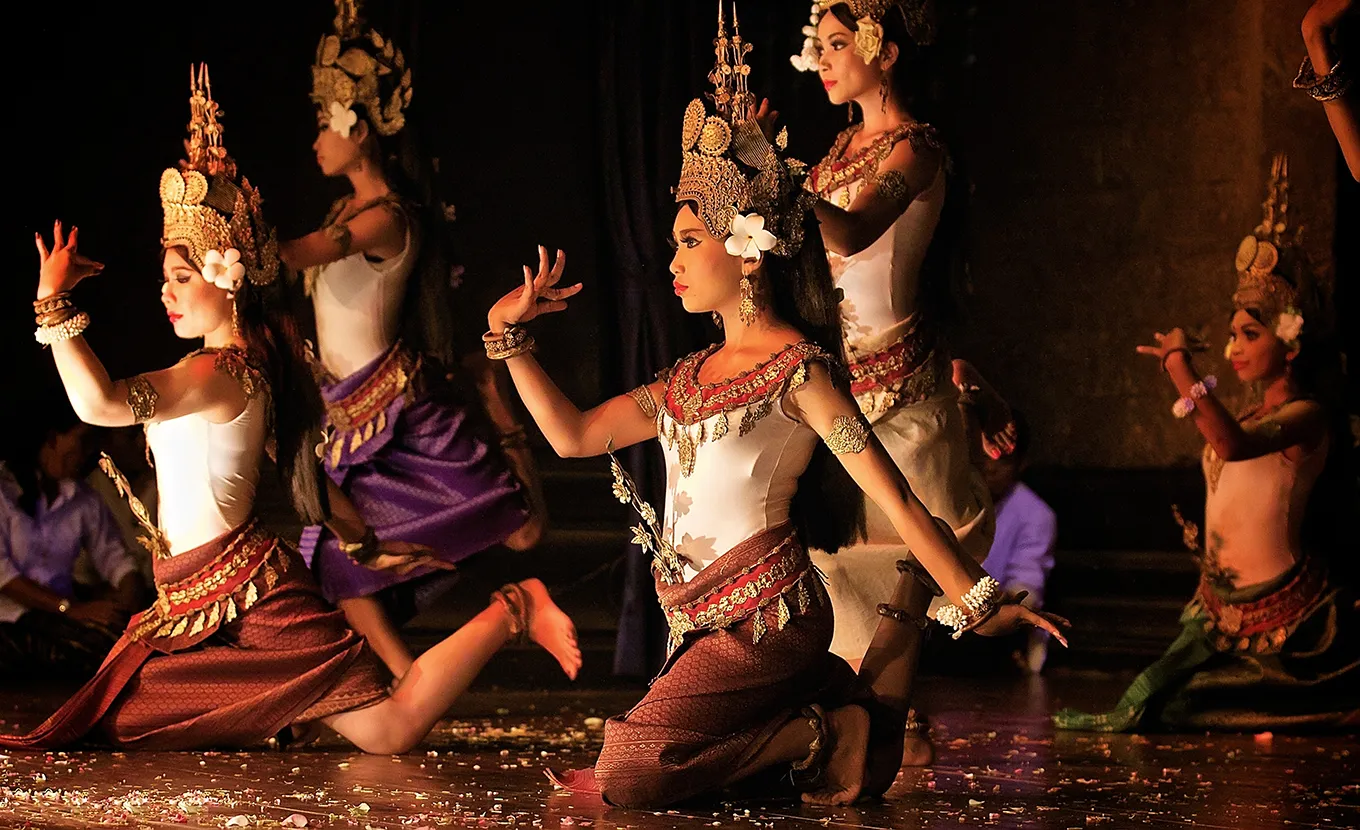
Traditional Dance Performances: Witness the mesmerizing beauty of Balinese dance. Evening performances of Legong, Barong, Kecak (fire dance), and other traditional dances are held nightly at various venues, often accompanied by a full gamelan orchestra. These performances are not just entertainment; they are spiritual narratives and vital cultural expressions.
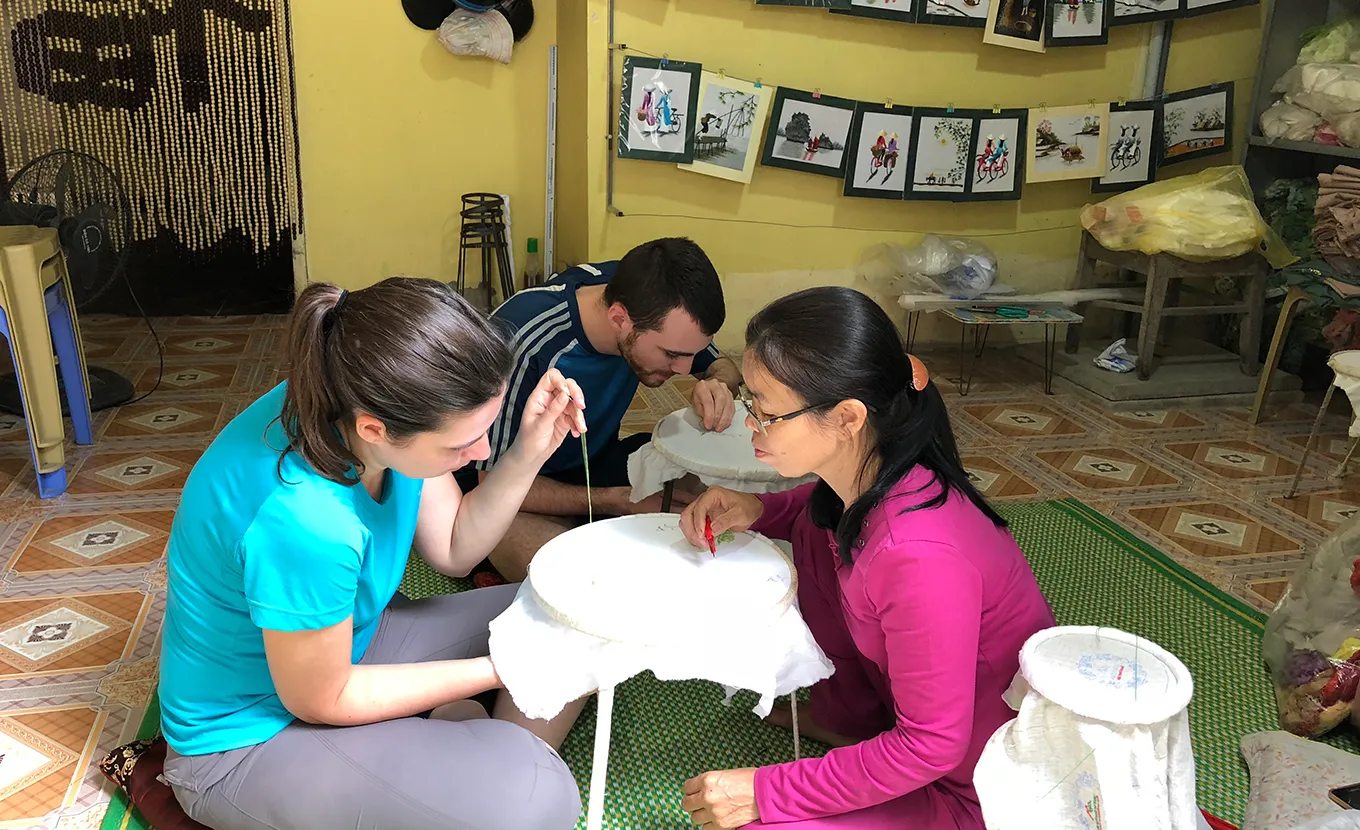
Art Workshops: Engage directly with Balinese artistry by taking a workshop. Learn the intricate techniques of batik painting, silver jewelry making, wood carving, or traditional Balinese painting from local masters.
Puri Saren Agung (Ubud Royal Palace): Located in the heart of Ubud, this historic palace is still home to the royal family. While only a part is open to the public during the day, it serves as a stunning backdrop for nightly traditional dance performances.
Pura Desa & Pura Puseh (Ubud Temples): These are the village's main temples, beautifully adorned with intricate carvings and statues, providing a glimpse into Balinese Hindu architecture and spiritual practices.
Ubud's natural surroundings are as captivating as its cultural offerings, inviting tranquility and exploration.
Tegalalang Rice Terraces: These iconic, emerald-green rice paddies, carved into the hillsides, offer breathtaking panoramic views, especially at sunrise or late afternoon. Walk through the terraces, swing over the valleys, and capture stunning photographs.
Campuhan Ridge Walk: A popular and relatively easy trek that winds along a scenic ridge with lush valleys on either side. It's perfect for a morning stroll, offering stunning views and a sense of peaceful escape.
Sacred Monkey Forest Sanctuary (Ubud Monkey Forest): A famous nature reserve and temple complex inhabited by hundreds of long-tailed macaques. Wander through ancient trees and moss-covered temples, observing the playful monkeys (but be mindful of your belongings!).
Tegenungan Waterfall: A powerful and picturesque waterfall located south of Ubud, popular for swimming and enjoying the refreshing spray.
Goa Gajah (Elephant Cave): A historical and archaeological site featuring a cave entrance carved into the shape of a demon's mouth, believed to be a meditation site. The complex also includes ancient bathing pools.
Gunung Kawi Sebatu Temple: A beautiful, tranquil water temple set amidst lush gardens, known for its sacred springs and serene atmosphere.
Rice Paddy Walks: Beyond Tegalalang, many smaller, lesser-known rice paddies surround Ubud, offering quiet paths for walks or cycling, allowing you to witness local farming life up close.
Ubud has become a global hub for holistic wellness, offering a wide range of practices for physical and spiritual rejuvenation.
Yoga and Meditation Retreats: Numerous studios and retreats offer daily yoga classes (various styles), meditation sessions, and multi-day retreats, catering to all levels from beginner to advanced.
Holistic Healing and Spa Treatments: Indulge in traditional Balinese massages, Ayurvedic treatments, sound healing, reiki, and various other holistic therapies. Ubud boasts countless spas, from luxurious resort facilities to charming independent parlors.
Sound Healing Sessions: Experience the therapeutic power of sound bowls and gongs in dedicated sound healing studios.
Cleansing Ceremonies (Melukat): Participate in a traditional Balinese purification ceremony at sacred water temples like Tirta Empul, where devotees bathe in holy spring waters.
Healthy Cafes and Restaurants: Ubud is a haven for healthy eating, with a plethora of cafes offering organic, vegan, vegetarian, and raw food options, often with stunning views.
Ubud's dining scene is incredibly diverse, from traditional Balinese fare to international gourmet experiences, with a strong emphasis on fresh, local ingredients.
Balinese Cuisine: Sample authentic local dishes at traditional warungs. Don't miss Babi Guling (roast suckling pig), Bebek Betutu (slow-cooked duck), Nasi Campur (mixed rice), and Sate Lilit (minced seafood sate).
Healthy & Organic Eateries: Ubud is renowned for its organic cafes and restaurants, catering to health-conscious diners with fresh salads, smoothies, raw desserts, and plant-based dishes.
International Fine Dining: Experience world-class dining at upscale restaurants offering fusion cuisine, often with spectacular views of rice paddies or valleys.
Cooking Classes: Learn to prepare classic Balinese dishes from scratch by joining a cooking class, often starting with a visit to a local market.
Coffee & Sweets: Discover charming cafes serving excellent Balinese coffee, artisanal pastries, and decadent desserts.
Ubud's central location makes it an ideal base for exploring many of Bali's most iconic attractions.
Tirta Empul Temple: A significant Hindu water temple where Balinese Hindus perform ritual purification in the holy spring water. It's a deeply spiritual experience.
Mount Batur Sunrise Trek: Embark on an early morning trek to the summit of Mount Batur, an active volcano, to witness a spectacular sunrise over the caldera and enjoy breakfast cooked by volcanic steam.
Besakih Temple (Mother Temple): Bali's largest and holiest temple complex, perched on the slopes of Mount Agung, offering stunning architecture and panoramic views.
Jatiluwih Rice Terraces: Another UNESCO World Heritage Site, offering even more expansive and less crowded rice terraces than Tegalalang, perfect for longer walks or cycling.
Taman Ayun Temple: A beautiful royal temple complex near Mengwi, known for its multi-tiered shrines and serene moats.
Tanah Lot Temple & Uluwatu Temple (Coastal Temples): While further afield, these iconic sea temples (Tanah Lot for sunset, Uluwatu for cliff-top views and Kecak dance) are popular full-day excursions.
Northern Bali Waterfalls: Explore the stunning waterfalls in North Bali, such as Sekumpul Waterfall or Gitgit Waterfall, for more adventurous treks and refreshing dips.
Golden Trail Travel Note: Exploring Bali's diverse wonders from Ubud is effortless with Golden Trail Travel. They can arrange comfortable transport, knowledgeable local guides, and tailor itineraries to ensure you experience Bali's iconic temples, natural beauty, and adventure activities seamlessly. Visit https://goldentrailtravel.com/ to book your personalized Bali tours.
To fully embrace the magic of Ubud, a little preparation goes a long way.
Best Time to Visit: The dry season (April to September) offers the best weather with sunny days, lower humidity, and less rain, ideal for outdoor activities like rice paddy walks, waterfall visits, and volcano treks. However, Ubud is popular year-round. The shoulder seasons (April, May, September, October) can offer a good balance of pleasant weather and slightly fewer crowds.
Currency: Indonesian Rupiah (IDR). ATMs are widely available throughout Ubud. Many establishments accept credit cards, but cash is useful for smaller shops, warungs, and markets.
Language: Bahasa Indonesia is the official language. Balinese is spoken locally. English is widely understood in tourist areas. Learning a few basic Indonesian phrases will enhance your interactions.
Connectivity: Local SIM cards are easily available and affordable. Wi-Fi is common in most hotels, cafes, and restaurants.
Getting to Ubud:
Ngurah Rai International Airport (DPS): Ubud is approximately a 1 to 1.5-hour drive from Bali's international airport, depending on traffic.
Airport Transfer/Private Driver: The most convenient way to get to Ubud is by pre-arranged private car. Your hotel or a tour operator like Golden Trail Travel can arrange this. Taxis are also available at the airport.
Getting Around Ubud:
Walking: The central areas of Ubud are very walkable.
Scooter/Motorbike Rental: Popular for exploring independently, especially the areas outside the town center. Rent only if you are an experienced rider and have an international driving permit. Helmets are mandatory. Traffic can be busy.
Taxis/Ride-Sharing Apps: Blue Bird taxis are reputable. Grab and Gojek (ride-sharing apps for cars and scooters) are widely used and often the most convenient and affordable way to get around for shorter distances. Be aware that some local taxi cooperatives have restrictions on ride-sharing apps in certain areas.
Bicycles: A great way to explore the rice paddies and surrounding villages.
Safety & Security:
Traffic: Be cautious when walking or driving; traffic can be dense and chaotic.
Petty Crime: Be aware of pickpockets, especially in crowded areas. Secure your belongings.
Monkeys (Monkey Forest): While generally playful, monkeys can be mischievous. Do not carry loose items, food, or open bags. Follow staff instructions carefully.
Drink Bottled Water: Always.
Drug Laws: Indonesia has extremely strict drug laws with severe penalties.
Bargaining: Bargaining is expected in local markets, street stalls, and when hiring independent transport. Be polite and respectful. Bargaining is not common in fixed-price shops or most restaurants.
Sun Protection: The tropical sun is intense. Use high SPF sunscreen regularly, wear a hat, and seek shade during peak hours.
Respect Local Culture: Ubud is a spiritual center. Dress modestly, especially when visiting temples (shoulders and knees covered, sarong often required for both men and women, which can be rented at the entrance). Be mindful during ceremonies and always ask permission before photographing people.
Tipping: Tipping is not mandatory but appreciated for good service (e.g., small change for warungs, 10-15% for good restaurant service, or rounding up for drivers/guides).
Environmental Awareness: Help keep Ubud clean. Dispose of your trash properly, avoid single-use plastics where possible, and choose eco-friendly businesses.
While Ubud offers a wealth of experiences, navigating its cultural nuances, arranging authentic encounters, and efficiently exploring its surrounding wonders can be greatly enhanced with expert assistance. Golden Trail Travel is your ideal partner for curating an unforgettable and seamless Bali retreat, tailored to your desires.
With Golden Trail Travel, you can easily arrange:
Customized Ubud & Bali Itineraries: Whether your focus is spiritual wellness, artistic immersion, adventurous treks, or a blend of all, they can design a personalized tour that perfectly matches your interests, budget, and desired pace, including stays in the heart of Ubud or serene rice paddy villas.
Seamless Logistics: From efficient airport transfers and comfortable accommodations to reliable private transport for day trips and knowledgeable local guides, Golden Trail Travel handles every detail, ensuring a stress-free and enriching journey.
Authentic Cultural Experiences: Benefit from their deep understanding of Balinese culture, connecting you with genuine local experiences, traditional arts, and hidden spiritual gems.
Hassle-Free Booking: Easily plan and book your entire Bali adventure online through their user-friendly platform.
Visit https://goldentrailtravel.com/ today to begin planning your extraordinary journey to Ubud and the enchanting island of Bali – where profound beauty, inspiring art, and spiritual awakening await!
Ubud consistently inspires rave reviews from visitors who fall in love with its unique blend of culture, nature, and serenity.
"Ubud was everything I dreamed of and more! The rice paddies are absolutely stunning, and the Monkey Forest was so much fun (and a little cheeky!). I took a yoga class every morning, indulged in delicious healthy food, and just felt completely rejuvenated. It's truly the soul of Bali. Golden Trail Travel arranged all our transfers and a fantastic cooking class." - Chloe W., Australia
"The artistry in Ubud is incredible. We spent hours wandering through galleries, watching artists at work, and even tried a batik painting class ourselves. The traditional dance performances at the palace were mesmerizing. It's a place that really nourishes your creative spirit. Highly recommend a stay here. Our guide from https://goldentravel.com/ gave us so many insights." - Raj K., India
"Hiking Mount Batur for sunrise from Ubud was an unforgettable adventure! The views were spectacular, and then coming back to the peacefulness of Ubud was the perfect balance. The food scene here is amazing – so many healthy and delicious options. I felt completely at ease and connected to nature." - Lisa M., Germany
"Ubud offers a much more authentic Balinese experience than the coastal towns. We loved the serene rice paddy walks and the spiritual atmosphere of the temples like Tirta Empul. It's easy to get lost in the beauty and tranquility. A must-visit for anyone seeking a deeper connection with Bali." - Tom S., United States
"Coming to Ubud was a truly transformative experience. The emphasis on wellness and spirituality here is real, not just a trend. I found a wonderful yoga studio and enjoyed daily massages. The local people are so warm and friendly. It’s a beautiful place to pause, reflect, and just be." - Aisha B., United Arab Emirates
Q1: What is Ubud, Bali, known for? A1: Ubud is known as the cultural and spiritual heart of Bali, famous for its lush rice paddies, vibrant arts scene (painting, carving, dance), holistic wellness retreats (yoga, meditation), ancient temples, and the Sacred Monkey Forest Sanctuary.
Q2: Where is Ubud located in Bali? A2: Ubud is located in the central highlands of Bali, Indonesia, roughly an hour to an hour and a half drive north of Ngurah Rai International Airport (DPS).
Q3: What are the must-visit attractions in Ubud? A3: Key attractions include the Tegalalang Rice Terraces, Sacred Monkey Forest Sanctuary, Campuhan Ridge Walk, Puri Saren Agung (Ubud Royal Palace), and various art museums (Puri Lukisan, Neka Art Museum, ARMA).
Q4: What kind of cultural experiences can I have in Ubud? A4: You can witness traditional Balinese dance performances, take art workshops (batik, silver, wood carving), visit local temples, and explore traditional markets.
Q5: Is Ubud good for wellness and yoga? A5: Yes, Ubud is a global hub for wellness, offering numerous yoga studios, meditation centers, holistic healing spas, and healthy eating options, catering to all levels.
Q6: How far is Ubud from Bali's airport (DPS)? A6: Ubud is approximately 35-45 kilometers (22-28 miles) from DPS airport, with a typical driving time of 1 to 1.5 hours, depending on traffic.
Q7: What is the best way to get around Ubud? A7: Central Ubud is walkable. For exploring outside the center or for day trips, hiring a scooter (if experienced), using ride-sharing apps (Grab/Gojek), or arranging a private car with a driver (recommended for convenience) are good options.
Q8: When is the best time to visit Ubud? A8: The dry season (April to September) offers the most sunshine and comfortable weather for outdoor activities, though Ubud is a popular destination year-round.
Q9: Can I book day trips from Ubud? A9: Yes, Ubud is an excellent base for day trips to Mount Batur (sunrise trek), Tirta Empul Temple, Jatiluwih Rice Terraces, Besakih Temple, and coastal areas. Golden Trail Travel (at https://goldentrailtravel.com/) can arrange these excursions.
Q10: What kind of food can I expect in Ubud? A10: Ubud offers a diverse culinary scene, from traditional Balinese warungs serving local specialties (Babi Guling, Bebek Betutu) to numerous healthy, organic, vegan, and international restaurants.
Q11: Are the monkeys in the Monkey Forest safe? A11: The monkeys are generally accustomed to humans but are wild animals. Follow the sanctuary's guidelines: do not feed them, do not carry loose items, and approach cautiously. They can be mischievous.
Q12: Is Ubud suitable for families? A12: Yes, Ubud offers many family-friendly attractions like the Monkey Forest, Tegenungan Waterfall, cooking classes, and gentle rice paddy walks. Many resorts also cater to families.
.webp "Authentic Mekong Delta 4-Day Tour from Saigon | Explore Ben Tre, Tra Vinh, Sa Dec & Long Xuyen")
This itinerary is designed for travelers who want culture, nature, food, and real-life encounters: small canals, family workshops, bustling local markets, Khmer pagodas, riverside villages, and the kind of meals you remember long after the trip ends.
January 12, 2026
.jpg "Experience Daklak Lak Lake and Ban Don in Style – 3-Day Highlands Discovery Tour (Luxury Central Highlands Getaway)")
The experience Daklak Lak Lake and Ban Don in Style – 3-Day Highlands Discovery Tour is designed for travelers who want comfort, curated moments, and meaningful cultural discovery—wrapped into three unforgettable days.
January 12, 2026
If you’re craving a North Vietnam experience that feels authentic, quiet, cinematic, and far from the crowded tourist routes, this Bac Son Valley Tour from Hanoi – 2 Days Journey to North Vietnam’s Hidden Paradise is exactly what you’ve been looking for
January 12, 2026
If you’re craving a Vietnam trip that feels wild, cinematic, and deeply local, this Cao Bang camping 5 days journey is the kind that stays with you long after you’ve unpacked your backpack. Think: stone stilt houses tucked beside a stream, a limestone “eye” that frames the sunrise, and a switchback mountain pass that looks like it was drawn by an artist with a daring streak
January 11, 2026
.jpg "The Definitive Guide to Selecting a Cao Bang Loop Cycling Tour Operator: Conquering the UNESCO Frontier")
In the remote northeastern corner of Vietnam, tucked against the winding border with China, lies a landscape that feels as though it was sculpted by the gods and forgotten by time. This is the Non Nuoc Cao Bang UNESCO Global Geopark—a region of prehistoric limestone karsts, thundering waterfalls, and ancient ethnic cultures. While most travelers experience this frontier via motorbike or bus, the true adventurer knows that the most intimate, rewarding, and sustainable way to conquer this terrain is from the saddle of a bicycle.
December 24, 2025
.jpg "The Definitive Guide to Cao Bang Loop Cycling Tour Vietnam: Conquering the UNESCO Frontier")
Deep in the heart of the Northeast, where the limestone karsts rise like ancient guardians and the emerald rivers carve paths through prehistoric valleys, lies a journey that transcends ordinary travel. The Cao Bang Loop cycling tour Vietnam is quickly becoming the holy grail for adventure seekers worldwide. This isn't just a bike ride; it is a full-sensory immersion into the Non Nuoc Cao Bang UNESCO Global Geopark—a region recognized for its exceptional geological heritage and vibrant ethnic cultures.
December 24, 2025
.jpg "The Definitive Guide to the Best Cao Bang Loop Cycling Tour: Conquering the Frontier")
In the remote northeastern corner of Vietnam, where the limestone karsts rise like ancient sentinels and rivers of brilliant turquoise carve paths through emerald valleys, lies a journey that is quickly becoming the holy grail for adventure travelers. The Cao Bang Loop is not just a destination; it is a prehistoric landscape that has been 500 million years in the making.
December 24, 2025
.jpg "The Ultimate Guide to Book Cao Bang Loop Cycling Tour: Conquer the Frontier with Golden Trail Travel")
Northeast Vietnam is a land of emerald rivers, towering limestone karsts, and a prehistoric silence that can only be truly appreciated from the saddle of a bicycle. For the modern adventurer, the decision to Book Cao Bang Loop cycling tour is the beginning of a transformative journey into the Non Nuoc Cao Bang UNESCO Global Geopark.
December 24, 2025
.jpg "Conquering the Verticals: The Definitive Guide to Cao Bang Loop Cycling Elevation")
For the modern adventure traveler, the northeastern frontier of Vietnam represents a final boundary of raw, unfiltered exploration. While the world has long heard of the Ha Giang Loop, a more geologically complex and vertically intriguing challenge is gaining momentum among elite cyclists: the Cao Bang Loop. Nestled within the Non Nuoc Cao Bang UNESCO Global Geopark, this route is a masterpiece of "tower karst" topography. However, for those planning to tackle this frontier on two wheels, one question dictates every preparation: What is the Cao Bang Loop cycling elevation profile really like?
December 24, 2025
.jpg "The Ultimate Guide to Cao Bang Loop Cycling Distance: Mapping Your Frontier Adventure")
Deep in the heart of Northeast Vietnam, where the limestone karsts rise like ancient sentinels and rivers of brilliant turquoise carve paths through emerald valleys, lies a journey that is quickly becoming the holy grail for adventure travelers. The Cao Bang Loop cycling distance is a topic of intense interest for those looking to conquer the Non Nuoc Cao Bang UNESCO Global Geopark. Unlike the more famous (and often more crowded) Ha Giang Loop, Cao Bang offers a raw, authentic, and geologically diverse experience that is best appreciated at the slow, rhythmic pace of a bicycle.
December 24, 2025
.jpg "Seasonal Splendor: Finding the Best Time for Cao Bang Loop Cycling")
Vietnam’s northeast frontier is a landscape of prehistoric majesty. The Non Nuoc Cao Bang UNESCO Global Geopark is not just a destination; it is a geological storybook written in limestone and emerald waters over 500 million years. For the adventure cyclist, the question isn't whether to go, but when to go. Determining the best time for Cao Bang Loop cycling is the difference between a ride through a golden paradise and a battle against the elements.
December 24, 2025
.jpg "Mastering the Frontier: An In-Depth Analysis of the Cao Bang Loop Cycling Difficulty")
We will break down every facet of the challenge. From the technicality of the mountain passes to the endurance required for consecutive days in the saddle, we aim to provide you with the most transparent and helpful resource available. Whether you are a weekend warrior or a seasoned randonneur, understanding the demands of this "fossil landscape" is the first step toward a successful expedition.
December 24, 2025
.jpg "The Ultimate Master Guide to the Cao Bang Loop Cycling Route Map: Navigating Vietnam's Hidden Frontier")
Deep in the heart of Northeast Vietnam, far beyond the neon glow of Hanoi and the crowded cruise routes of Halong Bay, lies a landscape that feels like a prehistoric legend. The Cao Bang Loop cycling route map is rapidly becoming the gold standard for adventure seekers who want to experience the raw, unfiltered essence of the Non Nuoc Cao Bang UNESCO Global Geopark.
December 24, 2025
.jpg "The Definitive Cao Bang Loop Cycling Itinerary: Journey Through the Heart of the UNESCO Global Geopark")
At Golden Trail Travel, we believe that the best way to see the world is slow, rhythmic, and close to the ground. Our cycling tours are designed to immerse you in the raw beauty of the Non Nuoc Cao Bang UNESCO Global Geopark. In this exhaustive guide, we will walk you through a detailed 6-day itinerary, technical preparation, cultural insights, and everything you need to know to conquer the "secret garden" of Northern Vietnam.
December 24, 2025
.jpg "Capturing the Frontier: The Ultimate Cao Bang Loop Photography Cycling Tour Guide")
At Golden Trail Travel, we believe that the best way to see the world is through a lens, but the best way to reach that lens-worthy moment is from the saddle of a bicycle. In this exhaustive guide, we will explore why a photography-focused cycling journey is the ultimate way to experience Cao Bang, providing you with the technical tips, itinerary highlights, and cultural etiquette needed to bring home a portfolio of a lifetime.
December 24, 2025
.jpg "The Ultimate Guide to the Cao Bang Loop Nature Cycling Tour: A Journey Through Vietnam’s Untouched Eden")
Deep in the heart of Northeast Vietnam, where the border with China is marked by emerald rivers and towering limestone walls, lies a region so geographically significant and visually stunning that it has been recognized as a UNESCO Global Geopark. For the modern adventurer, there is no better way to touch, feel, and breathe this landscape than through a Cao Bang Loop nature cycling tour. This isn't just a bike ride; it is a portal into a prehistoric world, a slow-motion immersion into a land where nature still dictates the pace of life.
December 24, 2025
.jpg "The Ultimate Frontier: A Comprehensive Guide to the Cao Bang Loop Remote Cycling Tour")
Vietnam is a land of legends, and for the modern adventure cyclist, those legends are often found in the rugged, limestone-carved terrain of the far Northeast. While the Ha Giang Loop has long held the crown for Southeast Asia’s most famous road trip, a new contender has emerged for those seeking a more authentic, tranquil, and geologically stunning experience: the Cao Bang Loop remote cycling tour.
December 24, 2025
.jpg "Exploring the Uncharted: The Ultimate Guide to Cao Bang Loop Off the Beaten Track Cycling")
In the remote northeastern reaches of Vietnam, where the limestone karsts rise like ancient sentinels and the emerald rivers carve paths through prehistoric valleys, lies a journey that is quickly becoming the holy grail for adventure cyclists. While the Ha Giang Loop has long held the title of Southeast Asia’s most famous road trip, a quieter, more authentic contender has emerged: the Cao Bang Loop off the beaten track cycling experience
December 24, 2025
.jpg "Beyond the Horizon: The Ultimate Guide to Cao Bang Loop Scenic Cycling")
At Golden Trail Travel, we believe that the best way to experience this frontier is slow, rhythmic, and close to the ground. In this exhaustive guide, we will explore everything you need to know about conquering the Cao Bang Loop, from the thundering cascades of Ban Gioc to the hidden ethnic villages where time seems to have stood still.
December 24, 2025
.jpg "The Ultimate Guide to the Cao Bang Loop Multi-Day Cycling Tour: Exploring Vietnam’s Untouched Frontier")
In the remote northeastern corner of Vietnam, far from the neon lights of the cities and the crowded cruise ships of the coast, lies a landscape that feels as if it was plucked from a prehistoric legend. This is the Non Nuoc Cao Bang UNESCO Global Geopark—a region of towering limestone karsts, thundering waterfalls, and hidden valleys. For the modern adventurer, there is no better way to conquer this frontier than through a Cao Bang Loop multi-day cycling tour.
December 24, 2025