15 Ng. 100 Đ. Nguyễn Xiển, Thanh Xuân Nam, Thanh Xuân, Hà Nội 100000



15 Ng. 100 Đ. Nguyễn Xiển, Thanh Xuân Nam, Thanh Xuân, Hà Nội 100000
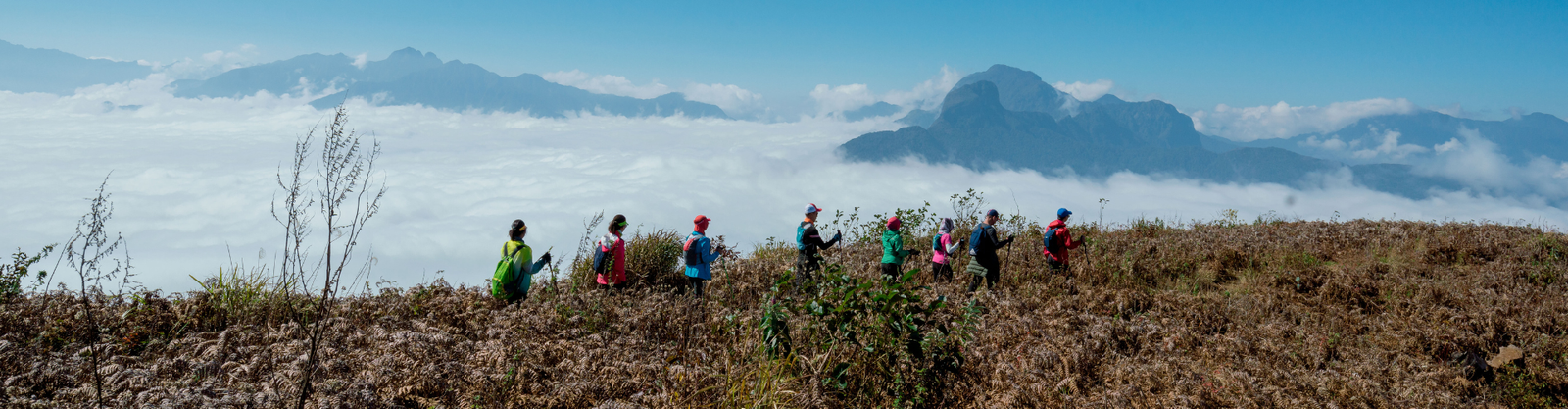
Imagine an oasis city, shimmering in the intense desert sun, where ancient ruins whisper tales of empires and religions long past. Picture lush vineyards bursting with sweet grapes, nourished by an ingenious underground irrigation system that defies the arid landscape. This is Turpan (Turpan), a legendary oasis city in the Xinjiang Uyghur Autonomous Region of Northwest China. Nestled within the dramatic Turpan Depression, one of the lowest and hottest places on Earth, Turpan is a testament to human ingenuity and resilience. For millennia, it served as a vital crossroads on the ancient Silk Road, a crucible where goods, ideas, and cultures from East and West converged. Today, Turpan offers travelers an unparalleled journey into the heart of Central Asian history, a vibrant Uyghur culture, and a unique natural environment dominated by the iconic Flaming Mountains and the life-giving Karez Wells. It is an indispensable stop for anyone seeking to unravel the mysteries of ancient trade routes, marvel at architectural wonders, and experience the profound beauty of an oasis thriving against all odds.
Turpan's very existence is a fascinating paradox, thriving in one of the most extreme geographical locations on the planet.
The Turpan Depression (TurpanPendi) is a geological marvel.
Lowest Point in China: Its lowest point, Ayding Lake (drying salt lake), reaches approximately 154 meters (505 feet) below sea level, making it the second-lowest exposed land depression in the world after the Dead Sea.
Extreme Temperatures: The region is famously known as "the furnace" of China, with summer temperatures often soaring above 40°C (104°F) and sometimes reaching over 50°C (122°F). This intense heat, combined with low humidity, creates a uniquely challenging yet fruitful environment.
Arid Landscape: The depression is surrounded by arid desert landscapes, making the existence of a lush oasis city within it a true marvel.
Dominating Turpan's northern horizon are the Flaming Mountains (HuoyanShan).
Striking Red Hue: These eroded, treeless red sandstone mountains derive their name from their striking reddish-brown color, which seems to glow and shimmer under the intense sunlight, especially at sunset, resembling flames.
Legendary Lore: The mountains are famously depicted in the classical Chinese novel Journey to the West, where the Monkey King battles a demon in a fiery landscape, adding to their mystical allure.
Natural Barrier: They form a natural barrier, protecting the oasis from harsh northern winds and contributing to the extreme temperatures within the depression.
Against this backdrop of heat and aridity, Turpan thrives as a vibrant oasis.
Contrasting Landscapes: The sudden transition from barren desert and fiery red mountains to lush vineyards and verdant trees within the city limits is breathtaking, highlighting the triumph of human ingenuity over nature.
Water-Dependent Survival: The very survival of Turpan is entirely dependent on its unique and ingenious water management system, the Karez Wells.
The Karez System (KarezJing) is Turpan's lifeblood and a testament to ancient hydro-engineering.
Underground Irrigation: This complex system consists of interconnected underground channels, vertical shafts (for maintenance and air circulation), and surface canals that tap into underground water sources (primarily from the melting snow of the Tianshan Mountains).
Reducing Evaporation: By keeping the water underground, the Karez system minimizes evaporation, a crucial adaptation in such a hot and arid climate.
Over 2,000 Years Old: Dating back over 2,000 years, this ingenious network once comprised thousands of kilometers of channels, a feat comparable to the Great Wall or the Grand Canal in terms of its impact on human settlement.
UNESCO Candidate: The Karez System is a strong candidate for UNESCO World Heritage status, recognized for its cultural and engineering significance.
Visitor Centers: Dedicated Karez museums and demonstration sites allow visitors to walk through sections of the underground channels and learn about their construction and operation.
The intricate relationship between Turpan's extreme geography and its ingenious water management system is a core element of its identity and a fascinating aspect for any visitor to explore.
Turpan's strategic location made it an indispensable hub on the northern branch of the Silk Road for over two millennia, leading to a remarkably rich and complex history.
For centuries, Turpan was not just a stopping point but a significant political and cultural center where various empires and religious traditions converged.
Ancient Kingdoms: The Turpan oasis was home to a succession of powerful kingdoms, notably the Jushi Kingdom, the Gaochang Kingdom, and later the Karakhoja Kingdom. These kingdoms often acted as intermediaries between East and West.
Religious Melting Pot: The Silk Road brought not only goods but also ideas. Turpan became a thriving center for:
Buddhism: Flourishing from the 4th to the 9th centuries, leaving behind numerous grottoes and temple ruins.
Manichaeism: A dualistic religion that found a strong foothold here.
Nestorian Christianity: Also present, demonstrating the cosmopolitan nature of the oasis.
Islam: Became the predominant religion from the 10th century onwards, with the arrival of Turkic peoples, leaving its own distinct architectural and cultural legacy.
Cultural Exchange: The art, architecture, and languages found in Turpan's ruins reflect a unique blend of Chinese, Central Asian, Indian, and even Persian influences, a true testament to the extensive cultural exchange that occurred along the Silk Road.
The dry desert climate of Turpan has remarkably preserved numerous ancient cities, tombs, and grottoes, offering invaluable insights into its past.
Natural Preservation: The arid conditions and lack of moisture have acted as a natural preservative, safeguarding ancient wooden structures, murals, and even organic materials like mummies, which would have long disintegrated in other climates.
Active Excavation: Archaeological work continues to reveal new discoveries, continually enriching our understanding of this pivotal Silk Road hub.
Turpan's historical depth is not just read in books; it is physically present in its magnificent ruins, allowing visitors to walk directly into the pages of ancient Silk Road history.
Turpan's most compelling attractions are its exceptionally well-preserved archaeological sites, each offering a unique window into a different facet of its rich past.
Jiaohe Ancient City (JiaoheGucheng) is perhaps the most impressive and visually striking of Turpan's ruins, and a UNESCO World Heritage Site.
Natural Fortress: Built on a massive, natural loess plateau shaped like a willow leaf, flanked by two rivers. Its steep cliffs provided natural defenses, making it an impregnable fortress.
Unique Construction: The city's buildings were carved directly out of the loess earth, rather than built upwards, creating a unique "negative space" architecture. This method also helped insulate the structures from the extreme heat.
Preserved Layout: The dry climate has remarkably preserved the city's layout, including streets, residential areas, government offices, temples, and a large central Buddhist stupa, allowing visitors to clearly visualize its former grandeur.
History: Flourished from the 1st century BC to the 14th century AD, serving as a capital of the Jushi Kingdom and a major garrison town. It was eventually destroyed by the Mongols.
Gaochang Ancient City (GaochangGucheng) was once a thriving capital and a major stop on the Silk Road, holding sway over the Turpan oasis for centuries.
Large Scale: While less well-preserved than Jiaohe (it was largely rebuilt over time with new materials), Gaochang's sheer scale is impressive, demonstrating its importance as a regional power.
Historical Significance: It served as the capital of the Gaochang Kingdom (5th-7th centuries) and later the Karakhoja Kingdom (9th-13th centuries). It was a multi-ethnic, multi-religious hub.
Key Features: Visitors can explore the ruins of its outer and inner city walls, residential areas, a large Buddhist temple complex, and a palace, though much requires imagination to reconstruct.
The Bezeklik Thousand Buddha Caves (BezeklikQianfoDong) are a series of rock-cut Buddhist cave temples, showcasing the rich Buddhist art of the region.
Murals and Frescoes: Dating from the 5th to the 14th centuries, these caves contain remnants of beautiful murals and frescoes depicting Buddhist stories, deities, and daily life, reflecting diverse artistic influences.
Iconoclastic Damage: Unfortunately, many murals were damaged or removed by European expeditions in the early 20th century or later due to iconoclasm, but what remains still offers a glimpse into a glorious past.
Scenic Location: The caves are carved into the cliff face of the Flaming Mountains, overlooking the Mutou Valley, providing a dramatic setting.
The Emin Minaret (EminTa) or Sugong Pagoda is a stunning example of Islamic architecture in Xinjiang.
Unique Design: Built in 1779 by the local Uyghur ruler Emin Khoja, it's a cylindrical structure made of sun-dried mud bricks, adorned with intricate geometric patterns created by varying the brickwork.
Central Asian Influence: Its design reflects the unique fusion of Central Asian and traditional Chinese architectural styles, characteristic of Uyghur culture.
Spiritual Purpose: It was built to commemorate Emin Khoja's military achievements and as a symbol of devotion to Islam. Adjacent to it is a large mosque.
The Astana Ancient Tombs (AstanaGumu) served as the public cemetery for the residents of Gaochang during the 4th to 8th centuries.
Well-Preserved Remains: Due to the dry desert conditions, many bodies and burial goods, including silks, documents, pottery, and food, have been remarkably preserved.
Insight into Daily Life: The tombs offer invaluable insights into the daily life, customs, clothing, and burial rituals of the ancient inhabitants of Turpan, often more accessible than the grandeur of the cities.
Museum-like Experience: Some tombs are open to visitors, providing a unique, albeit slightly eerie, opportunity to see preserved remains and artifacts in situ.
The Tuyuk Valley (TuyukGou), or Tuyugou, is a picturesque and historically rich valley east of Turpan.
Authentic Village: It's home to an ancient, still-inhabited Uyghur village, offering a glimpse into traditional Uyghur rural life, unchanged for centuries.
Buddhist Grottoes: The valley also contains a series of Buddhist grottoes, some of the earliest in Xinjiang, dating back to the 3rd century AD. It's a significant site for both Buddhist and Islamic history.
Spiritual Significance: It's also believed to be one of the earliest centers for the spread of Islam in the region.
Exploring these sites provides an incredibly rich and diverse historical experience, painting a vivid picture of Turpan's pivotal role on the ancient Silk Road.
Despite its fiery reputation, Turpan is also renowned as China's "Grape City" and a region of abundant fruit production, all thanks to the life-giving Karez system.
The Grape Valley (Putaogou) is the epicenter of Turpan's grape cultivation, a lush oasis of vineyards nestled at the foot of the Flaming Mountains.
Sweet Varieties: Turpan boasts over 100 varieties of grapes, famous for their exceptional sweetness, thin skins, and seedless qualities.
Traditional Drying Houses: Unique, perforated mud-brick drying houses dot the landscape. Grapes are hung inside these well-ventilated structures to naturally dry into delicious raisins under the hot, dry air without direct sunlight.
Grape Festivals: During harvest season (late summer), the valley comes alive with grape festivals, celebrating the bounty of the land.
Local Hospitality: Many vineyards offer visitors a chance to taste fresh grapes, homemade wine, and local hospitality in traditional Uyghur settings.
Beyond grapes, Turpan and the wider Xinjiang region are renowned for a variety of other sweet and succulent fruits:
Hami Melons: Though originating from Hami, these large, sweet, and juicy melons are widely available and celebrated in Turpan.
Apricots: Xinjiang apricots are prized for their intense flavor, enjoyed fresh or dried.
Pomegranates, Figs, Walnuts, Dates: A range of other fruits and nuts thrive in the sunny, dry climate, contributing to the rich culinary landscape.
The abundance of fresh and dried fruits is not just a commercial asset but a defining characteristic of Turpan's lifestyle, offering refreshing relief in the desert heat.
Life in Turpan is deeply intertwined with its history, environment, and the vibrant culture of the Uyghur people.
The Uyghur people are the heart and soul of Turpan.
Language and Faith: Uyghur is the primary language, and Islam is the predominant religion, shaping daily routines, customs, and community life.
Music and Dance: Uyghur music, characterized by its melodic and rhythmic complexity (often featuring the dutar, a long-necked lute), and vibrant traditional dances are integral to celebrations and daily life.
Architecture: Traditional Uyghur architecture, often seen in residential homes and mosques, features intricate wood carvings, colorful tilework, and Central Asian influences.
Turpan's cuisine mirrors that of Urumqi (see previous section) but often with an even greater emphasis on its local produce.
Fresh Fruits: Abundant use of fresh and dried fruits in dishes and as snacks.
Traditional Dishes: Staples like Laghman, Dapanji, Rou Chuan, Polu, and Samsa are readily available and prepared with local flair.
Naan: The staple flatbread, often baked in communal ovens, is a constant companion to meals.
The extreme heat of Turpan has shaped the local lifestyle and architecture:
Underground Basements: Many traditional homes feature cool underground basements or sleeping areas for respite from the summer heat.
Evening Life: Life often shifts to the cooler evenings, with markets and social activities bustling after sunset.
Tea Culture: Drinking hot tea, particularly brick tea, is a common practice, believed to help regulate body temperature.
Experiencing daily life in Turpan, from wandering through its markets to enjoying a meal in a local restaurant, provides a rich cultural immersion unique to this desert oasis.
Turpan is an indispensable destination for anyone exploring Xinjiang, offering a profound historical and cultural experience that perfectly complements other parts of the region.
Easy Access: Turpan is conveniently located about 180 kilometers (110 miles) southeast of Urumqi. It's easily accessible by private vehicle (2-3 hours drive) or high-speed train (around 1 hour), making it an ideal multi-day trip or an extension of a Urumqi itinerary.
Seamless Connection: Its close proximity allows for a smooth transition from the modern urban environment of Urumqi to the ancient and historical charm of Turpan.
Turpan offers a distinct experience compared to Urumqi or Kashgar:
Ancient Ruins Focus: While Urumqi is a modern cultural hub and Kashgar is a living Silk Road city, Turpan's strength lies in its exceptionally well-preserved archaeological sites. It provides a deeper dive into the ancient history of the Silk Road and its pre-Islamic civilizations.
Unique Geographical Context: The Turpan Depression, Flaming Mountains, and Karez system offer unique geographical features and a narrative of human adaptation that is unparalleled.
Cultural Nuances: While predominantly Uyghur, the specific historical layers of Buddhism, Manichaeism, and Nestorian Christianity found here are more pronounced than in other Xinjiang cities.
For those tracing the ancient routes of the Silk Road, Turpan is not just a stop; it's a vital chapter. It vividly illustrates the challenges and triumphs of ancient trade, the spread of religions, and the ingenuity of early civilizations in extreme environments. It truly brings the historical Silk Road to life.
Venturing into Turpan, a region defined by extreme geography and profound historical layers, requires meticulous planning and expert logistical support. While Golden Trail Travel is highly regarded for its specialized tours in Himalayan regions like Tibet and Nepal, their commitment to providing exceptional, safe, and culturally immersive experiences extends to crafting unique journeys across diverse Asian landscapes. For a destination as distinct as Turpan and the wider Xinjiang region, relying on a trusted operator like Golden Trail Travel ensures a seamless, insightful, and comfortable journey.
Expertise in Complex Asian Itineraries: Golden Trail Travel's core strength lies in its ability to manage the intricate logistics of travel within China and culturally sensitive regions like Xinjiang. They are proficient in coordinating internal transportation (trains, private vehicles), accommodations, and advising on regional permits, even for multi-city or multi-region adventures.
Tailored Historical & Cultural Immersion: Golden Trail Travel excels at crafting itineraries that go beyond superficial sightseeing. For Turpan, they focus on providing deep historical insights into the ancient kingdoms (Gaochang, Jiaohe), the unique Karez system, and the vibrant Uyghur culture. They understand the nuances of the region and can design a tour that aligns perfectly with your interests, whether it's archaeological exploration, culinary adventures, or experiencing local life in the oasis.
Seamless Logistics & Comfort: From arranging your travel from Urumqi to Turpan (by high-speed train or private car) to meticulously selecting comfortable hotel accommodations that provide respite from the desert heat, Golden Trail Travel manages every detail. They ensure smooth transitions and comfortable stays, allowing you to focus entirely on the immersive experience without logistical concerns.
Knowledgeable Local Guides: Your journey will be led by licensed, English-speaking local guides who possess profound insights into Turpan's history, diverse cultures, and daily life. Their local knowledge is invaluable for understanding the significance of ancient ruins, explaining the intricacies of the Karez system, and facilitating respectful interactions with local Uyghur communities.
Prioritizing Safety & Support: Traveling in Xinjiang, like any vast and unique region, requires adherence to local regulations and an awareness of the environment. Golden Trail Travel prioritizes traveler safety, providing clear guidance on local customs, navigating the intense heat, and ensuring access to support throughout your journey. They ensure you have peace of mind while exploring this captivating region.
Customization for Unique Experiences: If you envision combining Turpan with other parts of Xinjiang (like Urumqi and Kashgar) or integrating it into a broader Silk Road itinerary across Central Asia, Golden Trail Travel can leverage their extensive network and expertise to create a bespoke journey. They specialize in crafting complex, multi-faceted tours that cater to individual preferences and historical curiosities.
As a part of Xinjiang, Turpan shares some general travel characteristics:
Security Checks: Be prepared for frequent security checks at various entry points to sites and occasionally on roads. These are standard procedures for safety and security.
Extreme Heat (Summer): If visiting in summer, acknowledge and prepare for very high temperatures. Dress in light, breathable clothing, wear a wide-brimmed hat, use sunscreen, and stay hydrated constantly.
Internet Access: While Wi-Fi is available in hotels, access to certain international websites and apps may be restricted. A VPN is recommended if constant, unfettered access is critical.
Respectful Conduct: Be mindful and respectful of local Uyghur customs and Islamic traditions. Dress modestly when visiting mosques or sacred sites.
Golden Trail Travel expertly manages all these aspects, transforming your dream of exploring Turpan's ancient wonders and vibrant culture into a seamless, safe, and profoundly enriching reality.
Option 1: Urumqi & Turpan Historical Oasis (5-7 Days) Ideal for those who want to experience the key highlights of Northern Xinjiang's history, culture, and unique geography.
Day 1: Arrive in Urumqi (URC).
Arrive at Urumqi Diwopu International Airport. Golden Trail Travel representative will meet you and transfer you to your hotel. Rest.
Day 2: Urumqi City Exploration.
Morning: Immerse yourself in the vibrant Xinjiang International Grand Bazaar (Erdaoqiao).
Afternoon: Visit the Xinjiang Regional Museum (mummies, Silk Road artifacts, ethnic diversity).
Evening: Enjoy an authentic Uyghur dinner.
Day 3: Urumqi to Heavenly Lake Day Trip.
Full day excursion to Heavenly Lake (Tianchi) in the Tianshan Mountains. Enjoy alpine scenery, boat rides.
Return to Urumqi.
Day 4: Urumqi to Turpan – Journey to the Oasis.
Travel from Urumqi to Turpan (by private vehicle or high-speed train).
Begin Turpan exploration: Visit the ingenious Karez Wells system to understand its unique irrigation.
Overnight in Turpan.
Day 5: Turpan Ancient Wonders Exploration.
Morning: Explore the dramatic cliff-top Jiaohe Ancient City Ruins.
Afternoon: Visit the ruins of Gaochang Ancient City and the unique Emin Minaret (Sugong Pagoda).
Evening: Stroll through the Grape Valley and enjoy fresh fruits.
Overnight in Turpan.
Day 6: Turpan Historical Deep Dive & Departure.
Morning: Visit the Bezeklik Thousand Buddha Caves and the ancient Astana Tombs.
Optionally, explore the traditional Tuyuk Valley.
Afternoon: Transfer back to Urumqi (URC) for your onward flight or connect to other destinations.
Option 2: Classic Xinjiang: Urumqi, Turpan & Kashgar Grand Tour (10-14 Days) A comprehensive journey that delves into the heart of Xinjiang's Silk Road history, culture, and diverse landscapes.
Days 1-6: Follow the Urumqi & Turpan itinerary as above.
Day 7: Turpan to Kashgar (by flight from Urumqi).
Transfer back to Urumqi Diwopu International Airport (URC) for your flight to Kashgar.
Upon arrival in Kashgar, Golden Trail Travel representative will meet you and transfer you to your hotel. Rest.
Days 8-11/13: Kashgar Exploration.
Immerse yourself in Kashgar's vibrant culture: Id Kah Mosque, Sunday Livestock Market, Kashgar Old City, Apak Hoja Mausoleum, handicraft streets. Explore the unique Central Asian atmosphere.
Optional: Day trip to Opal Village, visit to traditional villages or a journey along the Karakoram Highway.
Day 12/14: Kashgar to Urumqi / Departure.
Fly from Kashgar back to Urumqi.
Connect with international flight or overnight in Urumqi for morning departure.
Ready to explore the legendary oasis city of Turpan and unlock the ancient secrets of the Silk Road? Visit Golden Trail Travel's website to explore their curated Asian tours and easily book your adventure: https://goldentrailtravel.com/
Turpan is a city that defies expectations. Against a backdrop of extreme heat and barren mountains, it thrives as a vibrant testament to human ingenuity, sustained by an ancient system of underground waterways. It is a living museum of the Silk Road, where the ruins of mighty kingdoms and ancient grottoes whisper tales of multi-ethnic empires and shifting religious landscapes.
From the dramatic, earth-carved structures of Jiaohe to the grand scale of Gaochang, and the intricate brickwork of the Emin Minaret, every site in Turpan offers a profound connection to a bygone era. Yet, Turpan is also alive with the sweet scent of grapes, the warmth of Uyghur hospitality, and the resilience of a people who have adapted to and thrived in one of the world's most unique environments.
For travelers seeking to truly understand the depth of Silk Road history, to marvel at ingenious ancient engineering, and to experience a unique cultural oasis, Turpan is an unparalleled destination. It’s a journey that reveals the surprising beauty and enduring spirit of life in the desert, leaving an indelible mark on all who visit.
Q1: Where is Turpan located? A1: Turpan is an oasis city located in the eastern part of the Xinjiang Uyghur Autonomous Region in Northwest China, within the Turpan Depression.
Q2: What is unique about Turpan's geography? A2: Turpan is situated in the Turpan Depression, one of the lowest and hottest land depressions in the world (up to 154 meters below sea level). It is also surrounded by the iconic, reddish Flaming Mountains.
Q3: What is the Karez System, and why is it important in Turpan? A3: The Karez System is an ancient and ingenious underground irrigation system consisting of horizontal tunnels, vertical shafts, and surface canals. It taps into underground water sources from the Tianshan Mountains, minimizing evaporation in the hot desert climate, and is vital for Turpan's survival as an oasis.
Q4: What are the main historical sites to visit in Turpan? A4: Key historical sites include the well-preserved Jiaohe Ancient City Ruins, the expansive Gaochang Ancient City Ruins, the Bezeklik Thousand Buddha Caves, the distinctive Emin Minaret (Sugong Pagoda), and the Astana Ancient Tombs.
Q5: What is Turpan famous for agriculturally? A5: Turpan is known as China's "Grape City" and is famous for its exceptionally sweet grapes (dried into raisins in unique drying houses), as well as Hami melons, apricots, and other fruits.
Q6: What is the dominant culture in Turpan? A6: The dominant culture in Turpan is Uyghur, a Turkic ethnic group with a rich history, language, and Islamic faith. You can experience their vibrant music, dance, cuisine, and traditional architecture.
Q7: How hot does Turpan get in the summer? A7: Turpan experiences extreme summer temperatures, often soaring above 40°C (104°F) and sometimes exceeding 50°C (122°F), earning it the nickname "the furnace" of China.
Q8: How do I get to Turpan from Urumqi? A8: Turpan is easily accessible from Urumqi by private vehicle (approx. 2-3 hours drive) or by high-speed train (approx. 1 hour). Foreigners must travel as part of an organized tour with a licensed guide.
Q9: What should I wear and pack for a trip to Turpan, especially in summer? A9: Dress in light, breathable clothing (cotton or linen), wear a wide-brimmed hat, sunglasses, and apply sunscreen. Carry plenty of water to stay hydrated. Modest dress is advised when visiting religious sites.
Q10: Is it safe to travel to Turpan and Xinjiang? A10: Yes, it is generally safe. However, travelers should be prepared for frequent security checks at various points. It's highly recommended to travel with a reputable tour operator like Golden Trail Travel who can provide guidance and handle logistics to ensure a smooth and comfortable trip.
"Turpan was absolutely mind-boggling! Walking through Jiaohe Ancient City, carved directly from the earth, felt like stepping onto another planet. And the Karez Wells are an engineering marvel. Golden Trail Travel organized our entire Xinjiang trip, and their expertise made navigating this unique region effortless and incredibly insightful." — Eleanor V., Canada
"The Flaming Mountains are exactly as dramatic as they sound, and then you turn a corner into the lush Grape Valley – such a contrast! Turpan's blend of ancient history and vibrant Uyghur culture is captivating. Golden Trail Travel's guides were exceptional, bringing all the history to life and ensuring a comfortable journey despite the heat." — Sunil M., India
"I was fascinated by the ancient Silk Road, and Turpan was the highlight of my trip. The Bezeklik Caves, even with damage, are incredibly powerful. Golden Trail Travel managed every detail, from hotels to transport, seamlessly. Their local insights into the culture and history were invaluable." — Dr. Ingrid S., Germany
"Golden Trail Travel created a perfect itinerary that included Urumqi, Turpan, and Kashgar. Turpan truly stands out for its unique blend of extreme geography and ancient wonders. The Emin Minaret is stunning. I felt safe and well-cared for throughout the journey, thanks to their professional team." — The Zhang Family, Singapore
"For anyone serious about exploring the Silk Road's deep history, Turpan is non-negotiable. The preservation of the ancient sites is astonishing. Golden Trail Travel provided an exceptional and personalized tour, handling all the logistics with precision, allowing me to fully immerse myself in this incredible destination." — Louis P., Australia
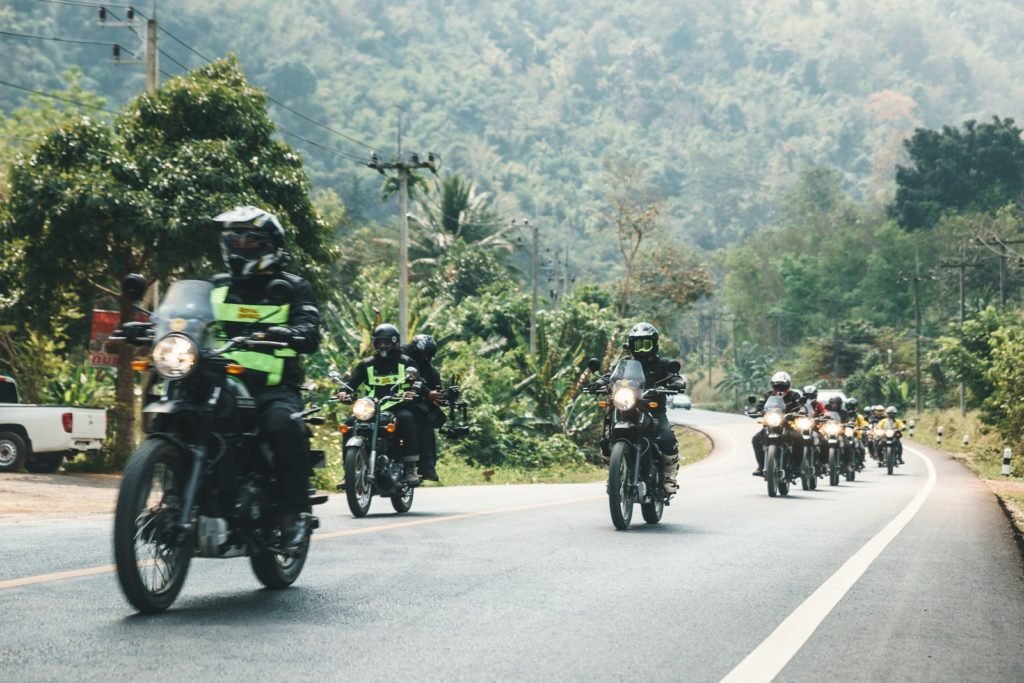
Nestled in the northernmost reaches of Vietnam, the Ha Giang province beckons adventurous souls seeking to venture off the beaten path. The Ha Giang Loop, a captivating Hagiang motorbike tour through the province’s rugged landscapes and remote villages, has become a bucket-list experience for travelers seeking an authentic and awe-inspiring adventure. In this article, we will delve into the reasons why a Ha Giang Loop motorbike tour is an absolute must for intrepid explorers, offering an unforgettable journey through Vietnam’s hidden gem.
May 28, 2025
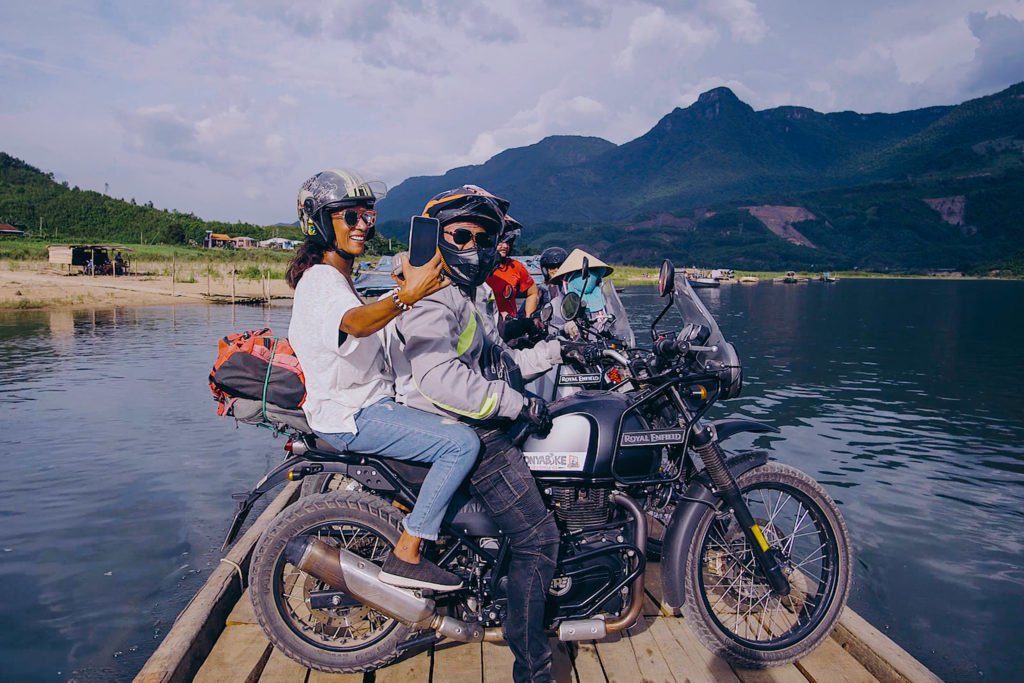
Du Gia is a remote and beautiful village located in the Ha Giang province of northern Vietnam. It is part of the Quan Ba district and is renowned for its stunning landscapes, ethnic diversity, and serene surroundings. Du Gia is increasingly becoming a popular destination for travelers seeking an off-the-beaten-path experience and a chance to immerse themselves in the authentic culture of Vietnam’s highlands.
May 28, 2025
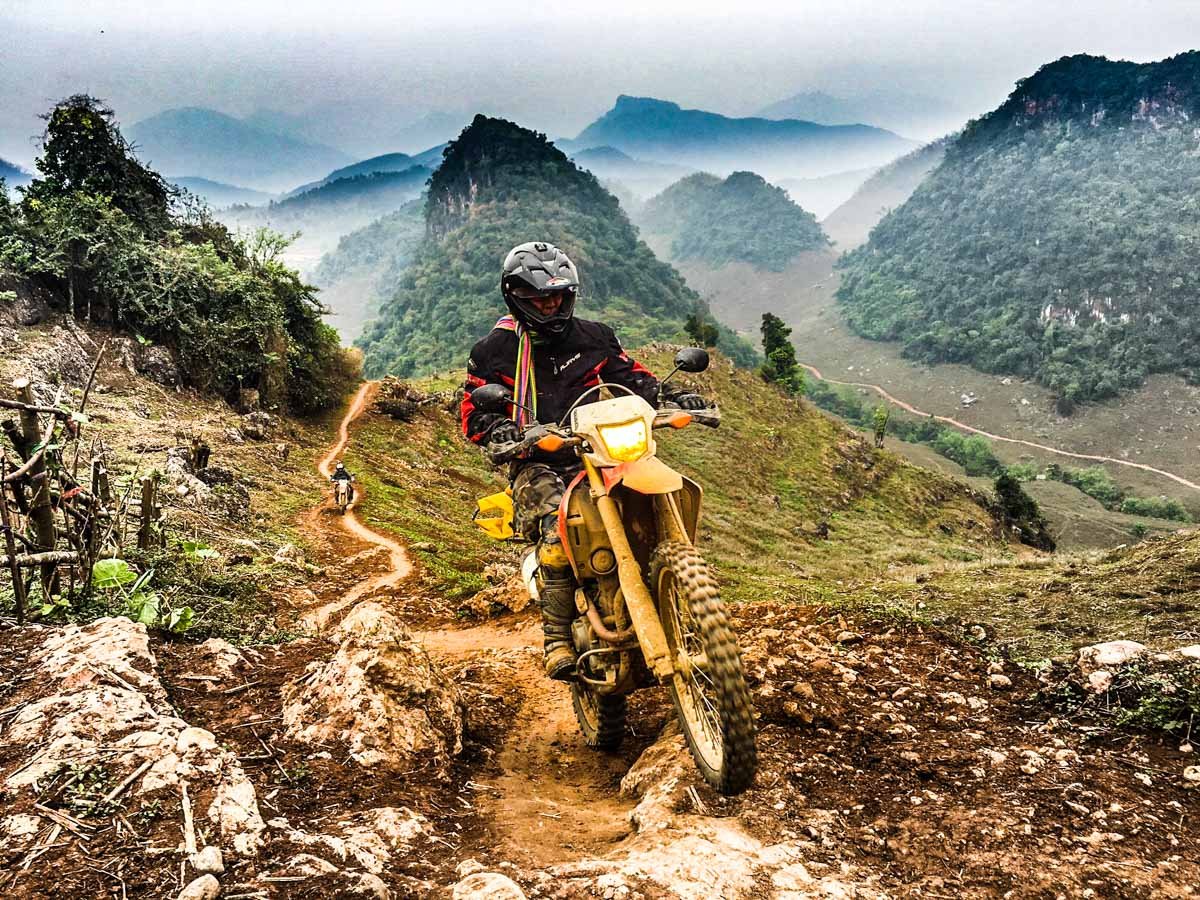
The Mekong Delta, nestled in the southern part of Vietnam, is a land of enchanting beauty and cultural richness. A motorbike tour from Ho Chi Minh City to the Mekong Delta is an unforgettable adventure that offers travelers a chance to immerse themselves in the authentic charm of Vietnam’s countryside. This journey takes you through lush landscapes, tranquil waterways, and traditional villages, providing an unparalleled experience of local life and nature’s wonders. In this article, we will explore the top reasons why embarking on a motorbike tour to the Mekong Delta is a must-do for any traveler seeking a unique and enriching experience in Vietnam.
May 28, 2025
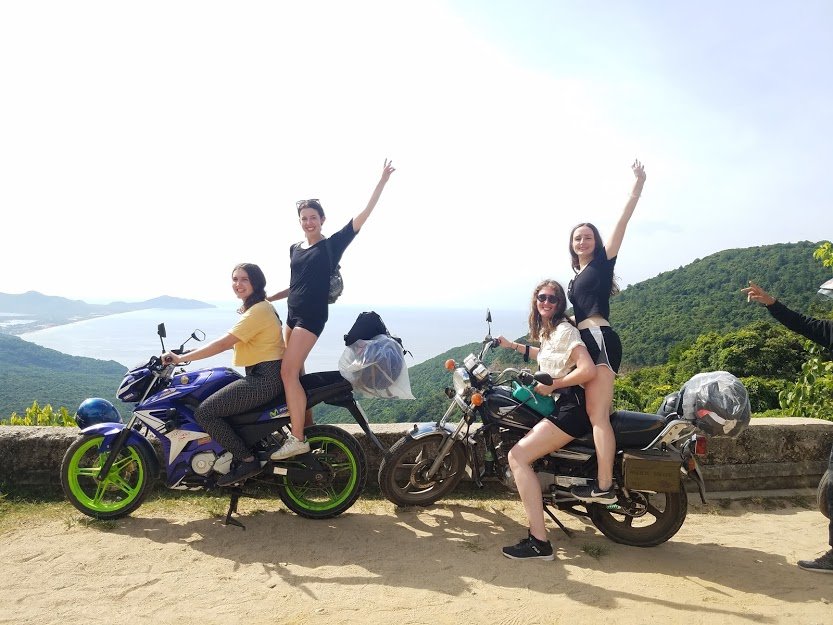
The Mekong Delta, a captivating region in southern Vietnam, entices travelers with its picturesque landscapes, traditional river life, and vibrant cultural heritage. Riding motorcycles from Saigon to the Mekong Delta is an extraordinary journey that offers a unique perspective of this enchanting destination. However, choosing the right time to embark on this adventure is crucial for an unforgettable experience. In this article, we will delve into the best time to ride motorcycles to the Mekong Delta from Saigon, considering weather conditions, cultural events, and the region’s seasonal highlights.
May 28, 2025
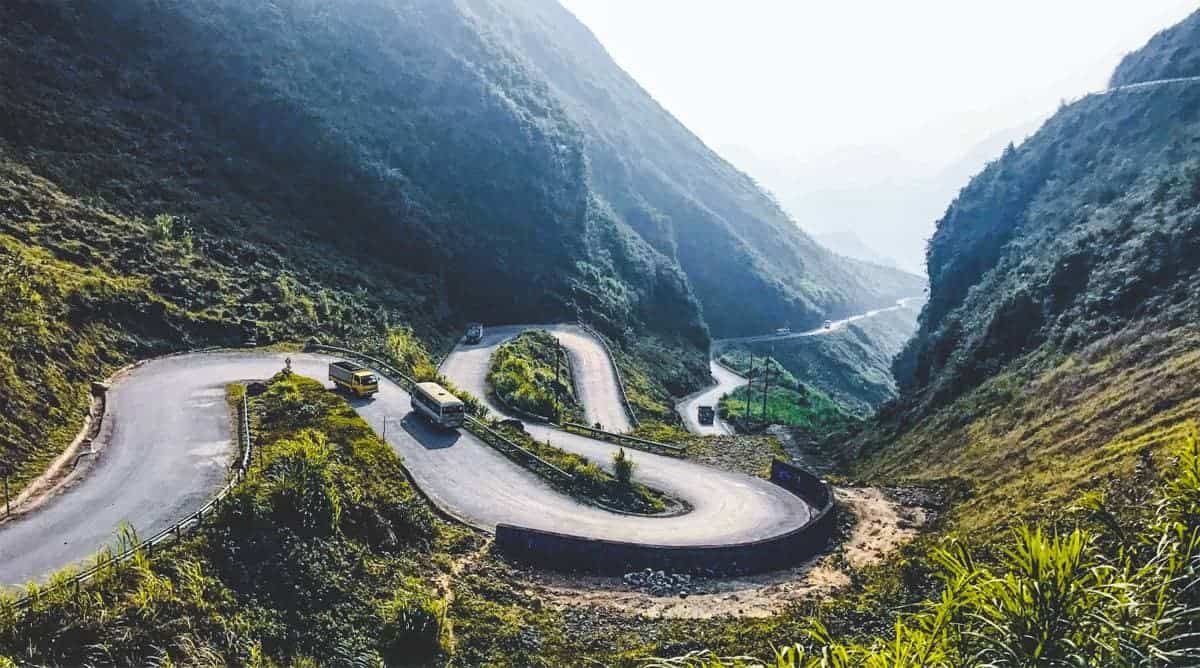
The Mekong Delta, a captivating region in southern Vietnam, offers a tapestry of cultural wonders, breathtaking landscapes, and traditional river life. Embarking on a motorcycle adventure through this enchanting destination allows you to explore hidden gems and immerse yourself in the authentic charm of Vietnam’s countryside. In this article, we will unveil the top attractions and must-see destinations in the Mekong Delta, guiding you through a memorable journey that showcases the region’s rich heritage and natural beauty.
May 28, 2025
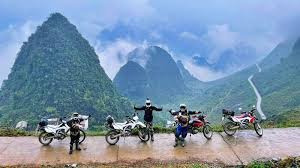
The Ho Chi Minh Trail, a historical network of roads that crisscrosses Vietnam, is not only a symbol of the nation’s resilience but also a gateway to its natural beauty and cultural riches. For motorcycle enthusiasts and adventure seekers, riding along the Ho Chi Minh Trail offers an extraordinary journey through diverse landscapes, ancient sites, and authentic local experiences. In this article, we will take you on a virtual tour along the Ho Chi Minh Trail, unveiling the must-see destinations and hidden gems scattered throughout Vietnam.
May 28, 2025
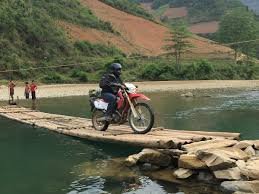
For foreigners residing in Vietnam, obtaining a Vietnamese driving license is essential for legal and safe driving in the country. While it might seem like a daunting process, the Vietnamese government has streamlined the procedure to make it accessible for expatriates. In this comprehensive guide, we will walk you through the step-by-step process of acquiring a Vietnamese driving license, ensuring you have all the necessary documents and knowledge to navigate the roads confidently and legally.
May 28, 2025
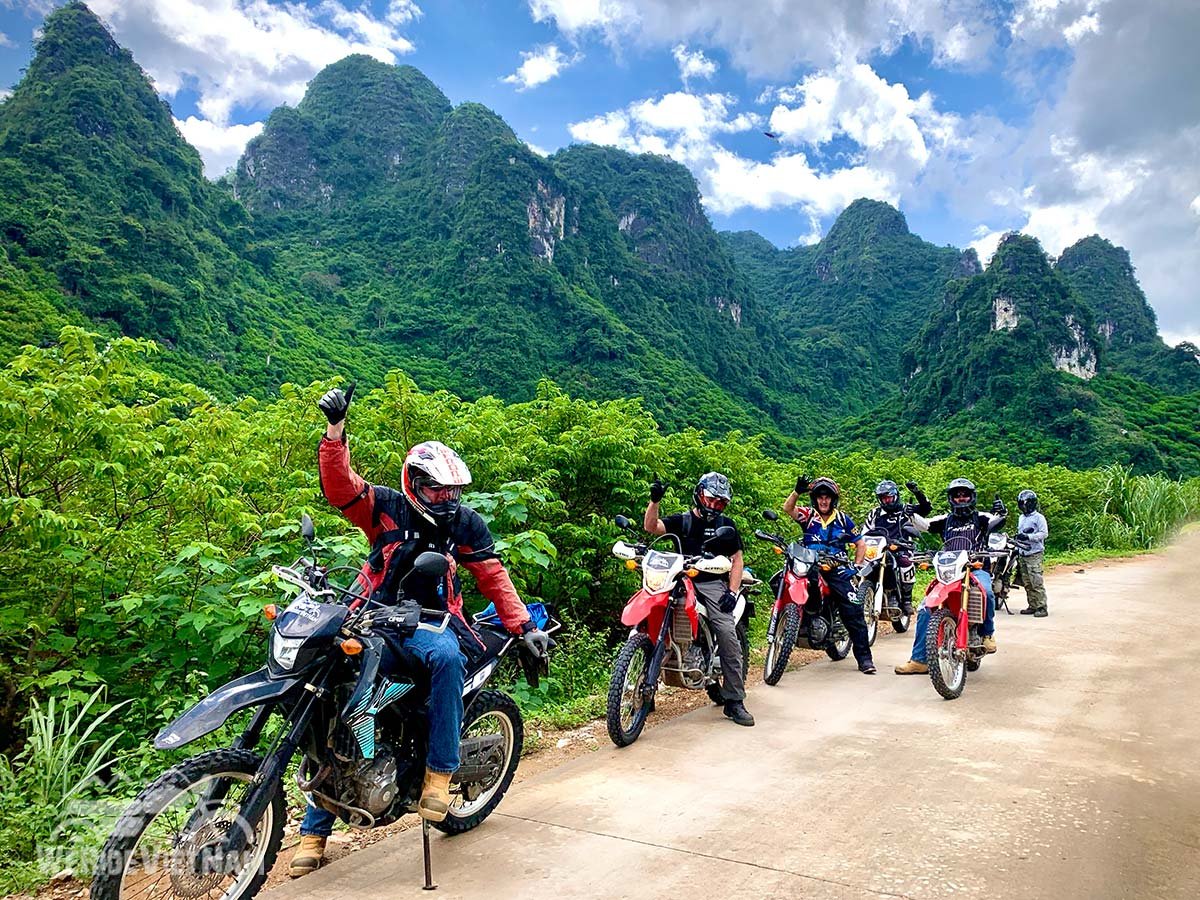
Foreigners can possess third-party insurance for riding motorbikes in Vietnam by purchasing a policy from a reputable insurance company in the country. Third-party insurance, also known as liability insurance, covers any damages or injuries caused to third parties (other people or property) in the event of an accident. It is a legal requirement for motorbike riders in Vietnam, including foreigners. As of my last update in September 2021, the conditions for foreigners to possess third-party insurance while riding motorbikes in Vietnam are as follows:
May 28, 2025

As of my last update in September 2021, Vietnam does not issue International Driving Permits (IDPs) within the country. Instead, you should obtain an IDP from your home country before traveling to Vietnam. Here’s how foreigners can convert their foreign driving licenses into an International Driving Permit:
May 28, 2025
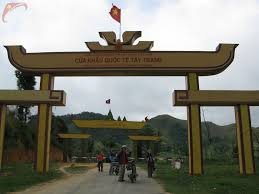
There are several border crossings, also known as border gates, between Vietnam and Laos where people can ride motorcycles through. Here are some of the major border crossings that allow motorcycle travel between the two countries:
May 28, 2025
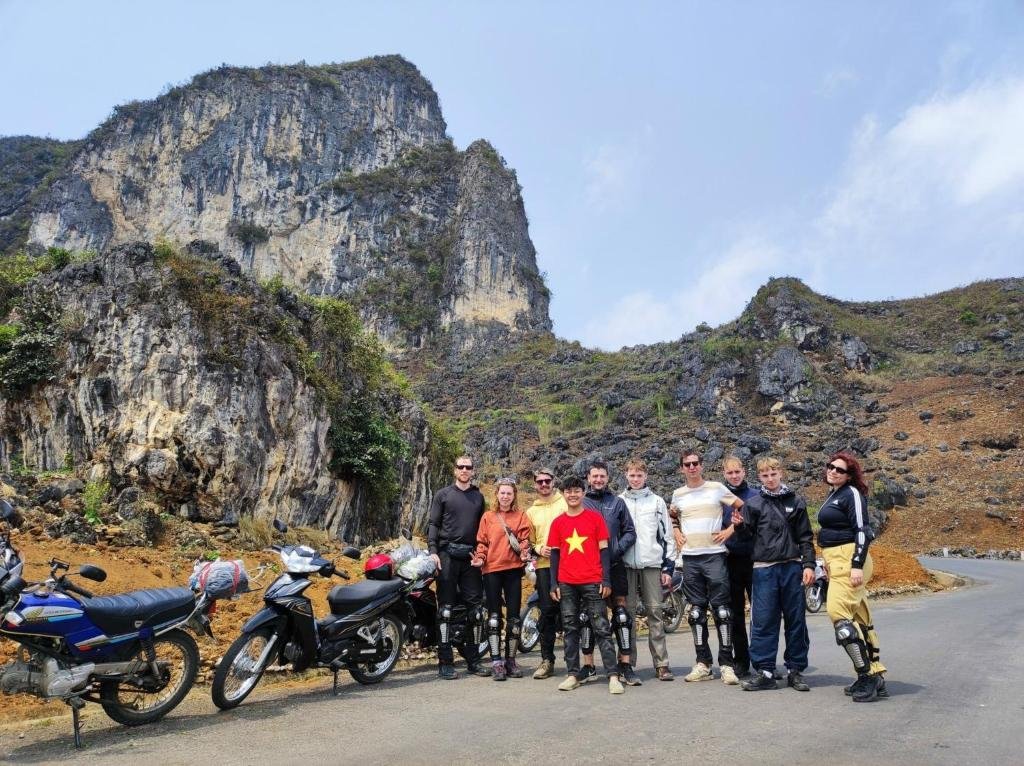
A cool breeze ruffling your hair, the faint scent of exotic flowers in the air, and endless vistas of lush green mountains. If you’re an adventurous soul seeking an extraordinary experience, a cross-border motorbike tour from Vietnam to Laos might just be your next epic journey. In this article, we’re going to delve into the captivating reasons why you should consider embarking on this unforgettable adventure.
May 28, 2025
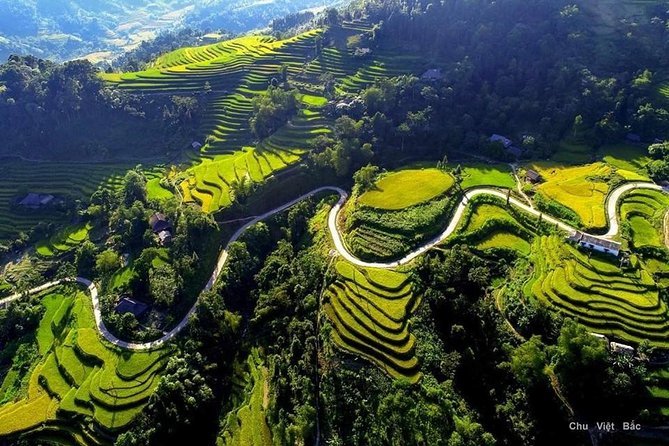
When it comes to embarking on an epic cross-border motorcycle from Vietnam to Laos, timing is everything. The weather, road conditions, and the overall experience can vary significantly based on the time of year you choose to hit the open road. In this comprehensive guide, we’ll delve into the best times to undertake this thrilling adventure, taking into account both safety and the kind of experience you’re seeking.
May 28, 2025
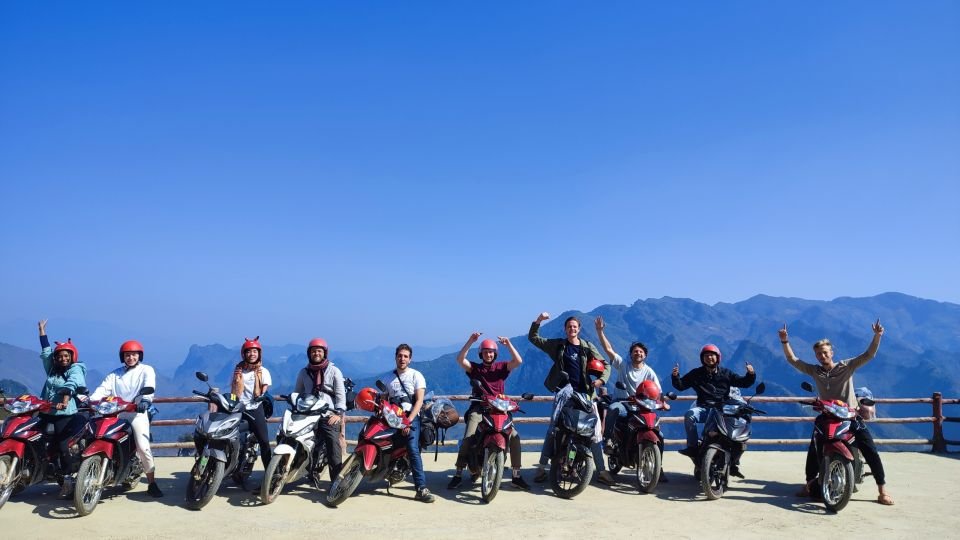
There’s something undeniably alluring about the idea of riding your motorcycle through picturesque landscapes, venturing beyond borders, and experiencing the thrill of the open road. For those seeking an adventure like no other, a cross-border motorcycle journey from Vietnam to Laos promises to be an unforgettable experience. In this comprehensive guide, we’ll walk you through the ins and outs of making this thrilling trip a reality.
May 28, 2025
Engaging in an adventure motorcycle tour from Vietnam to Laos is an exciting endeavor, but it’s essential to be well-prepared and aware of the challenges involved. This type of journey is best suited for certain individuals or groups with specific characteristics and preferences. Here are some considerations for who should be engaging in such a tour:
May 28, 2025
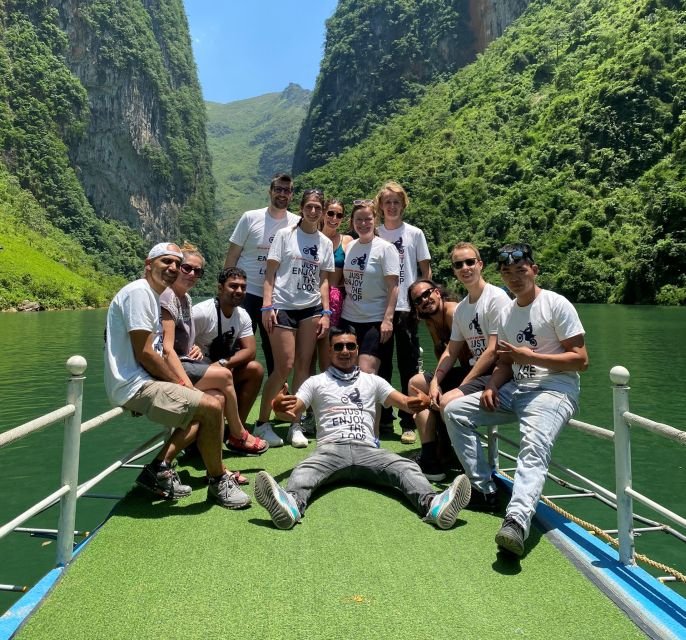
Converting a foreign driving license into a Vietnamese driving license typically involves a process of verification and meeting certain requirements. The specific requirements and procedures may vary, so it’s essential to confirm the details with the local authorities or the nearest Vietnamese Embassy or Consulate. For foreigners who are residing stably for a long-time work like engineers, experts, high-skilled workers … this driving conversion would be much easier & more convenient but for those who are just regular foreign tourists, things would become hardly feasible due to some complicated legal procedures.
May 28, 2025
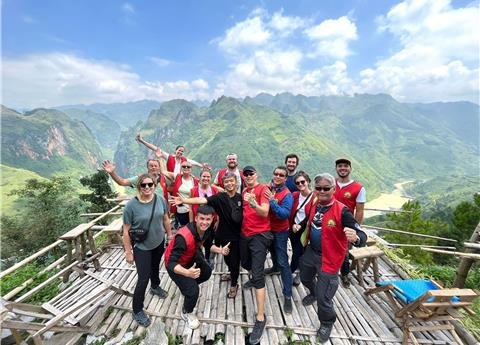
For foreigners residing in Vietnam, obtaining a Vietnamese driving license is essential for legal and safe driving in the country. While it might seem like a daunting process, the Vietnamese government has streamlined the procedure to make it accessible for expatriates. In this comprehensive guide, we will walk you through the step-by-step process of acquiring a license, ensuring you have all the necessary documents and knowledge to navigate the roads confidently and legally.
May 28, 2025
A homestay is a form of accommodation where travelers stay in the homes of local residents or families rather than in traditional hotels, hostels, or resorts. They provide travelers with the opportunity to stay with local families, learn about their culture, witness the way of life in rural and ethnic minority communities, experience daily life from a resident’s perspective, and often enjoy warm hospitality and authentic cuisine.
May 28, 2025
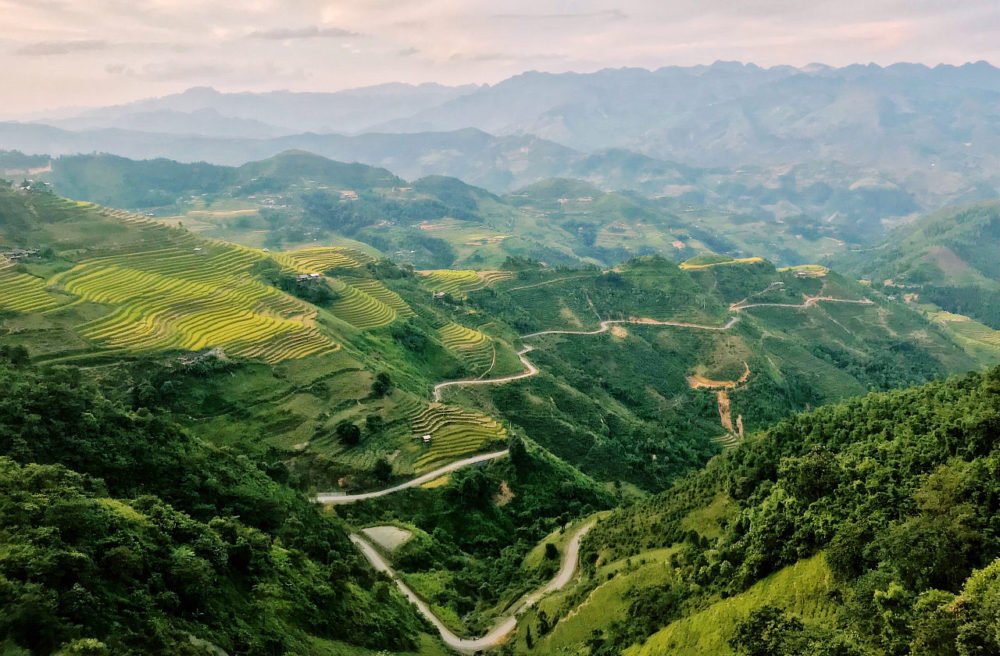
Accommodations for motorbike tours In Vietnam cater to a diverse range of preferences and budgets. Whether you’re looking for luxury hotels, budget-friendly hostels, or immersive homestays, Vietnam has something to offer for every type of traveler. Here are some general points about accommodation options in Vietnam:
May 28, 2025
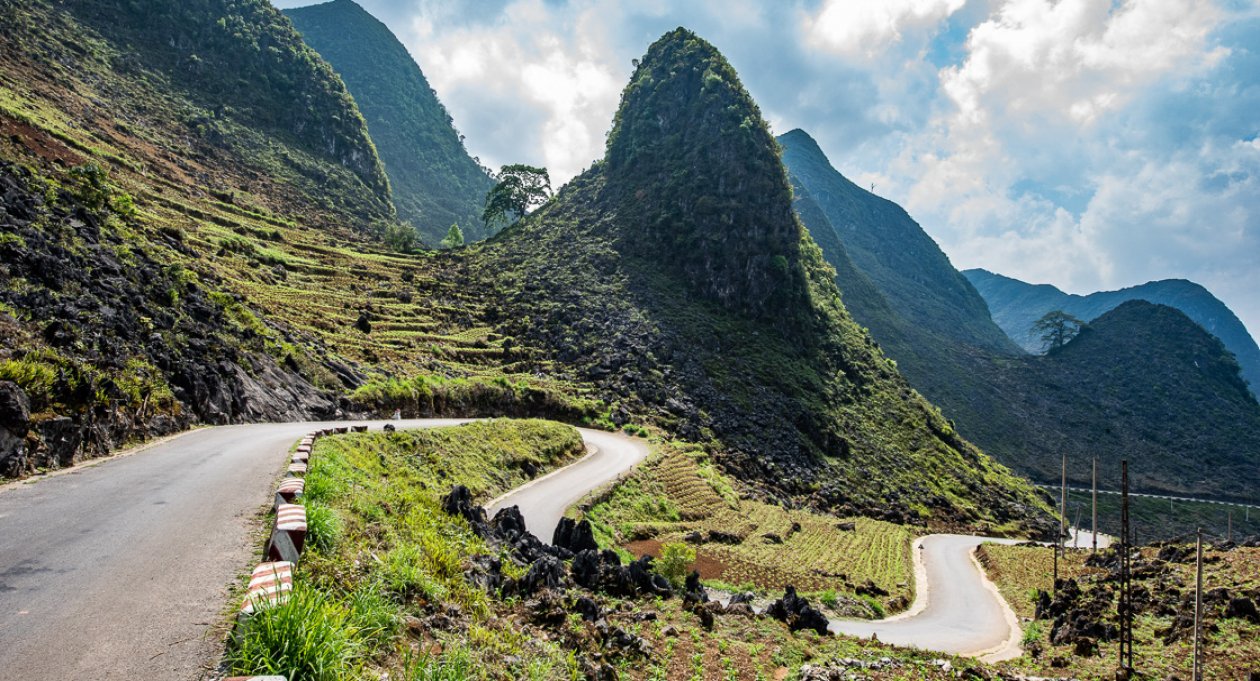
The geographical tapestry between Vietnam and Cambodia is a vibrant mosaic shaped by diverse landscapes, intertwined river systems, and strategic locations within Southeast Asia. At the heart of this geographical interplay lies the majestic Mekong River, a lifeblood connecting the two nations and influencing their shared history, economic ties, and cultural exchanges.
May 28, 2025
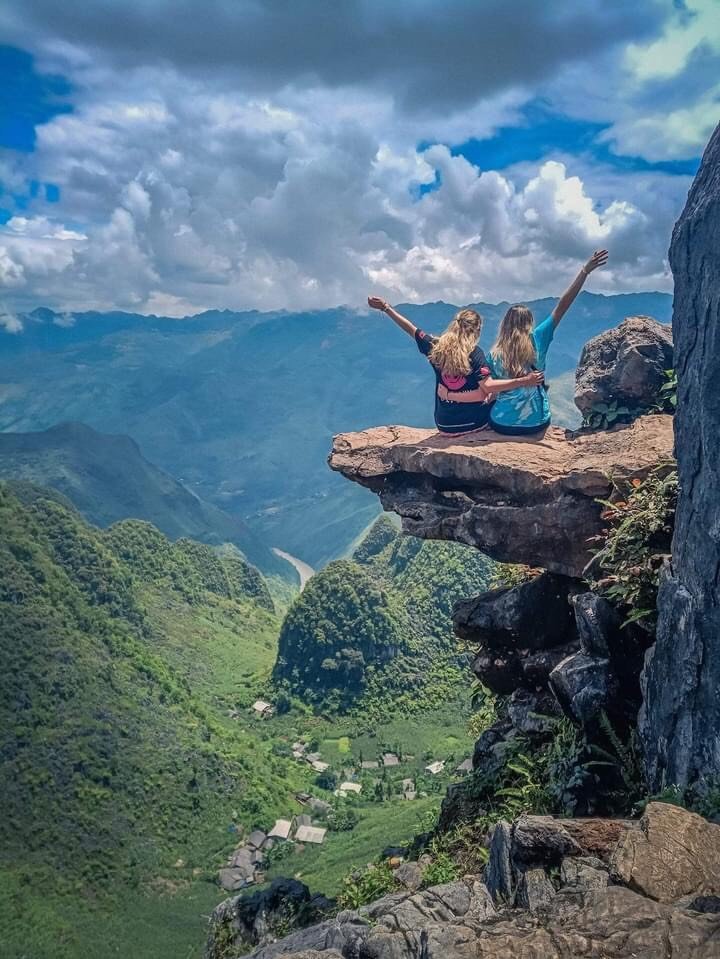
Embarking on a motorcycle adventure from Hanoi to Ha Giang is an immersive journey through the beating heart of Northern Vietnam. This scenic route, punctuated by the bustling capital of Hanoi and culminating in the rugged charm of Ha Giang, promises a tapestry of experiences for riders seeking the ultimate road trip. In this comprehensive guide, we unravel the myriad reasons why riding motorcycles from Hanoi to Ha Giang is an expedition worth every twist of the throttle.
May 28, 2025