15 Ng. 100 Đ. Nguyễn Xiển, Thanh Xuân Nam, Thanh Xuân, Hà Nội 100000


15 Ng. 100 Đ. Nguyễn Xiển, Thanh Xuân Nam, Thanh Xuân, Hà Nội 100000
Sumatra, Indonesia – the very name conjures images of raw, untamed wilderness, where ancient rainforests teem with endangered wildlife, majestic volcanoes pierce the clouds, and cultures steeped in tradition thrive amidst breathtaking landscapes. As the sixth-largest island in the world and the largest island entirely within Indonesia, Sumatra is a realm of unparalleled natural beauty and immense biodiversity, offering an adventure unlike any other in Southeast Asia.
Beyond its well-known neighbor, Java, Sumatra stands as a testament to nature's grandeur and the enduring spirit of its diverse peoples. It's a land where the critically endangered Sumatran orangutan swings freely through the canopy, where the serene expanse of Lake Toba cradles a unique Batak culture, and where the echoes of seismic activity have shaped a dramatic, fertile landscape. For the discerning traveler seeking genuine encounters with wildlife, challenging treks, profound cultural immersion, and off-the-beaten-path exploration, Sumatra is not just a destination; it is an unforgettable expedition into Indonesia's wild heart.
Sumatra's dramatic landscape is a direct result of its position along the Pacific Ring of Fire, a hotbed of volcanic and seismic activity. This geological dynamism has shaped its towering mountains, crater lakes, and fertile plains, while its strategic location on ancient trade routes has influenced its rich history and diverse cultures.
Running for over 1,700 kilometers (1,050 miles) along the western side of Sumatra, the Barisan Mountains form the island's backbone. This volcanic range is home to numerous active and dormant volcanoes, including the iconic Mount Kerinci (Indonesia's highest volcano), and has created the fertile soils that sustain Sumatra's lush rainforests and agricultural lands. The seismic activity along this fault line is also responsible for devastating events like the 2004 Indian Ocean tsunami, a powerful reminder of nature's immense power.
From ancient times, Sumatra's strategic location along key maritime trade routes between India, China, and the Middle East fostered the rise of powerful kingdoms.
Srivijaya Empire (7th-13th centuries): Centered around Palembang in South Sumatra, the Srivijaya Empire was a formidable thalassocracy (maritime empire) that dominated trade in Southeast Asia. It was a significant Buddhist kingdom, playing a crucial role in spreading Buddhism throughout the region and attracting pilgrims and scholars.
Melayu Kingdom: Another important kingdom, particularly known for its strong influence on the Malay language and culture that spread across the archipelago.
Rise of Islam: From the 13th century onwards, Islam gradually spread through Sumatra, primarily through Arab and Indian traders. Islamic sultanates, such as Aceh in the north, became powerful centers of trade and religious learning, eventually becoming the dominant religion across most of the island.
European powers, drawn by Sumatra's valuable resources (spices, tin, rubber, coffee, palm oil), began establishing their presence from the 16th century. The Dutch East India Company (VOC) eventually gained control over much of the island, a process that was often met with fierce resistance, particularly from the Acehnese in the north, who waged a protracted war against Dutch rule for decades.
During World War II, Sumatra, like the rest of Indonesia, was occupied by Japanese forces (1942-1945). Following Japan's surrender, Indonesia declared its independence on August 17, 1945, igniting a four-year struggle against returning Dutch forces. Sumatra played a crucial role in this nationalist movement, contributing significantly to the birth of the Republic of Indonesia.
Today, Sumatra remains a vital part of Indonesia, a mosaic of vibrant cultures, stunning natural beauty, and challenging environmental concerns as it navigates the balance between development and conservation.
Sumatra is a vast island, roughly the size of California, and is best explored by focusing on its distinct regions, each offering unique attractions and experiences.
North Sumatra is perhaps the most popular region for international tourists, thanks to its iconic wildlife and stunning volcanic landscapes.
Bukit Lawang:
Orangutan Sanctuary: The quintessential Sumatran experience. Bukit Lawang is the gateway to Gunung Leuser National Park, a UNESCO World Heritage Site and one of the last remaining strongholds for the critically endangered Sumatran orangutan.
Jungle Treks: Embark on unforgettable multi-day treks into the rainforest to spot semi-wild and wild orangutans, as well as other primates like Thomas Leaf monkeys, gibbons, and macaques.
Ecotourism Model: Bukit Lawang is a successful example of ecotourism where local guides (many reformed loggers) directly benefit from tourism, fostering conservation efforts.
River Tubing: A thrilling way to descend the Bahorok River after a trek.
Golden Trail Travel Note: Planning an ethical orangutan encounter is crucial. Golden Trail Travel specializes in organizing responsible and well-guided jungle treks in Bukit Lawang, ensuring a memorable and sustainable wildlife experience. Visit https://goldentrailtravel.com/ to learn more.
Lake Toba & Samosir Island:
Volcanic Lake: The largest volcanic lake in the world, formed by a supervolcano eruption approximately 75,000 years ago. It's an immense, serene body of water with Samosir Island rising majestically from its center.
Batak Culture: Samosir Island is the heartland of the Batak Toba people, known for their unique culture, distinctive architecture (traditional boat-shaped houses called rumah adat), spiritual beliefs, and beautiful vocal music.
Cultural Exploration: Visit traditional villages like Tomok and Ambarita on Samosir Island to see ancient stone chairs, royal tombs, and learn about Batak history and customs.
Relaxation: Lake Toba offers a tranquil escape, perfect for swimming, kayaking, or simply enjoying the breathtaking scenery.
Berastagi:
Highland Retreat: A picturesque highland town known for its cool climate, fresh produce, and proximity to active volcanoes.
Mount Sibayak & Mount Sinabung: Trek to the crater of Mount Sibayak, a relatively accessible active volcano with steaming vents. Mount Sinabung is another active volcano, often visible from Berastagi, though trekking is usually restricted due to its activity.
Markets & Hot Springs: Explore the vibrant fruit and flower market, and relax in the nearby natural hot springs.
Medan:
Provincial Capital: North Sumatra's bustling capital and a major entry point to the island.
Colonial Architecture: Explore remnants of its Dutch colonial past, including the Maimun Palace (Sultan of Deli's palace) and the Grand Mosque.
Culinary Delights: Medan is renowned for its diverse culinary scene, a melting pot of Malay, Chinese, and Indian influences. Don't miss Soto Medan or Bika Ambon.
West Sumatra is characterized by the unique Minangkabau culture, renowned for its matrilineal social system, distinctive horned-roof architecture (rumah gadang), and delicious Padang cuisine.
Padang:
Gateway City: The capital of West Sumatra, serving as the main entry point to the region.
Culinary Capital: Padang is synonymous with Nasi Padang, a style of serving a variety of pre-cooked dishes from which diners select what they want. It's famous for its spicy and rich flavors.
Bukittinggi:
Highland Charm: A cool, charming highland town nestled among volcanoes.
Ngarai Sianok (Sianok Canyon): A breathtaking canyon offering stunning views and trekking opportunities.
Jam Gadang: The iconic clock tower, a landmark of the city.
Bung Hatta Palace: The former presidential residence.
Lake Maninjau:
Scenic Volcanic Lake: A beautiful, serene volcanic lake reached by driving down a winding road with 44 hairpin bends (Kelok 44), offering spectacular views. Perfect for quiet relaxation, swimming, and cycling.
Harau Valley (Lembah Harau):
Towering Cliffs and Waterfalls: A stunning natural reserve with towering granite cliffs, lush rice fields, and numerous waterfalls, reminiscent of Yosemite. Popular for rock climbing and nature walks.
South Sumatra holds significant historical importance as the seat of the ancient Srivijaya Empire and is now a center for resource industries.
Palembang:
Ancient Capital: One of the oldest cities in Indonesia, the former capital of the mighty Srivijaya Empire.
Ampera Bridge: The iconic symbol of Palembang, a towering bridge spanning the Musi River.
Floating Market: Explore the lively floating market on the Musi River.
Pulo Kemaro: A small island in the Musi River with a Chinese temple.
Sumatra's other provinces offer even more intrepid adventures for those willing to venture further.
Aceh (Northernmost Sumatra):
Cultural Uniqueness: A deeply Islamic province with strong adherence to Sharia law, boasting a unique culture and history of fierce independence.
Tsunami Museum: A poignant and powerful tribute to the victims and survivors of the 2004 tsunami.
Pulau Weh (Sabang): A tranquil island off the coast of Aceh, famous for its pristine diving and snorkeling sites, especially around Kilometer Zero, the westernmost point of Indonesia.
Kerinci Seblat National Park (Across Multiple Provinces):
Tiger Stronghold: One of the largest national parks in Sumatra, and a critical habitat for Sumatran tigers, rhinos, elephants, and clouded leopards.
Mount Kerinci: Indonesia's highest volcano (3,805m), offering challenging multi-day treks and incredible views.
Lake Kerinci: A beautiful highland lake.
Mentawai Islands (Off West Sumatra Coast):
Surfer's Paradise: A world-renowned destination for experienced surfers, famous for its consistent and perfect waves.
Indigenous Culture: Home to the indigenous Mentawai people, known for their unique spiritual beliefs, body modifications, and traditional way of life.
Sumatra is a fascinating mosaic of ethnic groups, each with its own language, customs, and artistic expressions.
Batak Culture (North Sumatra): Defined by their distinct communal houses (rumah adat), intricate funeral ceremonies, strong family ties, and vibrant vocal music.
Minangkabau Culture (West Sumatra): Unique for its matrilineal society, where lineage and inheritance are traced through the mother's side. Their rumah gadang architecture with distinctive horned roofs is instantly recognizable.
Malay Culture: Found along the coastal areas, sharing linguistic and cultural ties with Malay populations across Southeast Asia.
Acehnese Culture (Northernmost Sumatra): Deeply rooted in Islamic traditions, with a strong emphasis on religious scholarship and a history of fierce independence.
Indigenous Tribes: Various indigenous groups like the Mentawai people (off West Sumatra) maintain traditional animistic beliefs and lifestyles in more remote areas.
This cultural diversity is reflected in Sumatra's delicious cuisine, traditional music, dance forms, elaborate ceremonies, and vibrant local markets.
Sumatra is an island for intrepid travelers, and proper planning is key to a rewarding and safe adventure.
Visa Requirements: Check Indonesia's visa regulations based on your nationality. Many countries have visa-free entry for tourism for up to 30 days.
Currency: Indonesian Rupiah (IDR). ATMs are available in major cities (Medan, Padang, Palembang, Pekanbaru), but carry enough cash for rural areas and smaller transactions.
Language: Bahasa Indonesia is the official language. English is sparingly spoken outside major tourist hubs; learning a few basic Indonesian phrases is highly recommended and appreciated.
Connectivity: Mobile signal is generally good in cities, but can be limited or non-existent in remote jungle areas or on smaller islands. Wi-Fi is available in most hotels.
Transportation:
Flights: Major airports include Medan (KNO), Padang (PDG), Palembang (PLM), and Pekanbaru (PKU). Domestic flights are the most efficient way to travel between regions.
Long-Distance Buses: Connect cities but can be slow and less comfortable.
Trains: Limited train network, mainly in South Sumatra and between Medan and Pematangsiantar (near Lake Toba).
Private Car with Driver: Highly recommended for inter-city travel within a region and for visiting attractions, offering flexibility and comfort. Golden Trail Travel can arrange reliable transport.
Motorbike: Popular for independent exploration, but be aware of traffic conditions and road quality.
Best Time to Visit:
Dry Season (May to September): Generally the best time for jungle treks (Bukit Lawang) and outdoor activities, with less rain and more comfortable temperatures.
Wet Season (October to April): Brings more rain, often in short, heavy bursts. Landscapes are lush, and waterfalls are fuller. Treks are still possible but trails can be muddier.
Dress Code:
Modesty: Sumatra is predominantly Muslim. Dress modestly, especially outside tourist resorts. Shoulders and knees should be covered, particularly when visiting religious sites or traditional villages.
Comfort: Lightweight, breathable clothing is essential due to the tropical climate.
Trekking: Sturdy hiking shoes, long pants, and long-sleeved shirts are crucial for jungle treks (protection against insects, scratches, and sun).
Volcano Treks: Layers, warm clothing, and headlamps for early morning ascents, as it can be very cold at high altitudes.
Health & Safety:
Vaccinations: Consult your doctor about recommended vaccinations for Indonesia, especially for a jungle environment (e.g., Hepatitis A & B, Typhoid, Tetanus, Rabies if working with animals).
Malaria: Some areas of Sumatra (particularly rural/jungle areas) are considered malaria risk zones. Discuss prophylaxis with your doctor and always use strong insect repellent.
Dengue Fever: A risk throughout the island; use repellent consistently.
Drink Bottled Water: Always.
Food Safety: Be mindful of street food hygiene.
Travel Insurance: Comprehensive travel insurance is highly recommended.
Respect Local Customs: Be polite, use your right hand for giving and receiving, and remove your shoes when entering homes or mosques.
Ethical Wildlife Encounters: If visiting wildlife areas, choose tour operators who prioritize the animals' welfare and follow strict ethical guidelines (e.g., no feeding, no touching, maintaining distance). Golden Trail Travel is committed to responsible tourism practices.
Book in Advance: Especially during peak season (July-August, December) and for popular activities like orangutan treks or specific accommodations, book well in advance.
Sumatra's vastness and the complexity of its terrain can make independent travel challenging for first-time visitors. Let Golden Trail Travel be your expert guide in crafting an extraordinary and responsible expedition across this magnificent island.
With Golden Trail Travel, you can effortlessly arrange:
Customized Sumatran Adventures: Whether your dream is to trek with orangutans in Bukit Lawang, discover the serene beauty of Lake Toba, immerse yourself in Minangkabau culture, or embark on a daring volcano ascent, they can design a personalized itinerary tailored to your interests, budget, and adventure level.
Seamless Logistics: From comfortable airport transfers (e.g., from Medan's KNO airport) and diverse accommodations to reliable local transport (private cars, domestic flights) and certified, knowledgeable local guides, Golden Trail Travel handles every detail, ensuring a stress-free journey.
Responsible Tourism: They are committed to working with local operators and guides who adhere to strict ethical guidelines for wildlife encounters and community engagement, ensuring your visit positively contributes to conservation and local livelihoods.
Expert Local Knowledge: Benefit from their deep understanding of Sumatra's hidden gems, best routes, cultural nuances, and safety considerations, ensuring an authentic and enriching experience.
Hassle-Free Booking: Easily plan and book your entire Sumatra adventure online through their user-friendly platform.
Visit https://goldentrailtravel.com/ today to begin planning your unforgettable journey to Sumatra – Indonesia's wild heart, where epic adventures and profound cultural encounters await!
Travelers consistently leave Sumatra with awe-inspiring stories, captivated by its raw beauty, incredible wildlife, and vibrant cultures.
"Sumatra was an absolute revelation! The orangutan trek in Bukit Lawang was a life-changing experience – seeing them in their natural habitat was simply breathtaking. Lake Toba was so serene and beautiful, and learning about the Batak culture was fascinating. This island is truly special and feels wonderfully untouched. Golden Trail Travel organized everything perfectly from start to finish." - Sarah M., Germany
"If you're looking for real adventure and authentic cultural immersion, Sumatra is your place. We hiked Sibayak volcano, explored the amazing Minangkabau architecture in Bukittinggi, and ate some of the best food of our lives. It's a challenging but incredibly rewarding destination. Our private driver arranged by https://goldentrailtravel.com/ was invaluable." - David P., United States
"The sheer scale of Lake Toba is mind-blowing. Spending a few days on Samosir Island, cycling around, and visiting the traditional villages was incredibly relaxing and culturally enriching. The people are so friendly and welcoming. It's a definite must-see in Indonesia." - Emily R., Australia
"Aceh was a powerful experience, especially the Tsunami Museum, which offers such a moving tribute. Then heading to Pulau Weh for some incredible diving was the perfect contrast. Sumatra offers so much diversity. It's truly a destination for the adventurous soul." - Liam C., United Kingdom
"My trip to Sumatra, particularly Bukit Lawang, filled me with hope for conservation. Seeing the efforts to protect the orangutans and how tourism supports the local community was inspiring. The jungle is alive, and every step was an adventure. I'd highly recommend it to anyone who wants to connect with nature on a deeper level." - Maria G., Brazil
Q1: What is Sumatra known for? A1: Sumatra is known for its vast, untamed rainforests, critically endangered wildlife (especially Sumatran orangutans, tigers, elephants, rhinos), majestic volcanoes, volcanic lakes (like Lake Toba), and diverse indigenous cultures (Batak, Minangkabau, Acehnese).
Q2: What is the best time to visit Sumatra? A2: The dry season, from May to September, is generally the best time to visit Sumatra, offering ideal weather for jungle treks, volcano hikes, and other outdoor activities.
Q3: How do I get to Sumatra? A3: The main international gateway is Kualanamu International Airport (KNO) in Medan, North Sumatra. Other major airports include Padang (PDG) in West Sumatra and Palembang (PLM) in South Sumatra, with domestic connections.
Q4: What are the must-see attractions in North Sumatra? A4: Key attractions include Bukit Lawang (for orangutan treks in Gunung Leuser National Park), Lake Toba and Samosir Island (for volcanic scenery and Batak culture), and Berastagi (for volcanoes and highland charm).
Q5: What unique cultural experiences does Sumatra offer? A5: Experience Batak culture around Lake Toba, Minangkabau culture (known for matrilineal society and unique architecture) in West Sumatra, and Acehnese culture in the north. Engage with traditional music, dance, and cuisine.
Q6: Is it safe to trek in the Sumatran jungle? A6: Yes, it is generally safe when you go with a licensed and experienced local guide. Guides ensure your safety, know the terrain, and understand animal behavior. Always follow their instructions.
Q7: Can I see Sumatran tigers in the wild? A7: While Sumatran tigers inhabit the rainforests (e.g., Kerinci Seblat National Park), sightings are extremely rare for standard tourist treks as they are highly elusive and critically endangered.
Q8: What kind of food should I try in Sumatra? A8: Don't miss Nasi Padang (West Sumatra), Soto Medan (North Sumatra), Bika Ambon, and various fresh seafood dishes along the coasts.
Q9: How should I dress when traveling in Sumatra? A9: Dress modestly, especially outside tourist resorts and when visiting religious sites or traditional villages (shoulders and knees covered). Light, breathable clothing is essential. For treks, wear sturdy shoes and long-sleeved attire.
Q10: Can Golden Trail Travel help plan a Sumatra trip? A10: Yes, Golden Trail Travel specializes in crafting customized and responsible tours across Sumatra, including airport transfers, guided treks (like Bukit Lawang), cultural experiences, and accommodation. Visit https://goldentrailtravel.com/ for more information.
Q11: Are there good surfing spots in Sumatra? A11: Yes, the Mentawai Islands off the coast of West Sumatra are world-renowned for their consistent and perfect waves, making them a top destination for experienced surfers.
Q12: Is Sumatra suitable for solo travelers? A12: Sumatra can be a fantastic destination for solo travelers, particularly those seeking adventure and cultural immersion. Booking tours with reputable operators can enhance safety and convenience.
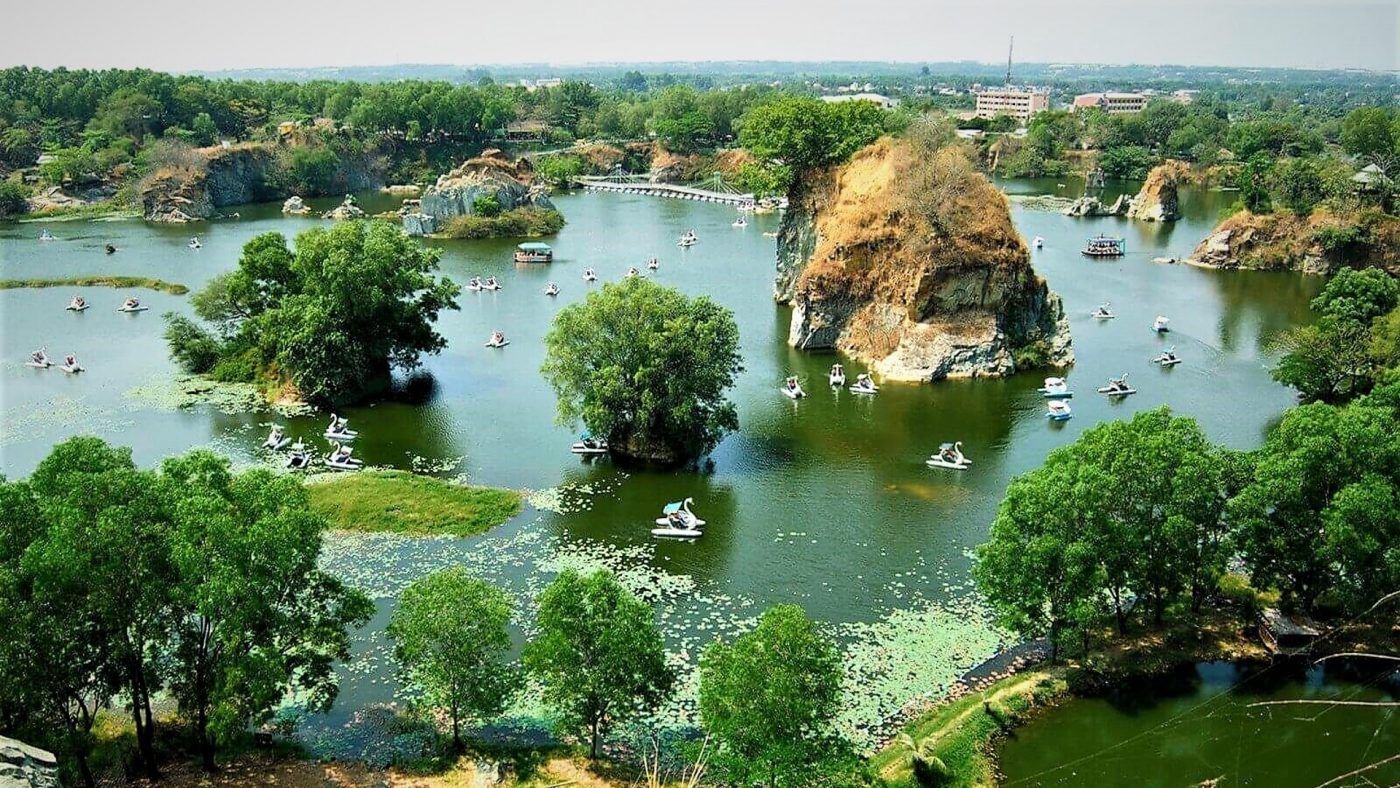
Dong Nai Vietnam is one of best place for hiking near Ho Chi Minh city. Dong Nai province is surrounded by Lam Dong in the north, Binh Thuan in the east, Ba Ria – Vung Tau in the south, Binh Duong, Binh Phuoc and Ho Chi Minh City in the west.
May 28, 2025
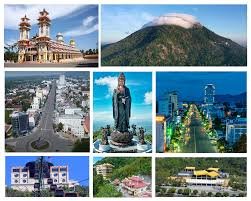
Tay Ninh Vietnam, located in the south east of Vietnam shares border with Cambodia on the north, Binh Duong, Binh Phuoc provinces on the east, Ho Chi Minh City and Long An Province on the south. Nui Ba Den mountain is the only place where short climb can be arranged for hikers.
May 28, 2025
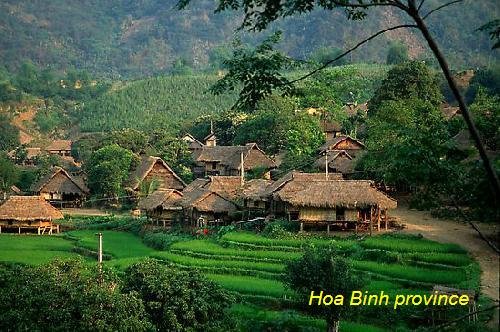
Hoa Binh Vietnam is a well known travel destination for offering huge selection of trekking tours in north Vietnam. Mai Chau valley, Da Bac, and Ngoc Son Ngo Luong are the 3 best places where trekking homestay tours are arranged. Day trip from Hanoi, 2 day hikes, 3 day trek are all available.
May 28, 2025
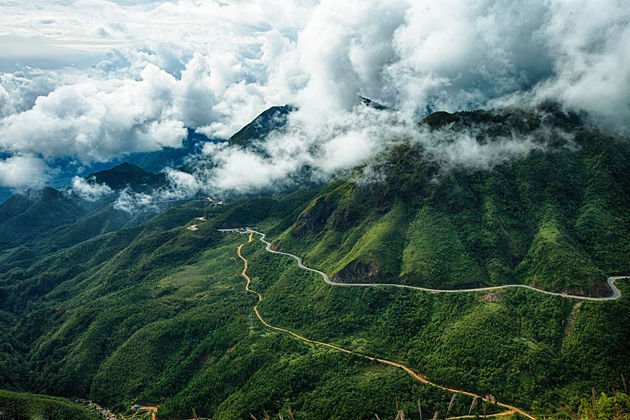
Lai Chau Vietnam, another non-touristy travel destination in the northern Vietnam offers some of best day hikes, mountain biking tours from Sapa Vietnam. Lai Chau province is the best alternative while Sapa is completely foggy in January.
May 28, 2025
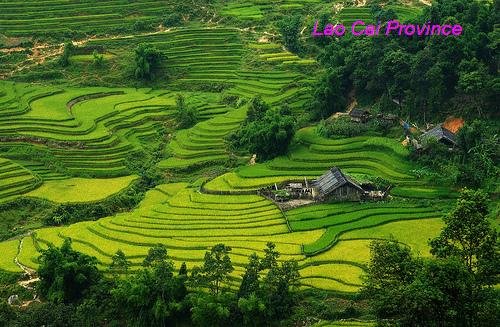
Lao Cai Vietnam, the most popular travel destination offers not only a huge collection of trekking tours in Vietnam, but also many mountain bike tours, highland market discovery, ethnic culture, homestay experience. Some of well known places of Lao Cai province include Sapa, Bac Ha market, Fansipan mountain.
May 28, 2025
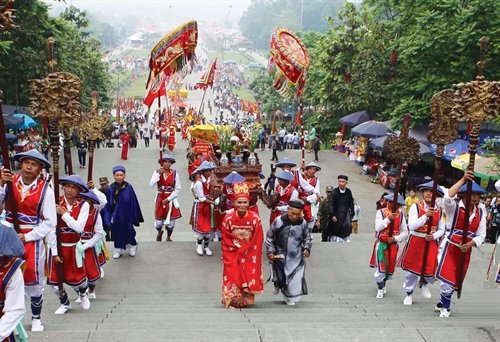
Phu Tho Vietnam, one of less traveled destination offers a couple of off the beaten path hiking tours and road cycling trips. Phu Tho shares border with Tuyen Quang, Yen Bai provinces on the north, Vinh Phuc, Ha Tay provinces on the east, Son La Province on the west and Hoa Binh Province on the south.
May 28, 2025
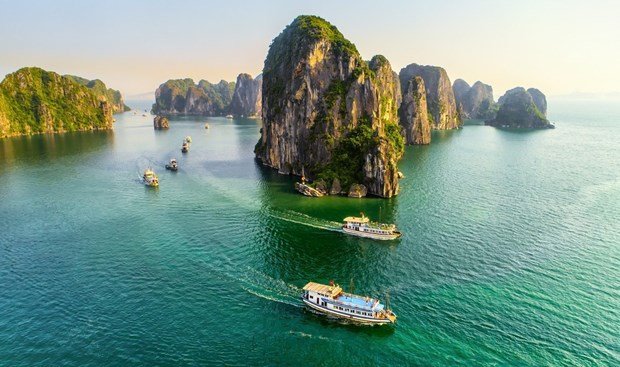
Quang Ninh Vietnam, best known for Halong Bay is located in the north east Vietnam, sharing its border with Hai Phong, China, Bac Giang, and Bac Ninh. Short climbs are available in Halong bay area while long hikes can be arranged in Quan Lan island, Bai Tu Long national park, Binh Lieu mountain range. Those who are interested in mountain hiking can discover Yen Tu which is situated near Halong bay.
May 28, 2025
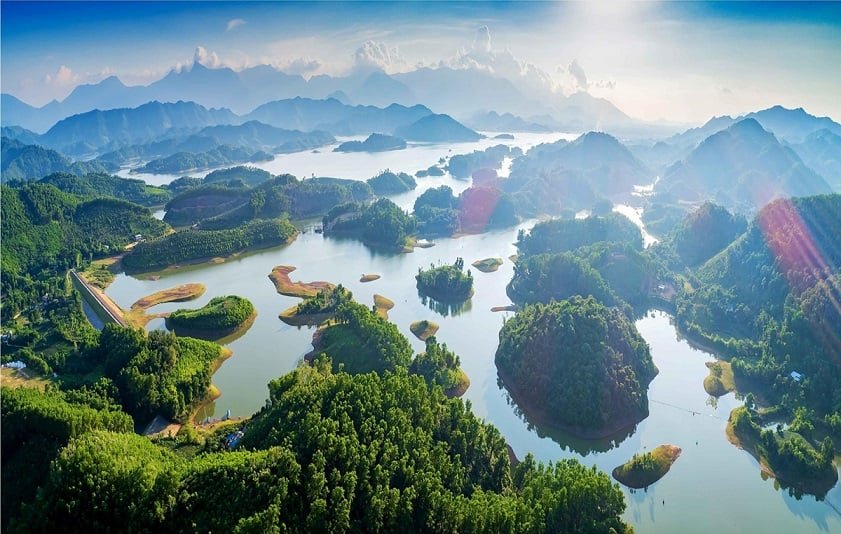
Thai Nguyen is located in the north east Vietnam, sharing its border with Bac Kan, Tuyen Quang, Vinh Phuc, Lang Son, Bac Giang, and Hanoi. Thai Nguyen province offers pleasant short breaks from Hanoi and real off the beaten path hiking tours in Vietnam. Options include Thai Nguyen hikes, Thai Nguyen trekking tours, Thai Nguyen treks.
May 28, 2025
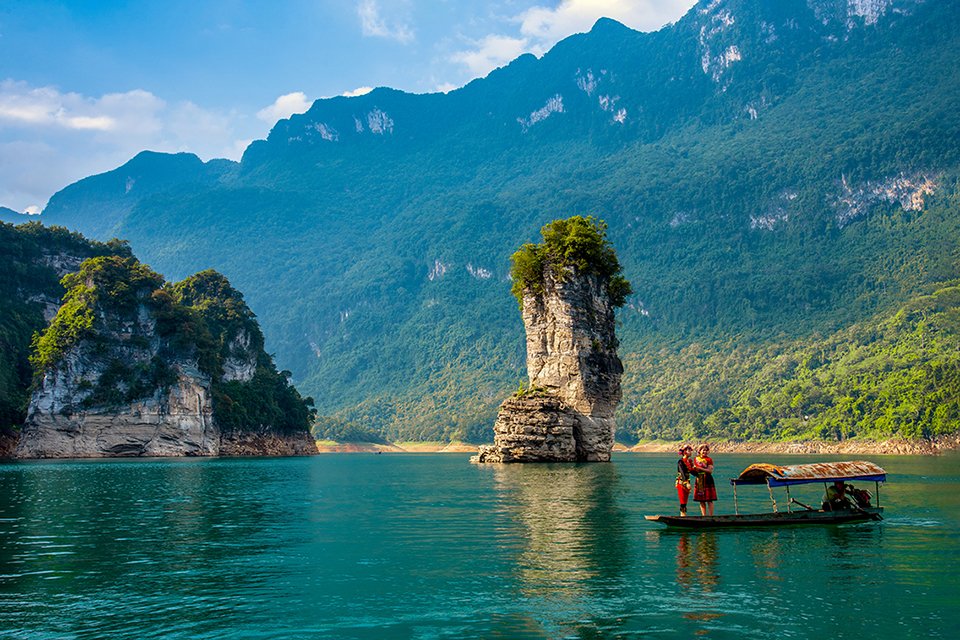
Tuyen Quang is located in the northeastern part of the country, sharing its border with Ha Giang, Cao Bang, Yen Bai, Bac Kan, Thai Nguyen, Phu Tho, Vinh Phuc provinces. Tuyen Quang province offers few day trips from Hanoi, and off the beaten track hiking tours such as Tuyen Quang hikes, Tuyen Quang trekking tours, Tuyen Quang treks…
May 28, 2025
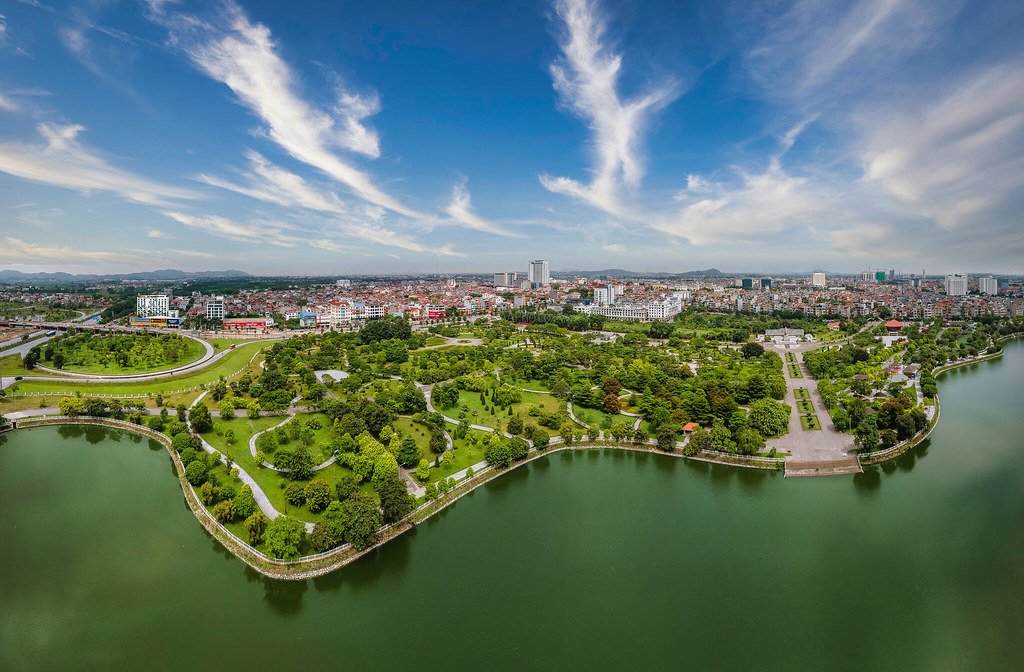
Bac Giang city is the capital of Bac Giang Province. We at Hiking Vietnam provide no trekking tour in Bac Giang city since the place is flat, populated. Therefore if you are interested in an easy walking tour around Bac Giang city, hike along villages lanes, rice fields, then this can be possible.
May 28, 2025
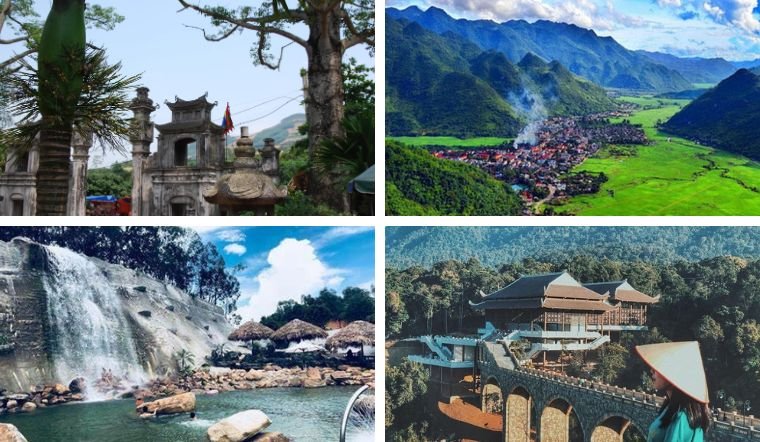
Hiep Hoa is one of nine rural districts of Bac Giang Province in the Northeast region of Vietnam. This might not be an ideal place for trekking in Vietnam. If you look for Hiep Hoa hikes, Hiep Hoa trekking tour, hiking Hiep Hoa, Bac Giang Vietnam, Hiep Hoa treks, then this is not the best choice.
May 28, 2025
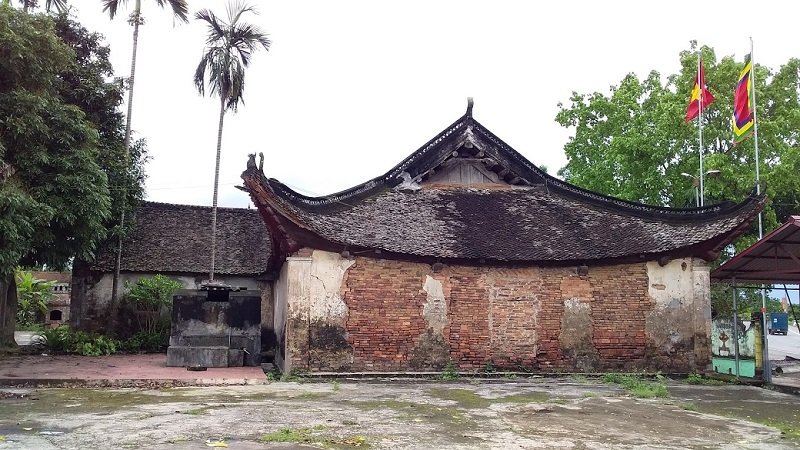
Lang Giang Bac Giang might not be an ideal place for trekking in Vietnam. If you look for a hike in Lang Giang, Lang Giang trekking tour, hiking Lang Giang, Bac Giang Vietnam, Lang Giang treks, other Bac Giang districts or Vietnam hiking places should be considered rather than Lang Giang Vietnam.
May 28, 2025
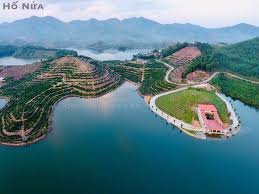
Lục Nam is a rural district of Bac Giang Province in the Northeast region of Vietnam. The district covers an area of 597 km². The district capital lies at Luc Nam.
May 28, 2025
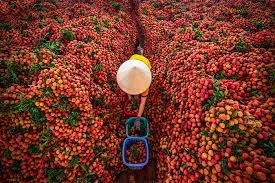
Lục Ngạn Bac Giang, a rural district of Bac Giang Province in the northeast region of Vietnam. This district is famous for its vai thieu lychee. The district covers an area of 1,012 km², offering beautiful mountain hikes, off the beaten path trekking tour, homestay experience, and boat trip.
May 28, 2025
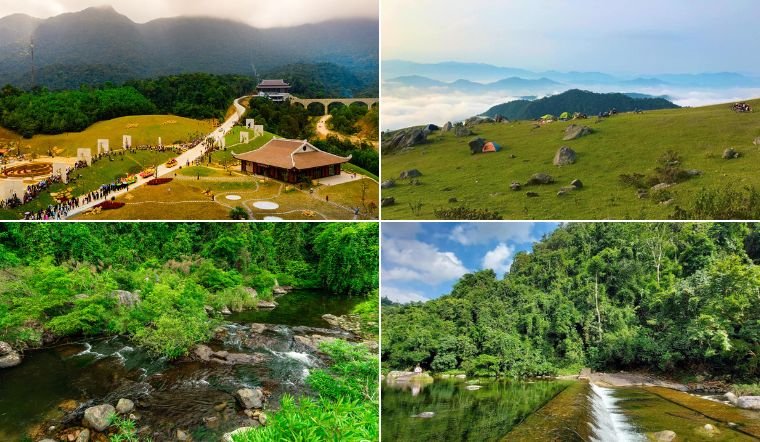
Son Dong Bac Giang, best trekking base of Bac Giang province is located in the north east of Bac Giang city, about 80km from Bac Giang city center. This is the only place in Bac Giang province where we provide the 2 day hike, 3 day trekking tour from Hanoi which can be combined with Halong bay cruise.
May 28, 2025
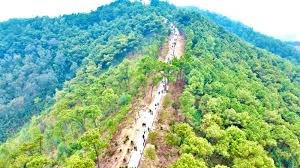
Tan Yen is a mountainous district of Bac Giang province. The district is located about a half hour drive from Bac Giang city center. This might not be an ideal place for hiking in Vietnam. If you look for Tan Yen hikes, hiking Tan Yen Bac Giang, Tan Yen trekking tour, Tan Yen trek you should consider Son Dong district in Bac Giang or other trekking destinations in Vietnam.
May 28, 2025
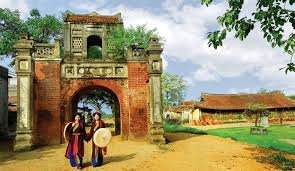
Viet Yen Bac Giang might not be an ideal place for hiking in Vietnam. If you look for Viet Yen hikes, Viet Yen trekking tour, hiking Viet Yen, Bac Giang province, Viet Yen treks, you should travel to other districts of Bac Giang, or in other provinces of Vietnam. We at Hiking Vietnam Tours don’t run any trekking tour to Viet Yen district.
May 28, 2025
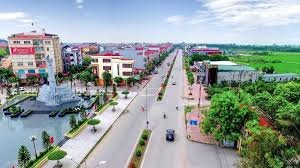
Yen Dung Bac Giang might not be an ideal place for hiking in Vietnam. If you look for Yen Dung hikes, Yen Dung trekking tour, hiking Yen Dung, Bac Giang province, Yen Dung treks, you should travel to other districts of Bac Giang, or in other provinces of Vietnam. At Hiking Vietnam Tours we don’t run any trekking tour to Yen Dung district.
May 28, 2025
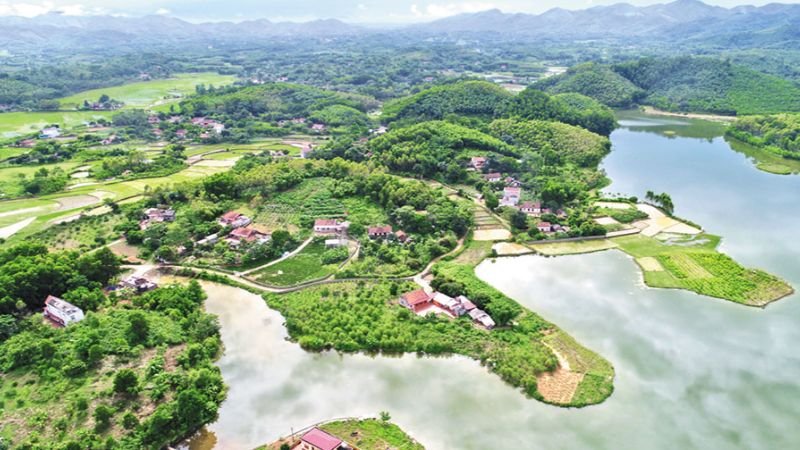
Yen The Bac Giang might not be an ideal place for hiking in Vietnam. If you look for Yen The hikes, Yen The trekking tour, hiking Yen The, Bac Giang province, Yen The treks, you should travel to other province such as Bac Kan, Cao Bang, Ha Giang… At Hiking Vietnam Tours we don’t have any pre-made trekking itinerary in Yen The district. But a private hiking tour can be arranged in the area upon request.
May 28, 2025
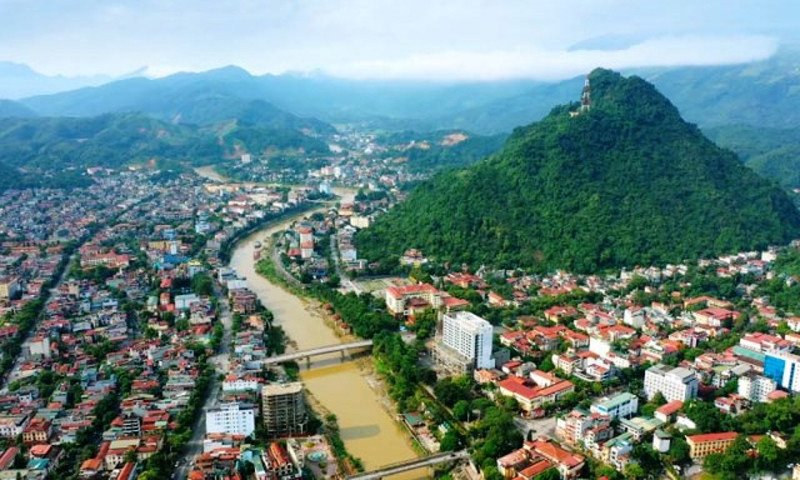
Bac Kan city is the capital of Bac Kan Province, Vietnam. The town, bordered by Bach Thong and Cho Moi District does not offer much trekking, hiking tours within the town itself. If you look for Bac Kan treks, Bac Kan hikes, hiking around Bac Kan, Bac Kan trekking tours, Bac Kan trekking homestay you should travel further north to Ba Be district.
May 28, 2025