15 Ng. 100 Đ. Nguyễn Xiển, Thanh Xuân Nam, Thanh Xuân, Hà Nội 100000



15 Ng. 100 Đ. Nguyễn Xiển, Thanh Xuân Nam, Thanh Xuân, Hà Nội 100000
Nestled amidst the serene hills of Myanmar's southern Shan State lies Pindaya, a charming town often overlooked by the mainstream tourist circuit. Yet, for those seeking a unique blend of spiritual wonder, natural beauty, and authentic cultural encounters, Pindaya offers an unforgettable experience. This tranquil destination is most famous for its extraordinary limestone caves, housing thousands of Buddha images, but its allure extends to its picturesque lake, vibrant local life, and the intricate world of traditional paper-making and umbrella crafting.
Pindaya is more than just a stopover; it’s a journey into the quiet heart of Myanmar, where ancient legends intertwine with devout spiritual practices, and the gentle pace of rural life unfolds against a backdrop of rolling hills and fertile landscapes. It's a place where every turn reveals a new facet of local artistry and unwavering faith.
This comprehensive guide will lead you through the mystical depths of the Pindaya Caves, explore the tranquility of Pindaya Lake, delve into the fascinating local industries, provide essential tips for planning your visit, and show you how Golden Trail Travel can unlock the hidden wonders of this captivating Shan State gem. Prepare to be enchanted by the serenity and spiritual richness of Pindaya.
The undisputed highlight of Pindaya, and the reason most travelers visit, are the Pindaya Caves (Shwe Oo Min Natural Cave Pagoda). These magnificent limestone caverns are not just geological formations; they are a profound spiritual sanctuary, home to an astonishing collection of Buddha images.
The Pindaya Caves are a series of natural limestone caves that have been used for worship and meditation for centuries. Legends abound about their origins, including tales of a giant spider, a prince, and trapped princesses, which add to their mystical appeal.
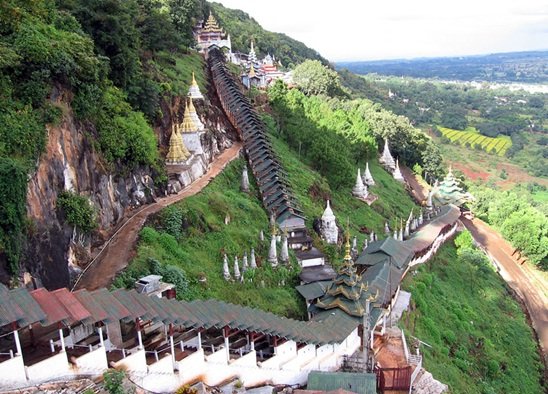
The Entrance: The caves are accessed via a long, covered stairway that winds its way up the hillside, adorned with traditional Burmese architecture and often flanked by vendors selling local wares and offerings. There's also a lift and a road for easier access to the upper entrance.
Thousands of Buddhas: As you step inside the main cavern, you are immediately struck by the sheer number of Buddha images. There are estimated to be over 8,000 Buddha statues of various sizes, made from diverse materials such as teak, alabaster, marble, bronze, lacquer, and white cement. Many have been left by pilgrims over centuries, creating a dense, sparkling tapestry of devotion.
Diverse Styles and Ages: The statues range in age from ancient to very modern, reflecting different artistic styles and eras. Some are gilded, others are stark white, and each contributes to the overwhelming sense of reverence.
Natural Formations: Beyond the statues, the caves themselves are geologically fascinating, with stalactites and stalagmites formed over millennia. These natural formations sometimes take on shapes that resemble figures or objects, adding to the cave's mystique.
Labyrinthine Passages: The main cave branches off into several smaller chambers and passages, each filled with more Buddha images. Exploring these winding paths feels like an adventurous journey through a sacred labyrinth.
Spiritual Atmosphere: Despite the crowds during peak times, a profound sense of peace and spirituality pervades the caves. You'll observe monks and devotees meditating, chanting, and offering prayers.
Footwear: As a sacred site, you must remove your shoes and socks before entering the cave complex. Wear slip-on shoes or sandals for easy removal. The floor can be uneven and occasionally damp.
Dress Code: Dress modestly, covering your shoulders and knees.
Lighting: The caves are reasonably well-lit, but some passages can be dimmer. A flashlight on your phone can be useful for spotting details.
Respectful Observation: Be mindful of pilgrims and their practices. Avoid loud conversations and taking photos during active prayer sessions.
Donations: You'll see donation boxes throughout the caves. Donations are voluntary and contribute to the maintenance of the site.
Adding to Pindaya's charm is the picturesque Pindaya Lake (Nga Laung Kan), often referred to simply as Pindaya Lake. This serene body of water is a central feature of the town and offers a peaceful contrast to the spiritual intensity of the caves.
Scenic Beauty: Surrounded by lush green hills, with traditional Shan houses dotting its shores, the lake is incredibly scenic. Its calm waters often reflect the sky and the surrounding landscape, creating beautiful vistas.
Local Life: Observe local fishermen in their traditional boats, going about their daily routines. You might see children playing by the water or women washing clothes.
Walkways and Gardens: A lovely walkway often lines parts of the lake, inviting leisurely strolls. Well-maintained gardens and small parks around the perimeter provide pleasant spots for relaxation.
"Spider" Island: A small island in the lake is home to a statue of a giant spider, referencing the local legend of the caves.
What to do: Take a leisurely walk around the lake, enjoy the peaceful atmosphere, and capture some beautiful photographs. You can also find quaint tea shops or small restaurants overlooking the water.
Pindaya is not only a spiritual center but also a hub for unique local crafts, offering fascinating insights into traditional Shan artistry and industriousness.
Pindaya is renowned for its production of Shan paper, a handmade paper crafted from the pulp of mulberry bark.
Process: Visitors can often tour small workshops to witness the traditional paper-making process firsthand. You'll see how the bark is boiled, pounded into a pulp, spread thinly onto screens, and then dried in the sun to create sturdy yet delicate sheets of paper.
Uses: Shan paper is used for various purposes, including traditional umbrellas, writing paper, notebooks, and decorative items.
Shopping: You can purchase beautiful handmade paper products directly from the workshops, supporting local artisans.
Another signature craft of Pindaya is the production of Shan umbrellas, beautiful and sturdy umbrellas made from Shan paper.
Craftsmanship: These umbrellas are entirely handmade, from the bamboo frame to the paper canopy, which is then often oiled for waterproofing and decorated with intricate designs.
Variety: They come in various sizes, from small decorative parasols to large, functional umbrellas, and are often adorned with colorful patterns and traditional motifs.
Observation and Purchase: Watching the skilled artisans at work is a fascinating experience. The workshops usually have a showroom where you can buy these unique and beautiful souvenirs.
While less prominent than paper and umbrella making, you might also find small-scale weaving operations, producing traditional Shan textiles with their distinctive patterns and colors.
Explore the town's local market to see how the diverse ethnic groups of the region trade their produce and goods. It's a vibrant hub of daily life and offers a chance to sample local snacks and interact with the friendly vendors.
Pindaya serves as an excellent base for exploring the wider southern Shan State, a region of stunning landscapes and diverse ethnic communities.
Trekking: The surrounding hills offer fantastic opportunities for trekking to ethnic minority villages. You can encounter Palaung, Pa-O, Danu, and other tribes, each with their unique customs and traditional dress. Treks can range from half-day walks to multi-day expeditions, often including homestays.
Green Tea Plantations: The Shan State is a significant tea-growing region. You might pass through lush green tea plantations and even have the opportunity to visit a tea factory.
Panoramic Views: Driving through the hills provides endless opportunities for breathtaking panoramic views of the undulating landscape.
Golden Trail Travel specializes in crafting customized tours throughout the Shan State, offering responsible and culturally sensitive trekking experiences from Pindaya. Their expert guides ensure meaningful interactions and a deeper understanding of the diverse local cultures.
A visit to Pindaya typically integrates into a larger itinerary covering Myanmar's Shan State, often combined with Inle Lake and Kalaw.
From Inle Lake (Nyaungshwe): Pindaya is approximately 1.5 to 2 hours' drive from Nyaungshwe (the main town at Inle Lake). Taxis are readily available.
From Kalaw: If you're coming from Kalaw (a popular trekking hub), Pindaya is about an hour's drive. Many people trek from Kalaw to Inle Lake and then make a side trip to Pindaya.
From Heho Airport: Heho is the main airport for the Shan State. Pindaya is about an hour's drive from Heho.
Golden Trail Travel Advantage: Golden Trail Travel can arrange comfortable and reliable private transfers to Pindaya as part of your customized Shan State itinerary, ensuring a smooth and efficient journey.
Dry Season (October to February): This is the ideal time to visit Pindaya. The weather is cooler, drier, and very pleasant for exploring the caves and surrounding areas. The views are also usually clear.
Shoulder Seasons (March-April & September): These months can still be good, though March and April can be quite hot. September marks the end of the rainy season, and the landscape is lush.
There is usually an entrance fee for the Pindaya Caves. This fee contributes to the maintenance of the site.
As mentioned, modest dress (covered shoulders and knees) and removing shoes/socks are required for the caves.
Water: Stay hydrated, especially if climbing the steps.
Sun Protection: Hat, sunglasses, and sunscreen.
Camera: For capturing the unique atmosphere of the caves and the beauty of the lake.
Small Denominations of Kyat: For souvenirs, local snacks, and donations.
Wet Wipes/Hand Sanitizer: Useful after removing shoes or touching surfaces.
While you can explore the caves independently, a local guide (often provided by Golden Trail Travel) can greatly enhance your visit. They can explain the legends, identify specific Buddha images, and provide context about the cultural significance of the site and the local crafts.
Allow at least 2-3 hours for a thorough visit to the Pindaya Caves, including the ascent/descent and exploring the various chambers. An additional hour or two can be spent enjoying the lake and visiting paper/umbrella workshops. A half-day trip is sufficient for the main attractions, while a full day allows for a more relaxed pace and deeper cultural engagement.
Exploring Pindaya and the surrounding Shan State is made effortless and deeply enriching when you choose Golden Trail Travel as your partner.
Local Expertise: Golden Trail Travel possesses in-depth knowledge of Pindaya and the entire Shan State. Their local guides are not just interpreters; they are storytellers who bring the legends of the caves to life, explain the intricacies of Nat worship (if applicable), and provide invaluable insights into the daily lives and traditions of the diverse ethnic communities.
Seamless Logistics: They handle all transfers, ensuring comfortable and efficient travel to and from Pindaya, often integrating it perfectly with your Bagan or Inle Lake itinerary. This removes any stress related to transportation, allowing you to focus purely on the experience.
Authentic Cultural Immersion: Golden Trail Travel goes beyond just sightseeing. They arrange visits to authentic Shan paper and umbrella workshops, facilitating direct interaction with artisans and offering a deeper understanding of these traditional crafts. They can also arrange responsible trekking to ethnic minority villages.
Customized Experiences: Whether you're interested in a quick visit to the caves or a multi-day exploration of the Shan hills with homestays, Golden Trail Travel can tailor an itinerary to match your interests, fitness level, and desired duration.
Responsible Tourism: Committed to ethical practices, Golden Trail Travel ensures that tourism benefits local communities directly and helps preserve their cultural heritage. They promote respectful interactions and environmentally conscious travel.
Comfort and Safety: From reliable vehicles to knowledgeable guides who prioritize your well-being, Golden Trail Travel ensures a safe and comfortable journey, allowing you to relax and soak in the magic of Pindaya.
Ready to uncover the hidden gems of Pindaya and the Shan State? Visit Golden Trail Travel's website today to explore their curated Myanmar tours and start planning your unforgettable adventure: https://goldentrailtravel.com/
Pindaya offers a wealth of photographic opportunities, from the spiritual depths of its caves to the serene beauty of its lake and the vibrant details of its local crafts.
Pindaya Caves:
Inside: Experiment with wide-angle shots to capture the sheer density of Buddha images. Look for interesting light filtering in or the glow of traditional lamps. Focus on individual statues to highlight their unique features or materials.
Entrance: Capture the long covered stairway, often with pilgrims or monks ascending, framed by the traditional architecture.
Pindaya Lake:
Landscape: Use the calm waters for reflections of the surrounding hills and sky. Early morning or late afternoon light often creates beautiful colors.
Local Life: Capture traditional fishing boats, children playing, or women engaged in daily activities by the lake.
Workshops:
Process: Focus on the hands of the artisans as they pound mulberry bark, lay out paper, or paint intricate designs on umbrellas. These process shots tell a compelling story.
Products: Capture the vibrant colors and unique textures of the finished Shan paper and umbrellas.
Shan State Landscapes:
Trekking: If you trek, capture the rolling hills, tea plantations, and the faces of the ethnic minority villagers (always ask permission for portraits).
Always be mindful and respectful when photographing people, especially in sacred spaces or rural villages. A smile and a gesture of asking permission often go a long way.
Pindaya is often explored as part of a classic "Shan State Triangle" itinerary, which typically includes:
Kalaw: A former British hill station, known for its pleasant climate, colonial-era architecture, and as a popular base for multi-day treks to ethnic minority villages, often ending at Inle Lake.
Inle Lake: A stunning freshwater lake famous for its unique Intha leg-rowing fishermen, floating gardens, stilt-house villages, and vibrant local markets. It offers an incredible boat trip experience.
Combining Pindaya with Kalaw and Inle Lake allows for a comprehensive and diverse exploration of the Shan State, showcasing its natural beauty, cultural richness, and distinct ethnic traditions. Golden Trail Travel excels at curating such multi-destination itineraries, ensuring seamless transitions and enriching experiences throughout your journey.
Pindaya is a destination that whispers rather than shouts. Its profound spiritual resonance, embodied by the thousands of silent Buddhas within its caves, invites contemplation and wonder. Its serene lake offers a moment of calm reflection, and its traditional crafts showcase the enduring artistry of the Shan people.
It’s a place where time seems to slow down, allowing you to connect more deeply with the local culture and the unique spiritual fabric of Myanmar. Unlike the bustling temples of Bagan or the vibrant markets of Yangon, Pindaya offers a gentle, intimate encounter with a hidden gem.
For those seeking authenticity, tranquility, and a deeper understanding of Myanmar's diverse heritage, Pindaya is an unmissable stop. It promises not just sights, but experiences – moments of quiet awe, genuine connection, and a sense of having truly discovered something special. Let Golden Trail Travel be your trusted guide to this captivating corner of the Shan State, ensuring your visit to Pindaya is nothing short of extraordinary.
Q1: What are the Pindaya Caves famous for? A1: The Pindaya Caves are famous for housing over 8,000 Buddha images of various sizes and materials, collected over many centuries. It is a significant pilgrimage site.
Q2: How many Buddha images are in the Pindaya Caves? A2: Estimates suggest there are over 8,000 Buddha images within the Pindaya Caves.
Q3: Do I need to remove my shoes and socks inside the caves? A3: Yes, as it is a sacred religious site, you must remove your shoes and socks before entering the Pindaya Caves.
Q4: What should I wear when visiting the Pindaya Caves? A4: Dress modestly, ensuring your shoulders and knees are covered. Lightweight, breathable long pants or skirts are appropriate.
Q5: What else is there to see or do in Pindaya besides the caves? A5: Besides the caves, you can visit the serene Pindaya Lake, explore traditional Shan paper-making workshops, observe Shan umbrella crafting, and explore the local market. The surrounding hills also offer opportunities for trekking to ethnic minority villages.
Q6: How do I get to Pindaya? A6: Pindaya is typically reached by car or taxi from Heho Airport (approx. 1 hour drive), Inle Lake (Nyaungshwe, approx. 1.5-2 hours drive), or Kalaw (approx. 1 hour drive).
Q7: What is the best time to visit Pindaya? A7: The dry season (October to February) is the best time, offering cooler and drier weather, ideal for exploring.
Q8: Are the Pindaya Caves easily accessible for all? A8: While there is a covered stairway with many steps to the main cave entrance, there is also a road for vehicles and a lift to help reach the upper entrance, making it more accessible for those with mobility challenges. However, exploring inside the caves still involves walking on uneven surfaces.
Q9: What is Shan paper, and how is it made? A9: Shan paper is a traditional handmade paper made from the pulp of mulberry bark. Workshops in Pindaya demonstrate the process of boiling, pounding, spreading, and sun-drying the pulp.
Q10: Can I buy local crafts in Pindaya? A10: Yes, you can purchase beautiful and unique traditional Shan paper products (like notebooks and lampshades) and hand-painted Shan umbrellas directly from the local workshops, supporting the local artisans.
Here are some hypothetical customer reviews showcasing positive experiences with Golden Trail Travel's tours to Pindaya:
Review 1: "Awe-Inspiring Caves and Tranquil Beauty!" - Sarah L., USA "Our visit to Pindaya with Golden Trail Travel was an absolute highlight of our Myanmar trip. The caves are truly mesmerizing – thousands of Buddhas, each with its own story! Our guide, Zaw, was fantastic; his knowledge of the local legends and spiritual significance made the experience so much richer. The Pindaya Lake was also incredibly peaceful. Seamless transfers and a truly authentic cultural insight. Highly recommend Golden Trail Travel for this hidden gem!"
Review 2: "Beyond Expectations – The Shan Paper Making was Fascinating" - David M., UK "Pindaya was an unexpected delight. While the caves are incredible, we were particularly fascinated by the traditional Shan paper and umbrella making workshops. Our Golden Trail Travel guide took us to a fantastic local workshop where we saw the entire process firsthand. It felt so authentic, and we loved supporting the local artisans. A perfect day trip from Inle Lake, expertly organized by Golden Trail Travel."
Review 3: "Spiritual Journey in a Beautiful Setting" - Emily R., Australia "This trip felt like a true spiritual journey. The sheer volume of Buddha images in the Pindaya Caves is overwhelming in the most beautiful way. The serenity of the lake at the base also provided a lovely contrast. Golden Trail Travel ensured we had plenty of time to explore at our own pace, and our guide was incredibly respectful and informative. If you're looking for a profound cultural experience in Myanmar, this is it!"
Review 4: "Well-Organized and Authentic" - Mark T., Germany "We wanted an authentic experience in the Shan State, and Pindaya delivered. Golden Trail Travel arranged a comfortable car and an excellent guide who was knowledgeable about both the spiritual and local aspects of Pindaya. The caves are a must-see, and we also enjoyed strolling around the lake and seeing the local umbrella making. A fantastic day, seamlessly handled."
Review 5: "Hidden Gem - Don't Miss Pindaya!" - Chloe W., Canada "Before our trip, I hadn't heard much about Pindaya, but I'm so glad Golden Trail Travel included it in our itinerary. It truly is a hidden gem. The atmosphere inside the caves is unique, and the sheer number of statues is astounding. Plus, the surrounding countryside is gorgeous. Our guide was wonderful, giving us insights into the local culture. It’s a peaceful, fascinating, and beautiful place that shouldn't be missed!"

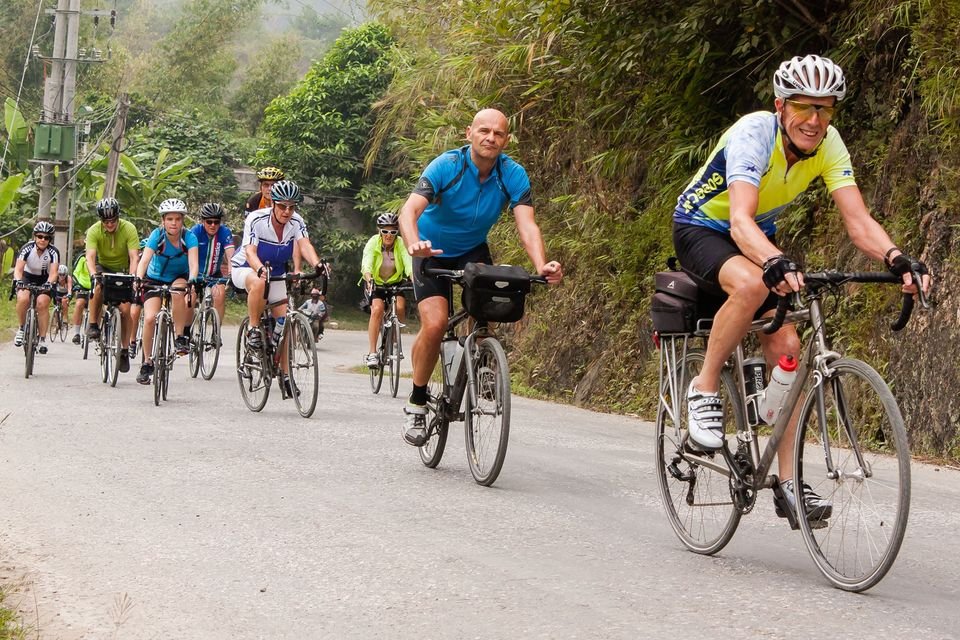
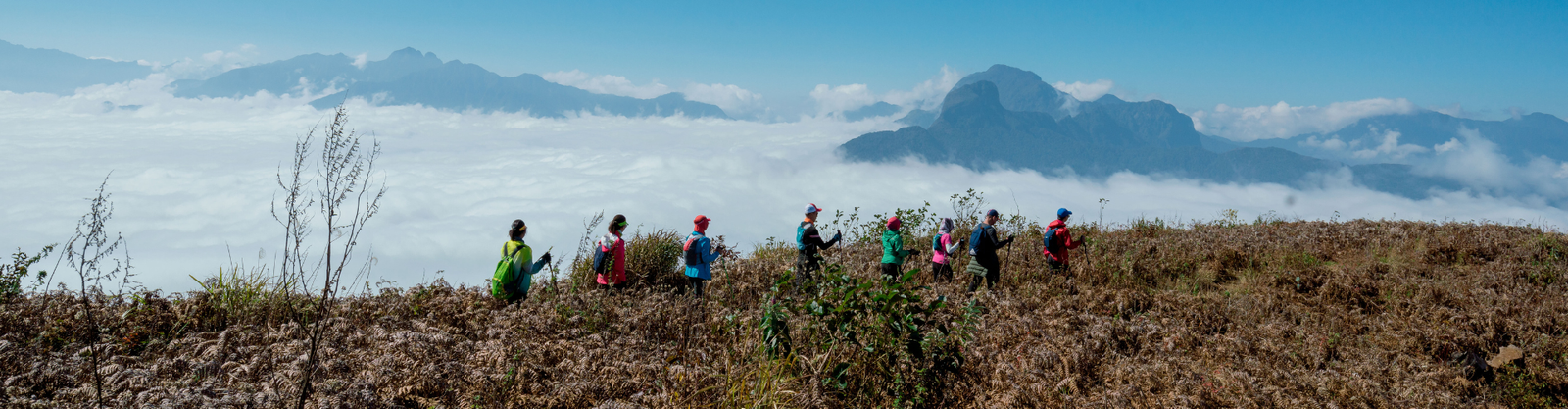
Vietnam is a country that reveals itself best at 15 kilometers per hour. While millions of tourists view this S-shaped nation through the tinted windows of a sleeper bus, a different breed of traveler knows the secret: the real magic happens off the highway. Vietnam Backroads bicycle tours are not just holidays; they are immersive expeditions into the heart of Southeast Asia.
November 20, 2025
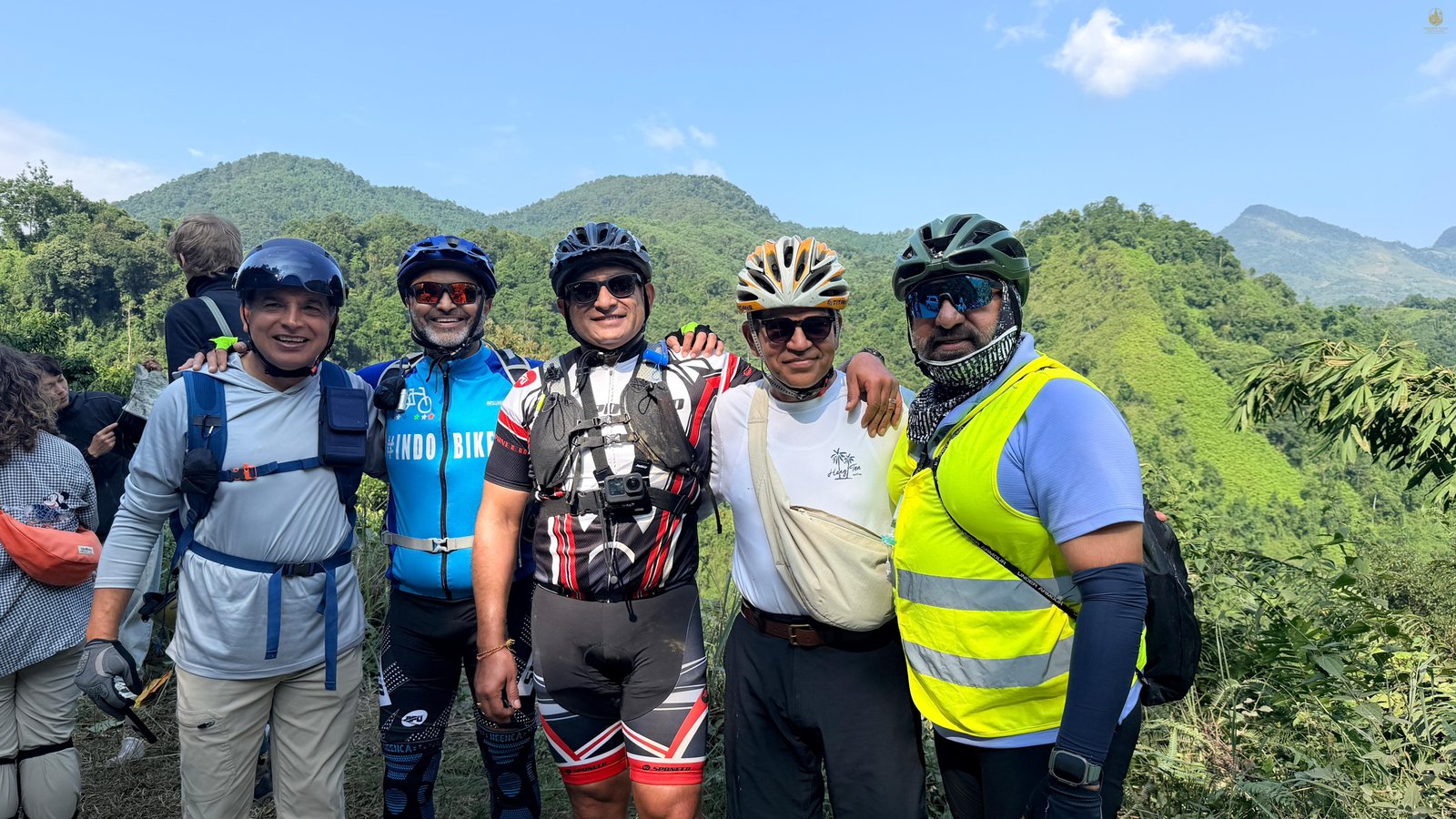
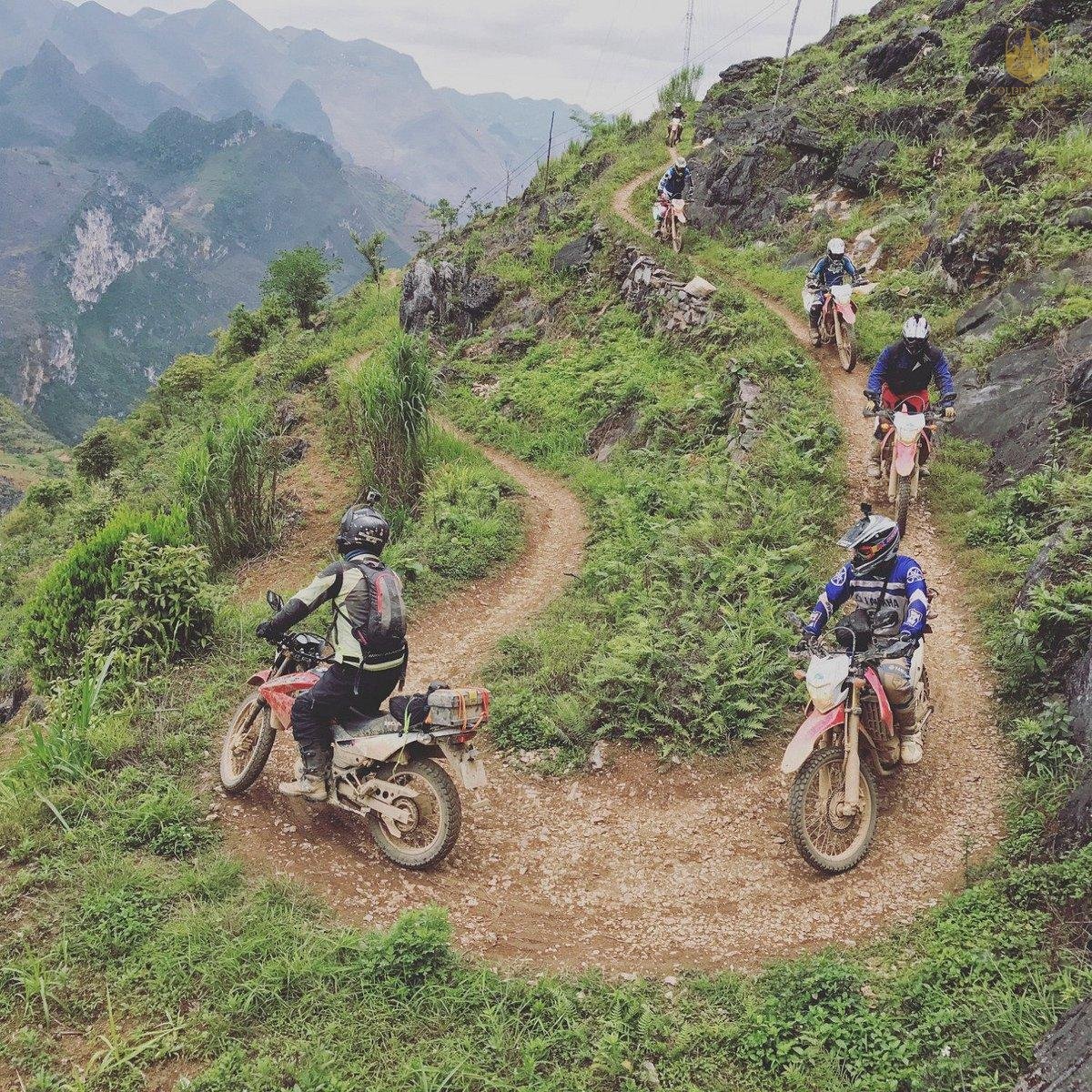
Vietnam is a country of sensory overload, but nowhere is this truer than in the far north. The Ha Giang Loop has become legendary among travelers, usually associated with the roar of motorbikes. However, a quiet revolution is taking place on these limestone slopes. Ha Giang Loop cycling is emerging as the ultimate test of endurance and the purest way to experience the majestic Dong Van Karst Plateau.
November 20, 2025
.jpg "Mountain Biking Sapa: The Ultimate Guide to Cycling Vietnam’s Most Breathtaking Mountain Landscapes")
Sapa is one of Vietnam’s most iconic mountain destinations, renowned for its towering peaks, misty valleys, terraced rice fields and vibrant ethnic minority cultures. While many travelers come to Sapa for trekking, one of the most thrilling and increasingly popular ways to explore the region is mountain biking. With its combination of steep trails, rolling valleys, rugged mountain paths and postcard-like landscapes, Mountain biking Sapa offers an unforgettable adventure for cyclists of all levels.
November 19, 2025
.jpg "Vietnam Cycling Tour: The Ultimate Guide to Exploring Vietnam on Two Wheels")
Vietnam is consistently ranked among the world’s most captivating destinations for cycling. With its dramatic mountain passes, serene coastline roads, terraced rice fields, charming countryside villages and rich cultural diversity, the country offers endless opportunities for cyclists of all levels. Whether you're an experienced rider seeking challenging climbs or a leisure traveler looking to explore local culture at a slower pace, a Vietnam cycling tour promises scenery, adventure and unforgettable memories.
November 19, 2025
.webp "Mountain Biking Hanoi")
Discover the best mountain biking Hanoi routes, trails and tours. Explore Ba Vi, Soc Son, Ninh Binh and Mai Chau. Book your biking adventure with Golden Trail Travel.
November 19, 2025
.webp "Best Vietnam Mountain Biking Tours: The Ultimate Guide to Exploring Vietnam on Two Wheels")
Vietnam is one of the most beautiful countries in Southeast Asia for adventure travel. With its dramatic mountains, lush rice terraces, winding passes, ethnic minority villages, and untouched valleys, the country offers some of the most exciting and scenic cycling routes in the world. Whether you are an experienced mountain biker seeking technical trails or a recreational cyclist looking for breathtaking landscapes, Vietnam has something for you. In recent years, mountain biking has exploded in popularity, and travelers from around the globe are now searching for the best Vietnam mountain biking tours to fully experience the country’s natural beauty.
November 19, 2025
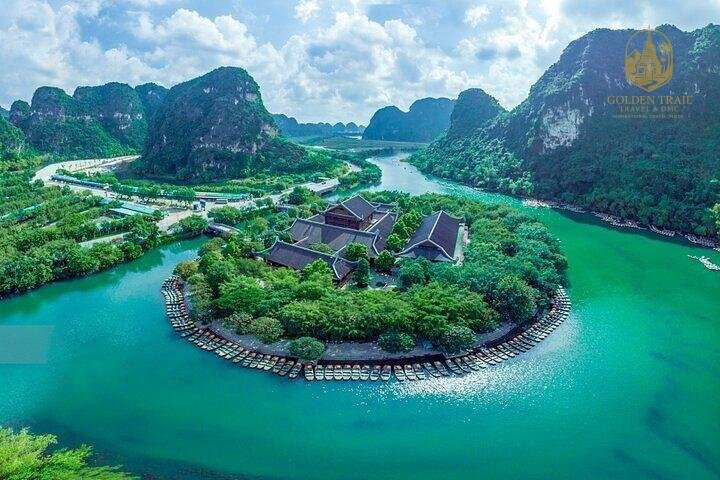
A Ninh Binh day trip offers a blend of natural beauty and historical significance. From boat rides through caves and limestone mountains to cycling through lush rice paddies, Ninh Binh’s diverse landscapes and serene atmosphere make it a must-visit destination for any traveler. Whether you're an adventurer, a photographer, or someone simply looking to explore rural Vietnam, this guide will help you plan the perfect day in Ninh Binh.
November 19, 2025
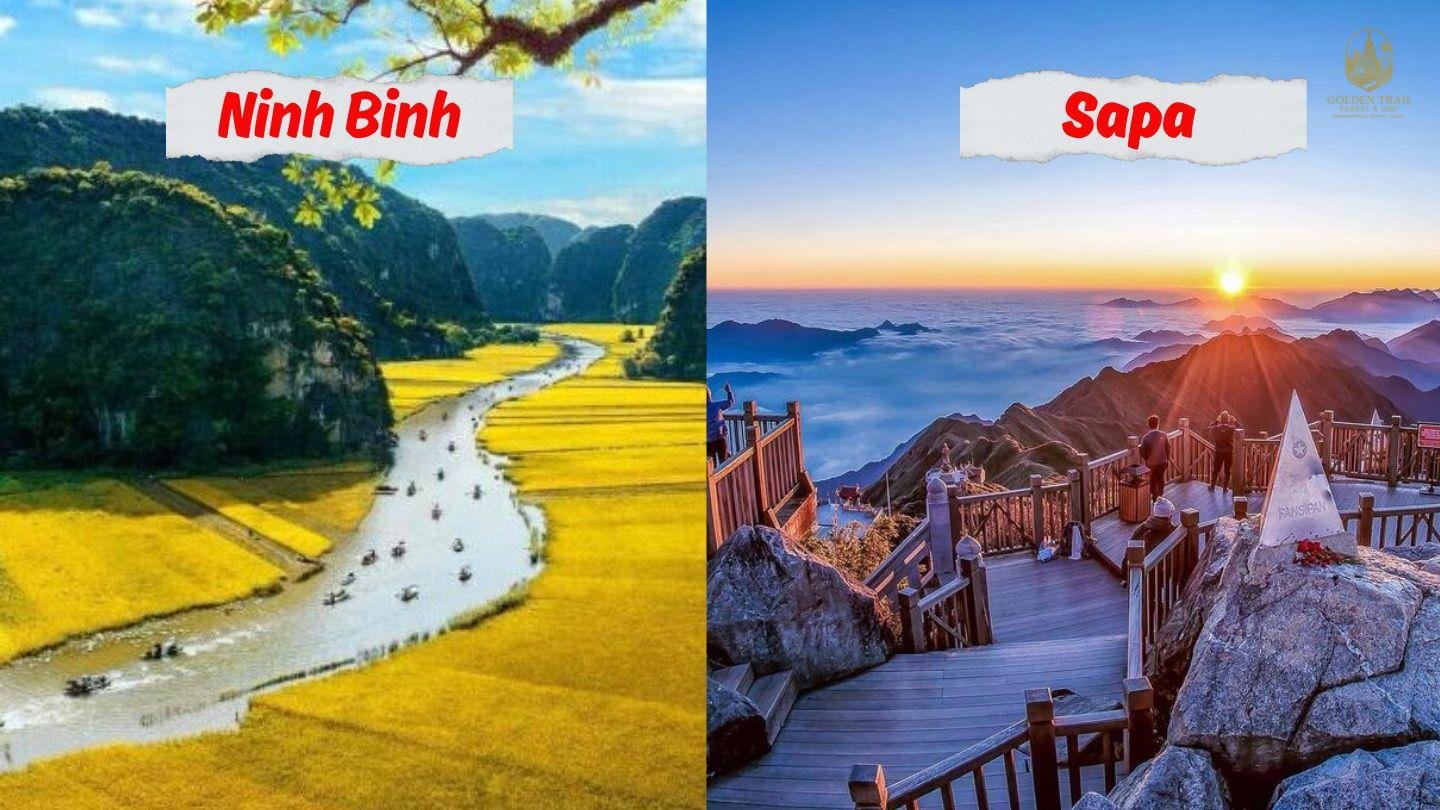
Traveling from Ninh Binh to Sapa is one of the most spectacular journeys you can make in northern Vietnam. These two destinations are among the most iconic landscapes in the country. Ninh Binh offers towering limestone cliffs, peaceful rivers, ancient temples and rural charm. Meanwhile, Sapa showcases terraced rice fields, cloud-covered mountains, ethnic minority villages and cool highland air. If you are planning your Vietnam itinerary, traveling from Ninh Binh to Sapa allows you to experience both worlds: the calm, green valleys of Ninh Binh and the majestic mountain scenery of Sapa.
November 19, 2025
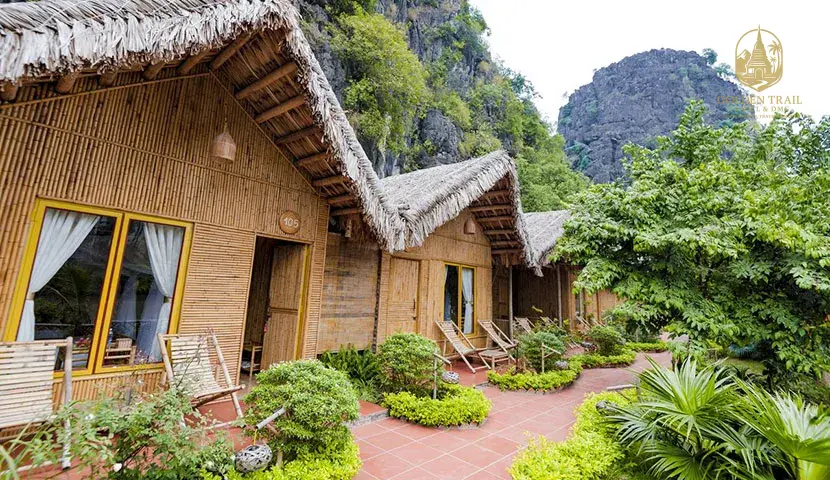
Ninh Binh is one of Vietnam’s most enchanting destinations, a place where towering limestone mountains rise from peaceful rivers and rice paddies, where ancient temples sit quietly between cliffs, and where the countryside stretches endlessly in emerald green. Whether you’re traveling as a couple, with family, solo, or with friends, the question “Where to stay in Ninh Binh?” is one of the most important decisions you’ll make for your trip. The right accommodation will help you enjoy beautiful landscapes, access the best attractions effortlessly, and immerse yourself in the peaceful rhythm of local life.
November 19, 2025
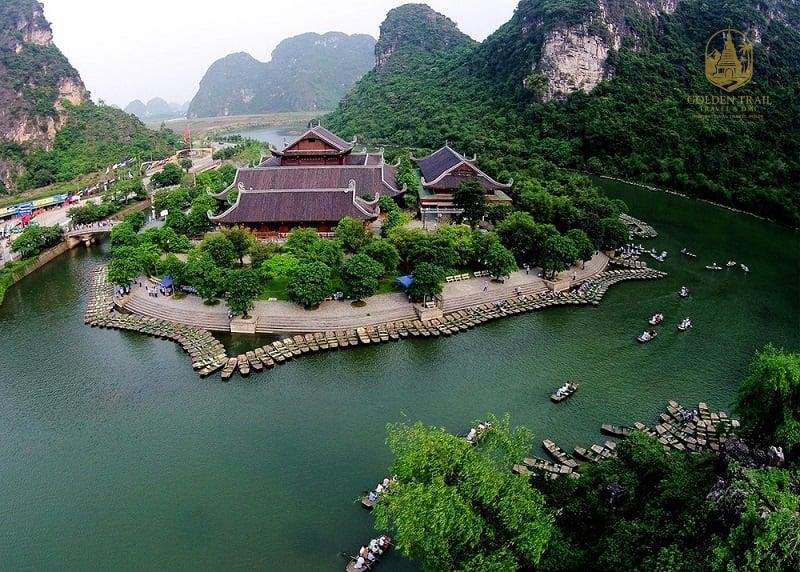
Ninh Binh is one of Vietnam’s most magical destinations, a place where limestone cliffs rise dramatically from peaceful rivers, where rice fields stretch beneath towering karsts, and where ancient temples, hidden caves and charming villages create an atmosphere unlike anywhere else in the world. If you are planning a trip to northern Vietnam, you are probably searching for the best Ninh Binh things to do—and this guide will give you everything you need.
November 19, 2025

Halong Bay and Ninh Binh, often referred to as “Ha Long Bay on land.” Imagine towering limestone mountains rising from emerald waters, dramatic cave systems, rice paddies stretching toward the horizon, tranquil rivers leading through caverns and valleys, and a peaceful countryside untouched by modern chaos. Combined, these two destinations represent some of Vietnam’s most iconic natural landscapes.
November 19, 2025
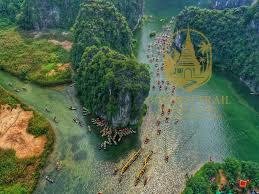
Planning to travel from Hanoi to Ninh Binh by train? This complete guide covers journey time, schedules, ticket tips, itineraries and the best tours with Golden Trail Travel.
November 19, 2025
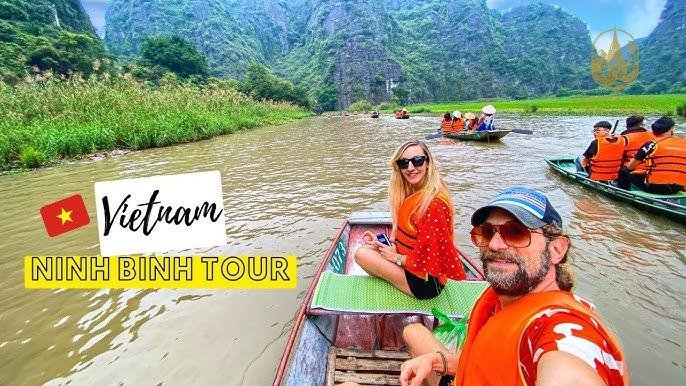
How far is Ninh Binh from Hanoi? Learn the exact distance, travel time, best routes and full travel guide to exploring Ninh Binh. Book your tour easily with Golden Trail Travel.
November 19, 2025
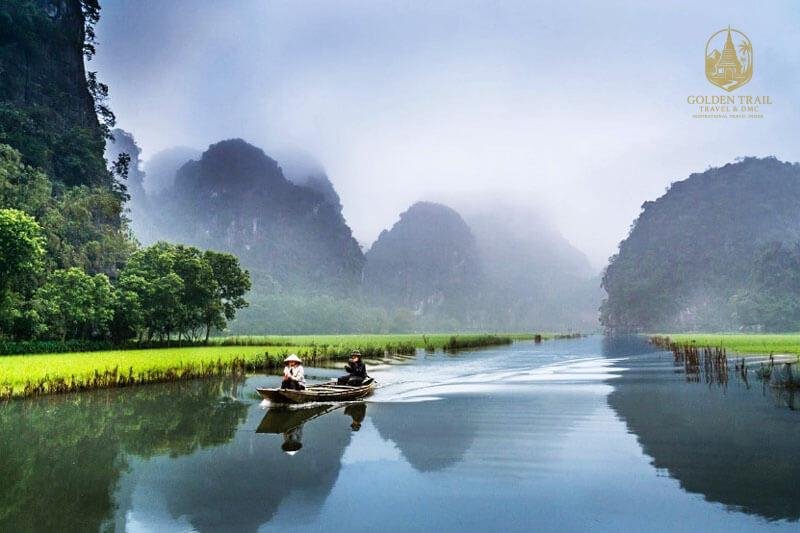
If you are staying in Hanoi and dreaming of escaping the noise, traffic and busy city streets, a Ninh Binh day tour from Hanoi is one of the most perfect short trips you can take. Just 2–2.5 hours south of the capital, Ninh Binh offers breathtaking karst mountains, peaceful rivers, ancient temples, scenic rice paddies, photogenic viewpoints and charming rural villages. It’s no wonder travelers call it “Ha Long Bay on land.”
November 19, 2025
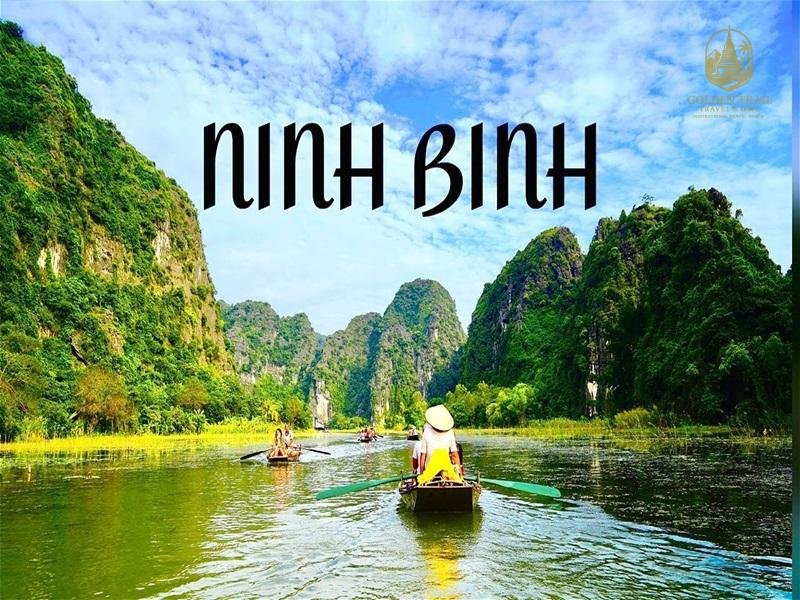
If you only have a few days in Hanoi but still dream of dramatic limestone mountains, emerald rice fields and peaceful rivers, then Ninh Binh tours from Hanoi are exactly what you’re looking for. Just 2–2.5 hours south of the capital, Ninh Binh is known as “Ha Long Bay on land” thanks to its towering karst cliffs, winding rivers and hidden caves.
November 19, 2025
This is more than a holiday; it’s an adventure crafted for those who yearn for raw, authentic experience. It’s for the traveler who finds peace not in luxury, but in the simplicity of a campfire under a million stars.
November 18, 2025
.jpg "Cycle Laos: The Ultimate Guide to Exploring Laos by Bicycle")
To cycle Laos is to slow down, breathe deeply, and immerse yourself in villages where the world still moves at the rhythm of nature. It is to ride through misty mountains, glide along riverside roads, and discover ancient temples glowing at sunset. Unlike countries dominated by traffic and tourism, Laos gives cyclists the rare gift of space—long, empty roads that feel like they were made just for you.
November 13, 2025
.jpeg "Laos Cycling Tours: The Ultimate Guide to Exploring Southeast Asia’s Most Serene Cycling Paradise")
Laos is one of Southeast Asia’s last untouched gems—a country of quiet mountains, golden temples, sleepy riverside towns, and winding roads where time seems to slow down. Unlike its bustling neighbors, Laos has preserved a gentle way of life, making it an extraordinary destination for cyclists who crave nature, authenticity, and deep cultural immersion.
November 13, 2025
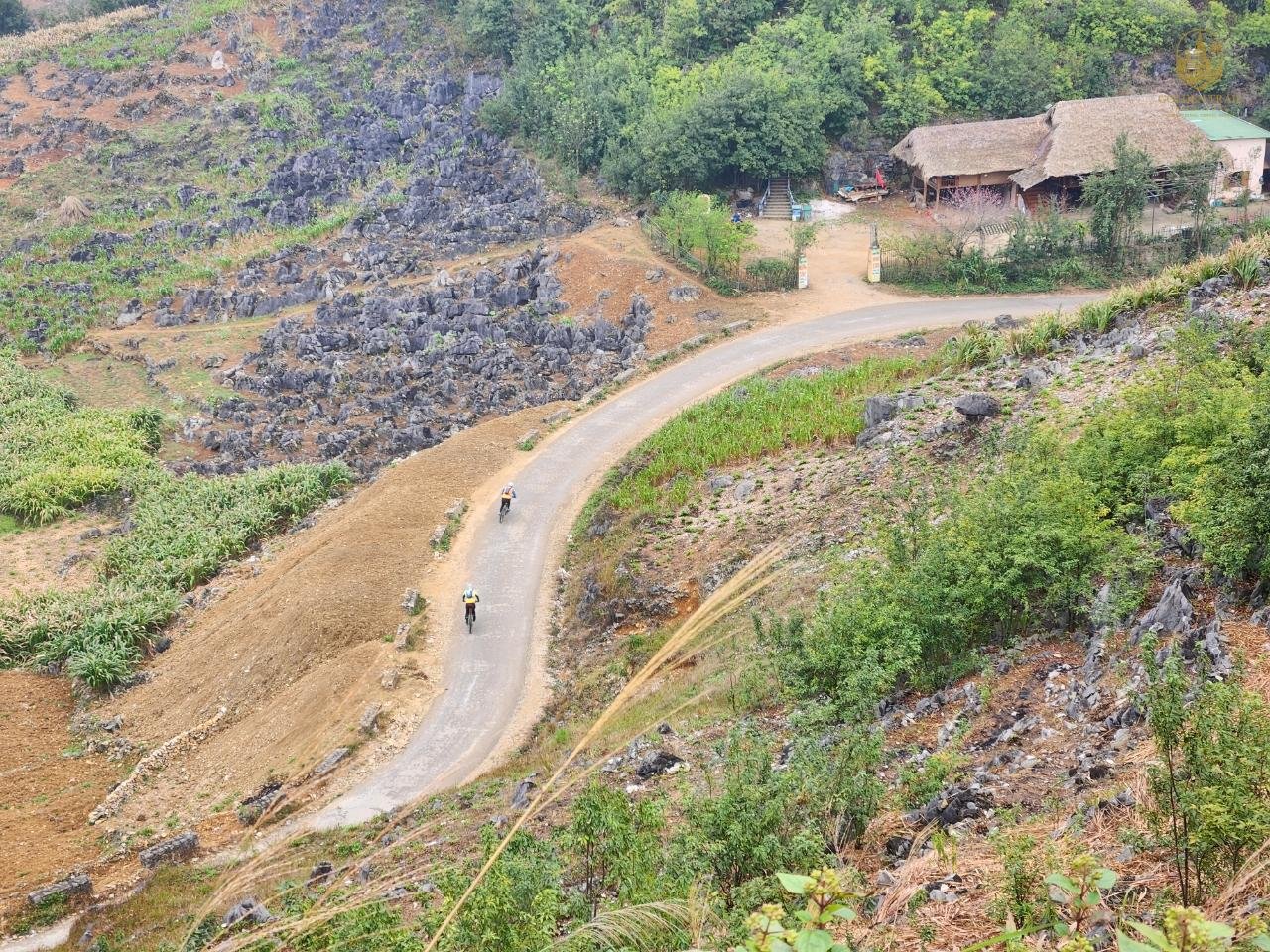
Cycling holidays in Vietnam are no longer a niche interest—they are becoming one of the most sought-after adventure travel experiences in Asia. And it’s easy to see why. Few countries offer such a rich blend of landscapes, cultures, cuisines, and climates along one continuous ribbon of road.
November 13, 2025
.jpeg "Best Cycling Tours Vietnam to Laos: The Ultimate Cross-Border Adventure")
Some journeys stay with you long after the wheels stop turning. A cycling tour from Vietnam to Laos is one of those rare adventures—raw, untamed, deeply cultural, and breathtaking at every turn. It is more than a route on a map; it is an emotional arc that takes you from rugged Vietnamese highlands to tranquil Lao river valleys, from bustling markets to remote mountain villages, from familiar rhythms to unexplored silence.
November 13, 2025