Mt. Popa: Ascending to the Abode of Myanmar's Nats
Introduction: Where Spirituality Meets Volcanic Grandeur
Rising dramatically from the parched plains of central Myanmar, an ancient volcanic plug known as Mt. Popa (pronounced "Po-pah") stands as a beacon of spiritual significance and natural wonder. This iconic landmark isn't just a geological marvel; it's the sacred home of Myanmar's revered Nats, or spirits, making it a pivotal pilgrimage site for devout Buddhists and a fascinating cultural experience for travelers. Often seen as an otherworldly oasis in the otherwise flat and arid landscape surrounding Bagan, Mt. Popa offers a unique blend of breathtaking views, mystical legends, and vibrant local traditions.
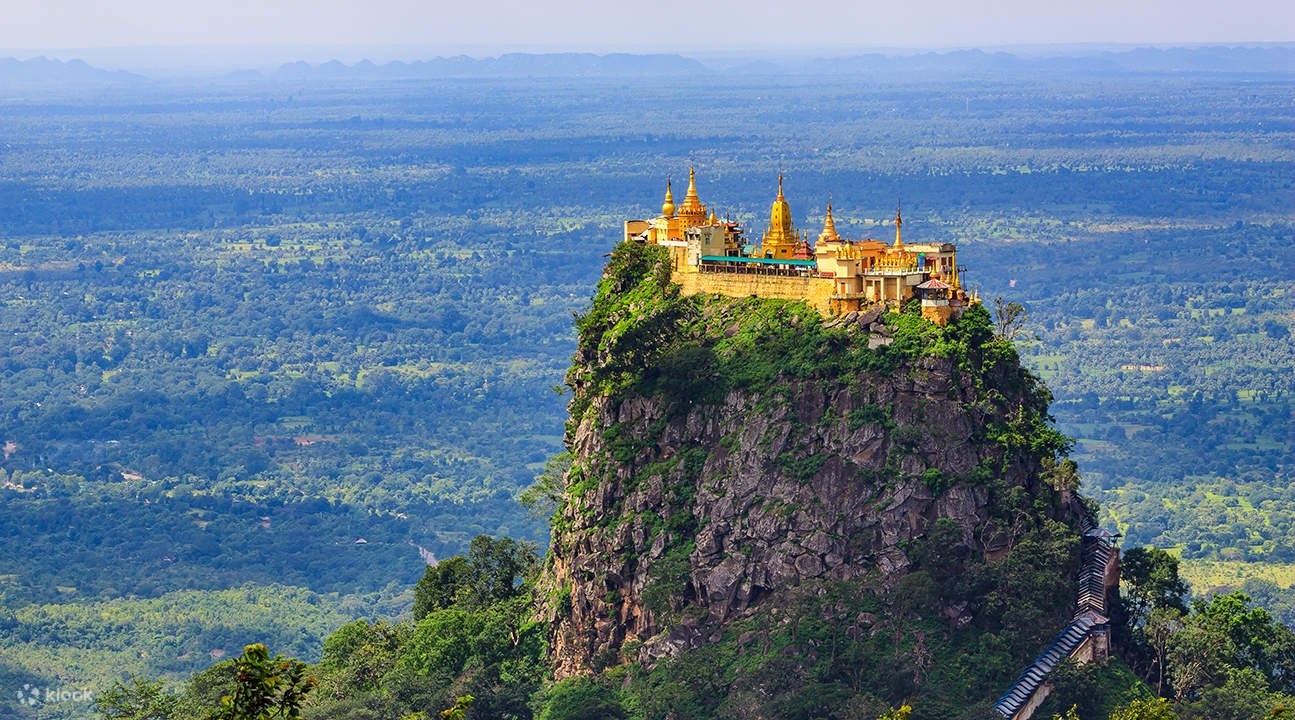
For centuries, pilgrims have ascended the 777 steps to the summit of Taung Kalat, the "Pedestal Hill," which is often mistakenly referred to as Mt. Popa itself (the actual Mt. Popa is the larger, extinct volcano behind it). At its peak, a complex of glittering monasteries, stupas, and shrines dedicated to the 37 Great Nats awaits, offering panoramic vistas that stretch to the horizon. This journey is not merely a climb; it's a spiritual pilgrimage, a cultural immersion, and an invigorating physical challenge that promises unforgettable memories.
This comprehensive guide will delve deep into the mystical allure of Mt. Popa. We'll explore its geological origins, unravel the fascinating world of Nat worship, provide a detailed guide to ascending Taung Kalat, offer practical tips for your visit, and highlight how Golden Trail Travel can seamlessly integrate this extraordinary destination into your Myanmar adventure. Prepare to step into a realm where ancient beliefs intertwine with stunning landscapes, and where every step upward is a journey closer to the heart of Myanmar's unique spiritual heritage.
A Geological Marvel: The Birth of a Sacred Peak
To truly appreciate Mt. Popa's significance, it's essential to understand its geological formation. The term "Mt. Popa" actually refers to the entire extinct volcano. Its name is believed to derive from the Pali word "puppha," meaning "flower," perhaps referring to its fertile slopes that stand in stark contrast to the surrounding dry zone.
The striking feature that captures most visitors' attention, however, is Taung Kalat, literally "Pedestal Hill." This dramatic volcanic plug is a remnant of a much larger eruption that occurred approximately 250,000 years ago. Over millennia, the softer outer layers of the volcano eroded away, leaving behind this incredibly resilient, steep-sided volcanic neck, which now stands approximately 737 meters (2,417 feet) above the plains.
The surrounding region is known as the "Dry Zone" of Myanmar, characterized by arid landscapes and acacia forests. The presence of Mt. Popa, with its relatively higher elevation and volcanic soil, creates a microclimate that supports richer vegetation, including medicinal plants and diverse birdlife, making it a green oasis in an otherwise parched environment. This ecological contrast further adds to its mystique and contributes to its reputation as a sacred and life-giving place.
The World of the Nats: Myanmar's Ancient Spirits
The spiritual heart of Mt. Popa lies in its deep connection to the Nats. Nats are spirits worshipped in Myanmar, often alongside Buddhism. They are believed to be the spirits of deceased humans who met tragic or violent deaths, and they can be benevolent or mischievous, influencing daily life, health, and fortune. While Buddhism is the predominant religion in Myanmar, Nat worship holds a strong, ancient, and deeply ingrained place in the cultural fabric.
The 37 Great Nats:
At the core of Nat worship are the 37 Great Nats, a pantheon of spirits recognized by the Bagan kings. Each Nat has a unique story, personality, and associated powers. Mt. Popa is considered the primary pilgrimage center for the entire Nat pantheon, with specific shrines dedicated to many of these powerful spirits at Taung Kalat.
-
Min Mahagiri (Lord of the Great Mountain): One of the most important and powerful Nats, often associated with protection.
-
Mae Wunna (Lady Popa): The most prominent Nat associated directly with Mt. Popa. She is believed to be a beautiful flower-eating ogress (or sometimes a human princess) who lived on the mountain. Her story is intertwined with the history and legends of the region.
-
The Brothers (Byatta and Byatwi): The sons of Mae Wunna, often depicted with their mother.
-
Other Nats: The shrines at Taung Kalat feature effigies of many other Nats, each receiving offerings and prayers from devotees.
Nat Worship Practices:
-
Offerings: Pilgrims bring a variety of offerings to the Nats, including flowers, fruits (especially bananas and coconuts), betel nut, money, and even sometimes liquor or cigarettes.
-
Spirit Mediums (Nat Kadaw): During festivals, particularly the Popa Nat Pwe (Popa Spirit Festival) in May/June (Nayon La Pwe), Nat Kadaws (spirit mediums, often transvestites) go into trances and are believed to embody the Nats, offering advice, blessings, and even performing dances. This is a vibrant, colorful, and highly energetic spectacle.
-
Rituals: Devotees perform various rituals, light candles, and make wishes to appease the Nats and seek their blessings for prosperity, health, and protection.
The blend of animistic Nat worship with Theravada Buddhism is a fascinating aspect of Myanmar's spirituality. While Buddhists do not worship the Nats in the same way they revere the Buddha, they often acknowledge and appease them, believing they can influence worldly affairs. This unique syncretism makes Mt. Popa a truly special place to observe Myanmar's spiritual landscape.
Ascending Taung Kalat: The 777 Steps to Enlightenment (and Views)
The journey to the summit of Taung Kalat is an integral part of the Mt. Popa experience. It's a climb that is both physical and spiritual.
The Climb Itself:
-
The Staircase: A covered walkway with a total of 777 steps leads from the base of Taung Kalat to the complex of monasteries and shrines at its peak. The steps are well-maintained but can be steep in places.
-
Monkeys: The mountain is home to a large population of macaques. While generally accustomed to tourists, they can be cheeky and will snatch food or shiny objects. It is crucial not to feed them, as this encourages aggressive behavior. Keep your belongings secure.
-
Footwear: As it is a sacred site, you must remove your shoes and socks before beginning the ascent. The steps can be sticky in places due to the monkeys. There are cleaners along the route, but it’s advisable to bring wet wipes for your feet.
-
Donation Boxes: Along the way, you'll encounter numerous donation boxes, usually for the upkeep of the pagoda and the maintenance of the stairs.
-
Views on the Way Up: The covered walkway offers glimpses of the surrounding plains and the larger Mt. Popa volcano.
-
Rest Stops: There are occasional rest stops and small shops along the staircase selling drinks and snacks.
At the Summit:
-
Panoramic Views: The reward for your climb is truly breathtaking. From the top, you'll be treated to stunning 360-degree panoramic views of the surrounding dry zone, the rolling hills, and the distant, larger Mt. Popa volcano. On a clear day, the views are expansive and unforgettable.
-
Nat Shrines: Explore the various shrines dedicated to the 37 Nats. You'll see their colorful effigies and observe pilgrims making offerings.
-
Monasteries and Stupas: Wander through the collection of glittering pagodas and monasteries, each with its own charm and spiritual significance.
-
Atmosphere: The summit is a bustling hub of spiritual activity, with pilgrims praying, making offerings, and enjoying the serene atmosphere.
Preparation for the Climb:
-
Dress Code: As a sacred site, modest dress is essential. Cover your shoulders and knees.
-
Hydration: Bring plenty of water, especially on warmer days.
-
Fitness: While the climb is not overly strenuous, it does require a reasonable level of fitness. Take your time, rest when needed.
-
Secure Belongings: Keep your valuables tucked away from the monkeys. Avoid carrying food or drinks openly.
Beyond the Summit: Exploring the Base and Surroundings
Even at the base of Taung Kalat, there's more to experience and observe before or after your climb.
1. Popa Village:
-
Local Life: The small village at the base of Mt. Popa offers a glimpse into local life. You'll find tea shops, souvenir stalls, and guesthouses.
-
Monkey Spotting: While the main monkey population is on the mountain, you'll often see them around the village too.
-
Palm Sugar Production (Toddy Palm): The region around Mt. Popa is famous for its toddy palm (Htan Ye) production. Many tours include a stop at a local palm sugar workshop where you can see how palm juice is collected, fermented into a potent alcoholic drink, or boiled down into various forms of palm sugar (jaggery). This offers a fascinating insight into a traditional local industry. You can sample products and buy fresh palm sugar.
2. Mt. Popa Resort:
-
For those seeking a more luxurious experience or simply a fantastic viewpoint, the Mt. Popa Resort, perched on a ridge facing Taung Kalat, offers breathtaking views of the "Pedestal Hill" and the surrounding plains. It's an ideal spot for a leisurely lunch or a refreshing drink while enjoying the iconic vista. Some tours include a stop here for photos or refreshments.
3. Local Markets:
-
Small markets often spring up around the base of the mountain, especially on festival days, selling traditional crafts, local produce, and religious items.
Integrating Mt. Popa into Your Myanmar Itinerary
Mt. Popa is usually visited as a half-day or full-day excursion from Bagan, one of Myanmar's most famous archaeological sites, known for its thousands of ancient temples.
-
Proximity to Bagan: Mt. Popa is approximately 50 kilometers (31 miles) southeast of Bagan, about a 1.5- to 2-hour drive.
-
Combining with Bagan: Many travelers combine a morning visit to Mt. Popa with an afternoon of temple exploring in Bagan, or vice versa. The drive itself is scenic, passing through rural landscapes and often past toddy palm plantations.
-
Full Day Trip: If you prefer a more relaxed pace, a full day can be dedicated to Mt. Popa, allowing ample time for the climb, exploring the base, visiting a toddy palm workshop, and enjoying lunch with a view.
-
Golden Trail Travel Expertise: Golden Trail Travel specializes in crafting comprehensive Myanmar itineraries. They can seamlessly integrate your Mt. Popa visit with your Bagan exploration, ensuring efficient transfers, knowledgeable guides, and comfortable arrangements, allowing you to maximize your time and experience.
Planning Your Trip to Mt. Popa: Essential Information
To make your visit to Mt. Popa smooth and enjoyable, keep these practical points in mind:
1. Best Time to Visit:
-
Dry Season (October to February): This is the ideal time. The weather is cooler, drier, and more comfortable for climbing. Visibility for the panoramic views from the summit is also usually best.
-
Early Morning: Starting your climb in the early morning helps avoid the midday heat and crowds.
-
Popa Nat Pwe (Spirit Festival): If your visit coincides with the Popa Nat Pwe (usually in May/June, but dates vary according to the lunar calendar), you'll experience a vibrant and unique cultural event. However, expect larger crowds and higher prices during this time.
2. Dress Code and Footwear:
-
Modest Attire is Mandatory: Cover your shoulders and knees. Long pants or skirts are appropriate.
-
Shoes and Socks Off: You must remove your shoes and socks before starting the 777-step climb. Wear slip-on shoes or sandals that are easy to remove and put back on. Be prepared for some sticky surfaces on the steps due to the monkeys and general foot traffic.
3. Monkeys:
-
Be Aware: The macaques on Mt. Popa are a significant presence.
-
DO NOT FEED THEM: This is crucial for your safety and theirs. Feeding makes them aggressive and reliant on human food.
-
Secure Belongings: Keep all valuables, food, and drinks securely tucked away in bags. Avoid dangling items or open pockets.
-
Avoid Eye Contact: Don't stare directly into their eyes, as this can be perceived as a challenge.
-
Be Calm: If a monkey approaches, remain calm and slowly move away.
4. Donations:
5. Water and Snacks:
-
Bring plenty of bottled water, especially if visiting during warmer months. There are small shops along the way, but prices might be higher.
-
Avoid openly carrying food that might attract monkeys.
6. Guide:
-
While you can visit independently, hiring a local guide (often part of a tour package with Golden Trail Travel) greatly enhances the experience. They can share fascinating stories about the Nats, explain the symbolism of the shrines, and help navigate the cultural nuances.
Why Choose Golden Trail Travel for Your Mt. Popa Excursion?
Experiencing Mt. Popa, with its unique spiritual significance and specific logistical requirements, is made effortless and enriching when you travel with Golden Trail Travel.
-
Expert Local Guides: Golden Trail Travel provides highly knowledgeable local guides who are fluent in English and possess a deep understanding of Myanmar's history, Buddhism, and crucially, the intricate world of Nat worship. They can explain the legends, identify the Nats, and provide cultural context that brings the entire experience to life.
-
Seamless Transfers: They handle all transportation from Bagan to Mt. Popa and back, including comfortable, air-conditioned vehicles, ensuring a smooth and stress-free journey.
-
Optimized Itinerary: Golden Trail Travel designs itineraries that ensure you visit Mt. Popa at the best time of day, allowing ample time for the climb, exploring the summit, visiting the palm sugar workshops, and enjoying the views, without feeling rushed.
-
Cultural Sensitivity: Their guides ensure that you understand and respect the local customs and traditions, particularly important at a sacred site like Mt. Popa, facilitating respectful interactions and a deeper appreciation of the spiritual practices.
-
Safety and Comfort: From advising on dealing with the monkeys to ensuring you have adequate water and support, Golden Trail Travel prioritizes your safety and comfort throughout the excursion.
-
Integrated Tours: If Mt. Popa is part of a larger Myanmar adventure, Golden Trail Travel can seamlessly integrate it into your overall itinerary, ensuring logical flow and maximizing your travel time efficiently.
-
Authentic Local Experiences: They can arrange visits to authentic toddy palm workshops, offering a genuine glimpse into local livelihoods and allowing you to sample traditional products.
Ready to ascend to the abode of Myanmar's Nats? Visit Golden Trail Travel's website today to explore their Myanmar tour packages that include an unforgettable visit to Mt. Popa and book your adventure: https://goldentrailtravel.com/
Beyond the Climb: The Enduring Charm of Mt. Popa
Mt. Popa's allure isn't just about reaching the summit; it's about the unique blend of spirituality, nature, and cultural authenticity that permeates the entire area. The stark contrast of this green, volcanic peak against the arid Bagan plains is a visual metaphor for the spiritual oasis it represents.
The sounds of chanting, the sight of vibrant offerings, the scent of incense, and the genuine devotion of pilgrims create an atmosphere unlike anywhere else in Myanmar. It's a place that transcends typical tourism, offering a window into the soul of the country and its deep-rooted beliefs.
Whether you're drawn by the geological wonder, the mystical Nats, the panoramic views, or simply the desire for a unique cultural experience, Mt. Popa delivers. It stands as a testament to the enduring power of faith and the captivating beauty of Myanmar's diverse landscapes. Your journey to this sacred mountain will undoubtedly be a highlight of your travels, leaving you with lasting memories and a deeper understanding of this fascinating nation.
FAQ (Frequently Asked Questions) about Mt. Popa
Q1: What is Mt. Popa, and what is Taung Kalat? A1: Mt. Popa refers to the entire extinct volcano. Taung Kalat (meaning "Pedestal Hill") is the dramatic, sheer-sided volcanic plug, often mistakenly referred to as Mt. Popa, where the main pilgrimage site and monasteries are located.
Q2: How many steps are there to the top of Taung Kalat? A2: There are 777 steps to the top of Taung Kalat. The entire stairway is covered.
Q3: What are Nats, and why are they important at Mt. Popa? A3: Nats are spirits worshipped in Myanmar, often alongside Buddhism. They are believed to be spirits of deceased humans who met tragic deaths. Mt. Popa is considered the primary pilgrimage center for the 37 Great Nats, with shrines dedicated to them at the summit of Taung Kalat.
Q4: Do I need to remove my shoes and socks for the climb? A4: Yes, absolutely. As a sacred site, you must remove your shoes and socks before beginning the 777-step ascent to the summit of Taung Kalat.
Q5: What should I wear for my visit to Mt. Popa? A5: Dress modestly, covering your shoulders and knees. Lightweight, breathable long pants or skirts are appropriate. Wear slip-on shoes or sandals that are easy to remove.
Q6: Are there monkeys at Mt. Popa? Should I feed them? A6: Yes, there are many monkeys (macaques) on Mt. Popa. It is crucial NOT to feed them. Feeding makes them aggressive and reliant on human food. Keep all food, drinks, and valuables securely tucked away.
Q7: How far is Mt. Popa from Bagan, and how do I get there? A7: Mt. Popa is approximately 50 kilometers (31 miles) southeast of Bagan, about a 1.5- to 2-hour drive. It's best visited by car or taxi from Bagan, often as part of an organized tour.
Q8: What is the best time to visit Mt. Popa? A8: The dry season (October to February) offers the most pleasant weather for the climb and best visibility. Climbing in the early morning is recommended to avoid the midday heat and crowds.
Q9: Can I visit a palm sugar workshop near Mt. Popa? A9: Yes, the region around Mt. Popa is known for toddy palm production. Many tours, including those by Golden Trail Travel, include a stop at a local palm sugar workshop where you can see the process and sample products.
Q10: Is Mt. Popa suitable for all fitness levels? A10: The 777-step climb requires a reasonable level of fitness. While it's not overly strenuous, it can be challenging for those with significant mobility issues. Take your time, and there are occasional rest stops.
Customer Reviews (Hypothetical) for Mt. Popa Tours with Golden Trail Travel
Here are some hypothetical customer reviews to highlight positive experiences with Golden Trail Travel's tours to Mt. Popa:
Review 1: "A Spiritual and Scenic Gem!" - Sarah M., Canada "Our trip to Mt. Popa with Golden Trail Travel was absolutely incredible! The drive from Bagan was scenic, and then suddenly this amazing volcanic plug just appears. The 777 steps were a fun challenge, and the views from the top were breathtaking. Our guide, Mr. Tun, was fantastic – he explained all about the Nats, their stories, and the local traditions, which made the visit so much more meaningful. The stop at the palm sugar workshop was also a highlight. Highly recommend Golden Trail Travel for this unique experience!"
Review 2: "Beyond Bagan – A Must-See!" - David L., UK "While Bagan's temples are majestic, Mt. Popa offers a completely different, yet equally captivating, side of Myanmar. The climb was invigorating, and the panoramic views from Taung Kalat were simply stunning. Golden Trail Travel organized everything perfectly, from the comfortable transfer to our knowledgeable guide who expertly navigated us through the spiritual customs and even helped us avoid mischievous monkeys! Don't miss this one."
Review 3: "Fascinating Insight into Nat Worship" - Emily R., USA "I was so intrigued by the concept of Nat worship, and Mt. Popa brought it to life! Our Golden Trail Travel guide, Aye Aye, was so passionate and insightful, explaining the stories of the 37 Nats and their significance. The atmosphere at the top, with all the shrines and devotees, was truly special. It's a fantastic cultural immersion. Plus, the views are incredible! Great tour."
Review 4: "Well-Organized and Enjoyable" - Mark P., Germany "We added Mt. Popa as a day trip from Bagan with Golden Trail Travel, and it was definitely worth it. The car was comfortable, the guide spoke excellent English, and the visit was perfectly timed. The climb was a good workout, and the reward of the views and the unique cultural experience at the summit was immense. They even helped us safely navigate the monkeys. A very well-organized and enjoyable excursion."
Review 5: "Magical Views and Local Flavors" - Chloe W., Australia "Mt. Popa was a visual feast! The white pagodas against the blue sky and the vast plains were just stunning. Our Golden Trail Travel guide was fantastic, pointing out all the details and explaining the Nat legends. We especially loved the visit to the local palm sugar farm on the way back – tasting fresh toddy juice was a highlight! A truly magical half-day adventure."



.jpg "Ho Chi Minh Trail Biking Tour: The Definitive Journey Through Vietnam’s Legendary Frontier")
.jpg "Ho Chi Minh Trail Cycling Tour Vietnam: The Ultimate Journey Through History and Landscape")
.jpg "The Ultimate Guide to Cycling the Ho Chi Minh Trail: A Journey Through History and Nature")
.jpg "Ho Chi Minh Trail Bicycle Tour: A Legendary Cycling Journey Through the Heart of Vietnam")
.jpg "Ho Chi Minh Trail Bike Tour: The Ultimate Cycling Journey Through Vietnam’s Legendary Route")
.jpg "Ho Chi Minh Trail Cycling: The Ultimate Adventure Through Vietnam’s Legendary Route")
.jpg "13 Days Northwest Cycling Tour in Vietnam: Conquer the Mountains, Feel the Freedom")