15 Ng. 100 Đ. Nguyễn Xiển, Thanh Xuân Nam, Thanh Xuân, Hà Nội 100000


15 Ng. 100 Đ. Nguyễn Xiển, Thanh Xuân Nam, Thanh Xuân, Hà Nội 100000
Nestled on the western bank of Myanmar's majestic Irrawaddy River, just a short boat ride from Mandalay, lies Mingun – a destination that captivates with its colossal, unfinished dreams and serene beauty. Unlike the bustling energy of Mandalay, Mingun offers a tranquil escape into a world where ancient ambition, monumental architecture, and a rich spiritual heritage converge. This isn't just a collection of historical sites; it's a testament to human endeavor, the raw power of nature, and the enduring spirit of Myanmar.
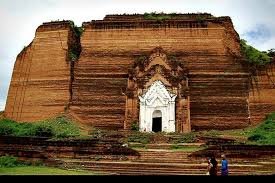
Mingun is dominated by the awe-inspiring, yet incomplete, Mingun Pahtodawgyi, the remains of what was intended to be the world's largest pagoda. Its sheer scale, even in ruins, is breathtaking, hinting at the grand vision of King Bodawpaya. Beyond this colossal structure, Mingun boasts the world's largest uncracked ringing bell, a unique white pagoda, and charming local life, making it an essential stop for any traveler exploring Upper Myanmar.
This comprehensive guide will take you on a journey through Mingun's storied past, explore its most significant landmarks, provide practical tips for your visit, and highlight why a trip to Mingun with Golden Trail Travel offers an unparalleled experience. Prepare to be amazed by the sheer scale of ambition and the serene charm of this unforgettable riverside gem.
The story of Mingun is inextricably linked to the ambitious vision of King Bodawpaya, who reigned from 1782 to 1819. He was a monarch with grand designs, and his most ambitious project was the construction of the Mingun Pahtodawgyi (or Mingun Pagoda), intended to be a colossal stupa standing at an unprecedented 150 meters (nearly 500 feet) tall. Had it been completed, it would have dwarfed all other pagodas and likely stood as the largest structure in the world at the time.
Construction began in 1790, involving thousands of slaves and prisoners of war who labored tirelessly to lay the massive brick foundation. The scale of the work was immense, requiring vast resources and manpower. However, a prophecy foretold that "as soon as the pagoda is finished, the kingdom will perish," a superstition that gradually gained traction and, coupled with the immense cost and logistical challenges, slowed down the project.
The pagoda remained unfinished at the time of King Bodawpaya's death in 1819. The lower third of the structure, already a monumental brick edifice, was all that had been completed. Then, in 1839, a massive earthquake struck the region, causing immense damage. The already incomplete Mingun Pahtodawgyi fractured significantly, creating deep, dramatic fissures that are visible to this day. These cracks, while a testament to the earthquake's power, also add to the pagoda's unique, melancholic beauty and allure.
Despite its unfinished state, the Mingun Pahtodawgyi remains an incredibly impressive sight. Its sheer size evokes a sense of wonder at King Bodawpaya's ambition and the sheer human effort involved in its partial construction. It stands as a powerful symbol of grandeur, folly, and the relentless forces of nature that ultimately thwarted a king's monumental dream.
Mingun's allure extends far beyond its famous unfinished pagoda. The village offers a cluster of unique attractions, each contributing to its distinct charm.
This is the undisputed centerpiece of Mingun. The massive, cracked brick edifice of the Mingun Pahtodawgyi is immediately striking.
Scale and Scope: Even in its ruined state, the sheer volume of brickwork is astounding. Stand at its base and look up to truly appreciate the intended height.
The Cracks: Examine the dramatic fissures caused by the 1839 earthquake. These cracks are a stark reminder of nature's power and add to the pagoda's dramatic appearance.
Panoramic Views (Caution Advised): Traditionally, visitors could climb to the top of the Mingun Pahtodawgyi for breathtaking panoramic views of the Irrawaddy River, the surrounding countryside, and Mandalay in the distance. However, due to safety concerns from further deterioration and seismic activity, climbing is now restricted or prohibited. Always check local regulations and prioritize your safety. Even from the base, the views of the structure itself are mesmerizing.
Lion Statues (Chinthe): Flanking the river approach to the pagoda, two enormous chinthe (lion-like mythical creatures) once stood guard. The earthquake also severely damaged these, leaving behind their impressive, albeit broken, forms. They offer a powerful sense of the scale of the original entrance.
What to do: Walk around the base of the structure, touch the ancient bricks, and imagine what it would have looked like completed. Take photos from various angles to capture its monumental scale and dramatic cracks.
Just a short walk from the Pahtodawgyi stands the magnificent Mingun Bell. Commissioned by King Bodawpaya to accompany his grand pagoda, this bell is an engineering marvel in itself.
Size and Weight: Weighing an astonishing 90 tons (approximately 200,000 pounds), it is the world's largest uncracked ringing bell. It stands over 3.7 meters (12 feet) high and measures 5 meters (16 feet) in diameter at its rim.
Construction: The bell was cast in 1808. Its immense size presented significant challenges in terms of casting and transportation across the river.
Ringing the Bell: Unlike many large bells, the Mingun Bell has no clapper. Instead, people traditionally strike its exterior with a large wooden beam to produce its deep, resonant tone. You can try this yourself! The sound is surprisingly rich and resonant.
What to do: Marvel at its immense size, stand beneath it (if permitted and safe), and take turns striking it with the wooden beam to experience its unique sound. It’s a truly interactive and memorable experience.
A striking contrast to the brick ruins of the Pahtodawgyi, the Hsinbyume Pagoda, also known as the Mya Thein Tan Pagoda, is an exquisite, pure white structure that seems to float against the sky. It is one of Myanmar's most photogenic sites.
Design and Symbolism: Built in 1816 by King Bagyidaw (King Bodawpaya's grandson) in memory of his beloved wife, Princess Hsinbyume, who died in childbirth, the pagoda's design is highly symbolic. It is meant to represent Sumeru Mountain (Mount Meru), the mythical center of the universe in Buddhist cosmology, with seven concentric terraces representing the seven mountain ranges leading up to the sacred peak.
Architectural Beauty: Its undulating, wave-like terraces and intricate, almost ethereal white stucco work are unlike any other pagoda in Myanmar. The unique design creates a sense of fluid movement.
Spiritual Climb: You can climb to the top of the pagoda via its curving staircases, offering wonderful photo opportunities of its intricate architecture and views of the surrounding area.
What to do: Take countless photos! Walk up the steps, explore the terraces, and appreciate the delicate artistry and spiritual symbolism. It's a serene and visually stunning experience.
Beyond the main historical sites, the charm of Mingun lies in its peaceful village atmosphere and the warmth of its people.
Local Market: Explore the small local market near the jetty, where you can find traditional crafts, local snacks, and souvenirs.
Handicrafts: Observe local artisans at work, often weaving traditional textiles or creating intricate wooden carvings.
Monasteries and Pagodas: Wander through the village to discover smaller, active monasteries and local pagodas, offering a glimpse into daily spiritual life.
Riverside Views: Enjoy the relaxed pace of life along the Irrawaddy River, watching local boats pass by.
What to do: Engage with locals (respectfully), try a local snack, and soak in the tranquil atmosphere.
The journey to Mingun is part of the experience, offering scenic views of the Irrawaddy River.
From Mandalay: Mingun is located approximately 11 kilometers (7 miles) north of Mandalay.
By Boat: The most popular and atmospheric way to reach Mingun is by public ferry or private boat from Mandalay.
Public Ferry: Public boats typically depart from the Mandalay jetty (often near 26th Street) around 9:00 AM and return from Mingun around 1:00 PM. The journey takes about an hour each way. It's a very affordable option and offers a local experience.
Private Boat: For more flexibility, you can hire a private longtail boat from the jetty. This allows you to set your own schedule, depart earlier or later, and spend more time at the sites. This is a great option for groups or those who prefer a more personalized experience.
Golden Trail Travel Advantage: When you book a tour with Golden Trail Travel, your transportation to Mingun, including the scenic boat ride, will be seamlessly arranged, ensuring comfort and convenience.
Once you arrive in Mingun, all the main attractions are within walking distance of each other. The village is small and easily explored on foot. Alternatively, you can hire a local ox cart for a unique and charming way to get around, adding to the traditional experience.
To make the most of your trip to Mingun, consider these practical tips:
Dry Season (October to February): This is the most pleasant time, with cooler temperatures and less humidity, ideal for exploring.
Morning Trip: Taking the early morning public boat is recommended. You avoid the midday heat, and the light for photography is often best. The sites are also less crowded.
Mingun is usually covered by the Sagaing-Mingun archaeological zone fee (often combined with a Mandalay archaeological zone pass), which you might purchase upon arrival in Mingun or in Mandalay. Always keep your ticket as it may be checked at different sites.
Modest Attire: When visiting pagodas and religious sites in Myanmar, it is essential to dress modestly. This means covering your shoulders and knees. Lightweight, breathable fabrics are best.
Footwear: You will need to remove your shoes and socks before entering all temple compounds. Wear slip-on shoes or sandals for easy removal.
Water: Stay hydrated, especially during warmer months.
Sun Protection: Hat, sunglasses, and sunscreen are essential as there's limited shade at the sites.
Camera: For capturing the impressive architecture and river views.
Small Denominations of Kyat: For purchasing souvenirs, snacks, or hiring an ox cart.
Wet Wipes/Hand Sanitizer: Useful after touching surfaces or if you choose to ring the bell.
Respectful Engagement: The people of Mingun are generally welcoming. If you want to take photos of locals, always ask for permission first, especially if it's a close-up.
Bargaining: If buying souvenirs, a little friendly bargaining is expected in the market.
A visit to Mingun is almost always done as a half-day trip from Mandalay. You can combine it with exploring Mandalay's main attractions, such as Mandalay Hill, the Royal Palace, and various monasteries, in the afternoon. Golden Trail Travel can help you seamlessly integrate Mingun into your Mandalay itinerary.
While Mingun can be visited independently, opting for a tour with Golden Trail Travel significantly enhances your experience, offering convenience, insight, and a deeper appreciation for this unique destination.
Seamless Logistics: Golden Trail Travel handles all the practicalities: arranging comfortable boat transfers from Mandalay, coordinating entry tickets, and ensuring you get to each site efficiently. This removes any stress and allows you to fully enjoy the journey.
Expert Local Guides: Their knowledgeable local guides are invaluable. They provide historical context for the Mingun Pahtodawgyi, share fascinating stories about King Bodawpaya and the local legends, and explain the symbolism behind structures like Hsinbyume Pagoda. Their insights bring the ruins and temples to life in a way that simply reading from a guidebook cannot.
Cultural Immersion: Guides from Golden Trail Travel can facilitate respectful interactions with local villagers, helping you understand their daily lives and traditions, and providing opportunities to try local snacks or observe handicrafts.
Optimized Itinerary: They know the best timings for visiting each site to avoid crowds and make the most of the lighting for photography, ensuring you get the best possible experience within your half-day trip.
Comfort and Safety: From choosing reliable boats to ensuring safe navigation around the sites (especially with regards to climbing restrictions), Golden Trail Travel prioritizes your comfort and safety throughout the tour.
Integrated Travel: If Mingun is part of a larger Myanmar itinerary, Golden Trail Travel can seamlessly integrate it, ensuring smooth transitions between destinations and a cohesive travel experience.
Ready to explore the colossal dreams and serene beauty of Mingun? Visit Golden Trail Travel's website today to discover their curated Myanmar tours that include this extraordinary destination: https://goldentrailtravel.com/
Mingun offers unparalleled photographic opportunities, from its monumental structures to its serene river views and charming local life.
Mingun Pahtodawgyi: Capture its sheer scale from a wide-angle perspective. Focus on the dramatic cracks and the texture of the ancient bricks. Early morning or late afternoon light can bring out the warmth of the brick.
Hsinbyume Pagoda: The pure white stucco and flowing lines make for stunning images. Use the unique staircases for leading lines. Consider visiting on a clear blue sky day to contrast the white pagoda.
Mingun Bell: Frame the bell to emphasize its immense size. Try capturing people interacting with it to show scale.
Irrawaddy River: Photograph the traditional wooden boats, the reflections on the water, and the serene riverside landscape.
Local Life: Candid shots of villagers, monks, and children can add a human element to your Mingun photo essay. Always remember to ask for permission for close-up portraits.
Sunrise/Sunset: While not directly in Mingun, the boat journey offers excellent opportunities to capture sunrise or sunset over the Irrawaddy, adding a magical touch to your photos.
A trip to Mingun perfectly complements an exploration of Mandalay, Myanmar's last royal capital. While Mingun offers ancient ruins and tranquility, Mandalay provides a vibrant urban experience with its own set of fascinating sites:
Mandalay Hill: Climb to the summit for panoramic views of the city, the Irrawaddy River, and the surrounding plains, especially stunning at sunset.
Mandalay Royal Palace: Explore the reconstructed palace complex, a sprawling walled city within a city, offering insights into Myanmar's royal past.
Shwenandaw Monastery (Golden Palace Monastery): A magnificent teak wood monastery, intricately carved, that once formed part of the Royal Palace. It's a rare survivor of the original palace buildings.
Kuthodaw Pagoda: Home to the "World's Largest Book," 729 marble slabs inscribed with Buddhist scriptures, each housed in its own small stupa.
Mahamuni Buddha Temple: A highly revered pilgrimage site housing a gold-leafed Buddha image, constantly adorned by male devotees.
U Bein Bridge (Amarapura): Just south of Mandalay, this iconic teakwood bridge is a photographer's dream, especially at sunset, with monks and locals crossing its ancient planks.
Golden Trail Travel can curate comprehensive tours that combine the historical wonders of Mandalay with the unique allure of Mingun, ensuring a rich and diverse exploration of Upper Myanmar.
Mingun is truly a destination unlike any other. It’s a place where you can stand in awe of a king's monumental ambition, witness the destructive yet sculptural power of an earthquake, and marvel at the delicate beauty of a pagoda built from love. It's a journey into a quieter corner of Myanmar, where the pace slows, and the echoes of history resonate profoundly.
The colossal Mingun Pahtodawgyi, despite its unfinished state and earthquake scars, continues to inspire awe. The resonant Mingun Bell offers a unique interactive experience, and the graceful Hsinbyume Pagoda provides a serene and visually stunning contrast. Beyond these landmarks, the gentle rhythm of village life along the Irrawaddy adds an authentic charm to the entire experience.
A visit to Mingun is not just about seeing ancient structures; it's about connecting with a story of human endeavor, resilience, and the ever-present force of nature. It’s a reminder that even unfinished dreams can leave an indelible mark on the landscape and in our imaginations. Let Golden Trail Travel be your guide to this remarkable destination, ensuring your journey to Mingun is insightful, seamless, and truly unforgettable.
Q1: How do I get to Mingun from Mandalay? A1: The most common and recommended way is by public ferry or private boat from the Mandalay jetty. Public ferries usually depart around 9:00 AM and return at 1:00 PM, taking about an hour each way. Private boats offer more flexibility.
Q2: Is it possible to climb the Mingun Pahtodawgyi? A2: No, climbing the Mingun Pahtodawgyi is currently restricted or prohibited due to safety concerns from its unstable condition after the 1839 earthquake and subsequent deterioration. Always respect local regulations and prioritize your safety. You can still admire its colossal scale from the base.
Q3: Is there an entrance fee for Mingun? A3: Yes, Mingun is typically covered by the Sagaing-Mingun archaeological zone fee, which might be a combined ticket with other sites in the Mandalay region. You usually pay upon arrival in Mingun or when purchasing a Mandalay archaeological zone pass.
Q4: What is the Mingun Bell famous for? A4: The Mingun Bell is famous for being the world's largest uncracked ringing bell. It weighs 90 tons and was intended for the Mingun Pahtodawgyi. You can typically strike its exterior with a wooden beam to hear its deep tone.
Q5: What is the Hsinbyume Pagoda? A5: The Hsinbyume Pagoda (also known as Mya Thein Tan Pagoda) is a beautiful, pure white pagoda built in 1816. Its unique design represents Mount Meru and is highly photogenic, offering a striking contrast to the brick ruins of the Mingun Pahtodawgyi.
Q6: How long should I spend in Mingun? A6: Most visitors spend a half-day in Mingun. The public ferry schedule (9 AM departure, 1 PM return) allows ample time to see all the main attractions comfortably.
Q7: What should I wear when visiting Mingun's pagodas? A7: When visiting pagodas and religious sites in Myanmar, you must dress modestly, covering your shoulders and knees. You will also need to remove your shoes and socks before entering the compounds.
Q8: Are there places to eat in Mingun? A8: Yes, there are local tea shops and small restaurants in Mingun village where you can grab a snack or a simple meal. Many visitors bring some snacks with them or plan to eat back in Mandalay.
Q9: Can I hire an ox cart in Mingun? A9: Yes, ox carts are available for hire near the jetty and offer a charming, traditional way to get around the small village and between the sites.
Q10: Is Mingun suitable for children? A10: Yes, Mingun can be an interesting and educational visit for children. The sheer size of the unfinished pagoda and the experience of ringing the giant bell can be quite engaging for younger visitors. The boat ride is also enjoyable.
Here are some hypothetical customer reviews to illustrate positive experiences with Golden Trail Travel's tours to Mingun:
Review 1: "Mingun: Awe-Inspiring and Serene!" - Sarah J., Australia "Our trip to Mingun with Golden Trail Travel was an absolute highlight of our Myanmar trip. The unfinished pagoda is truly mind-blowing in its scale, and the Hsinbyume Pagoda is just stunningly beautiful – so ethereal! Our guide, Ko Ko, brought the history to life with his engaging stories about King Bodawpaya. The boat ride across the Irrawaddy was so peaceful. Everything was perfectly organized. Highly recommend this tour with Golden Trail Travel!"
Review 2: "Seamless and Insightful Half-Day Trip" - David L., Canada "We wanted to visit Mingun but weren't sure about arranging the boat and tickets ourselves. Booking with Golden Trail Travel was the best decision. Our guide was waiting for us at the jetty, and we had a comfortable private boat. He provided fascinating insights at each site, especially about the Mingun Bell's history. It was a seamless and very insightful half-day trip. Thank you for a wonderful experience!"
Review 3: "Beyond Expectations – The White Temple is Magical" - Emily R., UK "Mingun was more incredible than I imagined. The sheer size of the ruins is astounding, but the Hsinbyume Pagoda (the white one!) was truly magical – so photogenic! Our Golden Trail Travel guide knew all the best spots for photos and shared so much local knowledge. The ringing of the giant bell was also a unique experience. Definitely a must-do from Mandalay, and Golden Trail Travel makes it so easy and enjoyable."
Review 4: "A Glimpse into Royal Ambition" - Mark P., Germany "As someone interested in history, Mingun provided a fascinating glimpse into the ambitions of King Bodawpaya. Seeing the scale of the Mingun Pahtodawgyi and imagining its original vision was powerful. Our Golden Trail Travel guide's historical context was invaluable. It’s a peaceful and meaningful escape from the city bustle. Excellent service and well-executed tour."
Review 5: "Perfect Complement to Mandalay" - Chloe W., USA "We spent a few days in Mandalay and decided to add Mingun. It was the perfect complement! The boat ride was lovely, and the sites in Mingun are so unique. Ringing the giant bell was surprisingly fun! Golden Trail Travel made all the arrangements easy, and our guide was friendly and informative. If you're in Mandalay, make sure to visit Mingun with Golden Trail Travel!"
.jpg "Ho Chi Minh Trail Biking Tour: The Definitive Journey Through Vietnam’s Legendary Frontier")
At Golden Trail Travel, we specialize in transforming this historical legend into an accessible, world-class adventure. Our meticulously designed cycling tours offer more than just a ride; they provide a gateway to the "Blood Vessel of Vietnam," guided by experts who understand the terrain as well as the history that defines it.
December 19, 2025
At Golden Trail Travel, we believe that to truly see Vietnam, you must slow down to the pace of two wheels. Our expertly curated cycling tours are designed to immerse you in the culture, history, and natural splendor of this legendary trail, ensuring that every pedal stroke tells a story.
December 19, 2025
.jpg "Ho Chi Minh Trail Cycling Tour Vietnam: The Ultimate Journey Through History and Landscape")
At Golden Trail Travel, we specialize in turning this historical legend into a tangible reality. Whether you are a seasoned cyclist looking for a grueling challenge or a history enthusiast wanting to witness the remnants of the American War (known in Vietnam as the Resistance War Against America), our meticulously planned expeditions provide the perfect balance of adventure and comfort.
December 19, 2025
.jpg "The Ultimate Guide to Cycling the Ho Chi Minh Trail: A Journey Through History and Nature")
Cycling the Ho Chi Minh Trail is not just a physical challenge; it is an immersion into the soul of Vietnam. Once a complex web of tracks, paths, and roads used by the North Vietnamese during the American War, it has transformed into one of the most scenic and culturally rich cycling routes in Southeast Asia. Whether you are an adrenaline junkie seeking steep climbs or a history buff looking to touch the remnants of the past, this legendary trail offers an unparalleled experience.
December 19, 2025
.jpg "Ho Chi Minh Trail Bicycle Tour: A Legendary Cycling Journey Through the Heart of Vietnam")
Vietnam is a destination that captivates travelers with its dramatic landscapes, resilient history, and vibrant cultural identity. Among the many ways to explore this fascinating country, a Ho Chi Minh Trail bicycle tour stands out as one of the most immersive and meaningful adventures available. More than a cycling holiday, this journey is a passage through history, nature, and authentic rural life that few travelers ever truly experience.
December 19, 2025
.jpg "Ho Chi Minh Trail Bike Tour: The Ultimate Cycling Journey Through Vietnam’s Legendary Route")
Vietnam is a country where history, nature, and culture intersect in powerful ways. Among all adventure travel experiences, a Ho Chi Minh Trail bike tour stands out as one of the most profound and rewarding journeys for cyclists and explorers alike. This legendary route offers far more than scenic cycling. It is a deep dive into Vietnam’s past, a close encounter with remote rural life, and a physically engaging adventure through some of Southeast Asia’s most untouched landscapes.
December 19, 2025
.jpg "Ho Chi Minh Trail Cycling: The Ultimate Adventure Through Vietnam’s Legendary Route")
Vietnam is a country where history, culture, and breathtaking landscapes blend seamlessly—and there is no better way to experience this than through Ho Chi Minh Trail cycling. This legendary route is more than just a path; it is a living museum, a ribbon of stories stretching from north to south, through misty mountains, remote ethnic villages, dense jungles, and peaceful rural countryside.
December 19, 2025
.jpg "13 Days Northwest Cycling Tour in Vietnam: Conquer the Mountains, Feel the Freedom")
This 13 Days Northwest Cycling Tour is not just a holiday – it’s a journey of emotions. Imagine the burn in your legs as you climb a winding mountain pass, the rush of wind on a long downhill, the warmth of tea shared with a local family, and the quiet pride you feel each evening knowing you conquered another stretch of northern Vietnam by bike.
December 12, 2025

There are few better ways to experience Vietnam's vibrant culture than through a market day cycling tour. Imagine pedaling through misty valleys at sunrise, reaching a bustling rural market just as locals arrive on motorbikes, on foot, or with baskets balanced on their shoulders. The colors, sounds, and smells are pure sensory overload — and completely unforgettable.
December 04, 2025
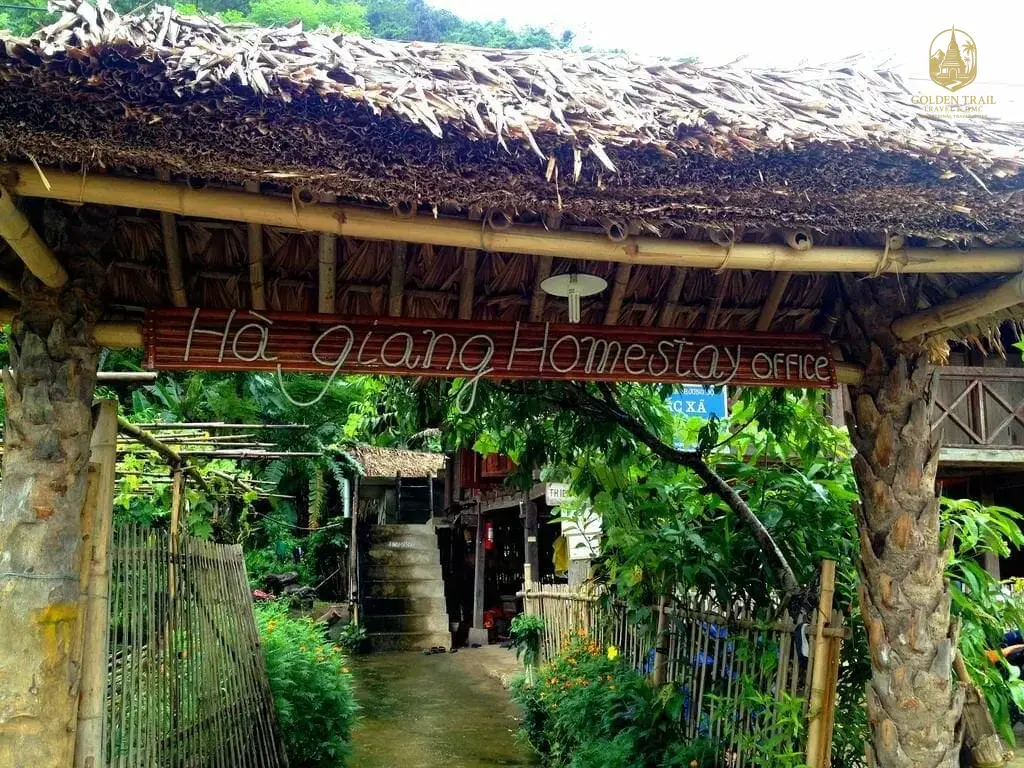
Want to truly connect with the heart and soul of Vietnam while exploring its scenic landscapes on two wheels? A homestay cycling tour offers the perfect blend of physical adventure, cultural immersion, and community connection.
December 04, 2025

Looking for a way to explore the stunning mountains, rice terraces, and cultural villages of Northern Vietnam — without the exhaustion of steep climbs? An E-bike tour in Northern Vietnam is the perfect answer. Blending the joy of cycling with the ease of pedal assistance, e-biking lets you fully immerse yourself in the landscapes and cultures of the north, regardless of fitness level.
December 04, 2025

There are few experiences in Southeast Asia as magical as cycling through golden rice terraces during harvest season. Imagine riding past endless layers of shimmering gold, hearing the hum of local farmers harvesting by hand, and smelling the sweet scent of ripened rice in the cool autumn air. That’s the essence of rice harvest season cycling in Northern Vietnam — a perfect mix of nature, culture, and adventure.
December 04, 2025

Cycling through Northern Vietnam is one of Asia’s most rewarding adventures. The region offers misty mountains, lush rice terraces, ethnic villages, and thrilling climbs — but to enjoy it fully, timing is everything. Knowing the best time to cycle Northern Vietnam ensures you're riding in the right weather, with the best road conditions, views, and cultural experiences.
December 04, 2025
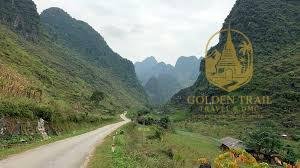
Northern Vietnam is a dreamland for adventure travelers, cyclists, and motorbike riders. Its towering mountains, ethnic villages, and winding valleys offer unmatched beauty — but behind every epic route lies a practical question: what’s the real road condition in Northern Vietnam?
December 04, 2025

Vietnam is a paradise for cyclists craving epic climbs, challenging ascents, and unforgettable scenery. With its dramatic mountain passes, misty highlands, and low-traffic roads, cycling climbs in Vietnam offer a unique combination of physical challenge and visual reward. From the twisting switchbacks of the north to the cool pine-covered roads of the Central Highlands, Vietnam’s climbs are as varied as they are breathtaking.
December 04, 2025

From mist-covered highland passes to lush river valleys, the elevation profile of North Vietnam is as diverse and dramatic as its landscapes. Whether you're planning a multi-day cycling tour, a trekking expedition, or simply want to understand the physical terrain of this rugged region, knowing the elevation changes is key to preparation and performance.
December 04, 2025
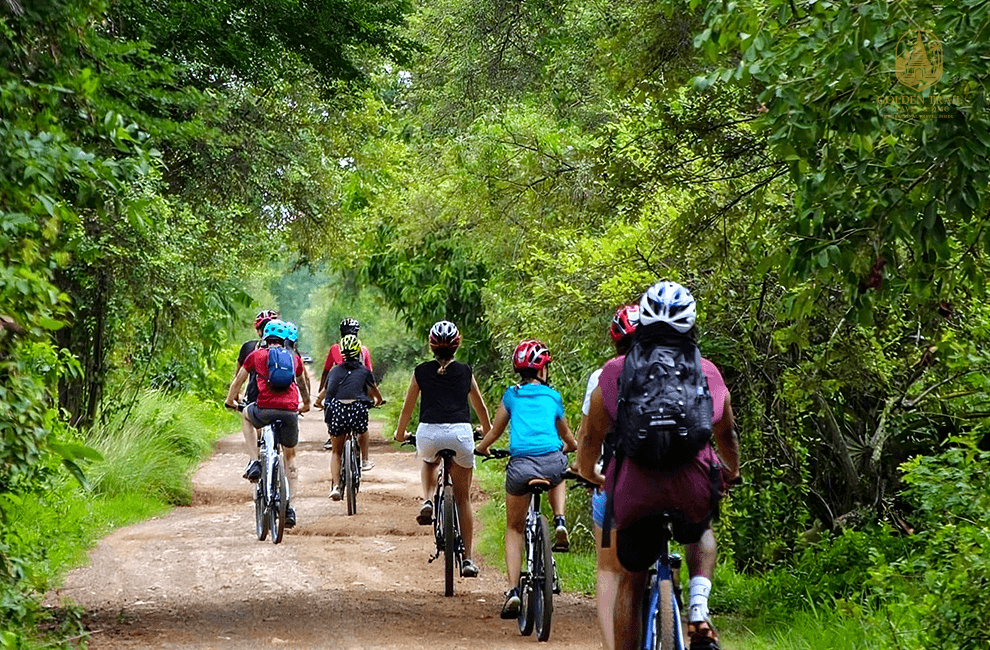
If you’re searching for one of Southeast Asia’s most exhilarating and visually stunning cycling adventures, look no further than Tonkin Alps cycling in northern Vietnam. This hidden gem — stretching across the remote provinces of Ha Giang, Lao Cai, and Yen Bai — offers epic mountain passes, ethnic hill-tribe encounters, and landscapes that rival the European Alps.
December 04, 2025

Cycling from Hanoi to Halong Bay is one of the most rewarding and accessible adventures in northern Vietnam. This route takes you through bustling city streets, tranquil countryside, traditional villages, and finally to the emerald waters and limestone cliffs of one of the world's natural wonders.
December 04, 2025

For the adventurous soul, few journeys in Vietnam match the thrill and beauty of going from Hanoi to Sapa by bike. Spanning over 300 kilometers of winding roads, mountain passes, and scenic countryside, this route challenges your legs and rewards your spirit with every turn of the pedal.
December 04, 2025
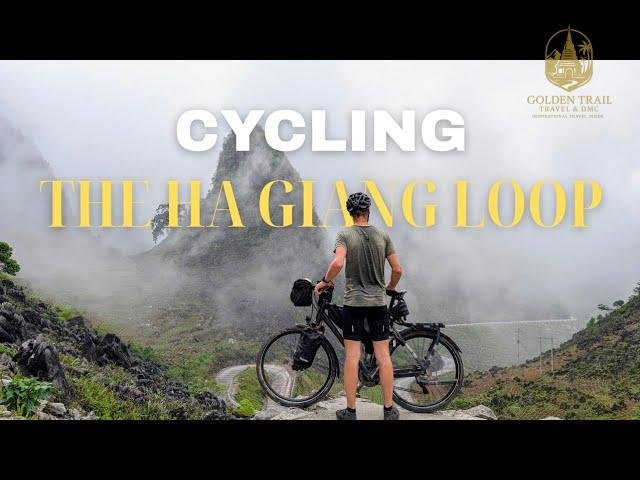
If you're seeking an unforgettable adventure through Vietnam’s most breathtaking landscapes, The Ha Giang Loop cycling journey delivers it all. Towering mountains, dramatic passes, ethnic hill-tribe culture, and rugged, winding roads await you in this legendary region near the Chinese border.
December 04, 2025