Keng Tung: Unveiling the Enigmatic Jewel of Eastern Shan State
Introduction: Where Time Whispers Ancient Tales
Nestled amidst the mist-shrouded mountains of Myanmar's Eastern Shan State lies Keng Tung (also spelled Kyaingtong), a destination that feels suspended in time. Far removed from the well-trodden tourist paths, this captivating town offers a profound immersion into a world where ancient traditions thrive, vibrant ethnic cultures intermingle, and breathtaking landscapes unfold at every turn. Keng Tung is not just a place to visit; it's an experience that awakens the senses and enriches the soul, a true gem for the intrepid traveler seeking authenticity and discovery.
In a world increasingly homogenized, Keng Tung stands as a defiant bastion of heritage. Its allure lies in its untouched beauty, the genuine warmth of its people, and the kaleidoscope of ethnic diversity that colors its daily life. From the moment you arrive, you'll be enveloped in an atmosphere unlike anywhere else in Southeast Asia, a harmonious blend of Shan, Akha, Lahu, Ann, and other indigenous cultures, each contributing to the town's unique tapestry.
This comprehensive guide aims to be your ultimate resource for exploring Keng Tung. We'll delve deep into its rich history, unravel the mysteries of its diverse cultures, highlight its must-see attractions, and provide practical tips for planning your unforgettable journey. So, pack your bags, open your mind, and prepare to be captivated by the enigmatic charm of Keng Tung.
A Glimpse into the Past: The Storied History of Keng Tung
The history of Keng Tung is as rich and intricate as the patterns on a traditional Shan textile. For centuries, it served as the capital of the powerful Keng Tung principality, a semi-independent state within the Shan Confederacy. Its strategic location, nestled amidst fertile plains and vital trade routes connecting Myanmar, Thailand, Laos, and China, made it a significant cultural and commercial hub.
Legend has it that Keng Tung was founded in the 13th century by King Mangrai, the founder of the Lanna Kingdom (modern-day Chiang Mai). This historical connection is evident in the striking similarities between Keng Tung's architecture, language, and customs and those found in Northern Thailand. Over the centuries, Keng Tung witnessed the rise and fall of various empires, endured periods of Burmese and Thai suzerainty, and adapted to countless shifts in regional power dynamics.
During the British colonial era, Keng Tung maintained a degree of autonomy, serving as an important administrative center. However, its isolation from the rest of Myanmar meant it remained largely untouched by the rapid development seen in other parts of the country. This isolation, while perhaps hindering economic progress in the past, has inadvertently preserved Keng Tung's unique character and cultural integrity, making it an even more compelling destination today.
The latter half of the 20th century saw Keng Tung, like much of the Shan State, become embroiled in complex political conflicts. However, in recent years, with increasing stability, the region has gradually opened its doors to tourism, allowing intrepid travelers to experience its hidden wonders. The resilience of the Keng Tung people, their unwavering commitment to their traditions, and their welcoming spirit are testaments to a history that has shaped them into a truly remarkable community.
The Cultural Mosaic: Embracing Keng Tung's Ethnic Diversity
One of Keng Tung's most profound attractions is its extraordinary ethnic diversity. The town and its surrounding hills are home to a vibrant mosaic of indigenous groups, each with its own distinct language, customs, traditional dress, and spiritual beliefs. This cultural richness is palpable in every interaction, every market visit, and every encounter with the local people.
The Shan People: As the dominant ethnic group in Keng Tung, the Shan people are known for their elegant dress, refined manners, and strong Buddhist traditions. Their pagodas and monasteries are prominent features of the landscape, and their unique script and traditional music add to the town's distinctive ambiance. You'll often see Shan women adorned in beautiful, brightly colored sarongs and delicate blouses, their long hair often tied up with ornate silver pins.
The Akha People: Instantly recognizable by their elaborate silver head-dresses, the Akha are an animist hill tribe renowned for their intricate craftsmanship and strong communal bonds. Their villages, often perched high in the mountains, offer a fascinating glimpse into a way of life that has remained largely unchanged for centuries. Engaging with the Akha people provides a deep understanding of their animistic beliefs, their reverence for nature, and their unique social structures.
The Lahu People: Another significant hill tribe, the Lahu, are known for their hunting skills and their distinctive black clothing often embellished with colorful embroidery. They are primarily animist, though some have converted to Christianity. Their music, often played on traditional instruments, is a captivating aspect of their cultural expression.
The Ann (Eng) People: The Ann, also known as Eng, are a smaller but equally fascinating ethnic group. They are particularly distinct due to their practice of blackening their teeth, a traditional custom believed to enhance beauty and ward off evil spirits. Their villages offer a truly unique cultural encounter.
The Palaung People: While less prevalent directly in Keng Tung town, the Palaung people, particularly the Silver Palaung, reside in the surrounding hills and are known for their tea cultivation and colorful traditional attire. Their vibrant costumes, often adorned with silver ornaments, are a sight to behold.
Other Ethnic Groups: Beyond these prominent groups, Keng Tung is also home to smaller communities of Wa, Kachin, and other ethnic minorities, each contributing to the town's rich cultural tapestry.
Interacting with Local Communities: A visit to Keng Tung is incomplete without venturing into the ethnic minority villages. Golden Trail Travel specializes in crafting responsible and respectful tours that facilitate meaningful interactions with these communities. Remember to always seek permission before taking photographs, dress modestly, and be mindful of local customs. These encounters offer an unparalleled opportunity to learn about diverse ways of life and gain a deeper appreciation for Keng Tung's cultural heritage.
Must-See Attractions and Experiences in Keng Tung
Keng Tung may not boast grand, sprawling historical sites like Bagan or Mandalay, but its charm lies in its subtle beauty, authentic local life, and serene atmosphere. Each attraction offers a unique window into the town's soul.
1. Keng Tung Market (Nyaung Tone Market): The Heartbeat of the Town
The bustling Keng Tung Market is arguably the most vibrant and captivating attraction in town. This daily market is a sensory overload in the best possible way, a kaleidoscope of colors, sounds, and aromas. Here, you'll witness the incredible ethnic diversity of Keng Tung firsthand as people from various hill tribes descend from their villages to trade goods.
-
What to see: Fresh produce, exotic fruits, traditional textiles, handmade crafts, local snacks, and a fascinating array of everyday items. Look out for the distinct traditional dresses worn by the different ethnic groups.
-
What to do: Immerse yourself in the lively atmosphere, observe the local interactions, try some local delicacies, and perhaps pick up a unique souvenir. This is an excellent place for photography, but always be respectful and ask permission.
-
Best time to visit: Early morning, when the market is at its most active and atmospheric.
2. Naung Tong Lake (Nong Tong Lake): A Serene Oasis
Located in the heart of Keng Tung, Naung Tong Lake offers a tranquil escape from the bustling market. Surrounded by lush greenery and dotted with traditional wooden houses, it's a popular spot for locals to relax, fish, and enjoy the cool breeze.
-
What to see: Picturesque reflections of the surrounding hills and houses, local fishermen going about their daily routines, and children playing by the water's edge.
-
What to do: Take a leisurely stroll around the lake, enjoy the peaceful ambiance, or simply sit on a bench and soak in the views. There are several quaint tea shops and restaurants around the lake where you can enjoy a refreshing drink or a meal.
3. Maha Myat Muni Pagoda: A Spiritual Landmark
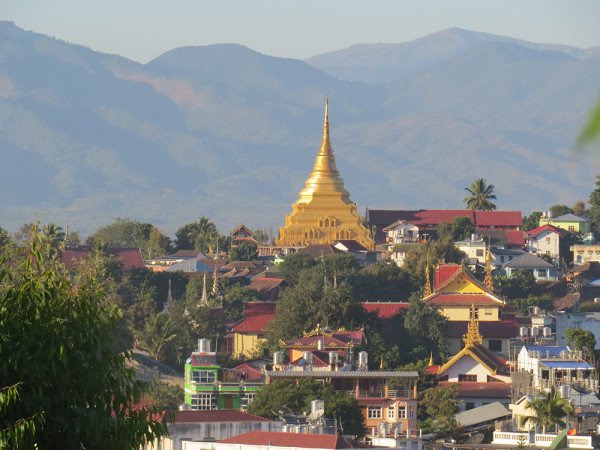
Perched on a hill overlooking Keng Tung, the Maha Myat Muni Pagoda is one of the most revered Buddhist sites in the region. It houses a replica of the famous Maha Myat Muni Buddha image in Mandalay and offers panoramic views of the town and surrounding landscapes.
-
What to see: The impressive gold-leafed Buddha image, intricate traditional Burmese architecture, and stunning vistas.
-
What to do: Climb to the pagoda for spiritual contemplation, enjoy the panoramic views, and witness local devotees offering their prayers. Remember to dress modestly, covering your shoulders and knees.
4. Wat Phra That Chom Mon: Ancient History and Views
This ancient temple, located a short distance from the town center, is believed to be one of the oldest pagodas in Keng Tung. While the exact age is debated, its weathered stupa and serene atmosphere hint at centuries of spiritual devotion.
-
What to see: The ancient stupa, a smaller Buddha image, and a peaceful setting amidst trees.
-
What to do: Explore the temple grounds, appreciate the historical significance, and enjoy the quiet tranquility.
5. Hot Springs: A Relaxing Dip (Loi Mwe)
For a unique local experience, consider a visit to the hot springs outside Keng Tung. While the facilities are rustic, they offer a chance to relax and observe local life.
-
What to see: Natural hot spring pools, local families enjoying the warm waters.
-
What to do: Take a refreshing dip (if the water quality is suitable and you're comfortable with rustic facilities), or simply observe the local bathing rituals.
6. Loi Mwe Village: Colonial Echoes in the Hills
Located approximately an hour's drive from Keng Tung, Loi Mwe is a former British hill station that offers a fascinating glimpse into the colonial past and stunning highland scenery.
-
What to see: Remnants of colonial architecture (though many are in disrepair), a charming church, and breathtaking views of the surrounding mountains and valleys. The journey itself is scenic, passing through tea plantations and ethnic minority villages.
-
What to do: Explore the village, imagine life during the colonial era, and enjoy the cool mountain air. Golden Trail Travel can arrange a day trip to Loi Mwe, often combined with visits to nearby ethnic villages.
7. Trekking to Ethnic Minority Villages: An Unforgettable Cultural Immersion
This is perhaps the most rewarding experience Keng Tung has to offer. Trekking through the hills to visit remote ethnic minority villages provides an unparalleled opportunity to connect with local communities and witness their traditional way of life firsthand.
-
What to see: Traditional houses, unique village customs, everyday life of the Akha, Lahu, Ann, and other tribes, and stunning natural landscapes.
-
What to do: Interact with villagers (with a local guide as interpreter), learn about their crafts, observe their daily routines, and gain a profound appreciation for their cultural heritage. Golden Trail Travel offers a range of trekking options, from half-day walks to multi-day expeditions, ensuring responsible tourism practices and cultural sensitivity. A knowledgeable guide is essential for these treks to ensure safety and facilitate respectful interactions.
Planning Your Trip to Keng Tung: Essential Information
Venturing to Keng Tung requires a bit more planning than more established tourist destinations in Myanmar. However, the rewards far outweigh any minor logistical challenges.
Getting There:
-
By Air: The most convenient way to reach Keng Tung is by domestic flight from Yangon or Mandalay. Flights are not daily, so it's essential to check schedules in advance. The Keng Tung airport is small but serves regular flights.
-
By Road: While theoretically possible, overland travel to Keng Tung is often restricted for foreigners due to security reasons and poor road conditions. It's generally not recommended unless you are on a pre-arranged tour with special permits. Golden Trail Travel can advise on the latest regulations and help arrange any necessary permits for land travel if it becomes feasible.
Accommodation:
Keng Tung offers a range of guesthouses and hotels, from basic to comfortable. Options are more limited than in major cities, but you can find clean and hospitable places to stay. It's advisable to book your accommodation in advance, especially during peak season.
Best Time to Visit:
The dry season, from October to February, is generally considered the best time to visit Keng Tung. The weather is cooler and more pleasant for trekking and exploring. The monsoon season (June to September) can bring heavy rainfall, making some roads and trekking routes difficult.
Visa Requirements:
All foreign visitors to Myanmar require a visa. You can apply for an e-visa online or a traditional visa through a Myanmar embassy or consulate in your home country. Ensure your visa is valid for your entire stay.
Permits:
While general permits for Keng Tung are no longer strictly required for tourists arriving by air, some areas around Keng Tung, particularly border regions or sensitive ethnic areas, may still require special permits for access. If you plan extensive trekking or visits to very remote villages, it's best to consult with a reputable tour operator like Golden Trail Travel who can advise on the latest regulations and assist with any necessary permits.
Currency:
The local currency is the Myanmar Kyat (MMK). US dollars are also widely accepted, especially in hotels and for larger purchases. It's advisable to carry a mix of both currencies. ATMs are available in Keng Tung but may not always be reliable, so carrying sufficient cash is recommended.
Language:
Burmese is the official language, but Shan is widely spoken in Keng Tung. English proficiency is limited outside of hotels and major tourist areas, so a phrasebook or a local guide is highly recommended.
Health and Safety:
-
Vaccinations: Consult your doctor about recommended vaccinations before traveling to Myanmar.
-
Water: Drink only bottled water.
-
Mosquitoes: Take precautions against mosquitoes, especially during the rainy season.
-
Insurance: Travel insurance is highly recommended.
-
Local Customs: Dress modestly, especially when visiting religious sites. Remove your shoes before entering pagodas and people's homes. Always ask permission before taking photos of people.
Responsible Tourism:
Keng Tung is a culturally sensitive area. Practice responsible tourism by:
-
Supporting local businesses: Buy local crafts and eat at local restaurants.
-
Respecting local customs: Be mindful of cultural norms and dress appropriately.
-
Minimizing your environmental impact: Dispose of your waste properly.
-
Engaging respectfully with local communities: Learn a few basic phrases, ask for permission before taking photos, and be open to cultural exchange.
-
Booking with reputable tour operators: Companies like Golden Trail Travel prioritize responsible tourism and work with local guides to ensure positive interactions and sustainable practices.
Why Choose Golden Trail Travel for Your Keng Tung Adventure?
Exploring Keng Tung, with its unique cultural tapestry and sometimes challenging logistics, is best undertaken with the expertise of a seasoned tour operator. Golden Trail Travel stands out as an exceptional choice for several compelling reasons:
-
Local Expertise: With years of experience operating in Myanmar, Golden Trail Travel possesses in-depth knowledge of Keng Tung and its surrounding regions. Their local guides are not only fluent in English but also deeply familiar with the diverse ethnic cultures, traditions, and hidden gems of the area. This ensures an authentic and enriching travel experience that goes beyond mere sightseeing.
-
Tailored Itineraries: Whether you're interested in cultural immersion, adventurous trekking, or a more relaxed exploration, Golden Trail Travel can craft a personalized itinerary that perfectly matches your interests, budget, and timeframe. From day trips to remote villages to multi-day trekking expeditions, they offer a wide range of options.
-
Responsible Tourism Focus: Golden Trail Travel is committed to sustainable and ethical tourism practices. They work closely with local communities, ensuring that tourism benefits the people directly and helps preserve their unique cultural heritage. They promote respectful interactions, provide fair wages to local guides and porters, and encourage environmentally conscious travel.
-
Seamless Logistics: From airport transfers and accommodation bookings to securing necessary permits and arranging reliable transportation, Golden Trail Travel handles all the logistical complexities, allowing you to relax and fully immerse yourself in the Keng Tung experience.
-
Safety and Support: Your safety and comfort are paramount. Golden Trail Travel adheres to high safety standards and provides 24/7 support throughout your journey, giving you peace of mind as you explore this fascinating region.
Ready to embark on your Keng Tung adventure? Visit Golden Trail Travel's website today to explore their curated tours and start planning your unforgettable journey: https://goldentrailtravel.com/
Beyond the Main Attractions: Hidden Gems and Local Experiences
While the main attractions offer a fantastic introduction to Keng Tung, venturing slightly off the beaten path reveals even more profound experiences.
-
Visit a Local Tea Shop: Keng Tung is in a tea-growing region. Spend some time at a local tea shop, sipping traditional Shan tea, observing local life, and perhaps trying some local snacks.
-
Explore Residential Areas: Take a leisurely walk through the residential areas to see traditional wooden houses, local gardens, and observe daily life unfold. You might stumble upon a local family weaving textiles or crafting traditional items.
-
Attend a Local Festival: If your visit coincides with a local festival (e.g., Water Festival, Thadingyut Festival), you'll be treated to vibrant celebrations, traditional music, dance, and elaborate ceremonies. Inquire locally or with Golden Trail Travel about upcoming events.
-
Learn a Few Shan Phrases: Even a few simple greetings in the local Shan language can go a long way in fostering connections with the local people. "Mingalaba" (hello) and "Je zu tin ba de" (thank you) are good starting points.
-
Photography Opportunities: Keng Tung offers endless opportunities for stunning photography, from the vibrant market scenes to the serene lake, ancient pagodas, and, most importantly, the diverse faces and traditional dresses of the ethnic communities. Always remember to ask for permission, especially when photographing individuals.
Keng Tung: A Journey for the Soul
Keng Tung is more than just a destination; it's a journey into the heart of Myanmar's cultural diversity and a testament to the resilience of its people. It's a place where you can disconnect from the modern world and reconnect with something more authentic and profound. The memories you create here – the genuine smiles of the villagers, the vibrant colors of the market, the peaceful mornings by the lake, and the breathtaking mountain vistas – will stay with you long after you've left.
The unhurried pace of life, the deep-rooted traditions, and the welcoming spirit of the people make Keng Tung an incredibly rewarding experience for those seeking genuine cultural immersion. It's a destination that challenges your perceptions, broadens your horizons, and leaves an indelible mark on your soul. So, if you're ready to explore a truly hidden gem, to step back in time and witness a world where ancient customs still thrive, then Keng Tung awaits. Let Golden Trail Travel guide you on this extraordinary adventure, ensuring every moment is filled with discovery and wonder.
FAQ (Frequently Asked Questions) about Keng Tung
Q1: Is Keng Tung safe for tourists? A1: Yes, Keng Tung is generally safe for tourists. The region has become more stable in recent years, and incidents involving tourists are extremely rare. However, like any travel destination, it's always wise to exercise caution, be aware of your surroundings, and follow local advice. When venturing into remote areas, it's highly recommended to go with a reputable local guide or tour operator like Golden Trail Travel.
Q2: Do I need a special permit to visit Keng Tung? A2: For tourists arriving by air, a special permit is generally no longer required to visit Keng Tung town itself. However, if you plan to trek extensively into remote ethnic minority villages or travel overland through certain areas, specific permits may still be necessary. It's best to consult with your tour operator (e.g., Golden Trail Travel) for the most up-to-date information and assistance with any required permits.
Q3: How do I get to Keng Tung? A3: The most common and recommended way to reach Keng Tung is by domestic flight from Yangon or Mandalay. Overland travel is often restricted for foreigners due to security and road conditions, and generally not advised unless part of a specially arranged tour.
Q4: What is the best time of year to visit Keng Tung? A4: The best time to visit Keng Tung is during the dry season, from October to February. The weather is cooler and more comfortable for exploring and trekking. The monsoon season (June to September) can bring heavy rains, making travel more challenging.
Q5: What should I wear when visiting Keng Tung? A5: Dress modestly, especially when visiting religious sites. This means covering your shoulders and knees. Lightweight, breathable clothing is best for the warm climate. If you plan to trek, wear comfortable walking shoes. When visiting ethnic minority villages, respectful attire is always appreciated.
Q6: Can I visit ethnic minority villages independently? A6: While technically possible for some, it is strongly recommended to visit ethnic minority villages with a local guide or as part of an organized tour. A guide can facilitate respectful interactions, translate, and ensure you understand local customs and etiquette. It also contributes to the local economy. Golden Trail Travel specializes in responsible tours to these villages.
Q7: Are there ATMs in Keng Tung? A7: Yes, there are ATMs in Keng Tung, but they may not always be reliable. It's advisable to carry sufficient cash (Myanmar Kyat and/or US Dollars) for your expenses, especially if you plan to visit more remote areas.
Q8: What local dishes should I try in Keng Tung? A8: Be sure to try traditional Shan dishes, which often feature noodles, rice, and fresh vegetables. Shan noodles, Shan tofu, and various curries are popular. Don't be afraid to try street food from reputable vendors at the market.
Q9: How many days should I spend in Keng Tung? A9: To experience Keng Tung adequately, including trekking to a few ethnic villages, 3 to 5 days is a good amount of time. This allows for exploration of the town, lake, pagodas, and a day or two of immersive village visits.
Q10: Is English widely spoken in Keng Tung? A10: English proficiency is limited outside of hotels and major tourist-oriented businesses. Learning a few basic Burmese or Shan phrases will be helpful, and having a local guide will greatly enhance your interactions.
Customer Reviews for Keng Tung Tours (Hypothetical)
Here are some hypothetical customer reviews, showcasing positive experiences with Keng Tung tours, particularly mentioning Golden Trail Travel:
Review 1: "An Unforgettable Cultural Immersion!" - Sarah M. "Our trip to Keng Tung with Golden Trail Travel was absolutely incredible. From the moment we landed, everything was seamlessly organized. Our guide, Mr. Aung, was so knowledgeable about the different ethnic groups, and his insights truly enriched our experience. The trekking to the Akha and Lahu villages was a highlight – seeing their traditional way of life and interacting with the villagers was deeply moving. It felt like stepping back in time. Highly recommend Golden Trail Travel for an authentic and responsible adventure!"
Review 2: "Beyond Expectations – Keng Tung's Hidden Beauty" - David L. "I was looking for an off-the-beaten-path destination, and Keng Tung delivered! The market was a sensory explosion, and the peaceful Naung Tong Lake was a perfect contrast. Golden Trail Travel organized a fantastic itinerary that balanced sightseeing with genuine cultural experiences. Our driver was safe and reliable, and the accommodations were comfortable. If you want to see the real Myanmar, Keng Tung with Golden Trail Travel is the way to go."
Review 3: "Responsible Tourism at Its Best" - Emily R. "What impressed me most about Golden Trail Travel was their commitment to responsible tourism. During our visit to the Ann (Eng) village, it was clear that the local communities benefited directly from our visit, and our guide ensured we were always respectful of their customs. Keng Tung itself is stunning, with breathtaking landscapes and incredible people. Thank you, Golden Trail Travel, for an ethical and enlightening journey!"
Review 4: "A Photographer's Dream" - Mark P. "As a photographer, Keng Tung was an absolute dream. The vibrant colors of the market, the traditional dresses of the hill tribes, and the misty mountains provided endless photo opportunities. Golden Trail Travel understood my interests and tailored our itinerary to allow ample time for photography, especially during our village treks. They also helped with permissions, which was invaluable. A truly unique and visually spectacular trip!"
Review 5: "Peaceful Escape and Rich History" - Sophie W. "Keng Tung offered a peaceful escape from the hustle and bustle. The ancient pagodas had a serene beauty, and learning about the town's history from our Golden Trail Travel guide was fascinating. We particularly enjoyed the visit to Loi Mwe – it was a lovely contrast to the town itself. This trip felt more like an exploration than just a vacation. Highly recommend for those seeking depth and tranquility."






.jpg "Cat Ba Island Cycling Travel")


.jpg "Bac Ninh Cycling Travel")
.jpg "Electric Bikes")
.jpg "Children Bikes")
.jpg "Single Speed Bicycles")