15 Ng. 100 Đ. Nguyễn Xiển, Thanh Xuân Nam, Thanh Xuân, Hà Nội 100000



15 Ng. 100 Đ. Nguyễn Xiển, Thanh Xuân Nam, Thanh Xuân, Hà Nội 100000
Imagine a city where natural springs bubble forth with crystal-clear water, creating serene lakes, cascading waterfalls, and nurturing lush gardens. This is Jinan (济南), the vibrant capital of Shandong Province, often affectionately known as the "City of Springs." More than just a bustling modern metropolis, Jinan is a unique blend of natural beauty, profound historical legacy, and a dynamic cultural scene. It's a place where ancient temples stand alongside modern skyscrapers, and where the rhythmic flow of water has shaped its identity for millennia, inspiring poets, scholars, and emperors alike.
This comprehensive guide will lead you on a refreshing journey through the enchanting world of Jinan – from its iconic natural springs and the serene beauty of Daming Lake, to its rich historical sites, and the authentic flavors of Shandong cuisine. We'll also show you how Golden Trail Travel can unlock an unforgettable and seamlessly organized adventure, ensuring you discover the true essence and hidden gems of this remarkable "City of Springs." Prepare to be captivated by its tranquility, charmed by its history, and delighted by its unique vitality.
To truly appreciate Jinan today, it's essential to understand its unique geographical setting and the compelling historical narrative that has cemented its status as a vital cultural and economic hub in China.
Jinan's most distinctive feature is its extraordinary abundance of natural springs. The city is situated at the foot of Mount Tai and within the North China Plain. Underlying the city is a unique geological formation: porous limestone aquifers are fed by rainfall and snowmelt from the surrounding mountains. These aquifers are capped by impermeable rock layers, forcing the water to the surface in numerous natural springs throughout the urban area.
"72 Famous Springs": While there are over 72 major springs, the city proudly highlights its designated "72 Famous Springs," which have been cataloged and celebrated for centuries. These springs have historically provided fresh water for the city, supported its industries, and created its iconic landscape of lakes and streams.
Symbol of Purity and Life: The springs are not just a natural phenomenon; they are deeply ingrained in Jinan's cultural identity, symbolizing purity, longevity, and life itself. The presence of water has made Jinan a fertile and desirable place to live for millennia.
Jinan boasts a long and continuous history, serving as a significant administrative, economic, and cultural center for over two millennia.
Early Civilizations: Archaeological evidence suggests human settlement in the Jinan area dates back to the Neolithic period. The famous Longshan Culture, known for its black pottery, originated in this region around 4,000 to 2,000 BC.
Strategic Location: Its position on major north-south transportation routes (including the Grand Canal during imperial times) and its fertile agricultural lands made it an important hub.
Literary and Intellectual Hub: Throughout various dynasties, Jinan attracted scholars, poets, and artists. It was the birthplace of Li Qingzhao (李清照), a renowned female poet of the Song Dynasty, and was also the home of Lao She (老舍), a celebrated modern Chinese writer, who penned "The City of Springs," immortalizing Jinan's beauty.
Provincial Capital: Jinan officially became the provincial capital of Shandong during the Ming Dynasty (1368-1644), solidifying its administrative importance.
Treaty Port Status (Late 19th Century): Although not one of the earliest treaty ports, Jinan was opened to foreign trade and residence in the late 19th century. This led to the establishment of foreign concessions and a blend of architectural styles, particularly evident in the commercial areas.
Modern Development: In the 20th and 21st centuries, Jinan has undergone significant modernization and urban development, becoming a key economic and transportation hub in eastern China. Despite this growth, it has made concerted efforts to preserve its unique spring landscape and historical heritage.
As the capital, Jinan is a vibrant representation of Shandong culture, which is characterized by:
Confucian Influence: Shandong is the birthplace of Confucius (Qufu is also in Shandong), and Confucian ideals of harmony, order, and respect permeate the region's cultural fabric.
Lu Cuisine (鲁菜): Jinan is a major center for Lu Cuisine, one of China's "Eight Great Cuisines," known for its savory flavors, emphasis on soups, and use of various cooking techniques.
Traditional Arts: The city maintains strong traditions in local opera, folk arts, and crafts.
Jinan's identity is deeply intertwined with its springs, embodying a unique balance between natural beauty and human development, history and modernity.
Jinan offers a delightful array of attractions that blend natural wonders with historical sites and vibrant urban life, providing a truly refreshing travel experience.
The undisputed king of Jinan's springs, Baotu Spring is considered the "No. 1 Spring Under Heaven." It is the most famous and powerful of Jinan's springs, known for its three powerful jets of water that continuously erupt from an underground limestone cave.
Impressive Jets: Witness the powerful jets of water reaching heights of up to 26 meters, especially impressive after heavy rain.
Historical Pavilions: The park surrounding the spring is beautifully landscaped with traditional pavilions, bridges, and lush gardens, creating a tranquil oasis.
Qianfo Mountain (千佛山 - Qiānfó Shān) View: From some vantage points in the park, you can catch glimpses of Qianfo Mountain in the distance, adding to the picturesque scenery.
Significance: It has been celebrated by emperors and poets for centuries and remains a symbol of Jinan's vitality.
A natural lake fed by the city's numerous springs, Daming Lake is a serene and expansive body of water, a central green lung in the heart of Jinan. It's a popular spot for leisure, recreation, and cultural events.
Picturesque Scenery: The lake is dotted with islands, pavilions, bridges, and lotus flowers (especially beautiful in summer).
Boating: Rent a rowboat or take a leisurely cruise on a larger boat to explore the lake and enjoy the views of the surrounding city skyline.
Lixia Pavilion (历下亭): A famous pavilion on one of the islands, historically a gathering place for poets and scholars.
Cultural Activities: Observe locals practicing Tai Chi, singing opera, or simply enjoying the peaceful atmosphere. The park often hosts traditional performances and festivals.
Surrounding Temples: The lake's perimeter is home to several temples and historical sites, including the Northern Wei Dynasty-era Tiefos Temple (铁佛寺).
Another beautiful spring park, Five Dragon Pool is characterized by its deep, clear pool and several smaller springs surrounding it. It has a strong Taoist connection, with legends of dragons residing in its depths.
Crystal Clear Waters: The water here is exceptionally clear, allowing you to see the aquatic plants and fish below.
Historical Significance: It's associated with Qin Shubao, a famous general of the Tang Dynasty, whose ancestral temple is located within the park.
Peaceful Atmosphere: Often less crowded than Baotu Spring, offering a more tranquil experience.
Located near the city wall, Black Tiger Spring is named for the three stone tiger heads carved into the cliff from which the water vigorously gushes, resembling a roaring tiger.
Vibrant and Popular: It's a highly dynamic spring, popular with locals who come to collect its famously pure spring water directly. You'll often see long queues of people filling bottles.
Accessible: Easily accessible from the city center, offering a great photo opportunity and a chance to observe local life.
A picturesque mountain offering panoramic views of Jinan and home to numerous Buddhist statues and temples.
Buddhist Grottoes: The mountainside is dotted with Buddhist statues carved into the rock, dating back to the Sui Dynasty (581-618 AD), giving the mountain its name.
Xingguo Temple (兴国禅寺): A prominent Buddhist temple near the summit, offering a serene atmosphere.
Panoramic Views: Climb to the summit for breathtaking views of Jinan city, Daming Lake, and even a glimpse of the distant Yellow River on a clear day. Accessible by cable car or hiking trails.
For those interested in the rich history and culture of Shandong Province, the Shandong Museum is a must-visit.
Extensive Collections: It houses a vast collection of artifacts, ranging from the Neolithic Longshan Culture to imperial dynasties, showcasing Shandong's significant role in Chinese civilization.
Highlights: Look for exhibits on ancient pottery, calligraphy, historical documents, and artifacts related to Confucianism.
A large, modern urban square in the city center, acting as a gathering place and a symbol of contemporary Jinan.
Sculptures and Fountains: Features various modern sculptures, fountains, and illuminated displays, especially lively in the evenings.
Connecting Hub: It connects several major attractions, including Baotu Spring and the old city area, making it a good starting point for exploration.
Jinan's cuisine is a proud representative of Lu Cuisine (鲁菜 - Lǔcài), one of China's "Eight Great Cuisines." Shandong cuisine is characterized by its savory flavors, emphasis on fresh ingredients (especially seafood from coastal Shandong, though less prominent in inland Jinan), skillful use of various cooking techniques (particularly stir-frying, deep-frying, and braising), and a preference for clear, flavorful broths.
Sweet and Sour Carp (糖醋鲤鱼 - Tángcù Lǐyú): A signature dish of Jinan and Shandong. A whole carp (often from the Yellow River) is deep-fried until crispy and then smothered in a rich, tangy, and sweet sauce. It's often presented dramatically, with the fish seemingly "standing" on the plate.
Dezhou Braised Chicken (德州扒鸡 - Dézhōu Pá Jī): While named after Dezhou (another city in Shandong), this succulent, aromatic braised chicken is widely popular in Jinan. The chicken is slow-braised in a complex sauce until incredibly tender, falling off the bone.
Stir-fried Pork Kidneys (爆炒腰花 - Bàochǎo Yāohuā): A classic and challenging dish in Lu cuisine, known for its tender texture and absence of a strong "kidney" taste. The kidney is meticulously prepared and stir-fried with vegetables and a savory sauce.
Soup Dishes: Shandong cuisine, particularly Jinan's, excels in soups.
"Four Treasures Soup" (四喜汤): A traditional soup often featuring four main ingredients like chicken, duck, ham, and seafood, slow-cooked to create a rich, clear broth.
Clear Broth Noodles: Noodles served in delicate, clear broths, highlighting the freshness of ingredients.
Jianbing (煎饼 - Jiānbǐng): A staple street food in Shandong. These thin, savory crepes, made from various grain flours, are cooked on a griddle and filled with eggs, savory sauces, crispy fried dough (bàocuì), and sometimes vegetables or meat. Great for breakfast or a quick snack.
Steamed Buns (馒头 - Mántou) and Dumplings (饺子 - Jiǎozi): As in most of northern China, various types of steamed buns (plain or filled with meat/vegetables) and dumplings are popular and hearty staples.
Local Produce: Jinan's fertile surroundings yield excellent fresh vegetables, which are widely used in stir-fries and other dishes. Don't miss the local dates, a famous agricultural product.
Culinary Tours: Golden Trail Travel can arrange dedicated food tours, taking you to authentic local eateries, bustling markets, and even workshops to learn about Shandong cooking methods, ensuring a truly immersive gastronomic journey.
While Jinan is a dynamic modern city with good infrastructure, truly appreciating its unique spring landscape, delving into its rich history, and navigating its local culinary scene can be greatly enhanced with expert guidance. This is where Golden Trail Travel becomes your invaluable partner, transforming your trip into a seamlessly planned, deeply insightful, and profoundly refreshing adventure.
Golden Trail Travel excels in designing bespoke tours that fully capture the unique essence of Jinan, catering to your specific interests, whether they are natural wonders, historical sites, cultural experiences, or culinary explorations.
Tailored Itineraries: From prioritizing visits to the famous springs and serene Daming Lake to exploring historical districts, museums, and local markets, Golden Trail Travel can customize a tour that perfectly aligns with your passions and pace.
Beyond the Surface: They connect you with the profound historical and cultural significance of Jinan's springs, the stories of its literary figures, and the nuances of Shandong culture, ensuring a more meaningful experience.
Visit Golden Trail Travel's website at https://goldentrailtravel.com/ to explore their diverse range of tours and begin crafting your own Jinan adventure.
A key component of a Golden Trail Travel experience in Jinan is access to their network of expert local guides. These guides are fluent in English and possess a profound understanding of Jinan's unique geology, its rich history, the symbolism of its springs, and the intricacies of Shandong culture and cuisine.
Cultural Interpretation: Your guide will bridge language barriers, explain the legends behind the springs, shed light on the significance of historical sites, and help you understand local customs and daily life.
Culinary Navigation: They are indispensable for navigating Jinan's renowned food scene, leading you to authentic local eateries for dishes like Sweet and Sour Carp or Jianbing, and helping you discover hidden culinary gems.
Authentic Encounters: They can facilitate meaningful interactions with local residents, perhaps by guiding you to a local tea house to enjoy conversations, providing a more personal and memorable experience.
Traveling to a city like Jinan, which balances ancient charm with modern development, can have its logistical challenges. Golden Trail Travel ensures your comfort and peace of mind throughout your journey:
Transportation: Arranging all ground transportation within Jinan (including private transfers to springs, lakes, temples, and museums), and transfers from airports or high-speed rail stations (Jinan Yaoqiang International Airport (TNA) or Jinan West Railway Station), ensuring smooth and comfortable journeys.
Accommodation: Selecting reputable hotels or guesthouses that meet your comfort and budget requirements, ideally located for easy access to the spring parks and other key attractions.
Trouble-free Travel: Handling any potential language barriers or logistical hurdles, such as purchasing tickets for various parks or understanding local etiquette, allowing you to relax and fully immerse yourself in the experience.
Jinan is an ideal starting point for exploring the wider Shandong Province and other culturally significant regions of China. Golden Trail Travel can seamlessly combine your visit to Jinan with trips to:
Qufu: The birthplace of Confucius (a UNESCO World Heritage site), offering a profound philosophical complement to Jinan's natural beauty.
Mount Tai (Taishan): The foremost of China's Five Great Mountains (a UNESCO World Heritage site), a sacred peak for imperial pilgrimages.
Qingdao: A beautiful coastal city famous for its German colonial architecture and Tsingtao Beer.
Beijing or Shanghai: Connecting Jinan with China's major metropolises for a broader cultural experience.
Golden Trail Travel's expertise extends across the entire region, allowing for efficient, insightful, and complementary multi-city itineraries that truly showcase the best of Shandong and Central China.
Golden Trail Travel is dedicated to promoting responsible and sustainable tourism practices. They strive to ensure that your visit to Jinan benefits local communities, respects its natural spring environment and cultural heritage, and minimizes environmental impact, leaving a positive footprint on this unique "City of Springs."
Jinan's magnetic appeal lies in its extraordinary natural endowment, its deep historical roots, and its vibrant contemporary pulse. It's a city where nature's artistry is on full display, and where centuries of human endeavor have shaped a unique and captivating urban environment.
The abundance and beauty of its natural springs create a serene and refreshing atmosphere, unlike any other major city in China. The constant flow of clear water is both visually stunning and deeply soothing.
From ancient Longshan Culture to imperial dynasties and the influence of literary giants, Jinan offers a fascinating journey through China's past, particularly as the capital of Shandong.
Parks like Baotu Spring and Daming Lake are central to the city's charm, providing tranquil green spaces for relaxation, recreation, and cultural observation.
As a hub for Lu Cuisine, Jinan offers a chance to savor one of China's "Eight Great Cuisines," with its savory flavors and unique local specialties.
Jinan strikes a refreshing balance between its historical identity and its modern development, offering both ancient wonders and contemporary comforts.
Its strategic location and excellent transportation links make it an ideal starting point for exploring other UNESCO World Heritage sites in Shandong, like Qufu and Mount Tai.
For travelers seeking a unique and less-traveled path in China, Jinan offers a distinctive experience, away from the more conventional tourist routes, yet rich in cultural and natural beauty.
Q1: Where is Jinan located in China? A1: Jinan is the capital city of Shandong Province, China, located in the central part of the province.
Q2: What is Jinan most famous for? A2: Jinan is most famous as the "City of Springs," renowned for its abundance of natural springs, particularly the iconic Baotu Spring (趵突泉) and the beautiful Daming Lake (大明湖). It's also known for its rich history, as the capital of Shandong, and as a major center for Lu Cuisine.
Q3: What are the must-visit springs in Jinan? A3: The absolute must-visit springs are Baotu Spring (趵突泉), known as the "No. 1 Spring Under Heaven" for its powerful jets, and Black Tiger Spring (黑虎泉), famous for its roaring tiger heads and locals collecting water. Five Dragon Pool Park (五龙潭公园) also offers serene spring views.
Q4: How do I travel to Jinan? A4: Jinan is well-connected. You can fly into Jinan Yaoqiang International Airport (TNA), or take a high-speed train to Jinan West Railway Station (济南西站) or Jinan Railway Station (济南站), with direct connections from Beijing, Shanghai, and other major cities. Golden Trail Travel can arrange all your transportation and transfers.
Q5: What kind of food can I expect in Jinan? A5: Jinan's cuisine is a representative of Lu Cuisine (鲁菜). Signature dishes include Sweet and Sour Carp (糖醋鲤鱼), Dezhou Braised Chicken (德州扒鸡), and various hearty soups. Don't miss the local street food like Jianbing (煎饼).
Q6: How can Golden Trail Travel enhance my Jinan trip? A6: Golden Trail Travel specializes in tailored spring and cultural exploration tours to Jinan. They provide expert local guides who offer deep insights into Jinan's unique natural features and history, handle all logistics (transport, accommodation, park tickets), and ensure a seamless, authentic, and refreshing urban adventure.
Q7: Can Golden Trail Travel combine Jinan with other nearby cities in Shandong? A7: Absolutely! Golden Trail Travel can seamlessly integrate your visit to Jinan with other major attractions in Shandong Province, such as Qufu (birthplace of Confucius), Mount Tai (Taishan), or Qingdao, creating a comprehensive multi-city cultural and historical tour of China.
"Our trip to Jinan with Golden Trail Travel was truly refreshing! Baotu Spring was even more impressive in person, and Daming Lake was so serene – a perfect escape from city life. Our guide was incredibly knowledgeable, sharing fascinating stories about Jinan's springs and history. Golden Trail Travel handled every detail perfectly, making it a stress-free and deeply enjoyable adventure." — Eleanor R., USA
"I loved the unique charm of Jinan, the City of Springs. Exploring the various springs, especially seeing locals collect water from Black Tiger Spring, felt so authentic. Golden Trail Travel's itinerary was perfectly paced, allowing us to absorb the beauty and culture without feeling rushed. Their expertise truly made this trip unforgettable." — Marcus L., UK
"The food tour in Jinan, arranged by Golden Trail Travel, was fantastic! The Sweet and Sour Carp was a culinary masterpiece, and I loved trying the various local snacks. Beyond the food, I was fascinated by Qianfo Mountain and its Buddhist carvings. Golden Trail Travel knows the best spots and ensures you get a true taste of Jinan's unique flavors and culture. Highly recommend for foodies!" — Sophia M., Germany
"As an admirer of unique urban landscapes, Jinan was a revelation. The harmony between its natural springs and its bustling city life is remarkable. Golden Trail Travel provided a guide who was an expert in local history and geology, which deepened my appreciation immensely. Their seamless logistics allowed me to focus entirely on the beauty and uniqueness around me." — Professor Charles D., Australia
"Golden Trail Travel created a wonderful multi-city tour for us, combining Jinan with Qufu and Mount Tai. Jinan's refreshing springs were a perfect start to our Shandong adventure. The entire trip was incredibly well-organized, safe, and authentic. We loved the serene atmosphere and the rich history of Jinan. We'll definitely book our next Chinese cultural adventure with Golden Trail Travel!" — Li Wei, Singapore
Jinan stands as a vibrant and unique testament to the harmonious coexistence of nature's bounty and human ingenuity. It is a city where the life-giving pulse of its myriad springs shapes its identity, nurtures its landscapes, and inspires its culture. From the powerful jets of Baotu Spring and the tranquil expanse of Daming Lake to the historical depth of Qianfo Mountain and the savory delights of Lu Cuisine, Jinan offers a travel experience that is profoundly authentic, visually refreshing, and deeply captivating. It is a destination that beckons to those who seek natural beauty, cultural immersion, and a unique urban charm.
To truly unlock the multifaceted wonders and hidden gems of this extraordinary "City of Springs," an experienced and dedicated partner is indispensable. Golden Trail Travel is your trusted guide to Jinan, offering meticulously planned tours, expert local insights, and a steadfast commitment to authentic encounters. Let them lead you through the spring-fed lanes and cultural riches of Jinan, where history flows as freely as its waters, and your next unforgettable refreshing journey awaits
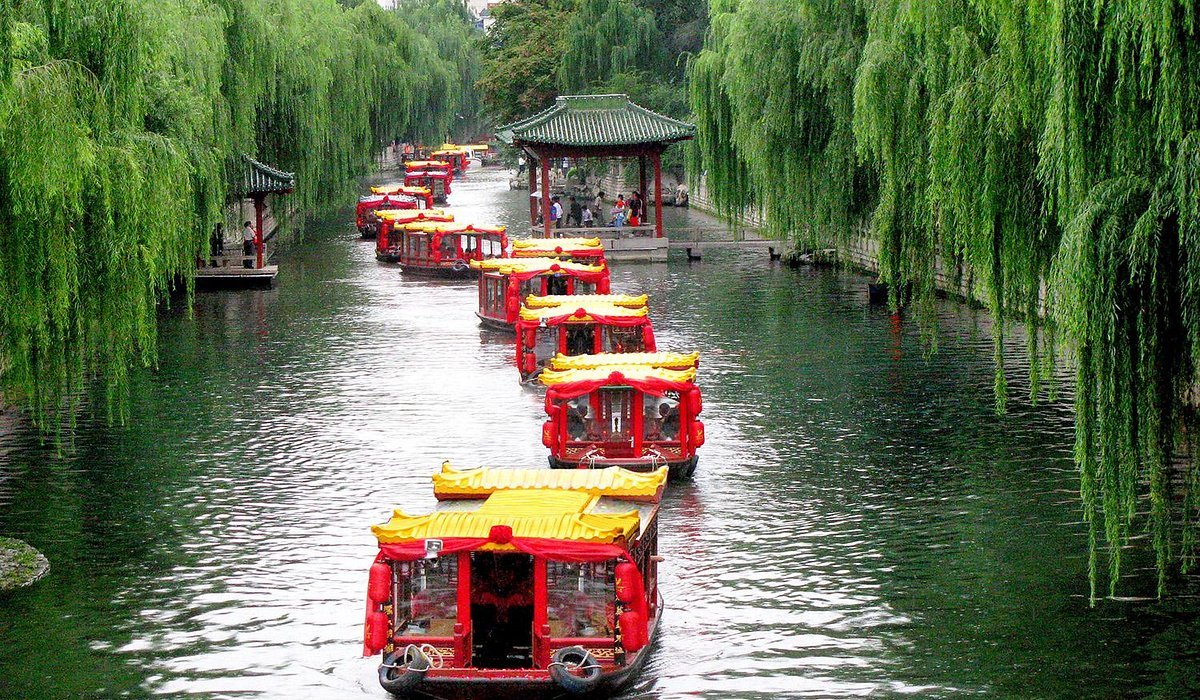
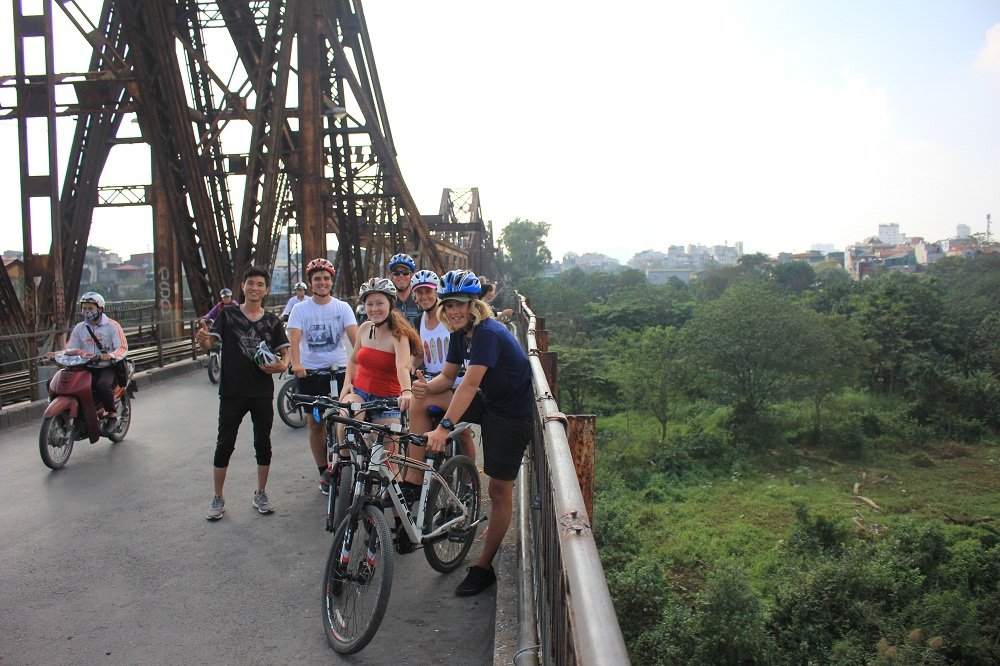
If you look for Hanoi bicycle rental service in Hanoi, then you have just found the right place. Lotussia Travel offers a wide array of bicycles for you to rent. We have all bicycles for your travel needs including mountain bicycles for mountain biking, road bicycles for easy bicycle touring, and small bicycles for kids as well.
May 28, 2025

Hanoi, the capital of Vietnam offers a wide selection of both day cycling tours and short cycling excursions. The most popular Hanoi cycling tours are the half-day and one-day tours are arranged in Hanoi city and its surrounding countryside area.
May 28, 2025

Vietnam mountain bikes, also known as trailbikes are the workhorse category of mountain bikes. An all mountain bike is a mountain bike built to handle almost everything a mountain biker will run into on a full day of riding.
May 28, 2025

I had done my research before sign-ing up for a four day and three night cycling tour in Lao Cai province with Golden Trail Travel. My friends thought I was mad, cycling around one of the most mountains parts of northern Vietnam. But, the trip is well planned, so you’re never on your own. But I didn’t tell my friends that – I liked to think they pictured me huff-ing and puffing on my father’s rickety old Peugeot up and down the hills under a blazing hot sun.
May 28, 2025

The best biking trails for cycling from Hanoi to Luang Prabang, Laos is the north-west Vietnam. After a visit to Hanoi, the capital of Vietnam, you can take the overnight train, usually departs at 21:00 pm in Hanoi and arrive around 5:00 am the following day.
May 28, 2025

If you look for a bicycle hire service in Hanoi, then you have just found the right place. Vietnam Cycling is a Hanoi based tour operator offering both bicycle tours and bike hire service.
May 28, 2025

Cycling in Vietnam in March can be a truly unforgettable experience. The country is known for its beautiful natural landscapes, bustling cities, and rich culture, all of which can be explored by bike.
May 28, 2025

April is a great time to visit Vietnam and go cycling, as the weather is generally warm and dry, with temperatures ranging from the mid-70s to mid-80s Fahrenheit (25-30°C). The country is known for its beautiful natural landscapes, bustling cities, and rich culture, all of which can be explored by bike
May 28, 2025
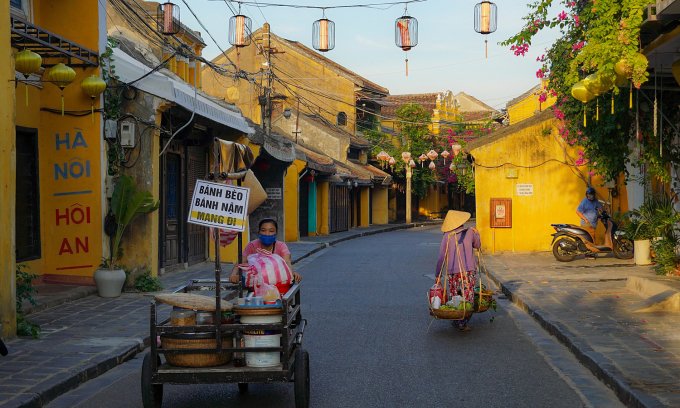
Architectural Digest has ranked Tran Phu Street in Hoi An, known for its century-old homes and monthly lantern festival, as one of the 71 most beautiful streets in the world.
May 28, 2025
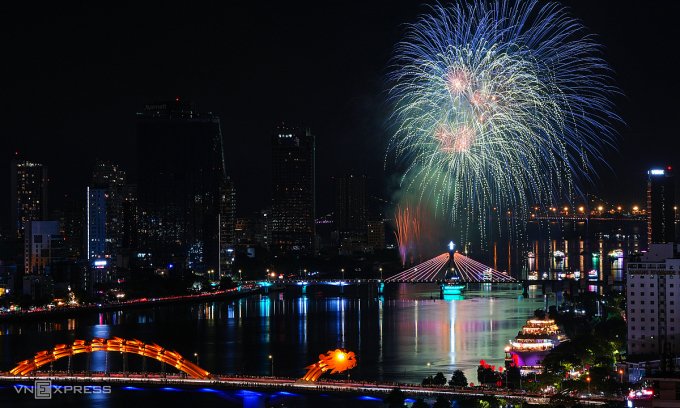
There are plenty of hotels, eateries, and homes in Danang that provide views of the International Fireworks Festival, but they are not free.
This evening, June 8, is the opening night of the Danang Fireworks International Festival.
Nearly 10,200 seats, double that of 2023, are available in the festival viewing stands, and all of the tickets for the last night have been sold.
May 28, 2025
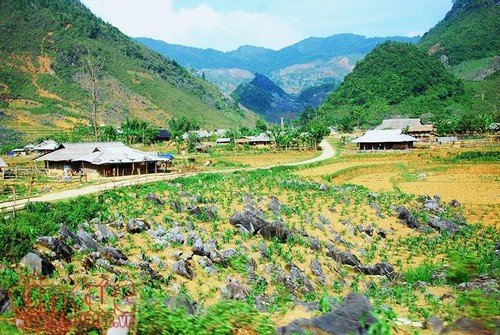
Tua Chua, a mountainous district of Dien Bien province offers great fun trekking homestay tours, hiking, walking experience in the north west region of Vietnam. Look for some jungle trek, trekking homestay, hill tribe trek in an off the beaten path destination in Vietnam? Tua Chua might be a perfect choice.
May 28, 2025
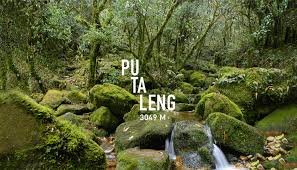
Pu Ta Leng Mountain is located in Hoang Lien Son mountain range, at Ta Leng village, Tam Duong commune, Lai Chau province. Its peak, at 3,049 meters above sea level is the second highest peak in Indochina.
May 28, 2025

Ta Chi Nhu mountain is situated in Tram Tau District, in the northern mountainous province of Yen Bai, Vietnam. It is one of top places of mountain climbers and “cloud” hunters.
May 28, 2025
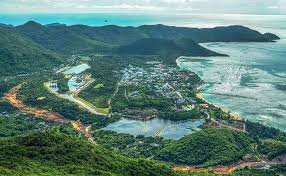
Con Dao National Park is a natural reserve area on Con Dao Island, in Ba Ria Vung Tau Province in coastal southeastern Vietnam. The park includes a part of the island and the surrounding sea. The national park is characterized by a diverse ecosystem. Many species of corals and especially the sea turtles, dolphins, and endangered dugongs are found here
May 28, 2025
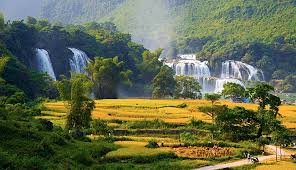
Trekking North East Vietnam to discover tropical forest, karst mountains and Tay, Nung, Dzao hill tribes at the north of the Red River Delta, Vietnam.
May 28, 2025
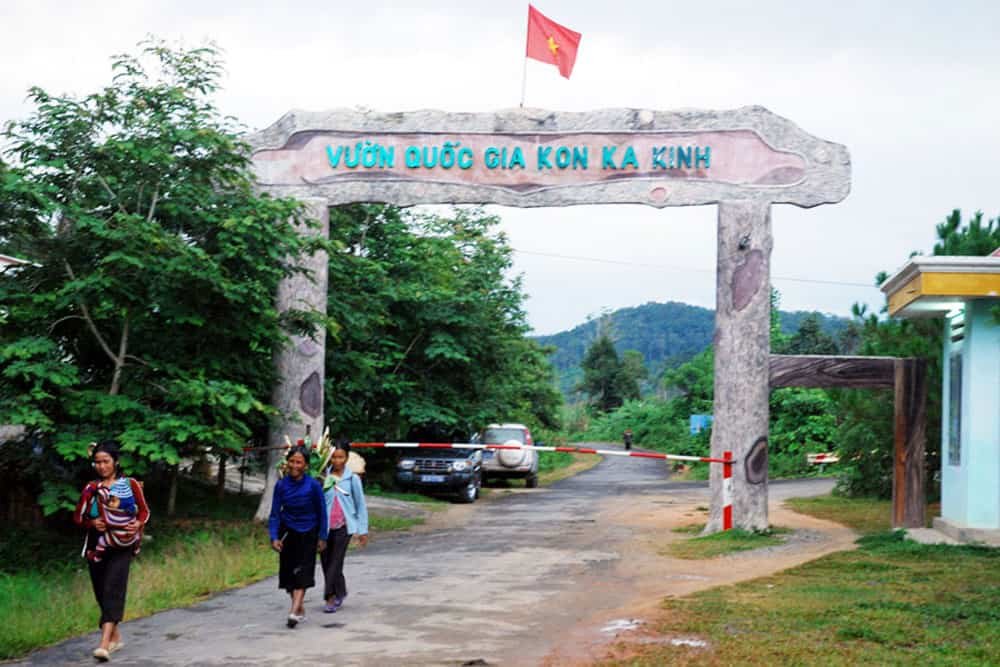
Kon Ka Kinh National Park is located in Kon Pne, Dakrong and Krong communes, K’Bang district, Ha Dong commune, Dak Doa district, and Ayun commune, Mang Yang district, Gia Lai province. The national park is situated on the Kon Tum plateau in the central Annamite mountains.
May 28, 2025
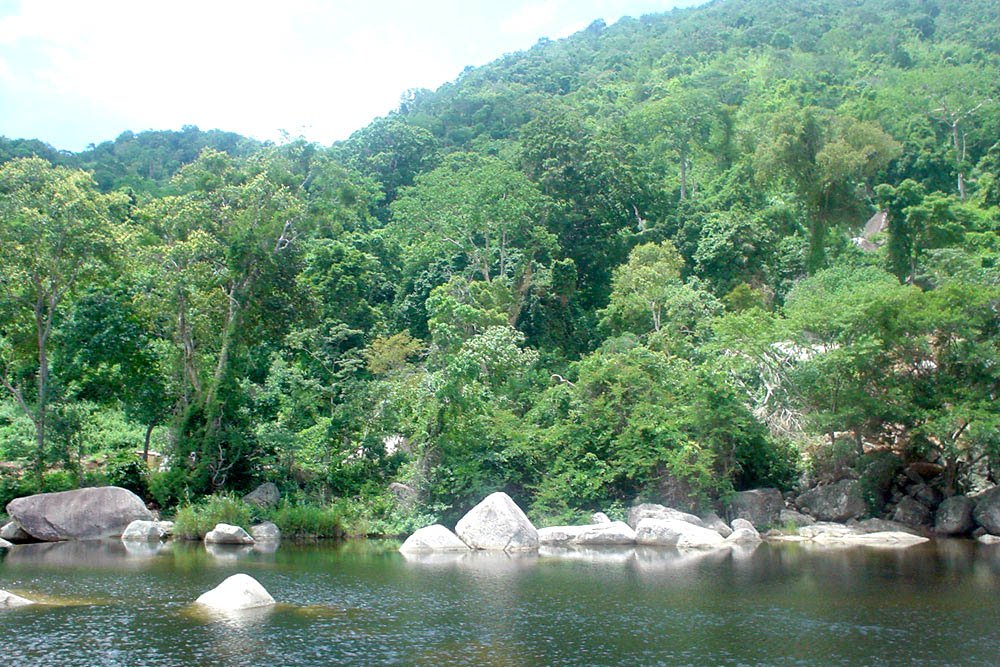
Chu Yang Sin National Park is located in Lak and Krong Bong districts, Dak Lak province, 60 km to the south-east of Buon Ma Thuot city. The national park encompasses a range of high mountains in the northern part of the Southern Annamite Mountains. The national park is centered on Mount Chu Yang Sin, which, at 2,442 m, is the highest point in the southern Annamites. The topography of the national park is characterized by steep slopes and narrow valleys.
May 28, 2025

Chu Mom Ray National Park lies in the two districts of Sa Thay and Ngoc Hoi in Kon Tum Province, central highlands of Vietnam. It is the only national park in Vietnam which shares the border with the two countries of Laos and Cambodia.
May 28, 2025
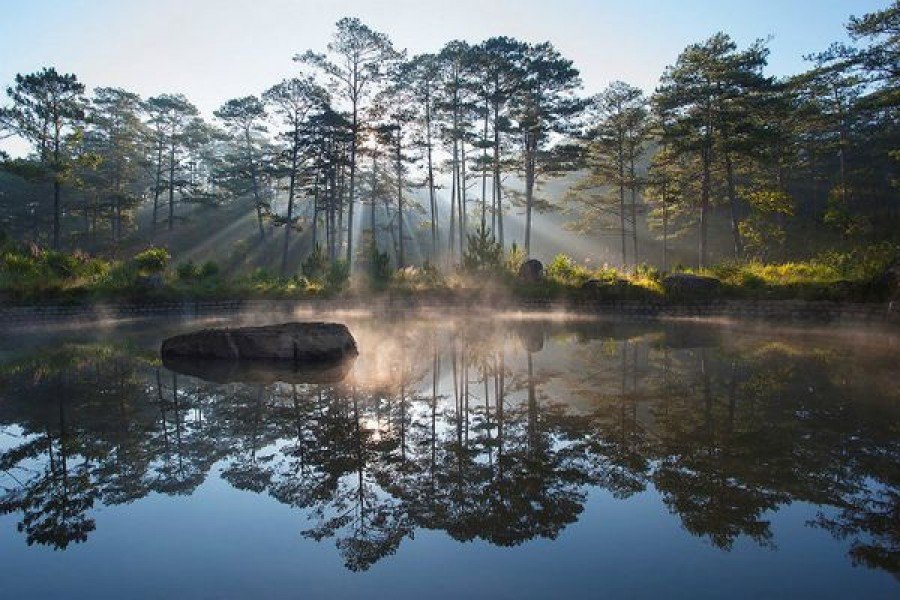
Bidoup Nui Ba National Park is situated in Lac Duong District, Lam Dong province in the central highlands of Vietnam. The park covers an area of 63,938 hectares, offering beautiful sceneries, stunning waterfalls, and diverse natural resources.
May 28, 2025
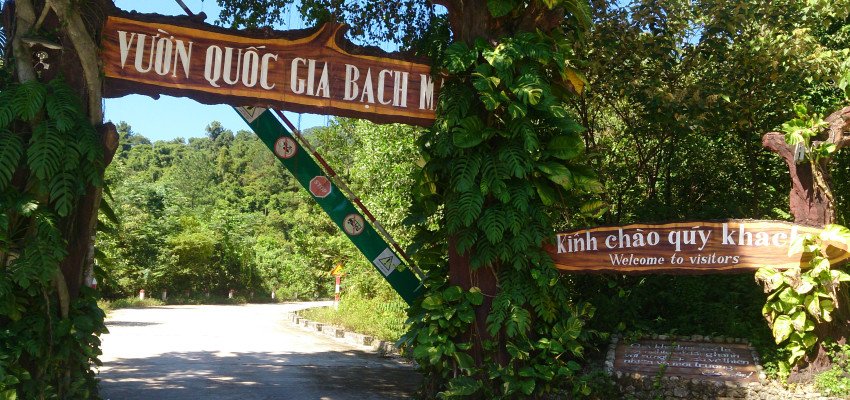
Bach Ma National Park is situated in the north central region of Vietnam, and the Annamite mountains. The national park lies on a high mountain ridge that runs west-east from the Laotian border to the East Sea at the Hai Van pass. This ridge interrupts the coastal plain of Vietnam, and, therefore, forms a biogeographical boundary between the faunas and floras of northern and southern Vietnam.
May 28, 2025