Jianshui: Unveiling the Ancient Grandeur of Southern Yunnan
Tucked away in the less-trodden paths of Southern Yunnan, China, lies Jianshui – a town that whispers tales of imperial grandeur, scholarly pursuits, and an enduring artisan spirit. Unlike its more famous counterparts, Jianshui offers an authentic glimpse into China's rich past, boasting an array of exquisitely preserved architectural wonders, vibrant local culture, and a charm that captivates every visitor. If you're yearning for a journey off the beaten path, one that promises deep cultural immersion and breathtaking historical discovery, Jianshui awaits your exploration.
The Echoes of Time: Jianshui's Storied History
Jianshui's history stretches back over 1,200 years, a narrative etched into its ancient buildings, refined traditions, and the resilient character of its people. Once a significant administrative and cultural hub, Jianshui flourished through various dynasties, leaving behind an invaluable legacy that continues to define its unique identity today.
The Foundation: From Nanzhao to Yuan Dynasty
Jianshui's origins trace back to the Nanzhao Kingdom (738-902 AD), when it was known as Huili. Its strategic location made it an important center for trade and defense. During the Yuan Dynasty (1271-1368 AD), the town gained prominence, and its name was changed to Jianshui, meaning "Built Water," a reference to its sophisticated irrigation systems. It was during this period that the foundations for its future prosperity and cultural richness were laid, attracting scholars, merchants, and artisans to its fertile lands.
The Golden Ages: Ming and Qing Dynasties
The Ming (1368-1644 AD) and Qing (1644-1912 AD) Dynasties marked Jianshui's zenith. It became a thriving center for education, with numerous academies and schools producing a remarkable number of scholars and officials. This intellectual vibrancy is epitomized by the Jianshui Confucius Temple, one of the largest and most well-preserved in China, second only to the one in Qufu, Confucius's birthplace.
During these centuries, Jianshui also became known for its exquisite pottery and a distinctive architectural style, characterized by grand gates, elaborate ancestral temples, and elegant residential courtyards. The town's wealth, derived from its agricultural abundance and its role as a regional administrative center, allowed for the construction of these magnificent structures, many of which stand proudly to this day.
Resilience and Rebirth: From the Republic to Today
Despite periods of upheaval, including the turmoil of the early 20th century and the Cultural Revolution, Jianshui's historical core remained remarkably intact. Local efforts and a growing appreciation for its heritage have led to significant preservation and restoration work, allowing visitors to experience its ancient grandeur. Today, Jianshui stands as a testament to continuity, a living museum where the past is not merely remembered but actively lived.
Jianshui's Architectural Marvels: A Journey Through Time
Jianshui is often called a "Museum of Ancient Architecture" due to its exceptional collection of well-preserved structures. Each building tells a story, showcasing the artistry and engineering prowess of bygone eras.
The Jianshui Confucius Temple: A Grand Tribute to Scholarship
The Jianshui Confucius Temple (JianshuiFuzimiao) is undeniably the crown jewel of Jianshui. Constructed in 1285 and expanded over centuries, it's a sprawling complex covering over 7.6 hectares. Its layout mirrors that of the Confucius Temple in Qufu, featuring a series of grand gates, pavilions, courtyards, and halls, all meticulously crafted with traditional Chinese architectural techniques.
As you wander through its serene grounds, you'll encounter the Panchi Pond, a crescent-shaped pool that adds to the temple's beauty, and the Dacheng Hall (Hall of Great Accomplishment), the main hall where ceremonies honoring Confucius were held. The intricate carvings, vibrant paintings, and the sheer scale of the temple evoke a profound sense of awe and respect for China's intellectual heritage. It's a place where you can truly feel the weight of history and the enduring influence of Confucianism.
The Double Dragon Bridge: An Engineering and Artistic Masterpiece
Just outside Jianshui, the Double Dragon Bridge (ShuanglongQiao) is an iconic symbol of the town, renowned for its architectural beauty and engineering brilliance. Built in 1704 during the Qing Dynasty, this magnificent stone bridge spans the Lu River and Tachong River, featuring 17 arches and stretching over 148 meters.
Its distinctive design, resembling two dragons playing with a pearl (represented by a central pavilion), is both functional and aesthetically pleasing. The bridge served as a vital link for trade and transportation, and today, it's a popular spot for photography, especially at sunset when its silhouette is dramatically cast against the sky. Walking across this ancient bridge is like stepping onto a living piece of history.
The Zhu Family Garden: An Aristocratic Oasis
The Zhu Family Garden (ZhuJiaHuayuan) is a prime example of traditional residential architecture, showcasing the opulent lifestyle of a wealthy family during the late Qing Dynasty. Built by the Zhu family, a prominent local clan, this sprawling complex covers over 20,000 square meters and features a remarkable 42 courtyards, each interconnected by intricate corridors and adorned with exquisite wood carvings, delicate latticework, and beautiful gardens.
Exploring the garden is like navigating a labyrinth of historical elegance. You'll discover tranquil ponds, rockeries, study rooms, living quarters, and performance spaces, all designed with meticulous attention to detail and traditional Feng Shui principles. It offers a fascinating glimpse into the domestic life and aesthetic sensibilities of Jianshui's elite.
The Chaoyang Tower: The "Little Tiananmen" of Yunnan
Dominating the eastern entrance of Jianshui Ancient City stands the Chaoyang Tower (ChaoyangLou), a monumental gate tower built in 1389 during the Ming Dynasty. Often referred to as "Little Tiananmen" due to its striking resemblance to Beijing's Tiananmen Gate, it's one of the few remaining ancient city gates of Jianshui.
The three-story wooden structure, with its grand eaves and ornate decorations, served as a defensive stronghold and a symbol of the town's importance. Climbing to the top offers panoramic views of the ancient city, allowing you to appreciate the grid-like layout of its streets and the traditional rooftops stretching into the distance. It's a perfect spot to begin your exploration of Jianshui's historical core.
Tuanshan Village: A Preserved Bai Village
A short drive from Jianshui lies Tuanshan Village, a remarkably preserved Bai ethnic village that offers a captivating insight into traditional rural life and architecture. Many of the homes in Tuanshan date back to the Ming and Qing Dynasties, featuring intricate wood carvings, painted walls, and characteristic courtyard layouts.
The village's untouched charm and the friendly demeanor of its residents make it a truly immersive experience. Wander through its narrow lanes, admire the ancient residences, and perhaps even interact with the villagers, gaining a deeper understanding of their daily lives and customs. Tuanshan is a designated UNESCO World Heritage site, a testament to its outstanding universal value.
The Cultural Heartbeat of Jianshui: Beyond the Bricks and Mortar
Jianshui's allure extends beyond its impressive architecture. Its vibrant local culture, traditional crafts, and unique culinary scene offer a holistic experience that engages all your senses.
Jianshui Pottery: An Ancient Craft Reborn
Jianshui is celebrated for its distinctive pottery (JianshuiTao), a craft with a history spanning over 900 years. Unlike other famous Chinese porcelains, Jianshui pottery is known for its unglazed, naturally lustrous finish, achieved through a meticulous polishing process. The clay, sourced locally, is rich in iron, giving the finished products a unique purplish-brown hue.
The artistry lies in the intricate carving of designs onto the unfired clay, which are then filled with colored clay before firing. This technique, known as "inlaid carving," creates stunning patterns and calligraphic works. Visitors can explore traditional workshops, witness master potters at work, and purchase exquisite pieces ranging from teapots and vases to decorative items. It's a wonderful opportunity to appreciate a living artistic tradition.
Culinary Delights: Savoring Jianshui's Flavors
Jianshui's cuisine is a delightful blend of local Yunnan flavors, characterized by fresh ingredients, traditional cooking methods, and unique specialties. Don't leave without trying:
-
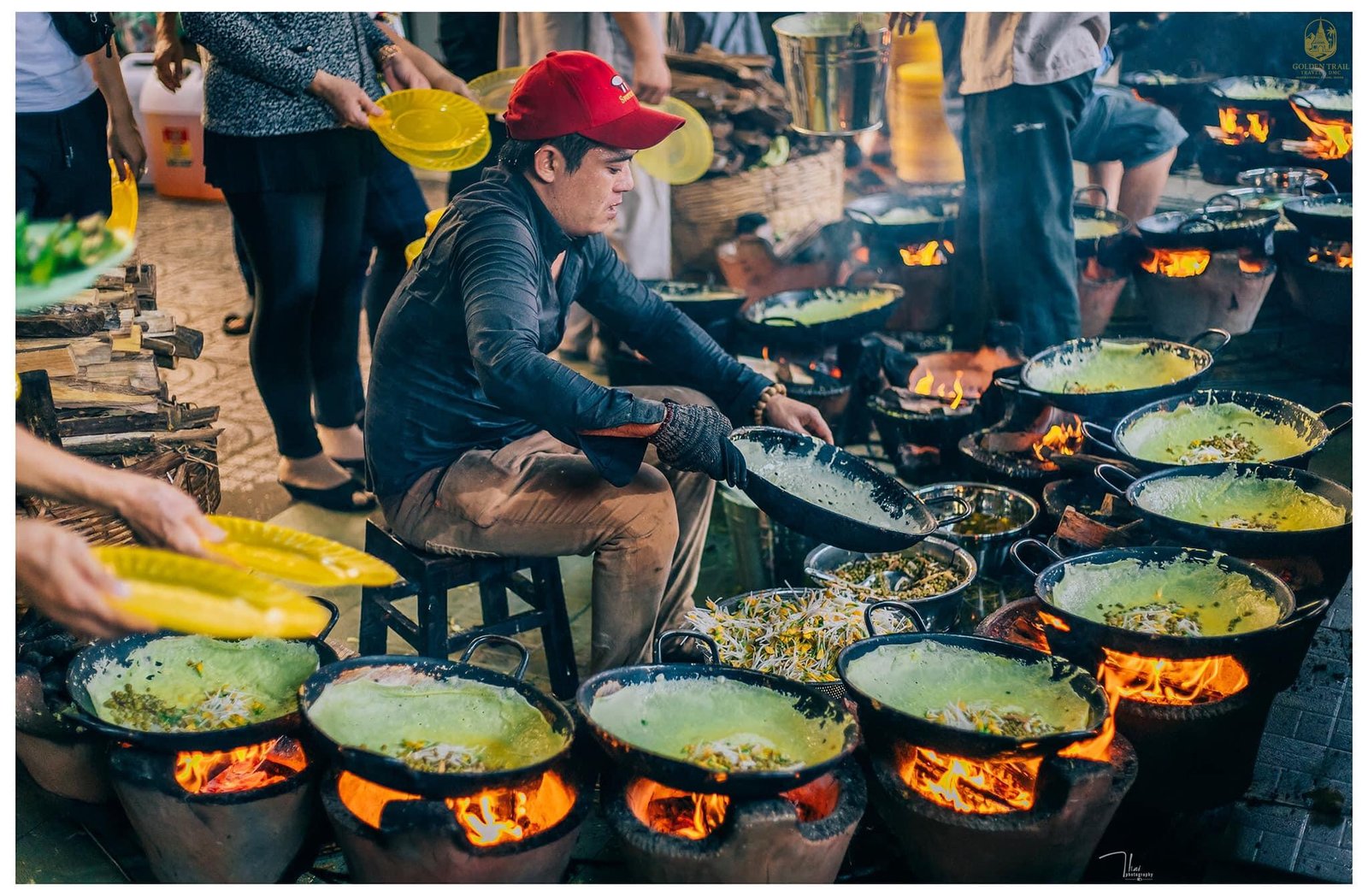
Jianshui Tofu (Baked Tofu): This is Jianshui's most famous culinary export. Made from locally sourced well water, the tofu has a distinct texture and flavor. It's often grilled over charcoal and served with various dipping sauces – a must-try street food experience.
-
Steamed Pot Chicken (Qiguoji): A Yunnan specialty, but particularly well-prepared in Jianshui. Chicken is steamed in a unique ceramic pot that allows condensation to drip back into the pot, creating a flavorful, nutrient-rich broth without adding any water.
-
Over-the-Bridge Noodles (Guoqiao Mixian): While a Yunnan staple, Jianshui offers its own local variations.
-
Local Fruits and Vegetables: Jianshui's fertile lands produce a bounty of fresh produce. Explore the local markets for seasonal fruits and unique vegetables.
The best way to experience Jianshui's food scene is to wander through its bustling night markets and local eateries, where you can sample a wide array of authentic dishes.
Local Life and Traditions: A Glimpse into Authenticity
Beyond the famous sites, the charm of Jianshui lies in its everyday life. Take time to:
-
Stroll through ancient alleys: Discover hidden courtyards, old tea houses, and local shops.
-
Visit a local market: Immerse yourself in the vibrant sights, sounds, and smells of daily commerce.
-
Observe traditional crafts: Beyond pottery, you might find artisans engaged in weaving, carpentry, or other traditional crafts.
-
Enjoy a cup of local tea: Relax in a teahouse and observe the world go by.
Jianshui's atmosphere is relaxed and welcoming, allowing visitors to connect with the local community and experience the authentic rhythm of life in a historic Chinese town.
Planning Your Unforgettable Journey to Jianshui with Golden Trail Travel
Venturing into the rich historical tapestry of Jianshui is an experience best enjoyed with careful planning and expert guidance. Golden Trail Travel specializes in crafting authentic, immersive journeys through Yunnan, ensuring a seamless and enriching adventure to Jianshui and other captivating destinations.
Why Choose Golden Trail Travel for Your Jianshui Adventure?
-
Unrivaled Local Expertise: Golden Trail Travel's team possesses deep, firsthand knowledge of Jianshui and the broader Yunnan region. They understand the intricacies of local culture, the best times to visit, and how to create itineraries that truly capture the essence of this historical town.
-
Tailor-Made Experiences: Whether you're a history buff, a culinary enthusiast, an architecture admirer, or a combination of all, Golden Trail Travel can customize an itinerary to perfectly match your interests, pace, and budget. From luxurious comfort to adventurous exploration, your journey will be uniquely yours.
-
Effortless Logistics: Navigating transportation, securing the best accommodations, and finding knowledgeable local guides in a foreign land can be daunting. Golden Trail Travel handles all the complexities, ensuring comfortable transfers, carefully selected hotels or guesthouses, and insightful local guides who enhance your understanding of Jianshui's rich heritage.
-
Authentic Cultural Immersion: Golden Trail Travel goes beyond conventional sightseeing. They offer exclusive opportunities for genuine cultural immersion, such as hands-on pottery workshops, visits to local family homes, traditional cooking classes, or attending local festivals if your travel dates align.
-
Dedicated Support and Safety: With 24/7 support and an unwavering commitment to traveler safety, Golden Trail Travel provides peace of mind throughout your journey. This allows you to relax, explore, and fully embrace the Jianshui experience without any worries.
Suggested Itineraries with Golden Trail Travel:
Option 1: Jianshui Historical & Cultural Deep Dive (3-4 Days) This itinerary focuses specifically on Jianshui, allowing for profound historical and cultural immersion.
-
Day 1: Arrive in Kunming (Yunnan's capital), transfer to Jianshui (approximately 3-4 hours by train or private car). Check into your traditional guesthouse. Evening stroll around Chaoyang Tower and explore the night market.
-
Day 2: Full day exploring the Jianshui Confucius Temple, followed by a visit to the Zhu Family Garden. In the afternoon, explore a pottery workshop to witness the craft firsthand. Enjoy a dinner featuring local Jianshui cuisine.
-
Day 3: Morning excursion to the Double Dragon Bridge for photography and a leisurely walk. Then, visit Tuanshan Village to experience traditional Bai architecture and rural life. Return to Jianshui for further exploration or relaxation.
-
Day 4: Enjoy a final Jianshui breakfast, perhaps some famous baked tofu, before departing for your next destination or back to Kunming for your flight.
Option 2: Southern Yunnan Cultural & Scenic Journey (7-9 Days) Combine Jianshui with the stunning rice terraces of Yuanyang and other highlights of Southern Yunnan.
-
Days 1-2: Arrive in Kunming, explore its highlights like the Green Lake Park and Yunnan Provincial Museum.
-
Days 3-5: Travel to Jianshui, following a similar itinerary as Option 1, focusing on its architectural wonders and cultural heritage.
-
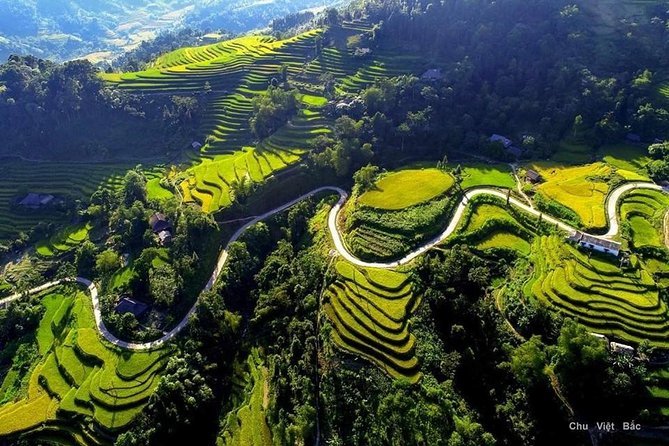
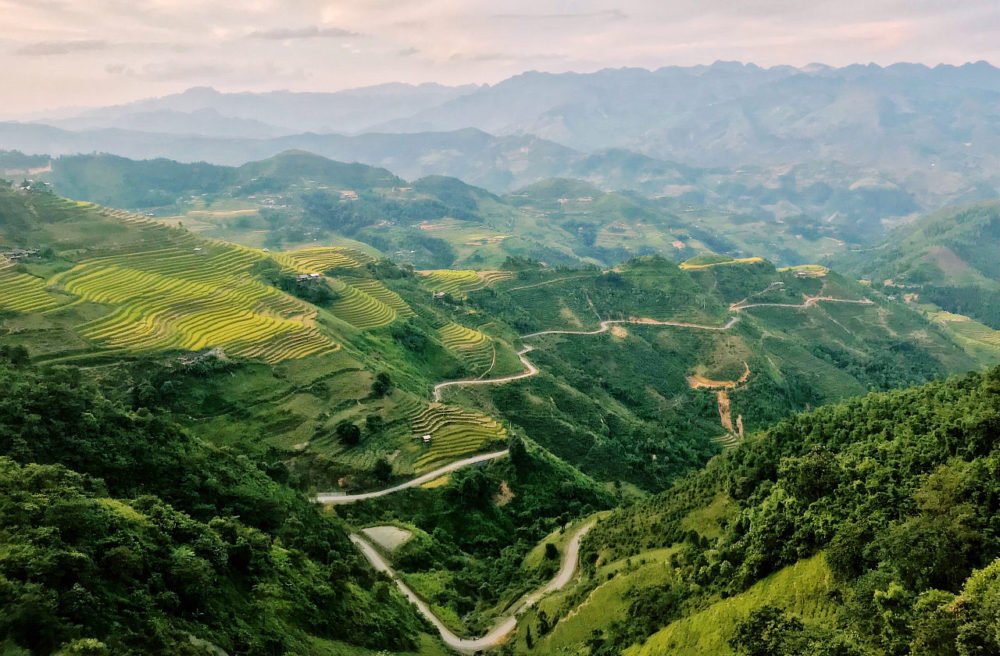
Days 6-8: Journey to Yuanyang Rice Terraces, a UNESCO World Heritage site, to witness the breathtaking landscape and experience the Hani ethnic culture. Explore various viewpoints for sunrise and sunset.
-
Day 9: Return to Kunming for departure, or continue your journey through Yunnan.
Ready to embark on your unforgettable journey to Jianshui? Visit Golden Trail Travel's website to explore their curated Yunnan tours and easily book your adventure: https://goldentrailtravel.com/
The Undeniable Charm of Jianshui: A Destination for the Discerning Traveler
Jianshui isn't just a collection of historical sites; it's an experience that resonates deeply with those who appreciate authenticity and a slower pace of life. The town’s commitment to preserving its heritage is palpable, creating an atmosphere where ancient traditions thrive amidst modern advancements.
Imagine waking up to the gentle sounds of the town, perhaps the distant clatter of a potter's wheel or the murmurs of locals heading to the market. Spend your days wandering through serene courtyards, admiring intricate wood carvings, and savoring the unique flavors of Jianshui tofu. As evening descends, the ancient streets are softly lit, and the aroma of street food fills the air, inviting you to partake in the vibrant night life.
The people of Jianshui, descendants of generations who have lived within these ancient walls, are warm and welcoming. Their pride in their heritage is evident in their daily lives, from the meticulously maintained homes to the continued practice of age-old crafts. Engaging with a local artisan, learning about their techniques, or simply exchanging smiles with shopkeepers offers a genuine connection to the heart of Jianshui.
Jianshui offers a refreshing alternative to more crowded tourist destinations. It's a place where you can truly disconnect from the rush of modern life and immerse yourself in a timeless beauty. Whether you're a history enthusiast, an architecture lover, a foodie, or simply seeking a peaceful retreat, Jianshui promises an enriching and unforgettable travel experience. Its ancient grandeur, combined with its living traditions, makes it a true highlight of any Yunnan adventure.
Frequently Asked Questions (FAQ) about Jianshui
Q1: Where is Jianshui located? A1: Jianshui is located in the Honghe Hani and Yi Autonomous Prefecture in Southern Yunnan Province, China. It is approximately a 3-4 hour drive or train ride south of Kunming, the provincial capital.
Q2: What is the best time to visit Jianshui? A2: The ideal time to visit Jianshui is during spring (March to May) and autumn (September to November). The weather is generally mild and pleasant, perfect for sightseeing and exploring the outdoor attractions. Summers (June-August) can be hot and humid with more rain, while winters (December-February) are cooler but typically dry.
Q3: How do I get to Jianshui? A3: The most convenient way to reach Jianshui is by high-speed train or private car from Kunming. Trains run regularly from Kunming South Railway Station directly to Jianshui. Golden Trail Travel can arrange all your transfers for a comfortable and efficient journey.
Q4: What are the must-see attractions in Jianshui? A4: Key attractions include the Jianshui Confucius Temple, the Double Dragon Bridge, the Zhu Family Garden, Chaoyang Tower, and nearby Tuanshan Village. Don't forget to explore the ancient city streets and local markets!
Q5: Is Jianshui suitable for a short trip or a longer stay? A5: Jianshui can be enjoyed as a 2-3 day trip to cover its main attractions. However, if you wish to delve deeper into its culture, explore surrounding villages, or simply enjoy the relaxed atmosphere, a 4-5 day stay would be ideal. Many travelers combine Jianshui with a trip to the Yuanyang Rice Terraces.
Q6: What local specialties should I definitely try in Jianshui? A6: You absolutely must try Jianshui Tofu, often grilled and served with various dipping sauces. Also highly recommended are Steamed Pot Chicken (Qiguoji) and local variations of Over-the-Bridge Noodles.
Q7: Is Jianshui pottery expensive? Can I buy it there? A7: The price of Jianshui pottery varies widely depending on the size, complexity of the design, and the artist. You can certainly purchase beautiful pieces in workshops and shops throughout the ancient city. It makes for a unique and authentic souvenir.
Q8: Do I need to speak Chinese to visit Jianshui? A8: While some basic Mandarin phrases are always helpful, it's not essential. In tourist-focused areas and with the assistance of a Golden Trail Travel guide, language barriers will be minimal. Translation apps can also be very useful.
Q9: Are there English-speaking guides available in Jianshui? A9: Yes, Golden Trail Travel provides experienced English-speaking guides who are knowledgeable about Jianshui's history, culture, and attractions. They can greatly enhance your understanding and enjoyment of the trip.
Q10: Is Jianshui very crowded with tourists? A10: Compared to more famous destinations like Lijiang or Dali, Jianshui is generally less crowded, especially outside of major Chinese holidays. This allows for a more relaxed and authentic experience, making it a perfect choice for those seeking to avoid mass tourism.
Customer Reviews for Jianshui and Golden Trail Travel
"Our trip to Jianshui was incredible, largely thanks to Golden Trail Travel. The Confucius Temple was magnificent, and the Zhu Family Garden was so serene. Our guide was exceptional, providing deep insights into every site. It felt like a true step back in time. Highly recommend!" — Eleanor and David, Canada
"Jianshui's tofu is legendary, and I wasn't disappointed! Beyond the food, the Double Dragon Bridge at sunset was absolutely stunning. Golden Trail Travel made everything seamless, from our train tickets to our charming guesthouse. A truly authentic Yunnan experience." — Min-jun Kim, South Korea
"As an architecture enthusiast, Jianshui was a dream come true. The sheer detail in the Zhu Family Garden and the grandeur of the Confucius Temple left me in awe. Golden Trail Travel organized a fantastic itinerary that catered perfectly to my interests. I learned so much!" — Dr. Anya Sharma, India
"We loved our visit to Tuanshan Village; it felt like stepping into a postcard. The peace and quiet of Jianshui was such a welcome change. Golden Trail Travel provided excellent service, always professional and attentive. They truly helped us discover a hidden gem." — The Rossi Family, Italy
"From the moment we inquired about Jianshui, Golden Trail Travel was responsive and helpful. Their local expertise shone through, and our guide was a treasure. The pottery workshops were fascinating, and we brought back some beautiful pieces. A must-do for anyone wanting an authentic China trip." — Chris and Lisa, Australia