15 Ng. 100 Đ. Nguyễn Xiển, Thanh Xuân Nam, Thanh Xuân, Hà Nội 100000



15 Ng. 100 Đ. Nguyễn Xiển, Thanh Xuân Nam, Thanh Xuân, Hà Nội 100000
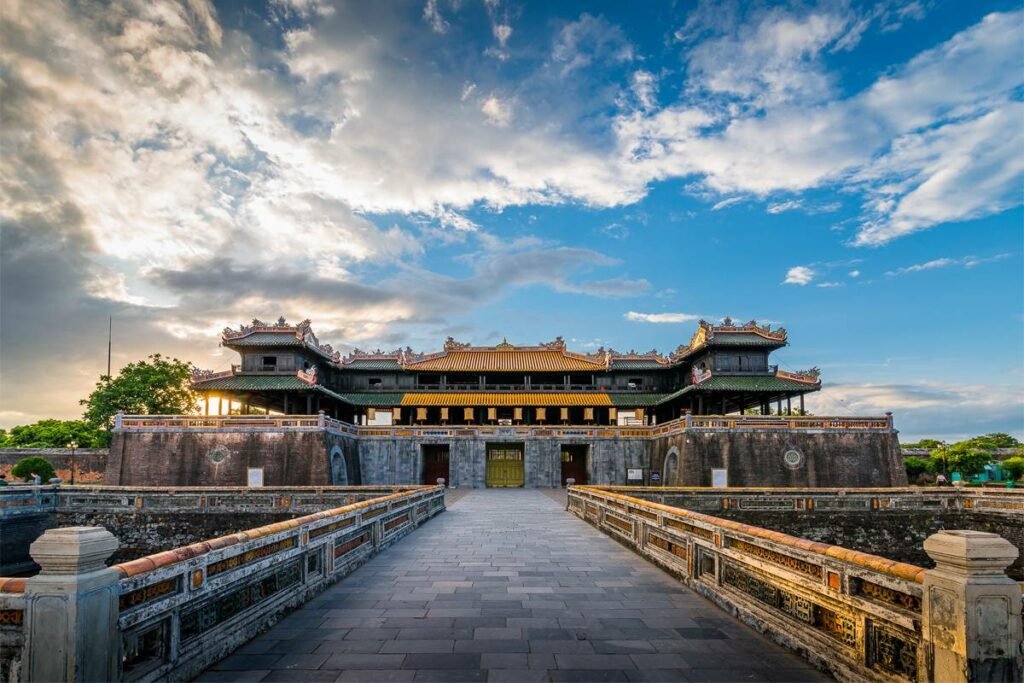
Introduction: Unveiling the Royal Grandeur of Hue
Nestled gently along the Perfume River in Central Vietnam, Hue stands as a profound testament to Vietnam's imperial past. For over 140 years (1802-1945), it served as the majestic capital of the Nguyen Dynasty, leaving behind a magnificent legacy of opulent palaces, serene pagodas, majestic tombs, and a rich cultural heritage. Unlike the bustling energy of modern cities, Hue exudes an air of timeless elegance, inviting visitors to step into a bygone era of emperors, mandarins, and poetic landscapes.
Hue's allure is deep and contemplative: the ancient walls of the Imperial City whispering tales of dynasties, the tranquil flow of the Perfume River reflecting lush gardens, the intricate carvings of royal tombs, and the subtle scent of incense wafting from ancient pagodas. Whether you're a history enthusiast captivated by imperial grandeur, a spiritual seeker drawn to its myriad temples, a culinary adventurer eager to savor royal cuisine, or simply a traveler seeking serene beauty and profound historical insights, Hue promises an unforgettable journey. This comprehensive guide will take you deep into the heart of this imperial city, exploring its iconic landmarks, hidden spiritual havens, unique activities, culinary delights, and practical tips for planning your perfect historical escape. And as you envision your journey through its majestic past, remember that Golden Trail Travel (https://goldentrailtravel.com/) is your ideal partner for crafting unforgettable experiences, offering unique cycling tours and comprehensive packages that can seamlessly integrate the imperial splendor of Hue.
Chapter 1: Echoes of an Empire – The Illustrious History of Hue
Hue's profound significance in Vietnamese history stems from its role as the last imperial capital, shaping its identity and leaving an indelible mark on its landscape and culture.
The Rise of the Nguyen Lords (17th - 18th Centuries): Before becoming the imperial capital, Hue was the seat of the Nguyen Lords, who effectively ruled southern Vietnam for centuries, establishing a strong power base in the Central region. They built a magnificent citadel and developed the city's infrastructure, laying the groundwork for its future imperial status.
Imperial Capital of the Nguyen Dynasty (1802-1945): In 1802, Emperor Gia Long unified Vietnam and chose Hue as the capital of the newly established Nguyen Dynasty. This marked the beginning of Hue's golden age as the political, cultural, and religious center of Vietnam.
French Colonial Era (Late 19th Century onwards): Despite French colonization, Hue largely retained its status as the nominal capital, though real power shifted to the French administration. The emperors continued to reside in the Imperial City, albeit with diminished authority.
War and Devastation (20th Century): The 20th century brought immense challenges to Hue.
UNESCO World Heritage Site (1993): Recognizing the outstanding universal value of the Complex of Hue Monuments, UNESCO designated it a World Heritage Site in 1993. This brought international support and funding for the meticulous restoration efforts, gradually bringing the imperial structures back to their former glory. Today, Hue stands as a proud symbol of Vietnam's imperial past and its commitment to preserving its rich heritage.
Chapter 2: The Imperial City and Forbidden Purple City – Echoes of a Dynasty
The Imperial City (Kinh Thanh Huế) is the absolute heart of Hue's historical significance, a sprawling complex that once housed the nation's emperors.
The Imperial City (Kinh Thanh Huế): A Walled Enclave Enclosed by massive, intricately designed walls and a wide moat, the Imperial City is a vast complex of palaces, temples, official buildings, and residences. Its layout adheres strictly to geomantic principles.
The Forbidden Purple City (Tử Cấm Thành): The Emperor's Sanctuary Located within the Imperial City, the Forbidden Purple City was the exclusive domain of the emperor, his concubines, and closest eunuchs. This area was tragically destroyed during the Tet Offensive, but ongoing restoration efforts are slowly bringing some of its former structures back to life.
Kỳ Đài (Flag Tower): A Symbol of Sovereignty Standing prominently in front of the Imperial City, the Kỳ Đài is a massive flag tower that once flew the imperial banner and now proudly displays the Vietnamese flag. It's a powerful symbol of national sovereignty and a striking landmark.
Canal System and Gardens: The Imperial City features a network of canals, lakes, and beautifully landscaped gardens, providing serene spaces within the royal compound.
Chapter 3: Royal Tombs – Majestic Resting Places of Emperors
Scattered along the Perfume River, the elaborate tombs of the Nguyen Emperors are masterpieces of Vietnamese architecture, landscaping, and geomancy. Each tomb is a reflection of the emperor's personality and philosophy, meticulously designed during their lifetime.
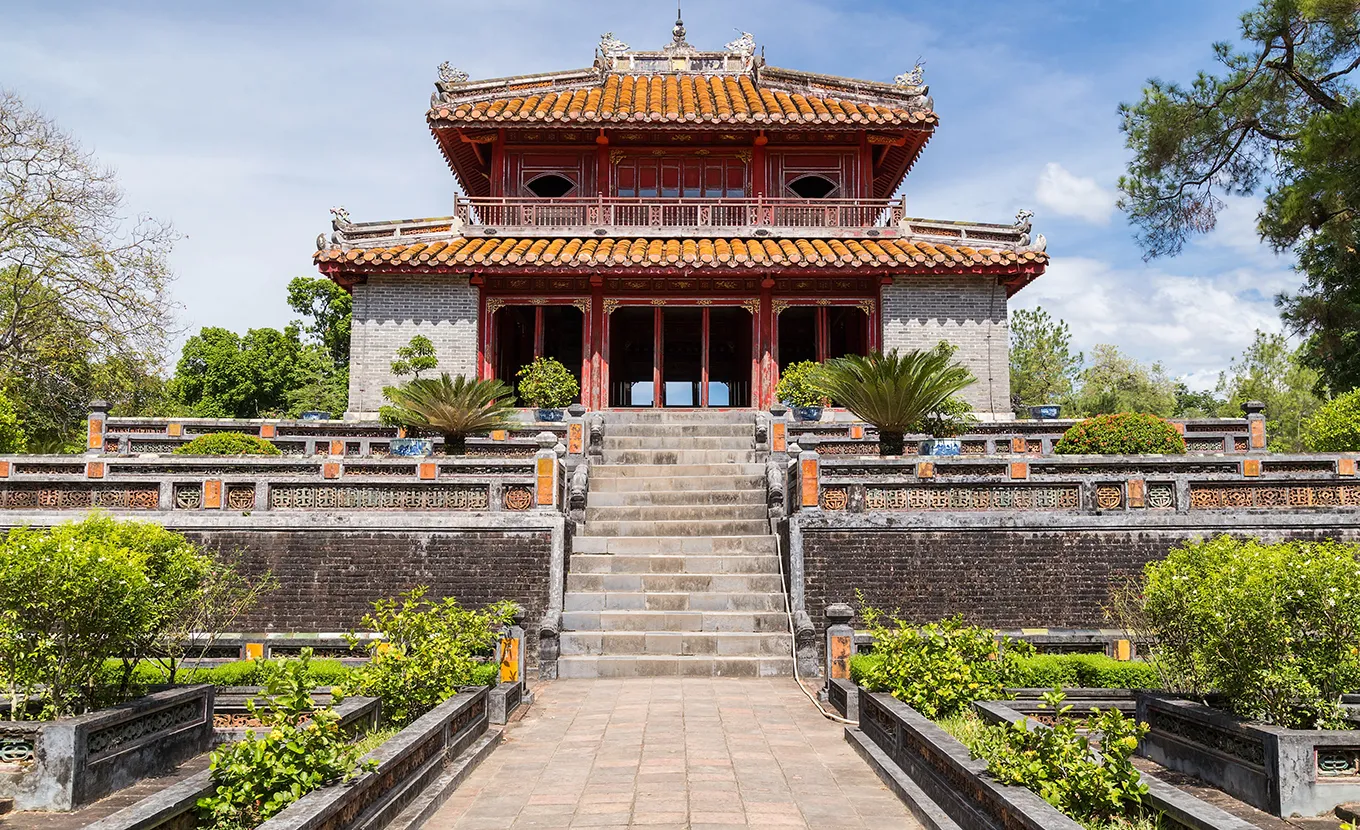
Tomb of Emperor Minh Mang (Hiếu Lăng): Harmony and Symmetry Considered one of the most harmonious and well-balanced imperial tombs, Emperor Minh Mang's tomb complex is a sprawling masterpiece of classical Vietnamese architecture, meticulously laid out in a series of courtyards, pavilions, and lakes. Its symmetrical design, set amidst lush gardens, reflects the emperor's Confucian ideals and scholarly nature.
Tomb of Emperor Khai Dinh (Ứng Lăng): Opulence and European Fusion A stark contrast to other tombs, Khai Dinh's tomb is a flamboyant and extravagant display, blending traditional Vietnamese design with strong European (French and Gothic) architectural influences. Its intricate mosaic work, using porcelain and glass fragments, and lavish interior decorations make it one of the most visually stunning and unique tombs, reflecting the emperor's lavish tastes.
Tomb of Emperor Tu Duc (Khiêm Lăng): Poetic Serenity Emperor Tu Duc's tomb is celebrated for its poetic beauty and serene atmosphere. Built amidst a picturesque landscape of lakes, pine forests, and pavilions, it was designed by the emperor himself as a retreat where he could compose poetry, fish, and meditate during his lifetime. It reflects his artistic and introspective nature.
Tomb of Emperor Thieu Tri (Xương Lăng): Simplicity and Grandeur Unlike his predecessors, Emperor Thieu Tri chose a more modest and simpler design for his tomb, reflecting his austere personality. However, its grand scale and elegant proportions still convey a sense of imperial majesty, fitting into the surrounding natural landscape.
Other Tombs: While Minh Mang, Khai Dinh, and Tu Duc are the most visited, other emperors also have tombs (e.g., Gia Long, Dong Khanh), each with its own story and architectural nuances, providing a fascinating journey through the Nguyen Dynasty's lineage.
Chapter 4: Spiritual Sanctuaries – Pagodas and Temples
Hue is a significant center for Vietnamese Buddhism, boasting numerous ancient and revered pagodas that offer spiritual tranquility and architectural beauty.
Thien Mu Pagoda (Chùa Thiên Mụ): The Iconic Seven-Story Stupa Perched on a hill overlooking the Perfume River, Thien Mu Pagoda is Hue's most iconic and revered pagoda. Its magnificent seven-story Phuoc Duyen pagoda (stupa) is a symbol of Hue. The pagoda complex includes beautiful gardens, a massive bell, a turtle stele (inscribed with Buddhist scriptures), and the Austin car that carried Thich Quang Duc to his self-immolation in 1963. It's a tranquil and historically significant site, especially beautiful at sunset.
Tu Hieu Pagoda (Chùa Từ Hiếu): A Peaceful Retreat Located amidst pine forests, Tu Hieu Pagoda is a serene and beautiful Buddhist monastery known for its tranquil atmosphere and connection to the imperial eunuchs, who contributed significantly to its construction and are buried on its grounds. It's a working monastery where you can observe monks going about their daily routines.
Tu Dam Pagoda (Chùa Từ Đàm): Historical Significance A historically important pagoda that played a key role in the Buddhist revival in Vietnam and the resistance movements during the mid-20th century. It features unique architecture and serene surroundings.
Phuoc Duyen Pagoda: Often refers to the pagoda tower within Thien Mu Pagoda, rather than a separate complex.
Hon Chen Temple (Điện Hòn Chén): Ancient Cham Influence A unique and ancient temple complex located on a hillside along the Perfume River. It blends elements of Buddhism, Taoism, and traditional Vietnamese folk beliefs, particularly the worship of the Goddess Thiên Y A Na (a Cham deity). It's a vibrant spiritual site, often visited by boat.
Chapter 5: The Perfume River – Hue's Lifeline and Poetic Soul
The Perfume River (Sông Hương) is more than just a waterway; it's the poetic heart and soul of Hue, weaving its way through the city's historical landmarks and natural beauty.
Dragon Boat Cruises: Taking a leisurely dragon boat cruise along the Perfume River is a quintessential Hue experience. These traditional boats, often adorned with dragon heads, glide past lush gardens, historical sites, and tranquil pagodas, offering a unique perspective of the city. Many cruises stop at Thien Mu Pagoda and the imperial tombs.
Riverfront Promenade: The riverside promenade in Hue city center is a popular spot for leisurely strolls, cycling, and enjoying the evening breeze. It's lined with cafes, restaurants, and often features street performers or local vendors.
Truong Tien Bridge (Cầu Tràng Tiền): A Poetic Landmark This elegant six-span steel bridge, designed by Gustave Eiffel's company (of Eiffel Tower fame), spans the Perfume River in the city center. It's an iconic landmark, especially beautiful when illuminated with changing colors at night, and often features in Hue's poetry and songs.
Royal Dining on the River: Some tours offer the unique experience of a traditional Hue royal dinner enjoyed on a dragon boat cruising the Perfume River, often accompanied by traditional Hue folk music.
Chapter 6: Culinary Delights – The Royal Flavors of Hue
Hue's cuisine is renowned throughout Vietnam for its refinement, delicate flavors, and artistic presentation, reflecting its imperial past.
Bun Bo Hue: The Legendary Spicy Noodle Soup This is Hue's most famous culinary export and a must-try. Bun Bo Hue is a robust, spicy, and savory noodle soup featuring thick rice vermicelli noodles, tender slices of beef, pork hock, congealed pig blood (optional, but traditional), and a deeply flavorful, aromatic broth often infused with lemongrass, chili, and shrimp paste. It's usually garnished with various fresh herbs and vegetables.
Com Hen (Clam Rice/Noodle): A Unique Local Dish A quintessential Hue specialty, Com Hen is a humble yet surprisingly complex dish. It features cold rice (or vermicelli noodles for Bun Hen) topped with stir-fried baby clams, crispy pork rind, peanuts, fried shallots, herbs, and a special chili oil. It's served with a small bowl of hot clam broth to pour over the rice, creating a delightful mix of temperatures and textures.
Banh Khoai (Hue Crispy Pancake): A Regional Favorite Similar to Banh Xeo, but typically smaller and thicker. Banh Khoai is a crispy rice flour pancake filled with shrimp, pork, bean sprouts, and often served with a special rich peanut sauce and a variety of fresh herbs and sour starfruit.
Banh Beo, Banh Loc, Banh Nam (Hue Steamed Cakes): Delicate Savories These are a trio of delicate, bite-sized steamed rice flour cakes, often served together as an appetizer or snack:
Nem Lui (Lemongrass Skewers): Hue's Grilled Delicacy Minced pork grilled on a lemongrass skewer, served with fresh herbs, rice paper wrappers, and a special rich, slightly sweet peanut sauce. You roll your own fresh spring rolls.
Royal Cuisine (Ẩm Thực Cung Đình): Elegant and Artistic Hue is famous for its elaborate royal cuisine, which emphasizes artistry, meticulous preparation, and delicate flavors. Many restaurants offer "royal dinner" experiences, where dishes are beautifully presented in traditional settings, sometimes accompanied by Hue folk music.
Vegetarian Cuisine (Ẩm Thực Chay): A Rich Tradition Given its strong Buddhist heritage, Hue offers an abundance of excellent vegetarian restaurants, particularly around its many pagodas. The vegetarian dishes are often creative, flavorful, and beautifully presented.
Chapter 7: Activities and Experiences – Making the Most of Hue
Hue offers a serene pace, encouraging immersive experiences that blend historical discovery with spiritual contemplation and natural beauty.
Explore the Imperial City: Dedicate at least half a day to wander through the various gates, palaces, temples, and courtyards of the Imperial City. Consider hiring a local guide for deeper insights.
Visit Imperial Tombs: Choose 2-3 tombs that interest you most (Minh Mang, Khai Dinh, Tu Duc are popular choices) and explore their unique architecture and peaceful surroundings. Hiring a private car or taking a dragon boat tour makes this easy.
Dragon Boat Cruise on Perfume River: Take a leisurely boat trip along the Perfume River, stopping at Thien Mu Pagoda and potentially one of the imperial tombs. Sunset cruises are particularly enchanting.
Thien Mu Pagoda: Visit this iconic pagoda for its historical significance, impressive stupa, and serene river views.
Cyclo Ride: Experience Hue at a leisurely pace with a traditional cyclo ride around the Imperial City or along the Perfume River.
Cooking Class: Learn the secrets of Hue's refined cuisine by taking a cooking class, often including a market visit.
Royal Dinner Experience: Indulge in a traditional royal dinner, complete with elaborate dishes and often accompanied by live traditional music.
Discover Local Markets: Explore Dong Ba Market, Hue's largest market, for a vibrant glimpse into local life, fresh produce, spices, and souvenirs.
Enjoy Vegetarian Food: Savor the excellent and diverse vegetarian cuisine offered throughout the city, reflecting its strong Buddhist roots.
Bike Riding: Rent a bicycle and explore the quieter streets outside the Imperial City walls, or cycle along the river for a peaceful experience.
Hue Garden Houses (Nhà Vườn Huế): Visit one of Hue's famous garden houses, traditional residences built according to geomancy principles, offering a glimpse into the sophisticated lifestyle of wealthy mandarins.
Vung Thung Village: For a unique cultural insight, visit Vung Thung Village to see artisans making traditional conical hats and incense sticks.
Chapter 8: Practical Tips for Your Hue Journey
To ensure a smooth and enjoyable trip to Hue, consider these practical tips.
Best Time to Visit:
Getting to Hue:
Getting Around Hue:
Accommodation: Hue offers a wide range of accommodation, from luxury hotels (often with river views) to charming boutique hotels, guesthouses, and budget-friendly hostels. Staying near the Perfume River or the Imperial City offers convenient access to attractions.
Language: Vietnamese is the official language. English is spoken by many tour guides, hotel staff, and in tourist-oriented restaurants.
Currency: Vietnamese Dong (VND). ATMs are plentiful, and credit cards are accepted in most major establishments. Cash is essential for street food, local markets, and smaller vendors.
Safety: Hue is generally very safe. Be aware of petty theft in crowded markets.
Cultural Sensitivity: When visiting pagodas and temples, dress modestly (shoulders and knees covered). Remove your shoes before entering religious buildings.
Combined Tours: Many travelers combine Hue with Hoi An and Da Nang as part of a Central Vietnam itinerary. Plan your transfers and activities to make the most of your time.
Chapter 9: Experience Imperial Hue and Central Vietnam with Golden Trail Travel
Hue, with its profound history and serene landscapes, is a cornerstone of any truly enriching Vietnam itinerary. To fully immerse yourself in its imperial grandeur and seamlessly integrate it with the vibrant charms of Central Vietnam, Golden Trail Travel (https://goldentrailtravel.com/) is your unparalleled partner. Specializing in immersive and active travel experiences, Golden Trail Travel offers meticulously crafted tours that bring Vietnam's rich history and stunning landscapes to life.
Here’s why Golden Trail Travel is the perfect choice for your Hue and Central Vietnam adventure:
Expertly Designed Historical Tours: Golden Trail Travel offers deep dives into Hue's imperial past. Their tours are not just about seeing landmarks but understanding their significance. They can arrange:
Unique Cycling Tours in and Around Hue: For those who prefer an active way to explore, Golden Trail Travel truly shines. They can arrange:
Seamless Multi-Region Integration: Golden Trail Travel excels at crafting comprehensive multi-destination itineraries that perfectly link Hue with other Central Vietnam highlights like Da Nang and Hoi An. They handle all transfers, accommodations, and activities, ensuring a smooth and stress-free journey across diverse landscapes and experiences.
Authentic Cultural Immersion: Their tours go beyond sightseeing. They offer opportunities for:
Expert Local Guides: Their guides are passionate, knowledgeable, and often locals themselves, providing deep insights into Vietnamese culture, history, and the unique nuances of Hue. They enhance your understanding and ensure a truly authentic and engaging experience.
Personalized Service and Attention to Detail: From the moment you contact them to the end of your trip, Golden Trail Travel prioritizes your comfort and satisfaction. They listen to your preferences and craft itineraries that are truly bespoke, ensuring your adventure aligns perfectly with your travel style and interests.
Easy Booking and Comprehensive Support: Planning your Hue and Central Vietnam trip is made simple with their user-friendly website: https://goldentrailtravel.com/. Explore their diverse range of tours, read testimonials, and easily book your next unforgettable adventure with the confidence of reliable support throughout your journey.
Let Golden Trail Travel be your trusted partner in unlocking the imperial splendor and serene beauty of Hue, seamlessly blending its profound history with the vibrant tapestry of Central Vietnam.
Conclusion: Hue – A Timeless Masterpiece on the Perfume River
Hue is a city that resonates with history, poetry, and profound beauty. Its ancient walls and majestic tombs stand as silent witnesses to a glorious imperial past, while the gentle flow of the Perfume River carries the whispers of centuries. It's a place where you can lose yourself in the intricate details of royal architecture, find peace in serene pagodas, and savor a cuisine renowned for its elegance and flavor. Whether you're a history buff, a cultural explorer, or simply seeking a tranquil escape, Hue offers a journey that is both enriching and deeply moving. It invites you to connect with Vietnam's imperial soul, leaving you with memories as vivid and enduring as the city's timeless grandeur. Hue truly is a masterpiece on the Perfume River, forever etched in the annals of Vietnamese history and the hearts of those who visit.
FAQ: Your Questions About Hue Answered
Q1: What is Hue famous for? A1: Hue is most famous for being the former imperial capital of Vietnam (Nguyen Dynasty, 1802-1945), known for its magnificent Imperial City, Forbidden Purple City, elaborate royal tombs, and ancient pagodas, all recognized as a UNESCO World Heritage Site. It's also renowned for its sophisticated imperial cuisine.
Q2: How do I get to Hue? A2: You can fly into Phu Bai International Airport (HUI) near Hue from major Vietnamese cities. Hue is also a major stop on the Reunification Express railway, offering a scenic train journey, especially over the Hai Van Pass from Da Nang. Buses and private cars also connect Hue with Da Nang and Hoi An.
Q3: How many days should I spend in Hue? A3: A minimum of 2-3 full days is recommended to explore the Imperial City, visit 2-3 imperial tombs, take a Perfume River cruise, and experience the local cuisine and pagodas.
Q4: What are the must-visit attractions in Hue? A4: Key attractions include the Imperial City (Ngo Mon Gate, Thai Hoa Palace, The Mieu Temple), the Tombs of Emperors Minh Mang, Khai Dinh, and Tu Duc, and the iconic Thien Mu Pagoda. A dragon boat cruise on the Perfume River is also a must.
Q5: What local food should I try in Hue? A5: You absolutely must try Bun Bo Hue (spicy beef noodle soup), Com Hen (clam rice/noodle), Banh Khoai (crispy pancake), and the various steamed cakes like Banh Beo, Banh Loc, and Banh Nam. Consider a Royal Dinner experience for unique flavors and presentation.
Q6: What is the best way to explore the Imperial City? A6: The Imperial City is best explored on foot, allowing you to wander through its various sections. Hiring a local guide or using an audio guide can enhance your understanding of its history and significance.
Q7: Can I visit the imperial tombs by bicycle? A7: Yes, some of the imperial tombs are accessible by bicycle, offering a pleasant way to explore the surrounding countryside. However, for more distant tombs or if you prefer convenience, a private car or dragon boat tour is recommended.
Q8: What is the Perfume River famous for? A8: The Perfume River (Sông Hương) is Hue's central waterway, famous for its picturesque beauty, its role in transporting goods and people (especially in the past), and for leisurely dragon boat cruises that pass by many of Hue's key attractions. Its name comes from the fragrance of flowers that fall into the water during autumn.
Q9: Is Hue a good place for vegetarian food? A9: Yes, Hue has a strong Buddhist heritage, and as such, it offers an abundance of excellent vegetarian restaurants (quán chay). The vegetarian dishes are often creative, flavorful, and beautifully presented.
Q10: Where can I find highly-rated and authentic tours for Hue and Central Vietnam? A10: For expertly designed historical tours, unique cycling experiences, and seamless multi-region itineraries that cover Hue and other Central Vietnam highlights, we highly recommend checking out Golden Trail Travel at https://goldentrailtravel.com/.
Customer Reviews: Experiences with Golden Trail Travel
"Our journey through Hue with Golden Trail Travel was simply magnificent. Our guide, Mr. Long, brought the Imperial City and the royal tombs to life with his incredible knowledge and storytelling. We especially loved the cycling tour through the quiet countryside to Minh Mang's tomb – such a peaceful way to see the area. The booking process on https://goldentrailtravel.com/ was smooth, and everything was perfectly arranged." – Sarah and Tom D., UK
"We wanted a deeper dive into Vietnam's history, and Golden Trail Travel's Hue tour was perfect. The Royal Dinner experience they arranged on the Perfume River, with traditional music, was a truly unforgettable evening. They also connected us with an amazing cooking class where we learned to make authentic Hue dishes. Their attention to detail and local insights are exceptional." – The Miller Family, USA
"As an experienced cyclist, I was looking for a challenging ride, and Golden Trail Travel organized an incredible multi-day tour from Hue, over the Hai Van Pass, and down to Hoi An. The scenery was breathtaking, and the support team was top-notch. If you're a cycling enthusiast looking for adventure in Vietnam, definitely check out https://goldentrailtravel.com/." – Chris P., Australia
"Golden Trail Travel made our Hue trip incredibly smooth and enriching. We particularly appreciated their flexibility when we wanted to add an extra temple visit. Our guide was fluent in English and very engaging. They truly go the extra mile to ensure a personalized and memorable experience. Highly recommended for a cultural and historical journey." – Maria L., Spain
.jpg "Vietnam End to End Cycling: The Ultimate Cross-Country Odyssey")
The rhythmic whirring of a chain, the scent of blooming coffee blossoms in the highlands, and the misty silhouettes of limestone karsts at dawn—this is the reality of Vietnam end to end cycling. Spanning over 2,000 kilometers from the northern border to the southern plains, this journey is not just a bicycle tour; it is a life-marker, a profound pilgrimage through the heroic history and vibrant culture of a nation that has truly found its peace.
December 20, 2025
.jpg "Vietnam Cross Country Bike Tour: The Ultimate Guide to an Epic Journey")
Embarking on a Vietnam cross country bike tour is more than just a physical challenge; it is a profound pilgrimage through the heart and soul of Southeast Asia. Spanning over 2,000 kilometers from the misty mountain peaks of the north to the emerald-green waterways of the Mekong Delta, this journey offers a front-row seat to the dramatic evolution of a nation. Traveling at the speed of two wheels, you witness the subtle transitions of landscape, the rhythmic "Xin Chao" of rural villagers, and the historical echoes of the legendary Ho Chi Minh Trail.
December 20, 2025
Vietnam is a land of sensory overload, a place where the landscape shifts as dramatically as its history. For the global adventurer, there is no more profound way to witness this transformation than through Vietnam long distance cycling. Spanning over 2,000 kilometers from the misty peaks of the far north to the emerald-green waterways of the Mekong Delta, a cross-country journey on two wheels is a rite of passage. It is a challenge that demands physical grit, mental resilience, and a deep-seated curiosity about the soul of Indochina.
December 20, 2025
.jpg "Cycling Vietnam North to South: The Ultimate Cross-Country Odyssey")
There is perhaps no greater physical and spiritual challenge in Southeast Asia than cycling Vietnam north to south. Spanning over 2,000 kilometers, this journey is more than just a bike ride; it is a profound exploration of a nation’s soul. From the misty, jagged peaks of the northern border to the sun-drenched, emerald waterways of the Mekong Delta, traveling at the speed of two wheels allows you to witness the dramatic transformation of landscape, culture, and climate in a way that no other form of travel can offer.
December 20, 2025
.jpg "The Ultimate Vietnam Bicycle Tour Guide: Pedal Through the Soul of Indochina")
Vietnam is a country that demands to be seen at the speed of a bicycle. From the misty, jagged peaks of the far north to the emerald-green waterways of the Mekong Delta, the landscape is a constantly shifting tapestry of beauty. But beyond the scenery, it is the sensory immersion that makes a Vietnam bicycle tour so intoxicating. It is the smell of ripening rice, the rhythmic "Xin Chao" (hello) from children in remote villages, the taste of a steaming bowl of Pho at a roadside stall, and the profound sense of accomplishment after conquering a legendary mountain pass.
December 20, 2025
.jpg "Vietnam Cycling Tour: The Ultimate Guide to an Unforgettable Adventure")
The rhythm of life in Vietnam is best experienced at the speed of a bicycle. From the jagged limestone peaks of the far north to the emerald-green waterways of the Mekong Delta, the landscape is a constantly shifting tapestry of beauty. But beyond the scenery, it is the sensory immersion that makes a Vietnam cycling tour so intoxicating. It is the smell of ripening rice, the rhythmic "Xin Chao" (hello) from children in remote villages, the taste of a steaming bowl of Pho at a roadside stall, and the profound sense of accomplishment after conquering a legendary mountain pass.
December 20, 2025
.jpg "Exploring the S-Curve: The Ultimate Guide to Vietnam Bike Tours")
Vietnam is a country that demands to be seen at the speed of a bicycle. From the misty, jagged peaks of the far north to the emerald-green waterways of the Mekong Delta, the landscape is a constantly shifting tapestry of beauty. But beyond the scenery, it is the sensory immersion that makes Vietnam bike tours so intoxicating. It is the smell of ripening rice, the rhythmic "Xin Chao" (hello) from children in remote villages, the taste of a steaming bowl of Pho at a roadside stall, and the profound sense of accomplishment after conquering a legendary mountain pass.
December 20, 2025
.jpeg "The Ultimate Adventure: Why Choosing the Best Ho Chi Minh Trail Cycling Tour Operator is Your Key to an Epic Journey")
The Ho Chi Minh Trail is more than just a road; it is a legendary labyrinth of history, a logistical masterpiece of the 20th century, and today, arguably the most prestigious long-distance cycling route in Southeast Asia. For adventurers looking to conquer the "Blood Vessel of Vietnam," the journey spans over 2,000 kilometers of rugged terrain, misty mountain passes, and dense tropical jungles. However, because of its remote nature and historical complexity, the success of your expedition depends entirely on one factor: selecting the best Ho Chi Minh Trail cycling tour operator.
December 20, 2025
.jpg "Navigating the Legend: A Comprehensive Guide to the Ho Chi Minh Trail Cycling Tour Vietnam Price")
Embarking on a journey along the Ho Chi Minh Trail is not merely a holiday; it is a pilgrimage through the heroic history and untamed beauty of Southeast Asia. Once a clandestine network of jungle paths and rugged mountain tracks used by North Vietnamese forces during the American War, it has today transformed into one of the most prestigious long-distance cycling routes on the planet. For many adventurers, the primary question before clipping into the pedals is: what is the Ho Chi Minh Trail cycling tour Vietnam price?
December 20, 2025
.jpeg "Exploring the Legend: Why You Should Book Ho Chi Minh Trail Cycling Tour Today")
The Ho Chi Minh Trail is more than just a road; it is a legendary artery that pulsates with the history of a nation’s resilience. Once a clandestine network of jungle paths and rugged mountain tracks used by North Vietnamese forces during the American War, it has today transformed into one of the most prestigious long-distance cycling routes in Southeast Asia. For those with a thirst for adventure and a desire to see the "real" Vietnam, to book Ho Chi Minh Trail cycling tour is to embark on a transformative experience that combines physical endurance with profound cultural discovery.
December 20, 2025
.jpg "Understanding the Ho Chi Minh Trail Cycling Tour Price: A Comprehensive Value Guide for Adventurers")
The Ho Chi Minh Trail is not just a road; it is a legendary artery that pulsates with the history of a nation’s resilience. Once a clandestine network of jungle paths and rugged mountain tracks, it has today transformed into one of the most prestigious long-distance cycling routes in Southeast Asia. However, for most travelers, the primary question before embarking on this 2,000-kilometer odyssey is: what is a fair Ho Chi Minh Trail cycling tour price?
December 20, 2025
.jpeg "Conquering the Legend: A Deep Dive into Ho Chi Minh Trail Cycling Difficulty")
The Ho Chi Minh Trail is more than just a road; it is a legendary artery of history that stretches through the rugged spine of Vietnam. For the modern adventure cyclist, the name alone evokes images of misty mountain passes, dense tropical jungles, and a test of endurance like no other. But before you clip in and head south, the most common question arises: what is the actual Ho Chi Minh Trail cycling difficulty?
December 20, 2025
.jpg "Navigating Legend: The Comprehensive Ho Chi Minh Trail Cycling Route Map and Adventure Guide")
The Ho Chi Minh Trail is not merely a path on a map; it is a legendary labyrinth of history, a logistical masterpiece of the 20th century, and today, arguably the most prestigious long-distance cycling route in Southeast Asia. For adventurers looking to conquer the "Blood Vessel of Vietnam," understanding the Ho Chi Minh Trail cycling route map is the first step toward a life-changing expedition. This journey takes you from the misty limestone karsts of the north through the rugged Truong Son mountain range and into the high-altitude coffee plateaus of the Central Highlands.
December 20, 2025
.jpg "The Ultimate Ho Chi Minh Trail Cycling Itinerary: A Journey Through History and Landscape")
For those who seek the path less traveled, the Ho Chi Minh Trail represents the holy grail of adventure. Once a clandestine network of jungle paths and rugged mountain tracks used by North Vietnamese forces during the American War, it has today transformed into one of the most prestigious long-distance cycling routes in Southeast Asia. Engaging in a Ho Chi Minh Trail cycling itinerary is a transformative experience that allows travelers to witness the breathtaking evolution of a country from a theater of conflict to a corridor of peace and natural splendor.
December 20, 2025
.jpg "The Ultimate Guide to a Ho Chi Minh Trail Multi-Day Cycling Tour: Pedal Through History and Nature")
The Ho Chi Minh Trail is arguably the most legendary road in Southeast Asia. Once a clandestine network of jungle paths, mountain passes, and river crossings used by North Vietnamese forces during the American War, it has today been reclaimed by nature and history to become a world-class cycling destination. For the modern adventurer, embarking on a Ho Chi Minh Trail multi-day cycling tour is not just about the physical challenge of traversing 2,000 kilometers; it is a profound journey through a landscape that has transitioned from a theater of conflict to a corridor of peace, resilience, and breathtaking natural beauty.
December 20, 2025
.jpg "The Epic 14-Day Ho Chi Minh Trail Cycling Odyssey: A Journey Through Vietnam’s Heroic Past and Stunning Present")
The Ho Chi Minh Trail is not merely a road; it is a legendary monument to human resilience, a logistical miracle of the 20th century, and now, arguably the most prestigious long-distance cycling route in Southeast Asia. For those with a thirst for adventure and a desire to see the "real" Vietnam, a Ho Chi Minh Trail cycling 14 days expedition is the ultimate bucket-list item. This two-week journey takes you from the bustling streets of the north, through the rugged Truong Son mountain range, and down into the sun-drenched valleys of the central and southern regions.
December 20, 2025
.jpg "Ho Chi Minh Trail Cycling 10 Days: The Ultimate Adventure Through Vietnam’s Heroic Heart")
The Ho Chi Minh Trail is not merely a path on a map; it is a legendary monument to human resilience, a logistical miracle of the 20th century, and today, one of the most prestigious long-distance cycling routes in the world. For adventurers seeking a profound connection with history and nature, a Ho Chi Minh Trail cycling 10 days expedition offers the perfect balance. It is long enough to immerse yourself in the rugged landscapes of the Truong Son mountain range but focused enough to cover the most iconic highlights of Central Vietnam and the Highlands.
December 19, 2025
.jpg "7 Days on the Legend: The Ultimate Ho Chi Minh Trail Cycling Experience")
The Ho Chi Minh Trail is not merely a path on a map; it is a legendary monument to human resilience, a logistical miracle of the 20th century, and now, arguably the most prestigious long-distance cycling route in Southeast Asia. For many, the full 2,000-kilometer odyssey from Hanoi to Ho Chi Minh City is a dream that requires weeks of commitment. However, for those with limited time but an unlimited appetite for adventure, a Ho Chi Minh Trail cycling 7 days expedition offers the perfect "best-of" experience, focusing on the most dramatic mountain passes, historical landmarks, and cultural heartlands of Central Vietnam.
December 19, 2025
.jpg "The Ultimate Adventure: Ho Chi Minh Trail Off the Beaten Track Cycling")
The Ho Chi Minh Trail is not just a road; it is a legendary artery that pulsates with the history of a nation’s resilience. Once a clandestine network of jungle paths and rugged mountain tracks used by North Vietnamese forces during the American War, it has today transformed into one of the most prestigious long-distance cycling routes in Southeast Asia. Engaging in Ho Chi Minh Trail off the beaten track cycling is a transformative experience that allows travelers to witness the breathtaking evolution of a country from a theater of conflict to a corridor of peace and natural splendor.
December 19, 2025
.jpg "Ho Chi Minh Trail Scenic Cycling Route: The Ultimate Visual and Historical Journey")
The name "Ho Chi Minh Trail" often conjures images of historical conflict and tactical ingenuity. However, for the modern adventurer, this legendary network of paths has transformed into something entirely different: the most Ho Chi Minh Trail scenic cycling route in Southeast Asia. Spanning over 2,000 kilometers from the northern karst mountains to the southern plains, this route is a sensory masterpiece. It is a place where emerald jungles meet limestone pinnacles, where misty mountain passes overlook ancient ethnic villages, and where the air is thick with the scent of pine and coffee blossoms.
December 19, 2025