Gili Islands: A Slice of Paradise Off Lombok – Where Car-Free Shores Meet Crystal-Clear Waters
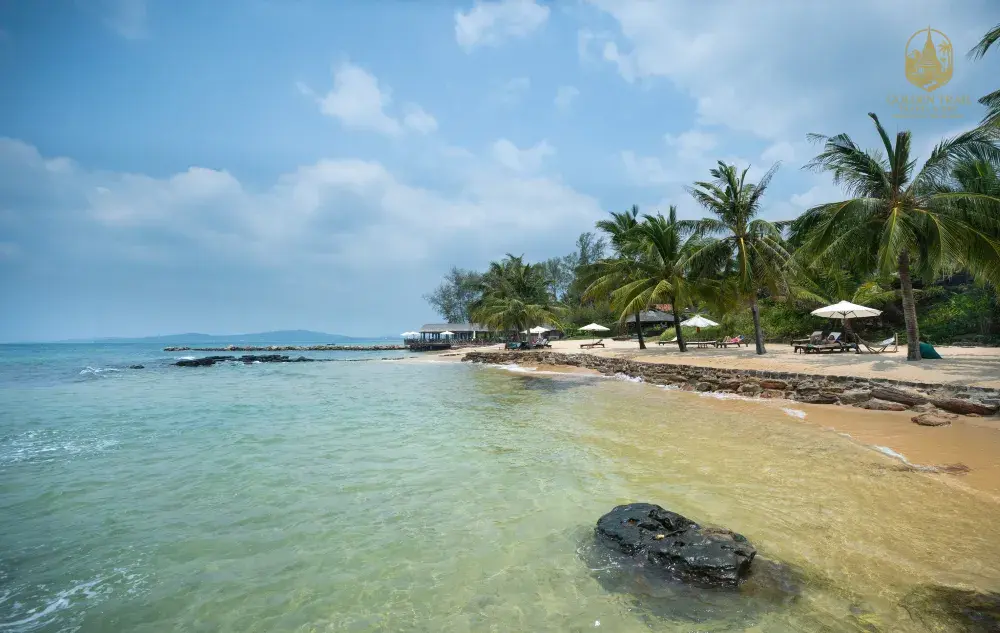
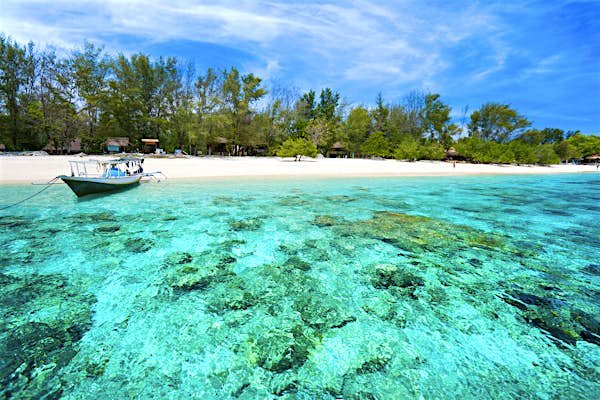
Imagine stepping onto an island where the only sounds are the gentle lapping of waves, the rustle of palm trees, and the clip-clop of horse-drawn carts. Where dazzling white sand beaches meet turquoise waters teeming with vibrant marine life, and every sunset paints the sky in hues of impossible beauty. This is the magic of the Gili Islands, an enchanting archipelago of three tiny islands – Gili Trawangan, Gili Meno, and Gili Air – nestled just off the coast of Lombok, Indonesia.
Famed for their idyllic, car-free charm, laid-back atmosphere, and spectacular underwater world, the Gili Islands offer a quintessential tropical escape. Each island boasts its own unique personality, catering to different types of travelers, yet all share the common threads of pristine natural beauty, a relaxed pace of life, and a commitment to preserving their untouched allure. Whether you're a passionate diver, a sun-worshipper seeking tranquility, a party-goer, or a couple dreaming of a romantic hideaway, the Gilis promise an unforgettable adventure.
This comprehensive guide will transport you to these barefoot paradises, delving into the distinct character of each island, revealing their incredible underwater ecosystems, exploring their car-free culture, and guiding you through the myriad of experiences that await. Prepare to discover your perfect island escape and fall in love with the unhurried rhythm and breathtaking beauty of the Gili Islands.
The Gili Triad: Discovering Each Island's Unique Personality
While often grouped together, each of the three Gili Islands possesses a distinct charm and caters to different travel styles. Understanding these differences is key to choosing your ideal island paradise.
Gili Trawangan (Gili T): The Party Hub & Diver's Dream
Known affectionately as "Gili T," this is the largest and most developed of the three islands. It's the most popular choice for backpackers, divers, and those seeking a lively atmosphere with plenty of dining and entertainment options.
-
Vibrant Atmosphere: Gili Trawangan offers a bustling main street lined with restaurants, bars, dive shops, and souvenir stalls. Evenings are lively, with beachfront parties, live music, and fire shows.
-
Diver's Paradise: With numerous dive schools, Gili T is a prime spot for both beginners and experienced divers. Its surrounding waters boast diverse marine life, including turtles, reef sharks, and colorful corals.
-
Activities Galore: Beyond diving, you can enjoy snorkeling, freediving, horseback riding, cycling around the island, and a variety of water sports.
-
Iconic Swings: The famous overwater swings and hammocks on the west side of the island are popular spots for sunset photos.
-
Sunset Side: The west side of Gili T is known for its stunning sunsets, offering a more relaxed vibe than the bustling east side.
Gili T is where you go if you want a balance of relaxation and social interaction, with easy access to all the amenities.
Gili Meno: The Romantic Retreat & Quiet Oasis
Sandwiched between Gili Trawangan and Gili Air, Gili Meno is the smallest and most tranquil of the three islands. It's the perfect choice for couples, honeymooners, and those seeking ultimate peace and seclusion.
-
Undisturbed Serenity: Gili Meno is significantly quieter than Gili Trawangan, with fewer crowds, minimal nightlife, and a truly relaxed pace. It feels like a genuine escape from the world.
-
Romantic Ambiance: With its pristine white sand beaches, crystal-clear waters, and lush interior, Gili Meno exudes a romantic charm, ideal for honeymooners or couples seeking quality time together.
-
Marine Conservation: The waters around Gili Meno are home to beautiful coral gardens and several turtle conservation projects. The famous Gili Meno Statues (Nest) by Jason deCaires Taylor are a popular underwater art installation and dive/snorkel site.
-
Simple Pleasures: Days on Gili Meno are spent swimming, snorkeling directly from the beach, strolling along the quiet shores, or simply relaxing in a hammock.
-
Saltwater Lake: The island features a small, picturesque saltwater lake in its interior, adding to its unique natural beauty.
Gili Meno is where you go to truly disconnect, unwind, and immerse yourself in the natural beauty of a quiet island paradise.
Gili Air: The Best of Both Worlds & Island Charm
Positioned closest to Lombok, Gili Air strikes a perfect balance between the vibrancy of Gili Trawangan and the tranquility of Gili Meno. It offers a laid-back, friendly atmosphere with enough amenities to be comfortable, but without the overwhelming crowds.
-
Balanced Vibe: Gili Air appeals to a wide range of travelers, including families, couples, and independent travelers who want a bit of activity and social life without the constant party scene.
-
Authentic Feel: It retains more of a local, rustic charm than Gili Trawangan, with local villages and a more integrated community feel.
-
Great Snorkeling & Diving: Gili Air boasts excellent snorkeling directly from its beaches, with vibrant coral reefs and abundant marine life easily accessible. It also has numerous reputable dive schools.
-
Wellness Focus: There's a growing number of yoga studios, wellness retreats, and healthy eating options on Gili Air, appealing to those seeking rejuvenation.
-
Beautiful Beaches: Its beaches are consistently beautiful, offering soft white sand and clear, calm waters, perfect for swimming and sunbathing.
Gili Air is where you go if you want a comfortable, friendly island experience with options for both relaxation and exploration.
Car-Free Paradise: The Unique Charm of the Gili Islands
One of the most defining and beloved features of the Gili Islands is their absolute commitment to being a car-free and motorbike-free zone. This policy profoundly shapes the island experience, creating a unique, unhurried atmosphere.
The Absence of Motorized Vehicles
Upon arrival, you'll immediately notice the absence of traffic noise and exhaust fumes. There are no cars, scooters, or motorized vehicles whatsoever on any of the three islands. This is a fundamental aspect of their charm and environmental preservation efforts.
Traditional Transport: Cidomo & Bicycle
Movement around the islands relies on traditional and eco-friendly methods:
-
Cidomo (Horse-drawn Carts): These colorful, two-wheeled carts pulled by small horses are the primary form of motorized public transport. They meet incoming boats and can be hired for island tours or transfers between accommodations. While iconic, there are ongoing discussions about the welfare of the horses, and many travelers opt for alternatives.
-
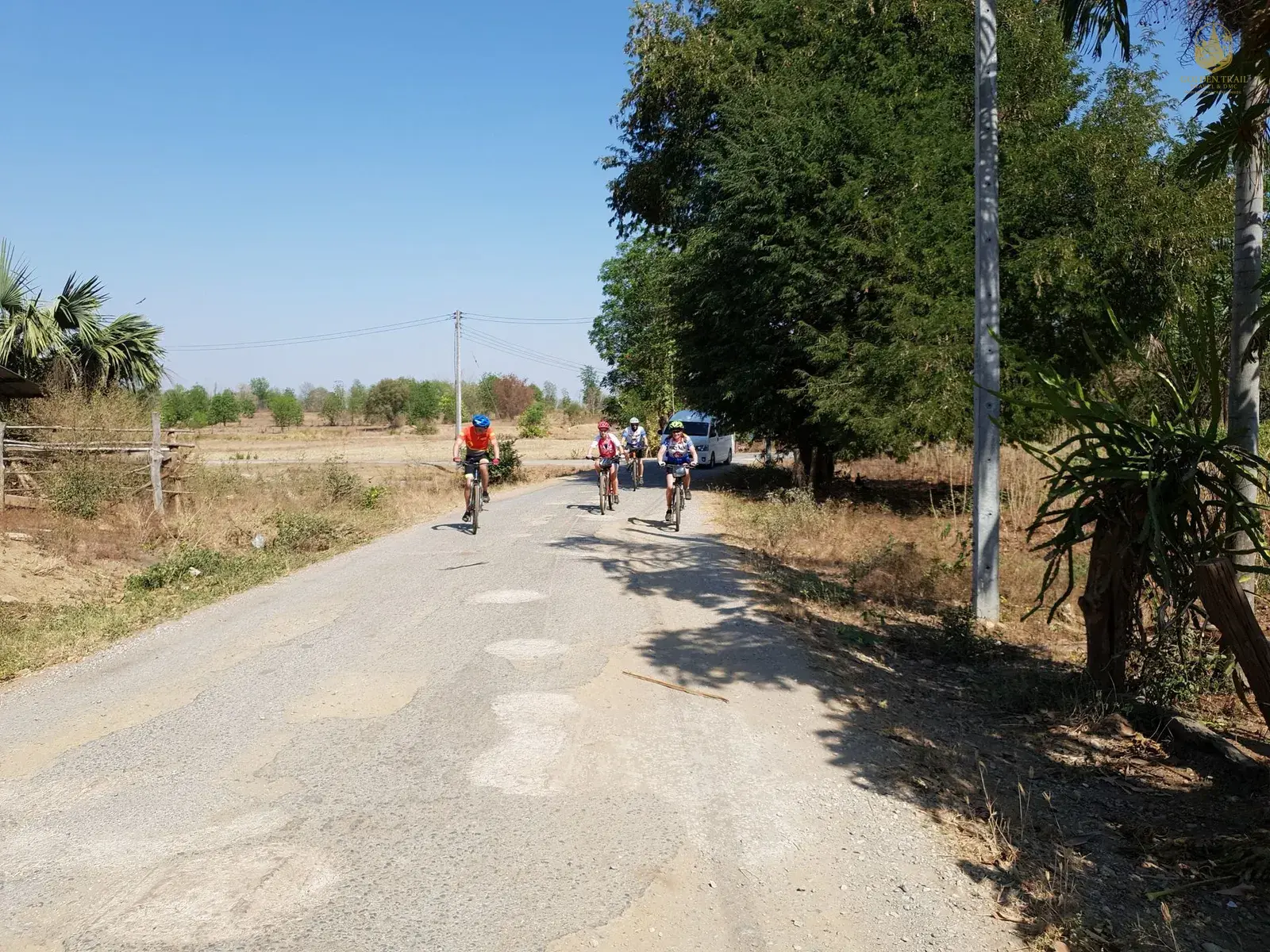
Bicycles: Renting a bicycle is the most popular and enjoyable way to explore the islands. Most accommodations offer rentals, and you can easily cycle around Gili Trawangan and Gili Air in a couple of hours. Gili Meno is even smaller and perfect for cycling.
-
Walking: The islands are small enough to be explored on foot. Walking along the beachfront paths, especially at sunset, is a popular activity.
This car-free environment contributes significantly to the islands' peaceful ambiance, allowing visitors to truly disconnect from the hustle and bustle of modern life and embrace a slower, more mindful pace.
Environmental Benefits
The absence of motorized vehicles has clear environmental advantages:
-
Reduced Air Pollution: Cleaner air quality, free from vehicle emissions.
-
Minimal Noise Pollution: A tranquil environment dominated by natural sounds.
-
Preservation of Pathways: Prevents the need for extensive road construction, helping to maintain the islands' natural beauty.
While there are discussions about the long-term sustainability of the cidomo system, the overall car-free policy is a major draw and a defining characteristic of the Gili Islands.
Underwater Paradise: Diving & Snorkeling in the Gilis
The Gili Islands are renowned for their incredible underwater world, offering some of the best diving and snorkeling opportunities in Indonesia. The warm, clear waters are teeming with diverse marine life and vibrant coral reefs.
Snorkeling: Accessible Wonders
You don't need to be a diver to experience the magic of the Gilis' underwater realm. Snorkeling is incredibly accessible and rewarding.
-
Direct from the Beach: On Gili Air and Gili Meno especially, you can often snorkel directly from the beach and encounter colorful reef fish, and sometimes even turtles, just a few meters from shore.
-
Boat Snorkeling Trips: Numerous local operators offer half-day or full-day snorkeling trips that take you to various prime spots around all three islands. These typically include:
-
Turtle Point: A popular site where you're almost guaranteed to see green sea turtles and hawksbill turtles feeding on seagrass or resting.
-
Gili Meno Statues (Nest): The famous underwater art installation by Jason deCaires Taylor, featuring 48 human figures. It's an artificial reef teeming with fish and a poignant reminder of marine conservation.
-
Coral Gardens: Various sites around the islands feature healthy hard and soft coral gardens, home to clownfish, angelfish, parrotfish, and many other reef inhabitants.
-
Shark Point: While not guaranteed, some sites offer the chance to spot blacktip and whitetip reef sharks (harmless to humans).
-
Equipment Rental: Snorkel masks, fins, and life jackets are readily available for rent from shops along the beachfront.
Diving: A World of Discovery
The Gili Islands are a haven for divers of all levels, with over 25 dive sites surrounding the islands.
-
Numerous Dive Schools: Each island, especially Gili Trawangan and Gili Air, hosts dozens of PADI, SSI, and independent dive centers. They offer everything from introductory "Discover Scuba Diving" experiences to advanced certifications and fun dives for certified divers.
-
Beginner-Friendly: The calm waters and gentle currents in many areas make the Gilis an excellent place to learn to dive or gain more experience.
-
Diverse Dive Sites:
-
Turtle Heaven: As the name suggests, a guaranteed spot to see numerous turtles.
-
Halik's Reef: A large reef system with pinnacles, walls, and slopes, home to reef sharks, barracudas, and diverse corals.
-
Shark Point: Named for the consistent sightings of reef sharks.
-
Deep Turbo: A deeper site known for larger pelagic species and impressive coral formations.
-
Bounty Wreck (Gili Meno): The remains of a sunken jetty, now an artificial reef attracting a variety of fish.
-
Simon's Reef: Colorful soft corals and abundant macro life.
-
Marine Life: Beyond turtles and reef sharks, divers frequently encounter barracudas, trevallies, moray eels, octopus, cuttlefish, various nudibranchs, and an incredible array of colorful reef fish. If lucky, you might even spot Manta Rays or even a passing whale shark (though rare).
-
Freediving: The Gilis are also a popular destination for freediving, with several schools offering courses and training for breath-hold diving.
The Gili Islands' commitment to marine conservation, including coral restoration projects and bans on destructive fishing practices, ensures that their underwater world remains a vibrant and healthy ecosystem for generations to come.
Activities Beyond the Water: Island Life & Relaxation
While the ocean is a major draw, the Gili Islands offer plenty of activities on land to complement your water adventures.
Cycling Around the Islands
-
Explore at Your Own Pace: Renting a bicycle is the quintessential Gili experience. You can easily cycle around Gili Trawangan and Gili Air in 1-2 hours, and Gili Meno even faster.
-
Scenic Paths: Enjoy paved and unpaved paths that hug the coastline, offering stunning views of the ocean, palm groves, and local life.
-
Sunset Cycling: Head to the quieter west side of Gili Trawangan or Gili Air for a memorable sunset ride.
Horseback Riding
Yoga & Wellness
-
Serene Retreats: Gili Air and Gili Meno, in particular, have a growing number of yoga studios and wellness retreats offering classes, workshops, and holistic therapies.
-
Beachfront Yoga: Many resorts offer sunrise or sunset yoga sessions directly on the beach, a truly invigorating experience.
-
Massages & Spa Treatments: Indulge in relaxing Balinese massages and other spa treatments at beachfront huts or dedicated spas, perfect for unwinding after a day of activities.
Cooking Classes: Taste of Indonesian Flavors
Learn to prepare delicious Indonesian and Sasak (Lombok's native people) dishes by joining a cooking class. You'll visit local markets, learn about ingredients, and master traditional cooking techniques.
Island Hopping: Discover All Three Gilis
Don't limit yourself to just one island! Regular public boats and private speedboats connect the three Gilis throughout the day, making island hopping easy and affordable. Spend a day exploring a different island's unique charm, have lunch, and enjoy its unique beaches or snorkel spots.
Sunset Chasing & Beachfront Relaxation
-
Iconic Swings: On Gili Trawangan, the overwater swings are perfect for capturing that iconic sunset shot.
-
Beachfront Bars & Restaurants: Settle into a beanbag chair at a beachfront bar on any of the islands, order a refreshing drink, and watch the spectacular sunset paint the sky in fiery hues over the ocean.
-
Hammocks & Lounging: Many accommodations and beach clubs offer hammocks and sun loungers for ultimate relaxation by the sea.
The laid-back pace of the Gilis encourages a mindful approach to travel, where every moment is an opportunity for simple joy and natural beauty.
Culinary Journey: Savoring the Flavors of the Gili Islands
The Gili Islands offer a vibrant and diverse culinary scene, ranging from local Indonesian delights to international flavors, all with a strong emphasis on fresh seafood.
Fresh Seafood BBQs: A Gili Specialty
-
Beachfront Grills: Every evening, especially on Gili Trawangan and Gili Air, beachfront restaurants set up tempting displays of freshly caught seafood. Choose your fish (snapper, tuna, barracuda, prawns, squid), and have it grilled to perfection right in front of you, served with rice, sambal (chili sauce), and a side of vegetables. It's a quintessential Gili dining experience.
Local Indonesian & Sasak Cuisine
-
Warungs: Seek out local warungs (small, family-run eateries) for authentic and affordable Indonesian dishes.
-
Nasi Campur: A plate of rice served with small portions of various side dishes like shredded chicken, vegetables, tempeh, and a fried egg.
-
Mie Goreng/Nasi Goreng: Classic Indonesian fried noodles and fried rice, available everywhere and always a satisfying choice.
-
Sate (Satay): Skewered and grilled meat (chicken, beef, fish) served with a rich peanut sauce.
-
Ayam Taliwang: A spicy grilled chicken dish from Lombok, often found on the Gili Islands.
-
Night Market (Gili Trawangan): The famous Gili Trawangan Night Market is a bustling hub of street food stalls, offering incredibly affordable and delicious local dishes, from seafood to Nasi Goreng, sate, and various desserts. It's a lively atmosphere and a must-visit for foodies.
International Flavors & Healthy Eats
-
Western & Fusion: All three islands, particularly Gili T, have a wide array of restaurants offering Italian (pizza, pasta), Mexican, Thai, and other international cuisines.
-
Vegan & Vegetarian: The Gilis are very accommodating for plant-based diets, with many restaurants offering fresh salads, smoothie bowls, and creative vegan and vegetarian dishes.
-
Fresh Juices & Smoothies: Given the tropical climate, enjoy an abundance of fresh fruit juices and healthy smoothies made from local produce.
Dining on the Gili Islands is a relaxed affair, often enjoyed with stunning ocean views and the gentle sea breeze.
Accommodation on the Gili Islands: Your Island Home
The Gili Islands offer a diverse range of accommodation, from rustic bungalows to luxurious villas, ensuring there's a perfect fit for every traveler and budget.
Budget-Friendly & Backpacker Stays
-
Hostels: Gili Trawangan has a thriving hostel scene, offering dormitory beds and private rooms, with communal areas for socializing. Gili Air also has a growing number of hostels.
-
Homestays & Budget Bungalows: Simple, clean, and affordable rooms are available on all three islands, often run by local families, providing a charming and authentic experience.
Mid-Range Comfort
-
Boutique Hotels & Resorts: Numerous small to medium-sized hotels and resorts offer comfortable rooms, often with swimming pools, garden settings, and direct beach access. These provide a good balance of amenities and value.
-
Private Bungalows & Villas: You'll find a wide selection of private bungalows and smaller villas with various amenities, some with private pools, catering to couples or small groups looking for more privacy.
Luxury & Exclusive Retreats
-
Upscale Resorts & Villas: While not as common as in Bali, Gili Trawangan and Gili Air have a growing number of luxurious resorts and private villas offering high-end amenities, impeccable service, and stunning beachfront locations, perfect for a romantic getaway or a splurge.
-
Eco-Resorts: Some properties focus on sustainability and offer unique, eco-friendly accommodation options that blend seamlessly with the natural environment.
Choosing Your Island & Location:
-
Gili Trawangan: Most options are on the east side near the main pier (lively). The west side offers more secluded, upscale, and sunset-focused resorts.
-
Gili Air: Options are spread out, with many along the east coast (views of Lombok) and south coast (views of Gili Meno). The interior also has peaceful bungalows.
-
Gili Meno: Accommodation is generally more spaced out and focused on quiet relaxation, often beachfront.
Booking your accommodation in advance, especially during peak seasons (July-August and December-January), is highly recommended, as options can fill up quickly. Many tours with Golden Trail Travel can include or assist with accommodation arrangements, ensuring you find the perfect island home for your Gili adventure.
Getting to the Gili Islands: Your Gateway to Paradise
Reaching the Gili Islands is part of the adventure, typically involving a speedboat journey from Bali or Lombok.
From Bali
-
Fast Boat (Most Popular): This is the most common and convenient way to reach the Gilis from Bali.
-
Departure Ports: Most fast boats depart from Padang Bai (East Bali, approximately 1.5-2 hours drive from South Bali tourist areas). Some also depart from Serangan or Sanur, though these journeys can be longer.
-
Journey Time: The fast boat journey from Padang Bai to Gili Trawangan takes approximately 1.5-2 hours, depending on sea conditions. Boats then continue to Gili Meno and Gili Air.
-
What to Expect: Fast boats are generally comfortable but can be bumpy in rough seas. Luggage storage is usually available. Book in advance, especially during peak season.
-
Public Ferry (Slower & Cheaper): For a more budget-friendly (and significantly slower) option, you can take the public ferry from Padang Bai to Lombok (Lembar Port), then a taxi to Bangsal Port, and finally a local boat to the Gilis. This is a much longer journey (5-8+ hours total) and can be less comfortable.
-
Air Travel + Boat: You can fly from Bali (Denpasar - DPS) to Lombok International Airport (LOP), then take a taxi (approx. 1.5-2 hours) to Bangsal Port, and finally a local boat to the Gilis. This is a good option if you want to explore Lombok first or avoid rough seas.
From Lombok
-
Public Boats (from Bangsal Port): The most common and cheapest way to reach the Gilis from Lombok. Public boats depart frequently from Bangsal Port to each of the three Gilis. They wait until full before departing.
-
Private Speedboats (from Bangsal Port): Faster and more convenient, private speedboats can be chartered from Bangsal at any time.
-
Direct from Senggigi/Other Lombok Hotels: Some hotels in Senggigi or other coastal areas of Lombok can arrange direct private boat transfers to the Gilis.
Arrival on the Gilis: Upon arrival at any of the Gili Island piers, you'll be greeted by locals offering cidomo rides to your accommodation. Walking or cycling are also options if your accommodation is close by.
Golden Trail Travel specializes in seamless transfers to the Gili Islands. They can arrange comfortable private car transfers from your Bali hotel to Padang Bai, and reliable fast boat tickets, ensuring a smooth and stress-free journey to paradise. They can also assist with transfers if you're coming from Lombok.
Best Time to Visit the Gili Islands
The best time to visit the Gili Islands is during the dry season, from May to September.
-
Dry Season (May - September): This period offers consistently sunny days, low humidity, and calm seas, which are ideal for all water activities like diving, snorkeling, and swimming. The visibility underwater is typically excellent. July and August are peak tourist months, meaning higher prices and more crowds.
-
Shoulder Seasons (April & October): These months can also be excellent. The weather is generally pleasant, the seas are usually calm, and there are fewer tourists compared to the peak dry season. You might experience occasional light rain showers.
-
Wet Season (November - March): Expect higher rainfall, often in short, heavy bursts, and higher humidity. The seas can be rougher, which might occasionally affect boat schedules or water visibility for diving. However, the islands are lush and green, and prices for accommodation are generally lower. It's still possible to have many sunny days during this period.
Overall, for guaranteed sunshine and optimal water conditions, the dry season is highly recommended.
Essential Tips for Your Gili Islands Adventure
-
No Cars or Motorbikes: Embrace the car-free lifestyle! Be prepared to walk, cycle, or use a cidomo.
-
Cash is King: While some larger establishments accept cards, many smaller restaurants, shops, and dive schools prefer cash. ATMs are available, especially on Gili Trawangan and Gili Air, but they can sometimes run out of money. It's wise to bring sufficient cash.
-
Respect Local Culture: While Lombok is predominantly Muslim, the Gilis have a mix of cultures. Dress respectfully when walking through local villages (especially Gili Air), and be mindful during calls to prayer.
-
Sun Protection: The sun is very strong. Use high-SPF sunscreen, wear a hat, and seek shade during the hottest parts of the day.
-
Hydration: Drink plenty of water to stay hydrated. Fresh juices and coconut water are readily available.
-
Footwear: You'll mostly be barefoot or in flip-flops. Comfortable sandals are ideal for walking or cycling.
-
Marine Conservation: Be mindful of the delicate marine ecosystem. Do not touch corals or marine life, use reef-safe sunscreen, and avoid single-use plastics.
-
Plastic Waste: Bring a reusable water bottle. Many places offer water refills. Help keep the islands clean by disposing of your trash properly.
-
Responsible Horse Riding/Cidomo: If you choose to ride a horse or use a cidomo, be mindful of the animals' welfare. Some organizations advocate against their use due to concerns over their treatment.
-
Power Outages: While less frequent now, power outages can still occur occasionally. Most accommodations have generators.
-
Booking in Advance: During peak season, book your accommodation and fast boat tickets in advance to avoid disappointment.
-
Learn Basic Indonesian: A few phrases like "Terima kasih" (Thank you) or "Apa kabar?" (How are you?) will go a long way.
-
Travel Insurance: Always have comprehensive travel insurance that covers activities like diving and any potential medical emergencies.
Customer Reviews for the Gili Islands & Golden Trail Travel
"The Gili Islands are pure paradise! We spent a week on Gili Air, and it was the perfect mix of relaxation and fun. The snorkeling straight from the beach was incredible – saw so many turtles! Golden Trail Travel organized our fast boat transfer from Bali and our beautiful beachfront bungalow. Everything was seamless, and their service was fantastic. Highly recommend them for Gili trips!" — Sarah K., Germany
"Gili Trawangan exceeded our expectations! We loved the vibrant nightlife and the incredible diving. We completed our open water certification with a dive school recommended by Golden Trail Travel, and it was an amazing experience. Golden Trail Travel also handled all our transfers and accommodation bookings, making the entire trip stress-free and enjoyable. Truly professional!" — Liam R., UK
"Gili Meno was our dream honeymoon destination. So quiet, so peaceful, and the water was crystal clear. We spent our days swimming and snorkeling to see the underwater statues. Golden Trail Travel curated a perfect romantic escape for us, arranging a private villa and quiet transfers. They understood exactly what we were looking for. Thank you!" — Emily C., Australia
"I booked a multi-island hopping tour to the Gilis with Golden Trail Travel, visiting all three islands. It was a brilliant way to experience their different vibes. The snorkeling trips they arranged were fantastic, and I saw so many colorful fish. Their team was very responsive and helpful with all my questions. Great value and great service!" — David P., USA
"The car-free environment of the Gilis is truly unique and so refreshing. Cycling around Gili Air at sunset was a highlight. We used Golden Trail Travel for our entire Bali and Gili Islands itinerary, and they were exceptional. From airport pick-ups to island transfers, everything was perfectly organized. They're definitely the go-to for hassle-free travel in Indonesia!" — Maria G., Netherlands
Frequently Asked Questions (FAQ) about the Gili Islands
Q1: What are the Gili Islands? A1: The Gili Islands are a group of three small, car-free islands (Gili Trawangan, Gili Meno, and Gili Air) located off the northwest coast of Lombok, Indonesia, famous for their beautiful beaches, clear waters, and vibrant marine life.
Q2: Which Gili Island is best for me? A2:
-
Gili Trawangan (Gili T): Best for lively nightlife, backpackers, and serious divers.
-
Gili Meno: Ideal for couples, honeymooners, and those seeking quiet, romantic seclusion.
-
Gili Air: Offers a balance of relaxed charm, good amenities, and a friendly atmosphere, suitable for families and a mix of travelers.
Q3: How do I get to the Gili Islands from Bali? A3: The most common way is by fast boat from Padang Bai (East Bali), taking approximately 1.5-2 hours to Gili Trawangan, then continuing to Gili Meno and Gili Air. Private car transfers from your Bali hotel to the port are often included in fast boat packages or can be arranged by Golden Trail Travel.
Q4: Are there cars or motorbikes on the Gili Islands? A4: No, the Gili Islands are completely car-free and motorbike-free. The only forms of transport are walking, bicycles, and horse-drawn carts (cidomo).
Q5: What are the main activities on the Gili Islands? A5: Popular activities include snorkeling and diving (especially seeing turtles and the Gili Meno Statues), cycling around the islands, island hopping, enjoying sunset views, relaxing on the beaches, and on Gili Trawangan, experiencing the lively nightlife.
Q6: What kind of marine life can I see around the Gilis? A6: The waters around the Gilis are rich in marine life, including green sea turtles, hawksbill turtles, reef sharks (blacktip and whitetip), barracudas, reef fish (clownfish, angelfish, parrotfish), moray eels, octopus, and vibrant coral reefs.
Q7: What is the best time to visit the Gili Islands? A7: The dry season (May to September) is considered the best time, offering sunny days, calm seas, and excellent visibility for all water activities.
Q8: Is it easy to find food on the Gili Islands? A8: Yes, all three islands have a wide range of dining options, from local Indonesian warungs and fresh seafood BBQs to international restaurants and healthy cafes. Gili Trawangan's Night Market is a must-visit for street food.
Q9: What types of accommodation are available on the Gili Islands? A9: Accommodation ranges from budget-friendly hostels and bungalows to mid-range hotels/resorts and upscale private villas, catering to all budgets and preferences.
Q10: How can Golden Trail Travel help me plan my Gili Islands trip? A10: Golden Trail Travel specializes in crafting seamless Gili Islands experiences. They can arrange comfortable transfers from Bali or Lombok, reliable fast boat tickets, organize snorkeling/diving trips, assist with accommodation bookings, and provide comprehensive itineraries. Visit their website at https://goldentrailtravel.com/ to easily book your island paradise adventure.







.webp "Experience Buon Ma Thuot in Style – 2 Days Discovering Vietnam’s Coffee Capital & Highland Culture")