15 Ng. 100 Đ. Nguyễn Xiển, Thanh Xuân Nam, Thanh Xuân, Hà Nội 100000



15 Ng. 100 Đ. Nguyễn Xiển, Thanh Xuân Nam, Thanh Xuân, Hà Nội 100000
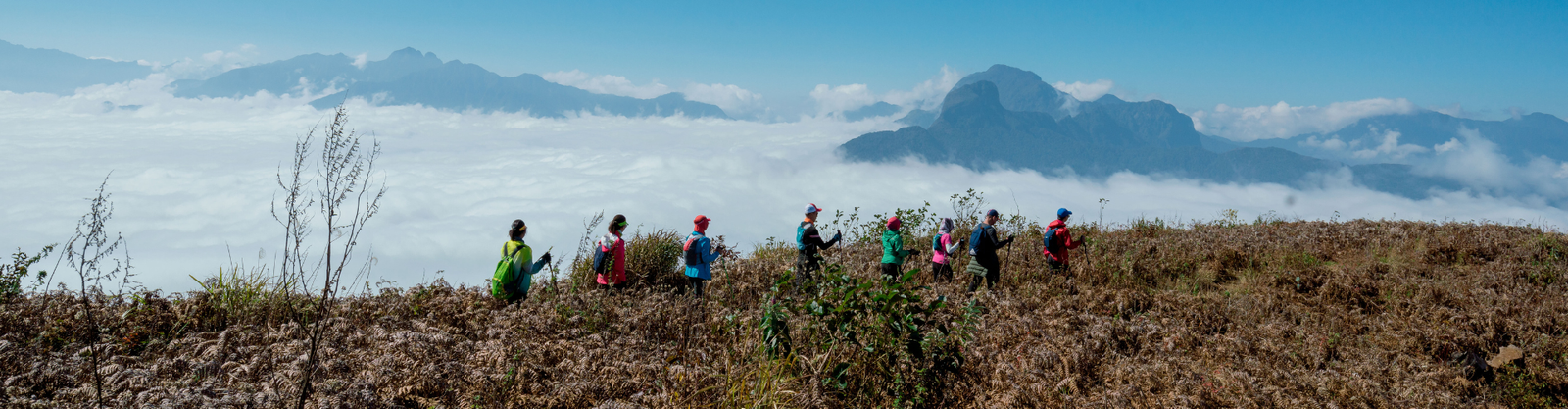
Nestled in a serene valley amidst the rugged mountains of Northwest Vietnam, Dien Bien Phu stands as a place of immense historical significance and profound natural beauty. Far more than just a historical landmark, this city offers a unique blend of poignant war sites, vibrant ethnic cultures, and breathtaking landscapes, inviting travelers to delve deep into Vietnam's past while experiencing the tranquil charm of its present. It is here, in this seemingly peaceful valley, that a pivotal battle reshaped not only the destiny of Vietnam but also influenced the course of decolonization worldwide.
This extensive guide will take you on an immersive journey through Dien Bien Phu, unveiling the dramatic events that unfolded here, exploring its diverse ethnic communities, appreciating its natural allure, offering thrilling activities, and providing practical tips for planning your impactful journey. We'll also highlight how Golden Trail Travel can seamlessly craft your Dien Bien Phu adventure, ensuring a truly remarkable and hassle-free trip into this significant corner of Vietnam.
The name "Dien Bien Phu" is synonymous with one of the 20th century's most decisive battles. In 1954, the remote valley became the stage for a climactic confrontation between the Việt Minh forces under General Vo Nguyen Giap and the French Union forces, ultimately leading to a stunning Việt Minh victory and the end of French colonial rule in Indochina. This victory resonated globally, inspiring liberation movements and accelerating decolonization across Africa and Asia.
Strategic Location: Geographically, Dien Bien Phu's valley location, surrounded by high mountains, made it both a tempting fortress for the French and, ultimately, a trap. The surrounding peaks provided strategic vantage points for the Việt Minh artillery, playing a crucial role in the siege.
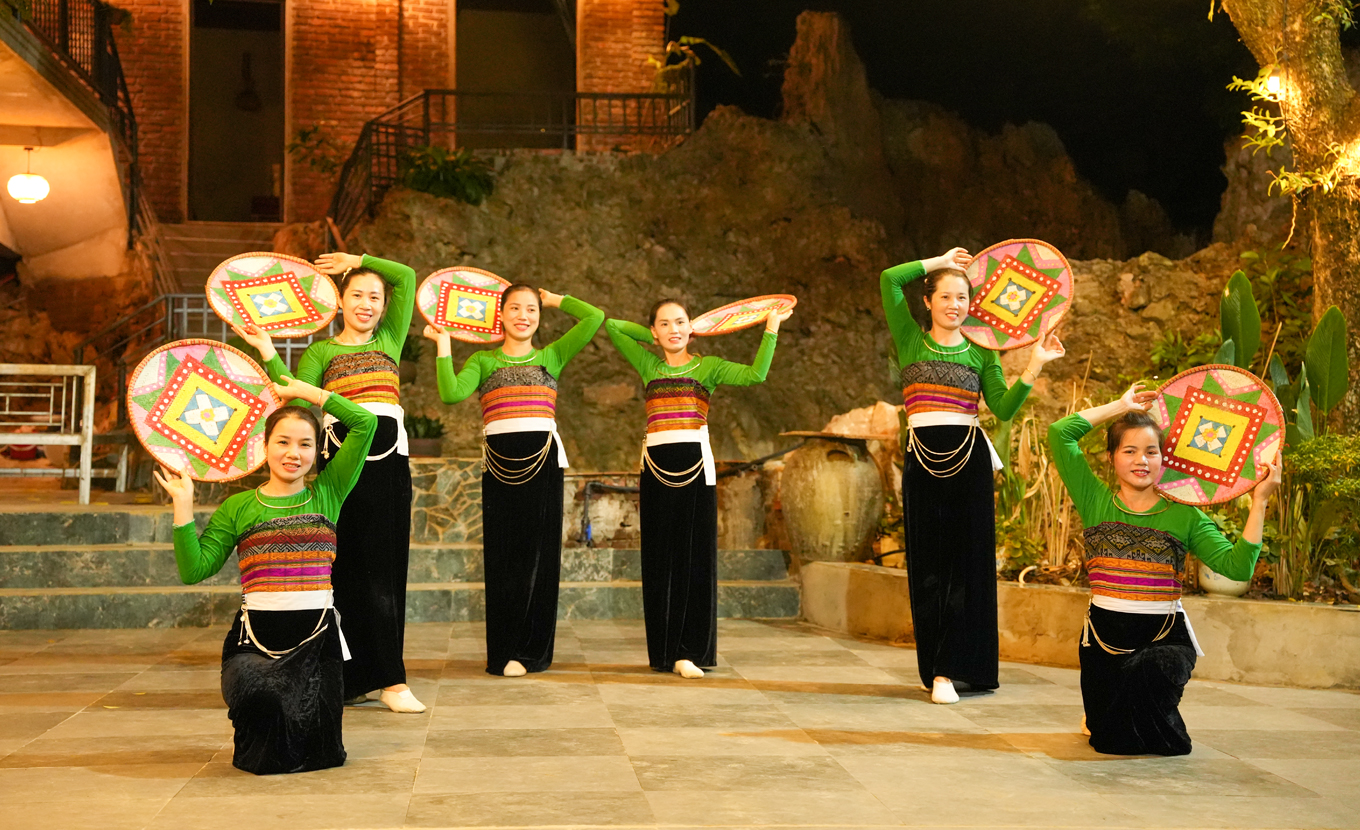
A Crossroads of Cultures: Beyond its military history, Dien Bien Phu Province is a melting pot of ethnic minority groups, primarily the Thai (White Thai), H'Mong, Dao, Kho Mu, and others. Their traditional stilt houses, vibrant festivals, unique costumes, and sustainable farming practices (especially rice cultivation in the fertile valley) contribute to the region's rich cultural tapestry. The city itself has grown from a humble valley settlement into a provincial capital, yet it retains a strong connection to its ethnic roots.
Natural Beauty: Despite its historical scars, the region boasts stunning natural beauty, characterized by lush mountains, serene rivers, and verdant rice fields that transform with the seasons. The remote location ensures a peaceful and unhurried atmosphere, far from the bustling metropolises.
Dien Bien Phu offers a profound and multi-faceted travel experience that stands out for its blend of history, culture, and nature.
1. A Living History Lesson: For anyone interested in military history, decolonization, or the history of Vietnam, Dien Bien Phu is an indispensable destination. The meticulously preserved battlefields, museums, and monuments provide a powerful and immersive understanding of this pivotal event.
2. Authentic Ethnic Immersion: Beyond the war sites, the province offers genuine opportunities to interact with diverse ethnic minority communities. Visiting their villages, observing their daily lives, and experiencing their unique traditions provide a rich cultural contrast.
3. Breathtaking Mountain Landscapes: The journey to Dien Bien Phu, whether by road or air, reveals spectacular scenery. The surrounding mountains offer opportunities for trekking, exploring remote areas, and enjoying serene natural beauty.
4. A Symbol of Vietnamese Resilience: The city embodies the enduring spirit and resilience of the Vietnamese people. It's a place of national pride and remembrance, offering visitors a deeper appreciation for the country's past and present.
5. Off-the-Beaten-Path Charm: While historically significant, Dien Bien Phu remains less frequented by international tourists compared to other major Vietnamese destinations. This allows for a more intimate and authentic travel experience.
Dien Bien Phu offers a powerful blend of historical exploration, cultural immersion, and natural discovery.
1. Explore the Dien Bien Phu Battlefield Historical Sites: This is the core of any visit. Dedicated time should be spent exploring the key locations of the 1954 battle: * Dien Bien Phu Museum (Museum of Victory): An excellent starting point, providing a comprehensive overview of the battle with artifacts, maps, dioramas, and detailed explanations. * A1 Hill (Eliane 2): One of the most fiercely contested strongholds, where visitors can see remnants of bunkers, trenches, and the infamous "coffin" crater. * Command Bunker of General De Castries: The underground headquarters of the French commander, largely preserved as it was. * Muong Thanh Bridge: A symbolic site over the Nam Rom River, crucial for French supplies. * Dien Bien Phu Victory Monument: A towering monument commemorating the Việt Minh victory, offering panoramic views of the valley. * Việt Minh Command Post at Muong Phang: Located outside the city, General Vo Nguyen Giap's tactical command center is a fascinating complex of bunkers and trails nestled in the jungle, offering insight into the Việt Minh's strategic brilliance.
2. Visit the Dien Bien Phu Cemetery of Fallen Soldiers: A solemn and moving site where many Việt Minh soldiers who died in the battle are buried. It's a place for quiet reflection and paying respects to the heroes.
3. Immerse in Ethnic Minority Culture:
4. Explore Pa Khoang Lake: A beautiful, serene lake surrounded by lush green hills, located about 20km from Dien Bien Phu city. It's perfect for a peaceful boat trip, fishing, or simply enjoying the tranquility of nature. There are small islands on the lake with some ethnic villages.
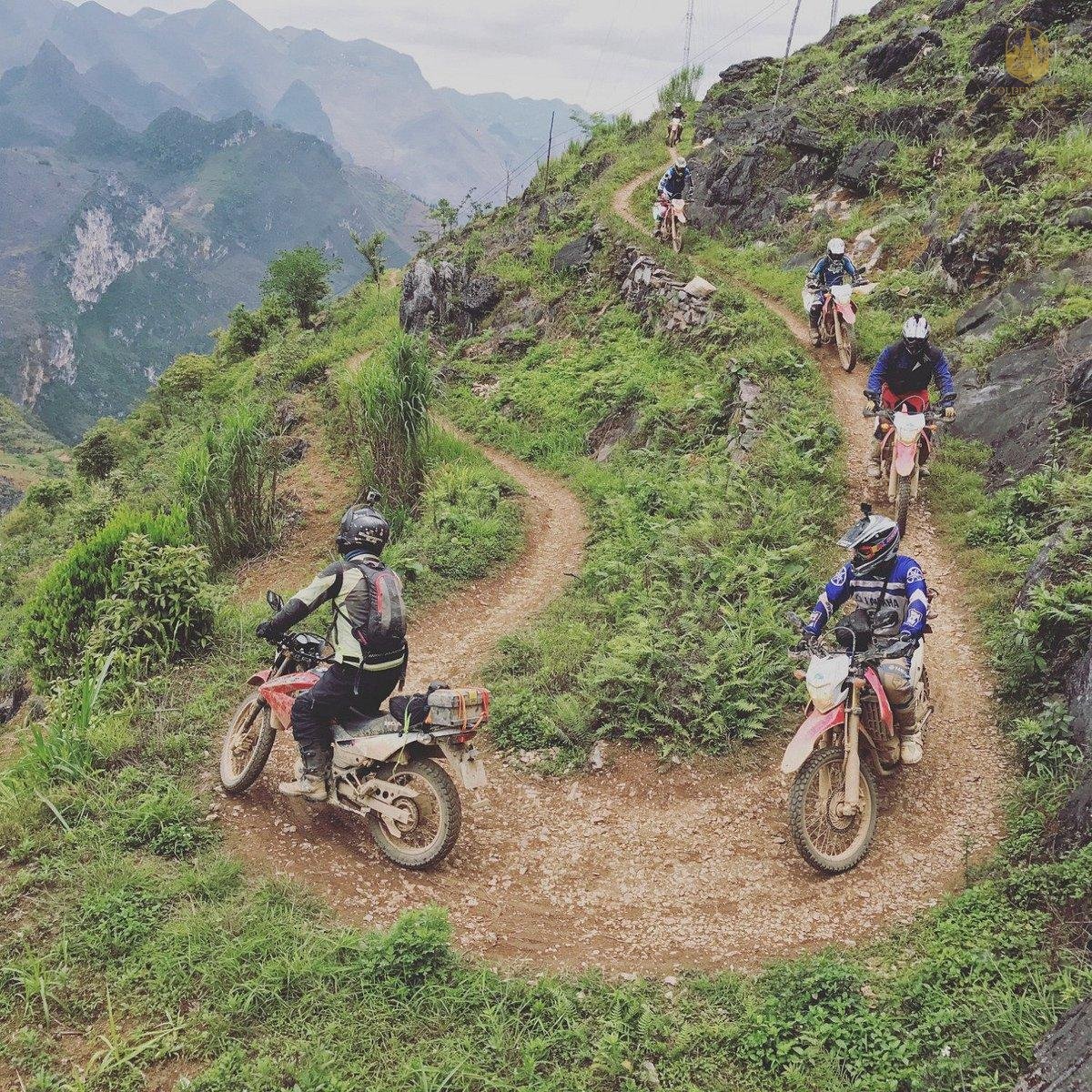
5. Discover Pha Din Pass: One of the "Four Great Mountain Passes" of Northern Vietnam, Pha Din Pass (situated between Dien Bien and Son La provinces) offers breathtaking panoramic views of the majestic mountains and valleys. The winding road makes for an exhilarating drive or motorbike experience.
6. Visit the Hot Springs: Relax and rejuvenate in the natural hot springs located a short distance from the city, such as U Va Hot Spring or Hua Pe Hot Spring. These offer a soothing experience after a day of exploration.
7. Taste Local Delicacies: Dien Bien Phu's cuisine is influenced by the local ethnic groups. * Thit Trau Gac Beo (Smoked Buffalo Meat): A specialty of the Thai people. * Che Lam (Ginger Sticky Rice Cake): A sweet treat. * Xoi Ngu Sac (Five-Colored Sticky Rice): A visually stunning and delicious dish, often served at festivals. * Local Rice Wine: Sample various homemade rice wines. * Fresh Fish from Muong Thanh Lake: Enjoy locally caught fish prepared in different ways.
8. Trekking and Motorbiking in the Surrounding Mountains: For adventurous travelers, the mountains surrounding Dien Bien Phu offer endless opportunities for trekking to remote villages, discovering hidden waterfalls, and enjoying stunning vistas. Motorbiking along the winding mountain roads is also a popular way to explore the scenic routes.
9. Attend Local Festivals (Seasonal): If your visit coincides, attending a traditional festival of the Thai or H'Mong people provides a vibrant cultural experience with traditional music, dance, and games. The "Xen Ban" festival of the Thai people (in March) is a significant one.
10. View the Muong Thanh Rice Fields: The fertile Muong Thanh Valley is carpeted with rice fields. Depending on the season (especially during transplanting in May/June or harvest in September/October), these fields create picturesque landscapes.
To ensure a smooth and enriching trip, here's some essential practical advice for your Dien Bien Phu adventure:
Best Time to Visit:
Getting There:
Getting Around Dien Bien Phu:
Accommodation: Dien Bien Phu offers a range of hotels and guesthouses, primarily in the city center. Options range from budget-friendly to comfortable mid-range hotels. There are also opportunities for homestays in surrounding ethnic minority villages for a more authentic cultural experience.
What to Bring:
Local Etiquette:
Navigating the historical depths and cultural nuances of a destination like Dien Bien Phu, especially when combined with exploring the rugged beauty of Northwest Vietnam, can be greatly enhanced with expert planning. Golden Trail Travel stands as your ideal partner, offering meticulously crafted tours that unlock the profound significance and captivating beauty of this unique region.
Why Choose Golden Trail Travel for Your Dien Bien Phu Adventure?
Ready to embark on a profound journey through history, valor, and mountain majesty in Dien Bien Phu? Visit https://goldentrailtravel.com/ today to explore their diverse range of Northwest Vietnam tours that feature Dien Bien Phu and book your impactful adventure! Let Golden Trail Travel be your compass to this significant corner of Vietnam.
Here's what some of our adventurers have to say about their experiences with Golden Trail Travel, often highlighting the magic of Dien Bien Phu:
"Our visit to Dien Bien Phu with Golden Trail Travel was incredibly moving. The museum and the A1 Hill were so impactful, and our guide was exceptional, bringing the history to life. It was a powerful and humbling experience. The whole trip was perfectly organized." - Robert D., UK
"I had always wanted to visit Dien Bien Phu to understand the history. Golden Trail Travel crafted a fantastic itinerary that combined the battlefield sites with visits to local Thai villages. It was a perfect blend of history and cultural immersion. The scenery on the drive there was also breathtaking." - Maria K., Germany
"The local insights provided by our Golden Trail Travel guide in Dien Bien Phu were invaluable. We learned so much about the battle, but also about the lives of the local ethnic communities. It was an authentic and enriching journey, far from the usual tourist crowds." - Chris L., USA
"Golden Trail Travel made our Northwest Vietnam adventure seamless. Dien Bien Phu was a profound experience – the scale of the sacrifice was immense. We also loved exploring the peaceful countryside and enjoying the traditional food. Highly recommend them for a meaningful trip." - Sarah B., Australia
"As a history buff, Dien Bien Phu was a dream. Golden Trail Travel's attention to detail, from flights to comfortable hotels, was superb. We were especially impressed with the visit to General Giap's command post. A truly well-executed and memorable tour." - David F., Canada
Q1: What is Dien Bien Phu most famous for? A1: Dien Bien Phu is most famous for being the site of the decisive battle in 1954 between the Việt Minh and French Union forces, which led to the end of French colonial rule in Indochina.
Q2: When is the best time to visit Dien Bien Phu? A2: The dry season (October to April) offers the most pleasant weather for visiting historical sites and exploring. If you want to see the rice fields at their best, consider May/June (transplanting) or September/October (harvest).
Q3: How do I get to Dien Bien Phu? A3: The easiest and fastest way is by direct flight from Hanoi to Dien Bien Phu Airport (DIN). You can also travel by long-distance sleeper bus from Hanoi or other northern cities, which is more economical but takes longer on winding mountain roads.
Q4: What are the main historical sites to visit in Dien Bien Phu? A4: Key sites include the Dien Bien Phu Museum, A1 Hill (Eliane 2), the Command Bunker of General De Castries, Muong Thanh Bridge, the Dien Bien Phu Victory Monument, and General Vo Nguyen Giap's Command Post at Muong Phang.
Q5: Can I visit ethnic minority villages in Dien Bien Phu? A5: Yes, Dien Bien Phu province is home to various ethnic groups, primarily the Thai people. You can visit their traditional stilt villages, observe daily life, learn about their crafts, and even arrange homestays for a deeper cultural experience.
Q6: What kind of local food should I try in Dien Bien Phu? A6: Look for specialties like Thit Trau Gac Beo (smoked buffalo meat), Xoi Ngu Sac (five-colored sticky rice), Che Lam (ginger sticky rice cake), and fresh fish from Muong Thanh Lake. Local rice wine is also popular.
Q7: Is Dien Bien Phu a good base for trekking? A7: While Dien Bien Phu is known for its history, the surrounding mountains offer opportunities for trekking to remote ethnic villages and enjoying scenic landscapes. Hiring a local guide is recommended for these treks.
Q8: How can Golden Trail Travel help me plan my Dien Bien Phu trip? A8: Golden Trail Travel offers comprehensive Dien Bien Phu tour packages, including flights/bus tickets, accommodation, transportation to historical sites, and expert local guides. They can customize your itinerary to focus on history, culture, or a combination of both. Visit https://goldentrailtravel.com/ to explore their options.
Q9: How long should I spend in Dien Bien Phu? A9: A minimum of 1-2 full days is recommended to cover the main historical sites thoroughly. If you wish to explore ethnic villages or the surrounding natural areas, allow 3-4 days or more.
Q10: Is Dien Bien Phu safe for tourists? A10: Yes, Dien Bien Phu is generally very safe for tourists. As with any travel, it's always wise to be aware of your surroundings and take standard safety precautions.
.jpg "The Ultimate Guide to a Vietnam Backroads Cycling Tour: Discovering the Hidden Soul of Indochina")
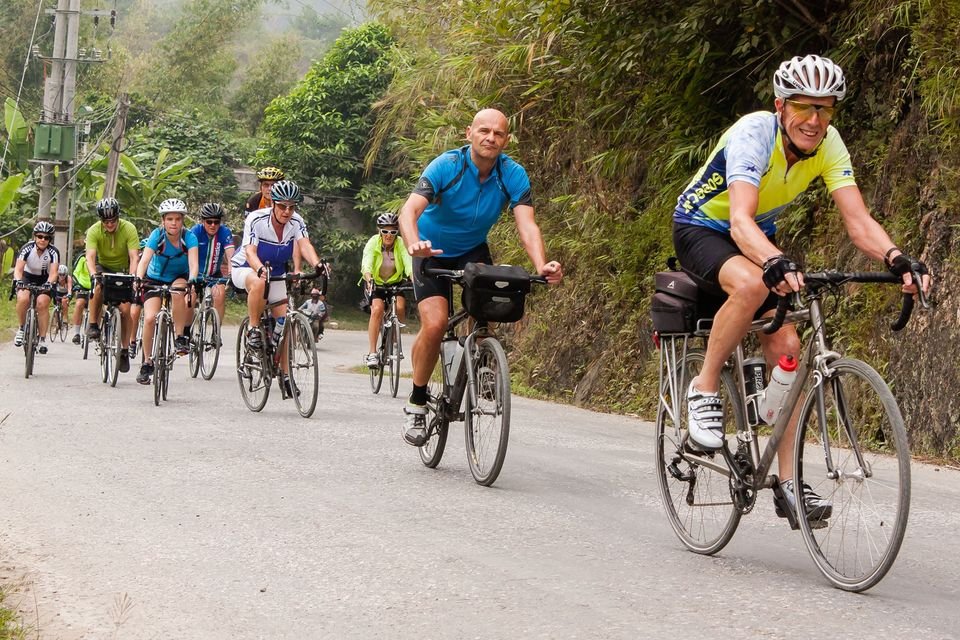
Vietnam is a land of sensory overload, a place where the landscape shifts as dramatically as its history. For the global adventurer, there is no more profound way to witness this transformation than through a Vietnam backroads cycling tour. While many travelers see the country through the tinted windows of a tour bus, traveling at the speed of two wheels allows you to notice the subtle shifts that a motorized passenger would miss—the scent of ripening rice, the rhythmic "Xin Chao" from children in remote villages, and the cool mist of the Truong Son mountains.
December 20, 2025
.jpg "The Soul of the Land: The Ultimate Guide to a Vietnam Countryside Bike Tour")
There is a version of Vietnam that exists far beyond the neon-lit skyscrapers of Ho Chi Minh City and the bustling, motorbike-clogged streets of Hanoi. It is a land of emerald-green rice paddies, ancient banyan trees shading village gates, and the rhythmic sound of water buffalos grazing in the mist. To truly witness the heart of this nation, one must travel at a human pace. This is why a Vietnam countryside bike tour has become the gold standard for travelers seeking authenticity, serenity, and a deep connection with the local culture.
December 20, 2025
.jpg "The Ultimate Vietnam Coastal Cycling Tour: A 3,260km Journey of Sun, Sea, and Spoke")
Vietnam’s coastline is a masterpiece of nature, stretching over 3,260 kilometers in a graceful "S" curve. For the global adventurer, there is no more profound way to experience the rhythmic beauty of this maritime nation than through a Vietnam coastal cycling tour. This journey is a sensory odyssey—a blend of salty sea breezes, the taste of fresh-off-the-boat seafood, the sight of emerald-green rice paddies meeting turquoise waters, and the profound feeling of freedom that only comes with traveling at the speed of two wheels.
December 20, 2025
.webp "Southern to Northern Vietnam Cycling: The Ultimate Cross-Country Odyssey")
There is perhaps no greater physical and spiritual challenge in Southeast Asia than the 2,000-kilometer odyssey of Southern to Northern Vietnam cycling. While many travelers choose to follow the traditional path from Hanoi to Saigon, the reverse journey—from the pulsating, neon-lit energy of Ho Chi Minh City to the historic, tree-lined boulevards of the capital—offers a unique progression of landscapes and climate that is increasingly favored by endurance enthusiasts. This journey is more than just a bike ride; it is a profound exploration of a nation’s soul, moving through tropical deltas, high-altitude coffee plateaus, and the legendary limestone karsts of the north.
December 20, 2025
.jpg "Saigon to Hanoi Cycling Tour: The Ultimate Cross-Country Odyssey")
There is perhaps no greater physical and spiritual challenge in Southeast Asia than embarking on a Saigon to Hanoi cycling tour. Spanning over 2,000 kilometers, this journey is a profound exploration of a nation’s soul, traveling through the dramatic transformation of landscape, culture, and climate. From the pulsating, neon-lit energy of Ho Chi Minh City to the historic, tree-lined boulevards of Hanoi, traveling at the speed of two wheels allows you to witness the "S-curve" of Vietnam in a way that no other form of travel can offer.
December 20, 2025
.jpg "Ho Chi Minh City to Hanoi Bike Tour: The Ultimate Cross-Country Odyssey")
The journey from the pulsating, neon-lit energy of Ho Chi Minh City to the historic, tree-lined boulevards of Hanoi is more than just a traverse of 1,700 to 2,000 kilometers; it is a profound pilgrimage through the soul of Vietnam. For the modern adventurer, a Ho Chi Minh City to Hanoi bike tour represents the ultimate test of endurance, a masterclass in geographic diversity, and a front-row seat to the dramatic evolution of a nation.
December 20, 2025
.webp "The Ultimate Guide to a South to North Vietnam Bike Tour: An Epic 2,000km Journey")
There is perhaps no greater physical and spiritual challenge in Southeast Asia than embarking on a South to north Vietnam bike tour. Spanning the entire length of this S-shaped nation, a trans-Vietnam cycling journey is more than just a sports activity; it is a profound exploration of a nation’s soul. From the pulsating energy of Ho Chi Minh City to the historic, mist-shrouded boulevards of Hanoi, traveling at the speed of two wheels allows you to witness the dramatic transformation of landscape, culture, and climate in a way that no other form of travel can offer.
December 20, 2025
.jpg "The Ultimate Odyssey: A Comprehensive Guide to a Vietnam Bicycle Tour South to North")
The rhythmic whirring of a chain, the scent of blooming coffee blossoms in the highlands, and the misty silhouettes of limestone karsts at dawn—this is the reality of a Vietnam bicycle tour south to north. Spanning over 2,000 kilometers from the pulsating energy of Ho Chi Minh City to the historic, tree-lined boulevards of Hanoi, this journey is not just a bicycle tour; it is a profound pilgrimage through the heroic history and vibrant culture of a nation that has truly found its peace.
December 20, 2025
.webp "Conquering the S-Curve: The Ultimate Guide to a Vietnam Cycling Tour South to North")
The rhythmic whirring of a chain, the scent of blooming coffee blossoms in the highlands, and the misty silhouettes of limestone karsts at dawn—this is the reality of a Vietnam cycling tour south to north. Spanning over 2,000 kilometers from the pulsating energy of Ho Chi Minh City to the historic, tree-lined boulevards of Hanoi, this journey is not just a bicycle tour; it is a profound pilgrimage through the heroic history and vibrant culture of a nation that has truly found its peace.
December 20, 2025
.jpg "Conquering the S-Curve: The Ultimate Guide to Cycling Vietnam South to North")
There is perhaps no greater physical and spiritual challenge in Southeast Asia than the 2,000-kilometer odyssey of cycling Vietnam south to north. While many travelers choose to follow the traditional path from Hanoi to Saigon, the reverse journey—from the pulsating energy of Ho Chi Minh City to the historic, mist-shrouded boulevards of the capital—offers a unique progression of landscapes and climate that is increasingly favored by endurance enthusiasts. This journey is more than just a bike ride; it is a profound exploration of a nation’s soul, moving through tropical deltas, high-altitude coffee plateaus, and the legendary limestone karsts of the north.
December 20, 2025
.webp "The Ultimate Odyssey: A Comprehensive Guide to a Vietnam Bike Tour South to North")
For the modern adventurer, few challenges rival the prestige and profound beauty of a cross-country cycling expedition. While many travelers explore Vietnam in segments, the true connoisseur of the road knows that a Vietnam bike tour south to north is the ultimate way to witness the dramatic evolution of a nation. Spanning over 2,000 kilometers from the pulsating energy of Ho Chi Minh City to the historic, mist-shrouded boulevards of Hanoi, this journey is a masterclass in geographic diversity, historical resonance, and physical endurance.
December 20, 2025
.jpg "The Ultimate Odyssey: A Comprehensive Guide to a Vietnam Transnational Cycling Tour")
The dream of crossing a country from end to end is a rite of passage for every serious adventurer. When that country is Vietnam—a land of emerald mountains, ancient history, and unparalleled hospitality—the journey becomes more than a physical feat; it becomes a soul-stirring transformation. A Vietnam transnational cycling tour is the ultimate way to witness the "S-curve" of Indochina, pedaling from the historic, mist-shrouded streets of Hanoi in the north to the pulsating, neon-lit energy of Ho Chi Minh City in the south.
December 20, 2025
.jpg "The Epic Traverse: A Comprehensive Guide to Northern to Southern Vietnam Cycling")
Vietnam is a country that demands to be seen at the speed of two wheels. Stretching over 1,600 kilometers in a graceful "S" curve, it offers one of the most diverse and rewarding landscapes for cyclists in Southeast Asia. Engaging in Northern to Southern Vietnam cycling is more than just a physical challenge; it is a profound journey through a nation’s history, its vibrant cultures, and its breathtaking natural wonders. From the misty limestone karsts of the north to the sun-drenched, emerald waterways of the Mekong Delta, an end-to-end expedition is a life-altering experience.
December 20, 2025
.jpg "Conquering the S-Curve: The Ultimate Guide to a Hanoi to Saigon Cycling Tour")
The journey from the historic, tree-lined boulevards of Hanoi to the pulsating, neon-lit energy of Saigon (Ho Chi Minh City) is more than just a traverse of 1,700 to 2,000 kilometers; it is a profound pilgrimage through the soul of Vietnam. For the modern adventurer, a Hanoi to Saigon cycling tour represents the ultimate test of endurance, a masterclass in geographic diversity, and a front-row seat to the dramatic evolution of a nation.
December 20, 2025
.jpg "The Epic Cross-Country Odyssey: A Complete Guide to the Hanoi to Ho Chi Minh City Bike Tour")
The journey from the historic, tree-lined boulevards of Hanoi to the pulsating, neon-lit energy of Ho Chi Minh City is more than just a traverse of 1,700 to 2,000 kilometers; it is a profound pilgrimage through the soul of Vietnam. For the modern adventurer, a Hanoi to Ho Chi Minh City bike tour represents the ultimate test of endurance, a masterclass in geographic diversity, and a front-row seat to the dramatic evolution of a nation.
December 20, 2025
.jpg "The Ultimate Guide to Vietnam Coast Cycling North to South: A Journey Along the Azure Edge")
Vietnam’s coastline is a masterpiece of nature, stretching over 3,260 kilometers in a graceful "S" curve. For the global adventurer, there is no more profound way to experience the rhythmic beauty of this nation than through Vietnam coast cycling north to south. This journey is a sensory odyssey—a blend of salty sea breezes, the taste of fresh-off-the-boat seafood, the sight of emerald-green rice paddies meeting turquoise waters, and the profound feeling of freedom that only comes with traveling at the speed of two wheels.
December 20, 2025
There is perhaps no greater physical and spiritual challenge in Southeast Asia than embarking on a North to south Vietnam bike tour. Spanning the entire length of this S-shaped nation, a trans-Vietnam cycling journey is more than just a sports activity; it is a profound exploration of a nation’s soul. From the misty, jagged peaks of the northern border to the sun-drenched, emerald waterways of the Mekong Delta, traveling at the speed of two wheels allows you to witness the dramatic transformation of landscape, culture, and climate in a way that no other form of travel can offer.
December 20, 2025
There is perhaps no greater physical and spiritual challenge in Southeast Asia than embarking on a Vietnam bicycle tour north to south. Spanning the entire length of this S-shaped nation, a trans-Vietnam cycling journey is more than just a sports activity; it is a profound exploration of a nation’s soul. From the misty, jagged peaks of the northern border to the sun-drenched, emerald waterways of the Mekong Delta, traveling at the speed of two wheels allows you to witness the dramatic transformation of landscape, culture, and climate in a way that no other form of travel can offer.
December 20, 2025
.jpg "The Ultimate Guide to a Vietnam Cycling Tour North to South: An Epic 2,000km Journey")
Embarking on a Vietnam cycling tour north to south is more than just a physical challenge; it is a profound pilgrimage through the heart and soul of Southeast Asia. Spanning over 2,000 kilometers from the misty, jagged peaks of the northern border to the emerald-green waterways of the Mekong Delta, this journey offers a front-row seat to the dramatic evolution of a nation. Traveling at the speed of two wheels, you witness the subtle transitions of landscape, the rhythmic "Xin Chao" of rural villagers, and the historical echoes of the legendary Ho Chi Minh Trail.
December 20, 2025
.jpg "The Ultimate Odyssey: A Comprehensive Guide to Cycling Vietnam North to South")
Embarking on a journey of cycling Vietnam north to south is more than just a physical feat; it is a profound pilgrimage through the heart and soul of Southeast Asia. Spanning over 2,000 kilometers from the misty, jagged peaks of the northern border to the emerald-green waterways of the Mekong Delta, this journey offers a front-row seat to the dramatic evolution of a nation. Traveling at the speed of two wheels, you witness the subtle transitions of landscape, the rhythmic "Xin Chao" of rural villagers, and the historical echoes of the legendary Ho Chi Minh Trail.
December 20, 2025