Chengdu: Home of the Pandas, Land of Spice, and Heart of Leisure – Discovering Sichuan's Vibrant Soul
Imagine a city where the gentle giants of the animal kingdom, the adorable Giant Pandas, are cherished as national treasures, living in lush sanctuaries just a stone's throw from the urban sprawl. Picture ancient tea houses, filled with the aroma of brewing leaves and the clatter of mahjong tiles, offering a glimpse into a leisurely way of life that has persisted for centuries. Envision bustling streets where the fiery aroma of Sichuan peppercorns tantalizes the senses, leading you to a culinary paradise renowned worldwide for its bold and complex flavors. This is Chengdu (成都 - Chéngdū), the capital of Sichuan Province, a city that embodies the spirit of laid-back sophistication, vibrant culture, and unparalleled natural charm. More than just a regional hub, Chengdu is a destination that captivates with its unique blend of ancient traditions, modern innovation, and an undeniable zest for life.
This comprehensive guide will lead you on a captivating journey through the multifaceted world of Chengdu – from the adorable pandas at the Research Base and the ancient wonders of the Dujiangyan Irrigation System to the bustling Kuanzhai Alley and the serene People's Park. We'll delve into its fascinating history, its distinctive "leisure culture," its rich artistic expressions, and the unforgettable flavors of its world-famous cuisine. Crucially, we'll also show you how Golden Trail Travel can unlock an unforgettable and seamlessly organized adventure, ensuring you discover the true essence and hidden gems of this remarkable "Land of Abundance." Prepare to be charmed by its inhabitants, delighted by its pandas, and invigorated by its boundless energy and fiery flavors.
Chengdu: A City of Abundance and Leisure – Geography, History, and Enduring Identity
To truly appreciate Chengdu today, it's essential to understand its strategic geographical position and the compelling historical and cultural narratives that have shaped its identity as a relaxed yet vibrant metropolis.
In the Fertile Sichuan Basin: Location and Landscape:
Chengdu is located in the western part of the Sichuan Basin (四川盆地), a large, fertile plain surrounded by mountains, giving the province its name, "Four Rivers." The city itself is relatively flat and well-watered by the Min River and its tributaries, which are part of the Yangtze River system.
-
Agricultural Abundance: The fertile soil and temperate climate of the Sichuan Basin have historically made Chengdu and its surrounding areas incredibly productive agriculturally, earning it the moniker "Land of Abundance" (天府之国 - Tiānfǔ zhī Guó). This long-standing prosperity has contributed to the city's leisurely pace of life.
-
Mild Climate: Chengdu experiences a humid subtropical climate with mild, foggy winters and hot, humid summers. It's often cloudy or overcast, contributing to its distinct atmosphere.
-
Green Spaces: Despite being a large city, Chengdu is known for its numerous parks, tea houses, and green spaces, reflecting its emphasis on leisure and quality of life.
A Capital Through Millennia: From Ancient Kingdoms to Modern Metropolis (4th Century BCE - Present):
Chengdu boasts a continuous history as a major settlement and capital city dating back over 2,300 years, rarely changing its location, which is remarkable in Chinese history.
-
Shu Kingdom (4th Century BCE - 316 BCE): Early Foundations:
-
Qin Dynasty and Dujiangyan (316 BCE - 206 BCE): The Irrigation Marvel:
-
After conquering the Shu Kingdom, the Qin Dynasty established Chengdu as its administrative center in the region. Crucially, around 256 BCE, the Dujiangyan Irrigation System (都江堰) was constructed near Chengdu. This engineering marvel has continuously irrigated the Chengdu Plain for over two millennia, transforming it into China's most productive agricultural region and contributing to the city's enduring prosperity.
-
Han, Three Kingdoms, and Tang Dynasties (206 BCE - 907 CE): Cultural Flourishing:
-
Chengdu continued to thrive during subsequent dynasties. During the Three Kingdoms period (220-280 CE), it served as the capital of the Shu Han Kingdom, led by the famous Liu Bei, with Zhuge Liang as his strategist – a period immortalized in literature like "Romance of the Three Kingdoms."
-
During the Tang Dynasty (618-907 CE), Chengdu was a vital cultural and economic center, home to many celebrated poets and artists. It was during this time that block printing was invented here, and the city became known for its brocade and tea.
-
Southern Song and Ming Dynasties (12th-17th Centuries): Continued Importance:
-
Qing Dynasty (1644-1912): Leisure Culture Takes Root:
-
Under the Qing, Chengdu became synonymous with its "leisure culture". Tea houses flourished, opera and storytelling became popular, and a relaxed way of life defined the city.
-
20th Century: War and Modernization:
-
During World War II, Chengdu became a refuge for many Chinese, and a base for the "Flying Tigers" due to its inland location.
-
Post-1949, Chengdu developed into a significant industrial, scientific, and educational center. In recent decades, it has experienced immense economic growth and modernization, transforming into a global technology and business hub, while remarkably retaining its laid-back charm.
A Culture of Leisure, Pandas, and Spice: Chengdu's Enduring Character:
Chengdu's cultural identity is distinct and deeply ingrained, known for several key characteristics:
-
Leisure Culture (休闲文化 - Xiūxián Wénhuà): This is perhaps Chengdu's most famous cultural trait. Life moves at a slower, more relaxed pace. People enjoy spending time in tea houses, playing mahjong, or just strolling in parks. This "laissez-faire" attitude permeates all aspects of city life.
-
Panda Capital of the World: Chengdu is globally recognized as the primary home and conservation center for the Giant Panda. The city and its surrounding areas are crucial for panda research, breeding, and public awareness.
-
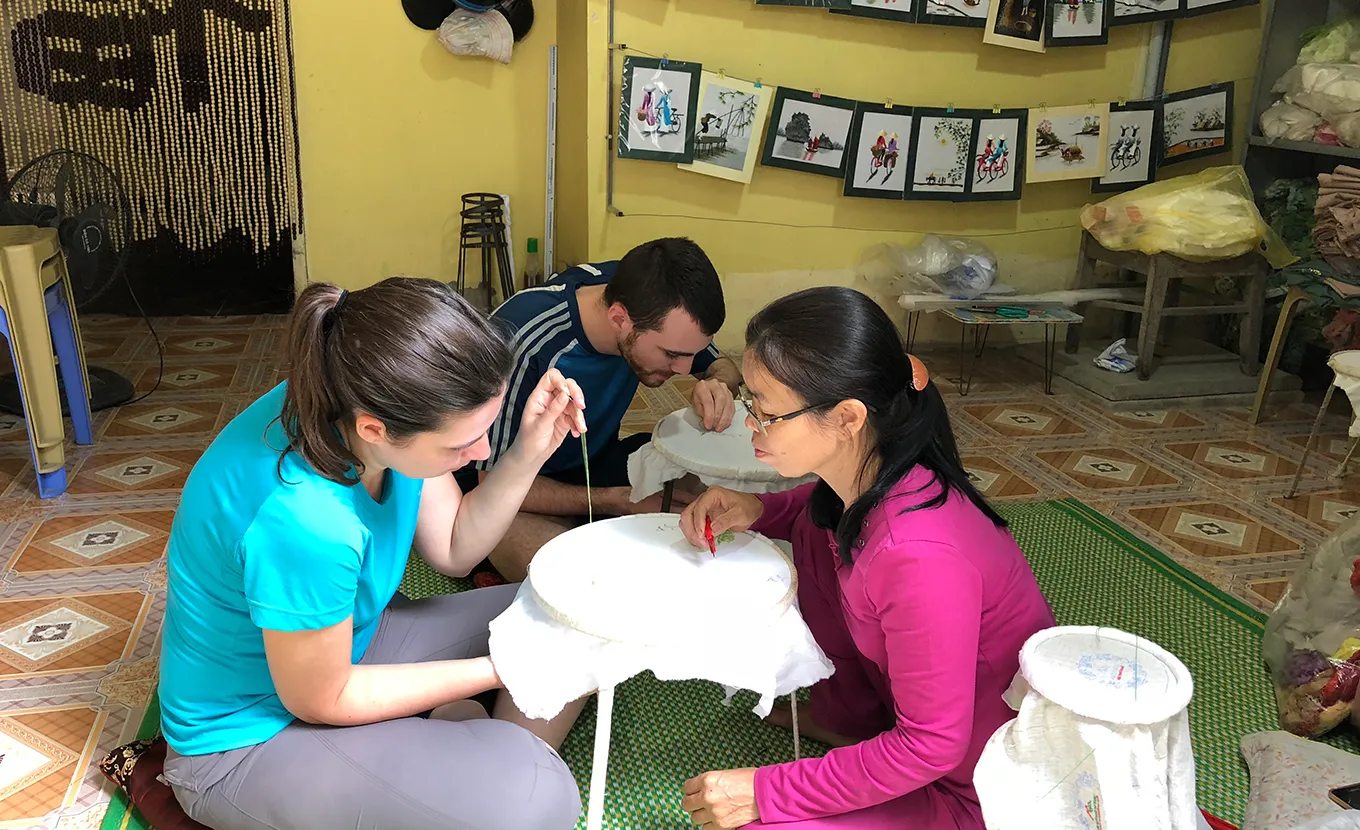
Sichuan Opera and Folk Arts: Chengdu is a vibrant center for traditional Sichuan Opera, renowned for its "face-changing" (变脸 - biànliǎn) technique. Folk arts like shadow puppetry, storytelling, and Shu embroidery also thrive here.
-
Spicy Cuisine: Sichuan cuisine, originating from Chengdu, is world-famous for its bold, complex flavors, particularly its "mala" (麻辣 - málà) sensation – a unique combination of numbing (麻 - má) from Sichuan peppercorns and spicy (辣 - là) from chili peppers.
-
Friendly Locals: Chengdu people are often described as warm, friendly, and easygoing, contributing to the city's welcoming atmosphere.
The Alluring Charms of Chengdu: Pandas, Culinary Journeys, and Ancient Wisdom
Chengdu offers an unparalleled array of attractions that brilliantly showcase its unique blend of cherished wildlife, profound historical depth, vibrant leisure culture, and tantalizing gastronomy, providing an incredibly rich and engaging travel journey.
The Giant Pandas: Chengdu's Most Beloved Residents:
Ancient Engineering and Buddhist Serenity:
-
Dujiangyan Irrigation System (都江堰 - Dūjiāngyàn): A Millennia-Old Engineering Marvel:
-
A UNESCO World Heritage site and an engineering feat dating back over 2,200 years. This ancient system diverts water from the Min River to irrigate the vast Chengdu Plain, preventing floods and ensuring agricultural abundance.
-
Still in Use: Remarkable for still being in use today, it's a testament to ancient Chinese ingenuity. Explore its various channels, dykes, and temples.
-
Leshan Giant Buddha (乐山大佛 - Lèshān Dàfó): World's Largest Stone Buddha:
-
A UNESCO World Heritage site located southeast of Chengdu (easily accessible by high-speed train). This colossal 71-meter (233 ft) tall Buddha statue is carved into a cliff face overlooking the confluence of three rivers.
-
Boat Trip vs. Walking: You can take a boat trip for a full frontal view or descend staircases carved into the cliff for closer views of the Buddha's head, hands, and feet (can involve long queues).
-
Mount Emei (峨眉山 - Éméi Shān): Sacred Buddhist Mountain:
-
A UNESCO World Heritage site and one of China's Four Sacred Buddhist Mountains, located near Leshan.
-
Pilgrimage Site: Home to numerous temples and monasteries, offering stunning natural scenery, diverse ecosystems, and challenging hiking trails. The Golden Summit (金顶 - Jīndǐng) offers breathtaking sunrise and cloud sea views.
-
Monkeys: Be prepared for the presence of playful, sometimes mischievous, wild macaques.
Chengdu's Unique Leisure Culture and Urban Charms:
-
Kuanzhai Alley (宽窄巷子 - Kuānzhǎi Xiàngzi): Wide and Narrow Alleys:
-
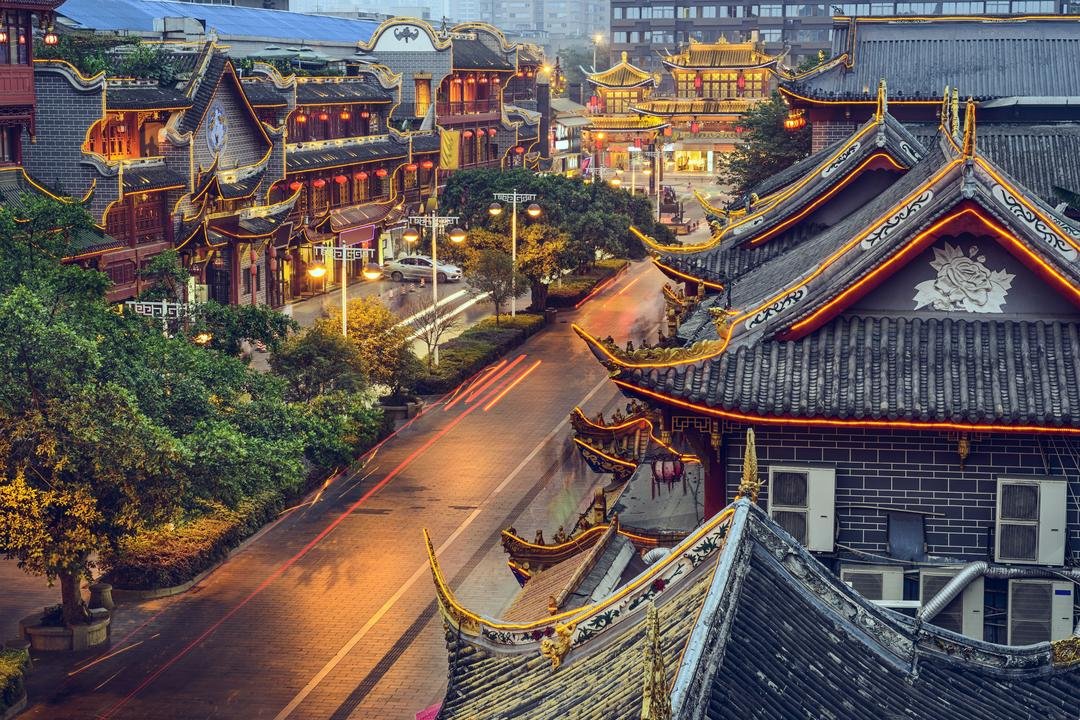
A renovated historical area featuring three parallel alleyways (Wide Alley, Narrow Alley, and Well Alley) that showcase traditional Qing Dynasty architecture (Sichuan-style courtyards).
-
Modern Vibe: Now home to charming tea houses, traditional restaurants, souvenir shops, art galleries, and lively bars, offering a blend of old and new.
-
Jinli Ancient Street (锦里古街 - Jǐnlǐ Gǔjiē): Lively Night Market and Traditional Ambiance:
-
Adjacent to the Wuhou Temple, Jinli is a bustling pedestrian street designed to evoke an ancient atmosphere.
-
Nighttime Charm: Especially vibrant at night with illuminated lanterns, street food stalls, traditional crafts, opera performances, and lively entertainment.
-
People's Park (人民公园 - Rénmín Gōngyuán): Heart of Leisure:
-
The quintessential spot to experience Chengdu's famous leisure culture.
-
Tea House Culture: Relax in one of the many traditional tea houses, sip local tea, watch locals playing mahjong or cards, get your ears cleaned (a unique local tradition), or observe impromptu dance and music performances.
-
Local Life: A fantastic place for people-watching and immersing yourself in the laid-back pace of Chengdu life.
-
Wuhou Temple (武侯祠 - Wǔhóu Cí): Three Kingdoms Legacy:
-
A temple dedicated to Zhuge Liang (诸葛亮), the strategist of the Shu Han Kingdom during the Three Kingdoms period, and Liu Bei (刘备), the kingdom's emperor.
-
Historical Significance: Explore its serene courtyards, ancient trees, and halls that house statues and relics related to this pivotal era of Chinese history.
-
Du Fu Thatched Cottage (杜甫草堂 - Dù Fǔ Cǎotáng): Poet's Retreat:
-
The former residence of Du Fu, one of China's greatest poets of the Tang Dynasty, during his stay in Chengdu.
-
Tranquil Setting: A peaceful park with reconstructed thatched cottages, ponds, and bamboo groves, offering a glimpse into the poet's life and an appreciation for classical Chinese poetry.
-
Giant Panda Post Office (大熊猫邮局): Unique Souvenirs:
-
Wangjiang Pavilion Park (望江楼公园): Riverside Park and Bamboo Garden:
Performing Arts and Cultural Showcases:
The Fiery and Flavorful Cuisine of Chengdu: A World-Renowned Gastronomic Adventure
Chengdu's cuisine, known globally as Sichuan cuisine (川菜 - Chuāncài), is one of China's Eight Great Culinary Traditions and is celebrated for its bold, complex, and often spicy flavors. It's famous for the "mala" (麻辣) sensation – a unique combination of numbing (麻 - má) from Sichuan peppercorns and spicy (辣 - là) from chili peppers – along with sweet, sour, salty, and aromatic notes, creating a multi-layered taste experience.
-
Hot Pot (火锅 - Huǒguō): The Ultimate Communal Feast:
-
The undisputed king of Sichuan cuisine. A simmering pot of spicy, flavorful broth (often half spicy, half clear) in the center of the table, into which you cook thin slices of raw meat (beef, lamb, pork), vegetables, tofu, and other ingredients. A highly social and iconic dining experience.
-
Mapo Tofu (麻婆豆腐 - Mápó Dòufu): Spicy, Silken Tofu:
-
A globally renowned dish. Silken tofu cubes bathed in a fiery, numbing, and savory sauce with minced pork (or beef), fermented broad bean paste (豆瓣酱 - dòubànjiàng), and a generous dusting of Sichuan peppercorns.
-
Kung Pao Chicken (宫保鸡丁 - Gōngbǎo Jīdīng): Sweet, Sour, Spicy, and Nutty:
-
Diced chicken stir-fried with peanuts, vegetables (like bell peppers and zucchini), and dried chilies in a balanced sweet, sour, and spicy sauce. The authentic Sichuan version is much bolder than international adaptations.
-
Dan Dan Noodles (担担面 - Dàndàn Miàn): Savory, Spicy Noodles:
-
Springy wheat noodles tossed in a rich, spicy sauce typically made with chili oil, Sichuan peppercorns, minced pork, preserved vegetables, and often sesame paste or peanuts. Small, flavorful bowls, perfect for a quick snack.
-
Fuqi Feipian (夫妻肺片 - Fūqī Fèipiàn): "Husband and Wife Lung Slices" (Chilled Beef):
-
A classic cold appetizer made with thinly sliced beef (often offal like tongue, heart, or tripe) mixed with a rich and spicy chili oil sauce, peanuts, and cilantro. The name is misleading; it's delicious!
-
Twice-Cooked Pork (回锅肉 - Huíguō Ròu): Fragrant and Flavorful:
-
Considered the "king of Sichuan dishes" by many locals. Pork belly is first boiled, then sliced and stir-fried with broad bean paste, fermented black beans, garlic, and leeks, creating a wonderfully aromatic and savory dish.
-
Chongqing Laziji (重庆辣子鸡 - Chóngqìng Làzǐjī): "Chicken with a Mountain of Chilies":
-
Deep-fried chicken pieces stir-fried with an abundance of dried red chilies and Sichuan peppercorns. While seemingly full of chilies, you pick out the chicken pieces, enjoying the intense fragrance and spicy kick.
-
Long Chaoshou (龙抄手 - Lóng Chāoshǒu): Sichuan Wontons:
-
Sweet Water Noodles (甜水面 - Tiánshuǐ Miàn): Sweet and Savory Thick Noodles:
-
Thick, chewy wheat noodles served with a unique sauce that balances sweetness (often from brown sugar) with savory, spicy, and garlicky notes. A delightful contrast to other spicy dishes.
-
San Da Pao (三大炮 - Sān Dà Pào): Sticky Rice Balls:
-
A popular street snack. Glutinous rice balls are thrown onto a board, making "pao" sounds, then rolled in soybean flour, and drizzled with brown sugar syrup. Sweet, soft, and chewy.
-
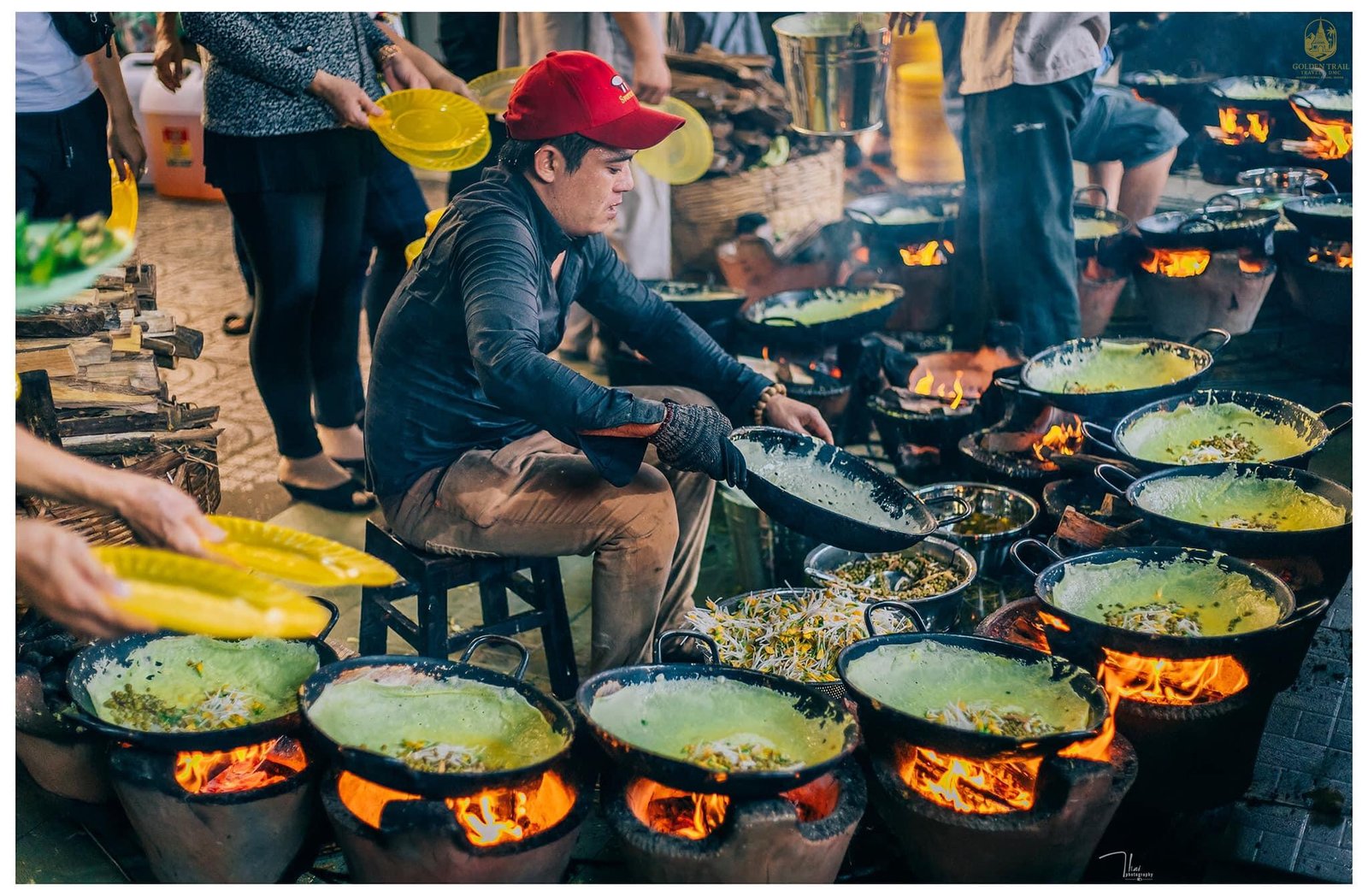
Culinary Tours: Golden Trail Travel can arrange dedicated food tours, taking you to bustling local markets, famous street food stalls, and authentic local restaurants, ensuring a truly immersive gastronomic journey through Chengdu's incredibly diverse and delicious cuisine.
Unlocking Your Chengdu Panda & Leisure Adventure with Golden Trail Travel
Navigating a vibrant city like Chengdu, with its beloved pandas, sprawling historical sites, and the intricacies of its famous spicy cuisine, requires meticulous planning and expert local knowledge to fully appreciate its charm. This is where Golden Trail Travel becomes your invaluable partner, transforming your trip into a seamlessly planned, deeply insightful, and profoundly rewarding adventure.
Specialized Chengdu Panda Encounters & Leisure Culture Tours:
Golden Trail Travel excels in designing bespoke tours that fully capture the multifaceted essence of Chengdu, catering to your specific interests, whether they are up-close panda interactions, culinary adventures, cultural immersion in tea houses, or exploring ancient engineering marvels.
-
Optimal Panda Experiences: They understand the best times to visit the panda bases for maximum activity, can secure spots for popular volunteer programs (like Dujiangyan's Panda Keeper Program), and provide transportation that gets you there early, ensuring you have the best possible panda encounter.
-
Deep Cultural Immersion: Golden Trail Travel specializes in facilitating authentic experiences of Chengdu's renowned leisure culture. They can arrange visits to local tea houses, provide insights into Sichuan Opera (including face-changing), and guide you through ancient streets like Kuanzhai Alley and Jinli.
-
Tailored Itineraries: From focusing purely on panda encounters and city life to integrating adventurous day trips to the Leshan Giant Buddha or Mount Emei, or even comprehensive culinary tours, Golden Trail Travel can customize a tour that perfectly aligns with your passions, pace, and comfort level.
-
Beyond the Famous: Their local expertise can lead you to lesser-known but equally captivating local spots and unique experiences, providing a more intimate and authentic glimpse of Chengdu's charm.
Visit Golden Trail Travel's website at to explore their diverse range of tours and begin crafting your own Chengdu panda and leisure adventure.
Knowledgeable Local Guides:
A key component of a Golden Trail Travel experience in Chengdu is access to their network of expert local guides. These guides are fluent in English and possess a profound understanding of Chengdu's unique panda conservation efforts, its millennia-long history, its distinctive "leisure culture," and the nuanced flavors of Sichuan cuisine.
-
Panda Experts: Your guide will provide insightful commentary on panda behavior, conservation efforts, and the individual personalities of the pandas, enhancing your visit to the bases.
-
Cultural Interpreters: They will bridge language barriers in bustling markets or serene tea houses, explain the intricacies of Sichuan Opera, and help you navigate the rich cultural tapestry of the city, providing a deeper cultural immersion.
-
Culinary Navigators: For food tours, they can expertly guide you through local eateries, explain dishes, and help you customize spice levels, ensuring a truly authentic and delicious gastronomic adventure without feeling overwhelmed.
-
Logistical Expertise: They are indispensable for navigating Chengdu's sprawling attractions, ensuring efficient travel between sites, leading you to the best vantage points, and handling all local arrangements efficiently, allowing you to relax and fully immerse yourself in the experience.
Seamless Logistics and Comfort:
Traveling to a vibrant and geographically diverse city like Chengdu can involve specific logistical considerations. Golden Trail Travel ensures your comfort and peace of mind throughout your journey:
-
Transportation: Arranging all ground transportation to and within Chengdu (including transfers from Chengdu Shuangliu International Airport (CTU) or Chengdu Tianfu International Airport (TFU), and private vehicles for daily excursions to panda bases, Dujiangyan, Leshan, or Mount Emei). They ensure efficient and comfortable travel across diverse urban and natural landscapes.
-
Accommodation: Selecting reputable hotels in Chengdu that meet your comfort and budget requirements, from luxury hotels in the city center to charming boutique hotels with traditional character, ensuring a pleasant stay.
-
Trouble-free Travel: Handling any potential language barriers or logistical hurdles, such as purchasing tickets for various scenic areas (especially for popular attractions like Leshan Giant Buddha or Mount Emei, which can have long queues), understanding local customs, finding authentic local eateries, or securing spots for popular panda programs. They also advise on appropriate clothing and etiquette for various activities, allowing you to relax and fully immerse yourself in the experience.
Combination Tours: Exploring the Wonders of China and Beyond:
Chengdu's central location and excellent transport infrastructure make it an ideal hub for exploring other regions of China. Golden Trail Travel can seamlessly combine your visit to Chengdu with trips to:
-
Xi'an: Home of the Terracotta Army and the ancient starting point of the Silk Road, providing a powerful contrast of imperial history.
-
Beijing: China's capital, offering imperial palaces and the Great Wall.
-
Shanghai: China's most cosmopolitan city, a vibrant hub of modern culture and finance.
-
Yunnan Province: For stunning natural landscapes and diverse ethnic cultures.
-
Zhangjiajie: For the iconic "Avatar Mountains" and dramatic national parks.
Golden Trail Travel's expertise extends across these diverse and culturally rich regions, allowing for efficient, insightful, and complementary multi-city itineraries that truly showcase the best of China's natural grandeur, imperial legacies, and unique heritage.
Commitment to Responsible Tourism:
Golden Trail Travel is dedicated to promoting responsible and sustainable tourism practices. They strive to ensure that your visit to Chengdu benefits local communities, supports vital panda conservation efforts, respects its unique leisure culture and historical sites, and minimizes environmental impact, leaving a positive footprint on this remarkable city. They actively partner with ethical panda bases and encourage respectful engagement with local traditions, ensuring the preservation of Chengdu's cherished heritage for future generations.
The Enduring Allure of Chengdu: Why This Land of Abundance Beckons
Chengdu offers a profound and exhilarating travel experience, revealing a side of China that is deeply rooted in its leisurely traditions, passionately devoted to its beloved pandas, and vibrantly alive with its world-famous cuisine. It's a city where ancient engineering marvels stand testament to ingenuity, where tea houses hum with daily life, and where the aroma of Sichuan peppercorns signals a unique culinary adventure.
Unforgettable Panda Encounters:
Get up close with Giant Pandas at world-class breeding and research bases, witnessing their charm and learning about vital conservation efforts.
A Culture of Leisure and Hospitality:
Immerse yourself in Chengdu's unique "leisure culture" by spending time in traditional tea houses, enjoying slow-paced city life, and interacting with friendly locals.
World-Renowned Culinary Delights:
Embark on a gastronomic adventure with authentic Sichuan cuisine, from fiery hot pot and classic Mapo Tofu to savory Dan Dan Noodles and an array of delicious street food.
Ancient Engineering Prowess:
Marvel at the Dujiangyan Irrigation System, an engineering feat that has sustained the region's prosperity for over two millennia.
Sacred Buddhist Heritage:
Visit the majestic Leshan Giant Buddha and explore the spiritual tranquility and stunning scenery of Mount Emei.
Vibrant Urban Charms:
Wander through historic Kuanzhai Alley and Jinli Ancient Street, offering a blend of traditional architecture, local crafts, and lively entertainment.
Gateway to Sichuan and Beyond:
Its excellent transport links make Chengdu an ideal hub for combining your visit with other iconic destinations across China.
Frequently Asked Questions (FAQ) about Chengdu and Golden Trail Travel
Q1: Where is Chengdu located in China? A1: Chengdu (成都) is the capital of Sichuan Province, located in the western part of the fertile Sichuan Basin in southwest China. It's often called the "Land of Abundance" (天府之国).
Q2: What is Chengdu most famous for? A2: Chengdu is most famous for being the "Home of the Giant Panda," its unique "leisure culture" (relaxed pace of life, tea houses), and its globally renowned Sichuan cuisine, known for its bold and spicy flavors.
Q3: What's the best place to see pandas in Chengdu? A3: The Chengdu Research Base of Giant Panda Breeding (成都大熊猫繁育研究基地) is the most popular choice. For a more intimate experience and the chance to participate in a Panda Keeper Program, the Dujiangyan Panda Base (都江堰大熊猫基地) is highly recommended.
Q4: What iconic Sichuan dishes should I try in Chengdu? A4: You absolutely must try Hot Pot (火锅), Mapo Tofu (麻婆豆腐), Kung Pao Chicken (宫保鸡丁), Dan Dan Noodles (担担面), and Fuqi Feipian (夫妻肺片). Don't be afraid to explore the street food scene!
Q5: What is Chengdu's "leisure culture" about? A5: Chengdu's "leisure culture" refers to the city's relaxed pace of life and its emphasis on enjoying simple pleasures. It's best experienced by spending time in traditional tea houses, playing mahjong, enjoying strolls in People's Park, and savoring unhurried meals.
Q6: Are there historical sites to visit in Chengdu? A6: Yes, beyond the pandas, you can visit the ancient Dujiangyan Irrigation System (都江堰), the Leshan Giant Buddha (乐山大佛), the sacred Mount Emei (峨眉山), Wuhou Temple (武侯祠) (Three Kingdoms history), and Du Fu Thatched Cottage (杜甫草堂).
Q7: How can Golden Trail Travel enhance my Chengdu trip? A7: Golden Trail Travel specializes in tailored Chengdu tours focusing on panda encounters, cultural immersion, and culinary adventures. They provide expert local guides who offer deep insights, handle all logistics (transport, tickets, panda program bookings), and ensure a seamless, authentic, and truly enriching experience in this vibrant city.
Q8: Can Golden Trail Travel combine Chengdu with other cities in China? A8: Yes! Chengdu's central location and excellent transport links make it ideal for combining with other major Chinese cities like Xi'an (Terracotta Army), Beijing (capital & Great Wall), Shanghai (cosmopolitan city), or Yunnan Province (diverse landscapes and cultures), to create comprehensive multi-city itineraries. Golden Trail Travel can customize these combinations based on your interests.
Customer Reviews: My Charming and Spicy Adventure in Chengdu with Golden Trail Travel
"Our trip to Chengdu with Golden Trail Travel was an absolute dream come true, especially seeing the Giant Pandas up close! Our guide arranged for us to visit the Dujiangyan Panda Base and participate in the keeper program – it was truly a once-in-a-lifetime experience, so intimate and moving. Golden Trail Travel handled every single detail, from airport pickups to all our bookings and excellent local restaurants. They made our trip perfectly seamless!" — Eleanor R., USA
"Chengdu's food scene is legendary, and Golden Trail Travel's culinary tour of the city was incredible! We tried so many authentic hot pot spots and street food delights like Dan Dan Noodles. Our guide was a fantastic food expert, explaining every dish and helping us navigate the spice levels. Beyond the food, we loved the relaxed atmosphere of People's Park. I highly recommend Golden Trail Travel for an authentic and delicious Chengdu adventure." — Marcus L., UK
"As someone fascinated by ancient engineering, visiting the Dujiangyan Irrigation System with Golden Trail Travel was a highlight. It's remarkable that it still works after over 2,200 years! Our guide's deep knowledge and storytelling brought the history to life. We also loved exploring Kuanzhai Alley and enjoying the traditional tea houses. Golden Trail Travel is professional, insightful, and made our trip truly special." — Sophia M., Germany
"I've always wanted to see a Sichuan Opera face-changing show, and Golden Trail Travel arranged an amazing evening for us, complete with an explanation of the art form from our guide. The highlight, of course, was seeing the pandas, and their organization ensured we got there early to see them at their most active. Golden Trail Travel truly delivers exceptional and culturally rich travel experiences. Highly recommend them for exploring Chengdu and its unique charm." — Professor Charles D., Australia
"Golden Trail Travel created an amazing multi-city tour for us across China, and Chengdu was an unforgettable part of it. The laid-back vibe combined with the incredible food and, of course, the pandas, made it so unique. The entire trip was incredibly well-organized, safe, and authentic. Their team was so responsive and helpful throughout. If you're looking for a comprehensive and expertly managed expedition through China's most charming city, Golden Trail Travel is the only choice!" — Li Wei, Singapore
Conclusion: Chengdu Beckons – Your Journey to the Heart of Sichuan's Charm
Chengdu is more than just a city; it is a profound embrace of a unique way of life, a vibrant celebration of natural beauty, and a bold adventure into a world of unparalleled flavors. From the adorable Giant Pandas that embody its gentle spirit to the ancient tea houses that whisper tales of leisure, and the fiery aromas that define its world-renowned cuisine, Chengdu offers an unparalleled travel experience. It is a city that soothes the soul, excites the palate, and warms the heart, inviting you to discover its layers of history, immerse yourself in its distinctive culture, and savor its unforgettable tastes.
To truly navigate the laid-back charm and vibrant energy of this magnificent "Land of Abundance," to unlock its hidden delights, and to experience its authentic heart, an experienced and dedicated partner is indispensable. Golden Trail Travel is your trusted guide to Chengdu, offering meticulously planned tours, expert local insights, and a steadfast commitment to authentic encounters. Let them lead you through the captivating world of Chengdu, where every moment is a delight, and your next unforgettable adventure into the heart of Sichuan awaits