Chaozhou: Where Ancient Charm Meets Culinary Delights – A Journey to the Heart of Teochew Culture
Step into Chaozhou (潮州), and you'll feel an immediate shift in pace. Unlike the bustling modern metropolises of China, this ancient city in eastern Guangdong Province offers a serene embrace, a living testament to a rich past and a vibrant cultural identity. Renowned as a key cradle of Teochew (潮汕) culture, Chaozhou is a treasure trove of intricate architecture, profound spiritual traditions, and a culinary heritage celebrated across the globe. It's a city where history isn't confined to museums but breathes in every ancient bridge, every ornate temple, and every fragrant cup of Gongfu tea.
This comprehensive guide will transport you through the enchanting world of Chaozhou – from its millennium-old landmarks and unique Teochew customs to its tranquil landscapes and legendary gastronomic scene. We'll also show you how Golden Trail Travel can unlock an unforgettable and seamlessly organized adventure, ensuring you discover the true essence and hidden gems of this remarkable cultural heartland. Prepare to be captivated by its elegance, enchanted by its traditions, and delighted by its extraordinary flavors.
Chaozhou: A Glimpse into Dynastic Splendor – History, Geography, and Enduring Identity
To truly appreciate Chaozhou, it's essential to understand its strategic location and the profound historical narrative that has cemented its role as a beacon of traditional Chinese culture, particularly that of the Teochew people.
Rivers, Mountains, and a Strategic Location:
Chaozhou is situated in the eastern part of Guangdong Province, nestled between the coastal plains and the mountainous regions that border Fujian. The Han River (韩江), a major waterway, flows through the city, playing a vital role in its historical development as a trading hub and source of life. This unique geographical setting, offering both fertile land and defensive advantages, allowed Chaozhou to flourish as an administrative, economic, and cultural center for centuries.
A City with a Thousand-Year Heritage:
Unlike its more industrial neighbor Shantou, Chaozhou boasts a deep and continuous history stretching back over 1,600 years.
-
Ancient Origins: The region was established as a prefecture as early as the Eastern Jin Dynasty (317-420 AD). Its name, "Chaozhou," was adopted in 591 AD during the Sui Dynasty, meaning "Tide Prefecture," a reference to its coastal location and the ebb and flow of its rivers.
-
Cultural Zenith: Chaozhou reached its cultural and economic zenith during the Tang (618-907 AD) and Song (960-1279 AD) Dynasties, becoming a prominent center for Confucian scholarship, Buddhism, and various traditional arts. Many of its iconic landmarks, like the Kaiyuan Temple and the Guangji Bridge, have their origins or significant renovations from these periods.
-
Literary Influence: The city is deeply associated with Han Yu (韩愈), a revered Tang Dynasty scholar and official who, though exiled to Chaozhou for a short period, implemented reforms and promoted education, leaving an indelible mark on the city's intellectual development. The Han River and Han Wengong Temple are named in his honor.
-
Overseas Connections: While not a treaty port like Shantou, Chaozhou historically played a role in maritime trade, and its people, the Teochews, were among the earliest Chinese migrants to Southeast Asia, particularly during the Ming and Qing Dynasties. This diaspora has maintained strong ties, contributing to the preservation and global recognition of Teochew culture.
The Heart of Teochew (Chaoshan) Culture:
Chaozhou, alongside Shantou and Jieyang, forms the core of the Chaoshan region, the ancestral home of the Teochew people. This distinct Han Chinese sub-ethnic group boasts a rich cultural identity, characterized by:
-
Teochew Dialect: One of the oldest and most distinct Chinese dialects, preserving many features of ancient Chinese.
-
Unique Customs: A strong emphasis on traditional values, family bonds, ancestor worship, and elaborate rituals for various life events.
-
Traditional Arts: Exquisite crafts like Teochew embroidery, wood carving, porcelain, and the dramatic Teochew Opera (潮剧).
-
Celebrated Cuisine: A highly sophisticated and renowned culinary tradition that is a major draw for visitors.
Chaozhou's commitment to preserving these traditions makes it the spiritual and cultural capital of the Teochew world.
The Allure of Chaozhou: Unforgettable Landmarks and Authentic Experiences
Chaozhou offers an astonishing array of attractions that blend historical grandeur with everyday cultural vibrancy, providing a deeply immersive travel experience.
Guangji Bridge (广济桥 - Guǎngjì Qiáo): A Dynamic Engineering Marvel:
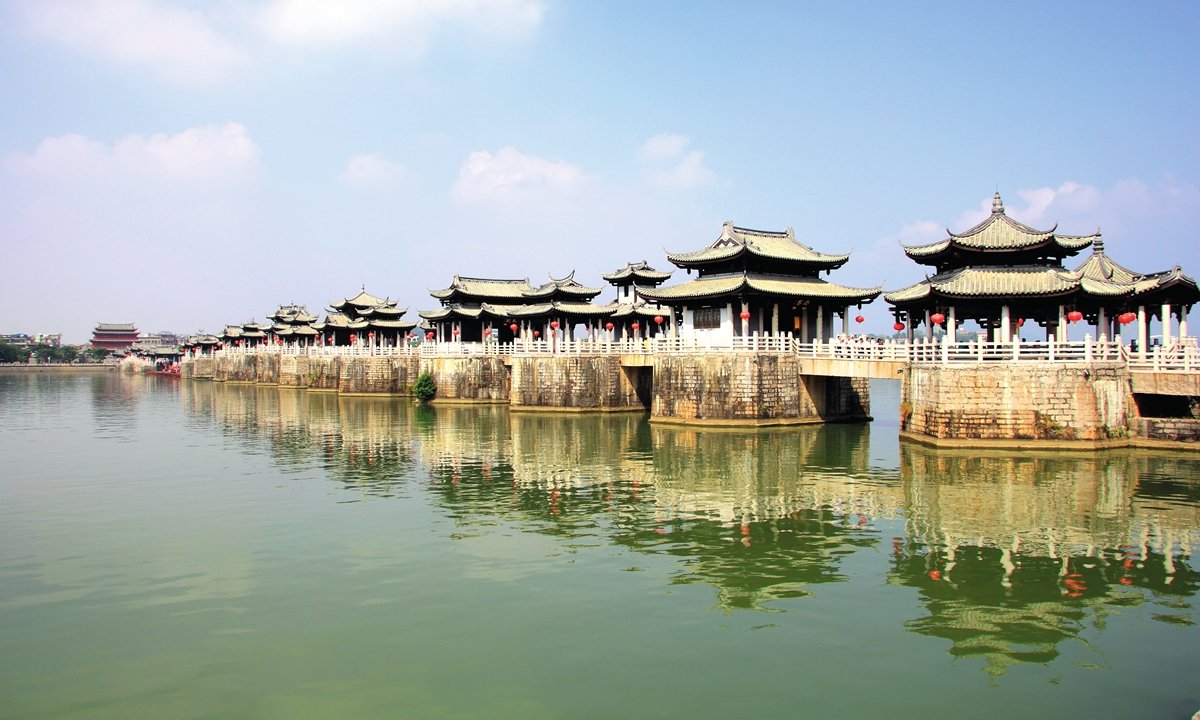
The Guangji Bridge, spanning the Han River, is not just a bridge; it's a living, breathing historical wonder. Dating back to the Song Dynasty (1171 AD), it is one of China's "Four Ancient Bridges," unique for its "open-and-close" design.
-
Floating Section: The central section of the bridge consists of 18 pontoon boats that are removed daily to allow river traffic to pass, then reconnected in the evening. This centuries-old tradition is a marvel to witness.
-
Pavilions and Statues: The bridge is adorned with intricate pavilions, each with its own history and story, and features various statues and carvings.
-
Historical Significance: It served as a crucial link for trade and transportation, connecting Chaozhou with its hinterland, and is a symbol of the city's ingenuity and prosperity.
-
Best Views: Experience it from both sides of the Han River, walk across it to admire its details, and watch the opening/closing ceremony if your timing is right.
Kaiyuan Temple (开元寺 - Kāiyuán Sì): A Millennium of Buddhist Devotion:
Nestled within the bustling city center, the Kaiyuan Temple is a serene oasis and one of Guangdong's most significant Buddhist temples. Originally built in 738 AD during the Tang Dynasty, it has undergone numerous renovations but retains its ancient charm and spiritual atmosphere.
-
Architectural Grandeur: Admire the exquisite Tang Dynasty architectural style, ornate roof carvings, vibrant murals, and towering pagodas.
-
Buddhist Art: Explore the various halls housing ancient Buddhist statues, relics, and scriptures, reflecting centuries of devotion.
-
Peaceful Retreat: Despite its central location, the temple grounds offer a tranquil escape, with lush courtyards and the soothing sounds of chanting monks.
Chaozhou Old City (潮州古城): Walk Through History:
Enclosed by ancient city walls, the Chaozhou Old City is a labyrinth of narrow streets, traditional shops, ancestral halls, and historical residences. It's a place where time seems to slow down, and every alleyway offers a new discovery.
-
Paifang Street (牌坊街 - Páifāng Jiē): The heart of the Old City, this street is famous for its collection of 22 ancient memorial archways (paifang), each commemorating historical figures, scholars, or virtuous deeds. They are beautifully restored and intricately carved.
-
Ancestral Halls (祠堂 - Cítáng): Discover numerous ornate ancestral halls dedicated to various clans, showcasing superb Teochew wood carving, stone carving, and porcelain art. These halls are vital centers for clan activities and ancestor worship.
-
Traditional Shops: Browse through traditional shops selling local handicrafts, teas, snacks, and everyday goods, many of which have been passed down through generations.
-
Cultural Immersion: Rent a bicycle or simply wander on foot, allowing yourself to get lost in the charming atmosphere and observe local life.
Han Wengong Temple (韩文公祠 - Hán Wéngōng Cí): Honoring a Scholar:
Perched on a hill overlooking the Han River, the Han Wengong Temple is dedicated to Han Yu, the Tang Dynasty official who brought significant reforms and intellectual influence to Chaozhou during his brief exile.
-
Scenic Location: The temple offers panoramic views of the Han River, Guangji Bridge, and the surrounding city, especially beautiful at sunset.
-
Historical Significance: Learn about Han Yu's contributions to Chaozhou and his legacy in Chinese literature and governance. The temple is a symbol of the city's reverence for education and intellectualism.
West Lake Park (西湖公园 - Xīhú Gōngyuán): An Urban Oasis:
A tranquil urban park featuring a lake, pagodas, pavilions, and lush gardens. It's a popular spot for locals to relax, stroll, and engage in leisure activities like tai chi.
Phoenix Mountain (凤凰山 - Fènghuáng Shān): The Home of Oolong:
While a bit further afield, Phoenix Mountain is the origin of the renowned Phoenix Dancong (凤凰单丛), a premium type of Oolong tea.
-
Tea Plantations: For tea enthusiasts, a visit offers the chance to see tea plantations, learn about the tea-making process, and taste authentic Phoenix Dancong directly from the source.
-
Scenic Beauty: The mountain range offers beautiful natural scenery, including peaks, waterfalls, and diverse flora.
The Legendary Gastronomy of Chaozhou: A Culinary Pilgrim's Dream
Chaozhou cuisine is arguably the most celebrated and sophisticated regional cuisine within Guangdong Province, known for its emphasis on fresh ingredients, delicate flavors, masterful knife work, and healthy cooking techniques. For any food lover, Chaozhou is a true culinary pilgrimage.
-
Chaoshan Beef Hot Pot (潮汕牛肉火锅): A unique and highly popular hot pot experience. Unlike other hot pots, it focuses solely on incredibly fresh, thinly sliced local beef (often from specific local breeds), cooked very briefly in a clear, flavorful broth (made from beef bones and radish). The key is the precise slicing of various beef cuts, each with a distinct texture and flavor, and the accompanying dipping sauces (especially the traditional shacha sauce and minced garlic with chili). It's a communal and unforgettable dining ritual.
-
Chaoshan Porridge (潮汕粥 - Cháozhōu Zhōu): A staple, but far from plain. Unlike typical Cantonese congee (where rice breaks down completely), Chaoshan porridge is made with rice grains that remain distinct but are cooked in a rich, flavorful broth (often seafood, meat, or vegetable broth). It's served with a wide array of side dishes (xiaocai - 小菜) such as pickled vegetables, salted eggs, braised meats, fresh seafood, and various condiments, making it a full and customizable meal.
-
Fresh Seafood: Given its proximity to the coast and the Han River, fresh seafood is paramount. Dishes like steamed fish (often with pickled plums or salted vegetables), stir-fried clams with basil, braised abalone, and various shellfish are prepared simply to highlight their natural sweetness and quality.
-
Goose Braised in Lou Mei (卤味鹅 - Lǔwèi É): A signature Chaoshan dish and a true art form. Goose (often the famous Lion's Head Goose breed) is meticulously braised in a complex lou mei broth – a master stock infused with soy sauce, star anise, cinnamon, galangal, and other aromatic spices, often passed down through generations. The result is incredibly tender, aromatic, and flavorful meat, often served with a side of the rich braising liquid.
-
Chaozhou Kway Teow (粿条 - Guǒtiáo): A versatile and ubiquitous dish featuring flat rice noodles (similar to Vietnamese pho noodles) served in various ways:
-
Dry Stir-fried Kway Teow (干炒粿条): Wok-fried with ingredients like beef, seafood, or vegetables.
-
Kway Teow Soup (粿条汤): Served in a clear, savory broth with sliced pork, fish balls, beef balls, or various seafood toppings.
-
Chaozhou Dim Sum / Pastries (潮州点心 / 潮州糕点): While different from Cantonese dim sum, Teochew cuisine has its own exquisite array of savory and sweet pastries, often made with rice flour:
-
Chaozhou Shuijing Bao (水晶包 - Crystal Dumplings): Translucent steamed dumplings with various fillings (sweet or savory).
-
Fried Dumplings (炸粿): Various fried savory dumplings with fillings like taro or chives.
-
Taro Paste (芋泥 - Yùní): A classic sweet dessert made from taro, often served warm with ginkgo nuts.
-
Gongfu Tea (功夫茶 - Gōngfu Chá): More than just a beverage, Gongfu Tea is a refined tea ceremony deeply ingrained in Teochew culture. It involves precise rituals for brewing and serving strong, small cups of premium oolong tea (especially Phoenix Dancong). It's a symbol of hospitality, friendship, and contemplation, and a must-experience.
-
Pickled Vegetables (咸菜 - Xiáncài): A common accompaniment to many dishes, highlighting the Teochew's skill in fermentation and preservation.
-
Traditional Snacks: Explore the streets of the Old City for a variety of traditional snacks like various guǒ (粿 - sticky rice dumplings with diverse fillings), lao bing (烙饼 - savory pancakes), and fresh fruit.
-
Culinary Tours: Golden Trail Travel can arrange dedicated food tours, taking you to authentic local eateries, bustling wet markets, and even workshops to learn about traditional cooking methods, ensuring a truly immersive gastronomic journey.
Unlocking Your Chaozhou Adventure with Golden Trail Travel
Navigating a city like Chaozhou, which thrives on its deep cultural roots and unique local customs, especially for those seeking authentic cultural immersion, requires careful planning and local expertise. This is where Golden Trail Travel becomes your invaluable partner, transforming your trip into a seamlessly planned, deeply insightful, and profoundly enriching adventure.
Specialized Cultural and Gastronomic Tours:
Golden Trail Travel excels in designing bespoke tours that delve deep into the heart of Teochew heritage. They understand the nuances of the region and craft itineraries that go beyond standard sightseeing, allowing for genuine connection with the local culture and its famous cuisine.
-
Tailored Itineraries: Whether your primary interest is ancient architecture, historical landmarks, the intricate art of Gongfu Tea, or a comprehensive exploration of Chaoshan cuisine, Golden Trail Travel can customize a tour that perfectly aligns with your passions.
-
Beyond the Surface: They connect you with local traditions, hidden gems, and unique experiences that truly reveal Chaozhou's essence, ensuring you don't just see the sights but understand their significance.
Visit Golden Trail Travel's website at https://goldentrailtravel.com/ to explore their diverse range of tours and begin crafting your own Chaozhou adventure.
Knowledgeable Local Guides:
A key component of a Golden Trail Travel experience in Chaozhou is access to their network of expert local guides. These guides are fluent in English and possess a profound understanding of Teochew history, customs, the local dialect (if you wish to hear it), and the intricate stories behind the city's landmarks and culinary traditions.
-
Cultural Interpretation: Your guide will bridge language barriers, explain the symbolism within Teochew architecture, introduce you to local customs, and provide context for the city's long and distinguished history.
-
Culinary Navigation: They are indispensable for navigating Chaozhou's renowned food scene, leading you to authentic local eateries, explaining dishes, and guiding you through the intricate steps of a traditional Gongfu Tea ceremony.
-
Authentic Encounters: They can facilitate meaningful interactions with local residents, perhaps introducing you to traditional artisans or even a local tea master, allowing for a more personal and memorable experience.
Seamless Logistics and Comfort:
Traveling in a Chinese city that is rich in heritage but perhaps less frequented by international mass tourism can sometimes present logistical challenges. Golden Trail Travel ensures your comfort and peace of mind throughout your journey:
-
Transportation: Arranging all ground transportation within Chaozhou (including transfers to key attractions, temples, and historical sites), and transfers from airports or high-speed rail stations (Jieyang Chaoshan Airport, Chaozhou Railway Station), ensuring smooth and comfortable journeys.
-
Accommodation: Selecting reputable hotels or guesthouses that meet your comfort and budget requirements, ideally located for easy access to the Old City and other key attractions.
-
Trouble-free Travel: Handling any potential language barriers or logistical hurdles, such as navigating local markets or understanding local customs, allowing you to relax and fully immerse yourself in the experience.
Combination Tours: The Comprehensive Chaoshan Region Experience:
Chaozhou is a cornerstone of the broader Chaoshan region. Golden Trail Travel can seamlessly combine your visit to Chaozhou with trips to Shantou (famous for its treaty port history, Qilou architecture, and the broader Teochew cuisine scene) and Jieyang (known for its temples and cultural sites), providing a comprehensive understanding of Teochew heritage and allowing you to compare and contrast the different aspects of the region.
-
Regional Expertise: Their expertise extends across the entire Chaoshan region, allowing for efficient, insightful, and complementary multi-city itineraries.
Commitment to Responsible Tourism:
Golden Trail Travel is dedicated to promoting responsible and sustainable tourism practices. They strive to ensure that your visit to Chaozhou benefits local communities, respects cultural heritage (particularly the ancient landmarks and fragile traditional arts), and minimizes environmental impact, leaving a positive footprint on this unique historical city.
The Enduring Allure of Chaozhou: Why This Ancient City Beckons
Chaozhou's magnetic appeal lies in its profound authenticity, its rich historical depth, and its unparalleled cultural and culinary offerings.
A Living Museum of Chinese Heritage:
Chaozhou is a city that actively preserves and celebrates its ancient past. Its temples, bridges, and old city streets are not just relics but vital parts of daily life, offering a tangible connection to dynastic China and the enduring spirit of the Teochew people.
The Epicenter of Teochew Culture:
For anyone interested in the diverse tapestry of Chinese civilization, Chaozhou offers an unrivaled opportunity to immerse oneself in one of its most distinct and resilient subcultures, complete with its unique language, art forms, and customs.
A Culinary Paradise Beyond Compare:
For serious foodies, Chaozhou is an essential pilgrimage. Its refined and flavorful Chaoshan cuisine, from the precision of beef hot pot to the artistry of Gongfu Tea, offers a gastronomic experience that is truly world-class and deeply memorable.
Architectural Grandeur and Ingenuity:
From the dynamic Guangji Bridge to the ornate Kaiyuan Temple and the intricate ancestral halls, Chaozhou's architecture showcases centuries of remarkable craftsmanship and innovative engineering.
Peaceful and Authentic Atmosphere:
Compared to China's mega-cities, Chaozhou offers a more tranquil and unhurried pace, allowing for deeper immersion and genuine interaction with local life, free from the overwhelming crowds of more mainstream tourist destinations.
The Art of Tea (Gongfu Cha):
The Gongfu Tea ceremony is not just a drink; it's a meditative art form and a cornerstone of Teochew hospitality. Experiencing it firsthand is a cultural revelation.
Frequently Asked Questions (FAQ) about Chaozhou and Golden Trail Travel
Q1: Where is Chaozhou located in China? A1: Chaozhou is an ancient city located in the eastern part of Guangdong Province, China, on the banks of the Han River, within the larger Chaoshan region.
Q2: What is Chaozhou most famous for? A2: Chaozhou is most famous as a cradle of Teochew (Chaoshan) culture, known for its ancient Guangji Bridge, the historic Kaiyuan Temple, its well-preserved Old City with memorial archways, and particularly its world-renowned Chaoshan cuisine and Gongfu Tea ceremony.
Q3: What unique bridge can I see in Chaozhou? A3: The Guangji Bridge (广济桥) is Chaozhou's most famous landmark. It's unique for its "open-and-close" design, where the central section comprises pontoon boats that are removed daily to allow river traffic to pass.
Q4: How do I travel to Chaozhou? A4: Chaozhou is accessible via Jieyang Chaoshan International Airport (SWA), which serves the entire Chaoshan region. It also has its own Chaozhou Railway Station on the high-speed rail network, connecting it to major cities like Guangzhou, Shenzhen, and Xiamen. Golden Trail Travel can arrange all your transportation and transfers for a seamless journey.
Q5: What essential Chaoshan dishes and drinks should I try in Chaozhou? A5: You absolutely must try Chaoshan Beef Hot Pot, Chaoshan Porridge with various side dishes, fresh steamed seafood, Goose Braised in Lou Mei, and experience the traditional Gongfu Tea ceremony. Don't forget the various delicate Teochew pastries and snacks.
Q6: How can Golden Trail Travel enhance my trip to Chaozhou? A6: Golden Trail Travel specializes in tailored cultural and gastronomic tours to Chaozhou. They provide expert local guides who offer deep insights into Teochew culture and cuisine, handle all logistics (transport, accommodation, exclusive site access), and ensure a seamless, authentic, and unforgettable exploration of this ancient city.
Q7: Can Golden Trail Travel combine Chaozhou with other nearby cities? A7: Yes! Golden Trail Travel can seamlessly integrate your visit to Chaozhou with other key cities in the Chaoshan region, such as Shantou (known for its treaty port history and Qilou architecture) and Jieyang, creating a comprehensive multi-city tour of Teochew culture and history.
Customer Reviews: Discovering Chaozhou's Ancient Soul with Golden Trail Travel
"Our trip to Chaozhou with Golden Trail Travel was simply magical! Walking across the Guangji Bridge and seeing it open was an experience straight out of a history book. Our guide was incredibly knowledgeable, bringing the ancient city to life with fascinating stories. The food tour was also a highlight – every dish was a revelation! Golden Trail Travel handled every detail perfectly, making it a stress-free and deeply enriching adventure." — Eleanor R., USA
"I've always been drawn to ancient Chinese culture, and Chaozhou exceeded all my expectations. The Kaiyuan Temple was breathtakingly beautiful, and exploring the Old City's archways felt like stepping back in time. Golden Trail Travel's itinerary was perfectly paced, allowing us to absorb the history and culture without feeling rushed. Their expertise truly made this trip unforgettable." — Marcus L., UK
"The Chaoshan Beef Hot Pot in Chaozhou, arranged by Golden Trail Travel, was hands down the best meal I had in China! The freshness and quality were unmatched. Beyond the food, I was fascinated by the Gongfu Tea ceremony; our guide explained every intricate detail. This was an incredibly authentic and delicious journey into Teochew culture. Highly recommend Golden Trail Travel for foodies!" — Sophia M., Germany
"As an admirer of traditional Chinese architecture, Chaozhou was a dream. The intricate carvings on the ancestral halls and the unique design of the Guangji Bridge were stunning. Golden Trail Travel provided a guide who was an expert in local art and history, which deepened my appreciation immensely. Their seamless logistics allowed me to focus entirely on the beauty around me." — Professor Charles D., Australia
"Golden Trail Travel created a wonderful multi-city tour for us, combining Chaozhou with Shantou. Chaozhou's ancient charm was a perfect contrast to Shantou's treaty port history. We loved the serene atmosphere, the delicious food, and the friendly locals. It was a well-organized, safe, and truly authentic cultural immersion. We'll definitely book our next Asian adventure with Golden Trail Travel!" — Li Wei, Singapore
Conclusion: Chaozhou Awaits – Your Gateway to a Timeless Cultural Odyssey
Chaozhou is a city that stands as a vibrant testament to China's rich, enduring past and the unique spirit of the Teochew people. It's a place where history isn't just displayed in museums but actively lives in every ancient stone, every traditional craft, and every meticulously prepared dish. From the engineering marvel of the Guangji Bridge and the spiritual serenity of Kaiyuan Temple to the labyrinthine charm of its Old City and the world-renowned sophistication of its cuisine, Chaozhou offers a travel experience that is profoundly authentic, culturally enriching, and deeply captivating. It's a destination that beckons to those who seek a genuine connection with a living heritage.
To truly unlock the multifaceted wonders and hidden charms of this extraordinary ancient city, an experienced and dedicated partner is indispensable. Golden Trail Travel is your trusted guide to Chaozhou, offering meticulously planned tours, expert local insights, and a steadfast commitment to authentic encounters. Let them lead you through the elegant streets and timeless traditions of Chaozhou, where ancient stories whisper on the Han River's breeze, and your next unforgettable cultural and culinary odyssey awaits


.jpg "Beyond the Horizon: The Ultimate Guide to Cao Bang Loop Scenic Cycling")
.jpg "The Ultimate Guide to the Cao Bang Loop Multi-Day Cycling Tour: Exploring Vietnam’s Untouched Frontier")
.jpg "The Ultimate Guide to the Cao Bang Loop: A 5-Day Cycling Odyssey Through Vietnam’s Untouched Frontier")
.jpeg "The Ultimate Frontier: A Comprehensive Guide to the Cao Bang Loop Cycling 4 Days")
.jpg "The Ultimate Guide to the Cao Bang Loop Cycling 3 Days: Conquering the UNESCO Frontier")
.jpg "The Master Guide to Self-guided Cao Bang Loop Cycling: Navigating Vietnam's Hidden Karst Paradise")
.jpg "The Ultimate Guide to a Guided Cao Bang Loop Cycling Tour: Vietnam’s Untouched Frontier")
.jpg "Adventure Cycling Cao Bang Loop: The Ultimate Guide to Vietnam’s Untouched Frontier")
.jpg "Gravel Cycling Cao Bang Loop: The Ultimate Guide to Vietnam’s Most Majestic Frontier")
.jpg "The Ultimate Guide to Mountain Biking Cao Bang Loop: Conquering Vietnam’s Limestone Labyrinth")
.jpg "The Definitive Guide to Road Cycling Cao Bang Loop: Vietnam’s Most Epic Frontier")
.jpg "The Ultimate Guide to a Cao Bang Loop Cycling Adventure: Vietnam’s Untouched Frontier")
.jpg "The Ultimate Guide to the Cao Bang Loop Bicycle Trip: Exploring Vietnam's Untouched Frontier")
.jpg "The Definitive Guide to the Cao Bang Loop Cycle Tour: Vietnam’s Most Majestic Frontier")
.jpg "The Ultimate Guide to the Cao Bang Loop Biking Tour: Exploring Vietnam's Untouched Frontier")
.jpg "The Ultimate Guide to Cao Bang Loop Cycling: A Journey Through Vietnam’s Untouched Frontier")
.jpg "Cycling Cao Bang Loop: The Definitive Guide to Vietnam’s Most Majestic Frontier")
.jpg "The Definitive Guide to the Cao Bang Loop Bicycle Tour: Vietnam's Most Stunning Frontier")
.jpg "Conquer the Frontier: The Ultimate Guide to the Cao Bang Loop Bike Tour")