15 Ng. 100 Đ. Nguyễn Xiển, Thanh Xuân Nam, Thanh Xuân, Hà Nội 100000


15 Ng. 100 Đ. Nguyễn Xiển, Thanh Xuân Nam, Thanh Xuân, Hà Nội 100000
Introduction: The Queen City of the South Beckons
Cebu. The name itself evokes images of pristine white-sand beaches, vibrant marine life, historical landmarks, and a pulsating urban energy. As the "Queen City of the South," Cebu is not just an island; it's a dynamic province in the Central Visayas region of the Philippines, offering an unparalleled blend of natural beauty, rich history, and modern amenities. From the bustling streets of Cebu City to the tranquil shores of its surrounding islands, Cebu promises a diverse array of experiences for every traveler. Whether you're an adventure seeker, a history buff, a beach bum, or a foodie, Cebu has something extraordinary in store for you. This comprehensive guide will take you on an in-depth exploration of Cebu's wonders, highlighting why it's a must-visit destination in the Philippines. And for a seamless and unforgettable journey, Golden Trail Travel is your perfect companion, ready to curate your dream Cebu adventure. Visit them at https://goldentrailtravel.com/ to book your personalized tour today!
I. Unveiling Cebu: A Province of Islands and Legacy
Cebu is unique, not just as a single island, but as a province comprising 167 islands and islets, each with its own charm and appeal. Its strategic location and deep natural harbors have made it a significant trading hub for centuries, shaping its rich history and vibrant culture.
A. Geographic Splendor and Coastal Charms:
Cebu Island Proper: The main island is long and narrow, characterized by a mountainous spine running from north to south. This topography provides stunning panoramic views and is home to diverse ecosystems.
West Coast: Known for its rugged beauty, cliff diving spots, and marine sanctuaries.
East Coast: Features more developed areas, including Cebu City, and accessible beaches.
Surrounding Islands and Islets: These are the true gems that make Cebu a diverse paradise.
Mactan Island: Home to the Mactan-Cebu International Airport (MCIA), making it the primary gateway. It's famous for its luxury resorts, dive sites, and historical landmarks like the Lapu-Lapu Shrine.
Bantayan Island: Located north of Cebu, renowned for its powdery white-sand beaches, clear turquoise waters, and laid-back island vibe. A perfect escape for relaxation and island hopping.
Malapascua Island: A small island off the northern tip, globally famous as the only place in the world where you can consistently dive with thresher sharks at Monad Shoal. It also boasts beautiful beaches and vibrant coral reefs.
Camotes Islands: A group of islands (Poro, Pacijan, Ponson, and Tulang Diot) east of Cebu, offering stunning caves, serene lakes, pristine beaches, and vibrant local life.
Moalboal: While on Cebu Island, the town of Moalboal on the southwest coast is a world-class diving and snorkeling destination. It's famous for its sardine run, where millions of sardines form massive swirling bait balls just off the shore, and for its rich coral gardens.
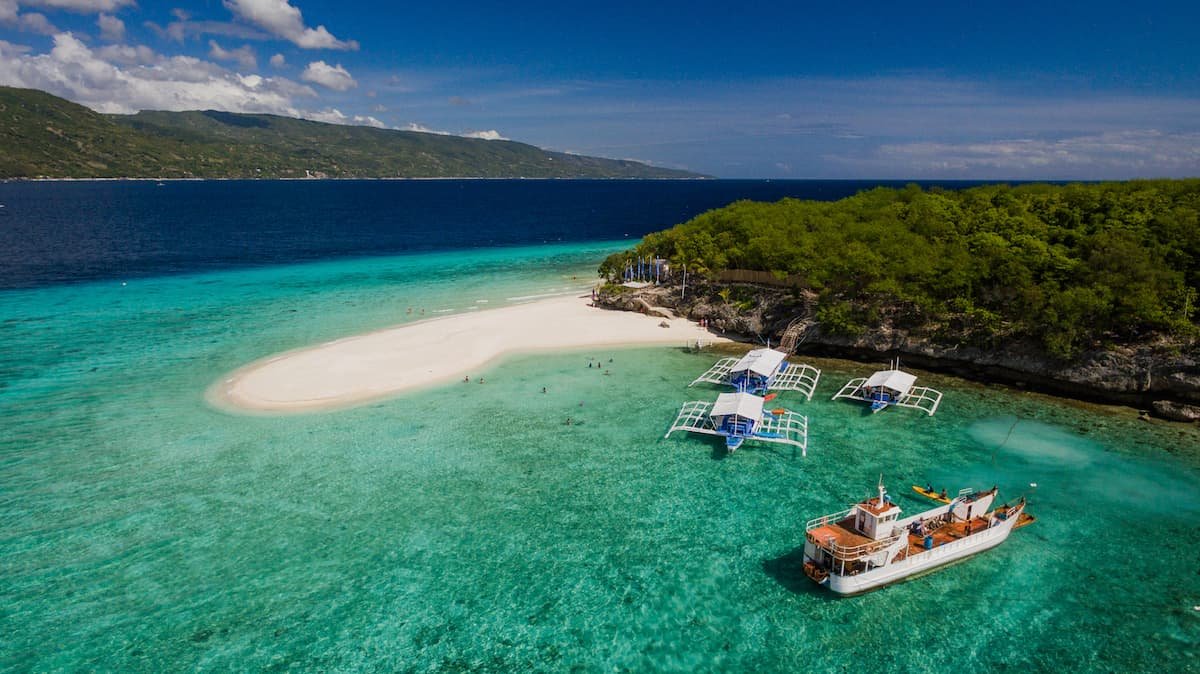
Sumilon Island: A tiny, idyllic island off the southeastern coast, famous for its shifting sandbar that changes shape depending on the tides. It's part of a marine protected area and offers exceptional snorkeling and swimming.
B. Historical Significance and Cultural Vibrancy:
Cebu holds a pivotal place in Philippine history. It was here that Ferdinand Magellan arrived in 1521, marking the beginning of Spanish colonization. This legacy is deeply embedded in Cebu's identity, evident in its architecture, traditions, and faith.
Birthplace of Christianity in the Philippines: Cebu City is home to significant religious landmarks.
Magellan's Cross: Planted by Ferdinand Magellan upon his arrival, symbolizing the introduction of Christianity to the Philippines. It's housed in a small chapel next to the Basilica Minore del Santo Niño.
Basilica Minore del Santo Niño: The oldest Roman Catholic church in the Philippines, housing the revered image of the Santo Niño de Cebu, a gift from Magellan to Queen Juana, the first Filipina Christian convert. This church is the spiritual heart of Cebu.
Mactan Shrine (Lapu-Lapu Shrine): Commemorates the Battle of Mactan in 1521, where the chieftain Lapu-Lapu successfully repelled Magellan's forces, resulting in Magellan's death. It stands as a symbol of Filipino resistance and heroism.
Fort San Pedro: The oldest and smallest fort in the Philippines, built by the Spanish to defend against pirates and invaders. It offers a glimpse into Cebu's colonial past.
Cebuano Culture: The people of Cebu, known as Cebuanos, are proud of their heritage. The Sinulog Festival, held every third Sunday of January, is one of the grandest and most colorful religious festivals in the Philippines, honoring the Santo Niño. It's a vibrant spectacle of street dancing, music, and devotion.
II. Cebu City: The Urban Epicenter
Cebu City, often called the "Queen City of the South," is the oldest city in the Philippines and a bustling metropolitan hub. It perfectly blends historical charm with modern development, offering a vibrant urban experience.
A. Historical and Religious Landmarks:
Magellan's Cross and Basilica Minore del Santo Niño: As mentioned, these are essential stops, providing deep insights into the country's Christian roots.
Fort San Pedro: Explore the triangular fort and its well-preserved grounds.
Cebu Metropolitan Cathedral: The ecclesiastical seat of the Archdiocese of Cebu, an impressive structure with a rich history.
Colon Street: The oldest street in the Philippines, a bustling commercial area that reflects Cebu's long history as a trading center.
B. Cultural and Architectural Highlights:
Temple of Leah: A magnificent Roman-style temple built as a symbol of undying love by Teodorico Soriano Adarna for his late wife, Leah Villa Albino-Adarna. It offers panoramic views of Cebu City.
Sirao Flower Garden: Known as the "Little Amsterdam" of Cebu, this vibrant garden features a stunning array of colorful flowers and picturesque landscapes, perfect for photography.
Taoist Temple: Located in Beverly Hills Subdivision, this temple is open to worshippers and non-worshippers alike, offering intricate architecture, dragon statues, and serene surroundings with city views.
Casa Gorordo Museum: A well-preserved ancestral house providing a glimpse into the lifestyle of a wealthy Cebuano family during the Spanish colonial era.
Yap-Sandiego Ancestral House: Another beautifully preserved house showcasing a blend of Chinese and Spanish architectural influences, filled with antique furniture and artifacts.
C. Shopping, Dining, and Nightlife:
Cebu City is a modern urban center with a thriving commercial scene.
Shopping Malls: Ayala Center Cebu, SM City Cebu, and Robinsons Galleria Cebu offer a wide range of international and local brands, entertainment facilities, and diverse dining options.
Local Markets: Explore Carbon Market for fresh produce, local delicacies, and vibrant street life.
Dining Scene: From high-end restaurants serving international cuisine to local eateries offering authentic Cebuano dishes, the city's culinary scene is diverse. Don't miss out on Cebu Lechon, widely regarded as the best roasted pig in the Philippines.
Nightlife: Cebu City comes alive at night with numerous bars, clubs, and live music venues, especially in areas like IT Park and Fuente Osmeña.
III. Beyond the City: Island Adventures and Natural Wonders
The true magic of Cebu often lies beyond its bustling capital, in its surrounding islands and the diverse natural attractions of the main island.
A. World-Class Diving and Snorkeling:
Cebu is a diver's paradise, catering to all levels from beginners to experienced enthusiasts.
Malapascua Island: The undisputed king of Cebu's dive sites, famous for its daily sightings of thresher sharks at Monad Shoal. Other dive sites offer vibrant coral gardens, mandarin fish, and diverse reef life.
Moalboal (Pescador Island & Panagsama Beach):
Sardine Run: Experience the surreal phenomenon of millions of sardines forming massive swirling bait balls just a few meters from Panagsama Beach. It's an incredible experience for both divers and snorkelers.
Pescador Island: Offers spectacular walls covered in corals, with chances to spot turtles, reef sharks, and a wide array of fish.
Kawasan Falls Canyoneering: While not a dive site, this is a must-do adventure near Moalboal, involving jumping, sliding, and swimming through the pristine turquoise waters of the Badian River, culminating in the stunning triple-tiered Kawasan Falls.
Sumilon Island: Its protected marine sanctuary around the shifting sandbar boasts healthy coral reefs, making it excellent for snorkeling and relaxed diving.
Mactan Island Dive Sites: Numerous dive resorts on Mactan offer easy access to colorful shallow reefs, macro photography opportunities, and wreck dives.
B. Waterfalls and Canyons:
Cebu's rugged interior is home to stunning waterfalls and thrilling canyoneering experiences.
Kawasan Falls (Badian): The most famous and iconic waterfall in Cebu, known for its mesmerizing turquoise pools. The multi-tiered falls are the endpoint for the thrilling canyoneering adventure.
Dao Falls (Samboan): A beautiful and less crowded waterfall that requires a scenic trek through a river and lush forest.
Aguinid Falls (Samboan): A unique multi-tiered waterfall where you can climb up several levels, each with its own basin, offering a fun and interactive experience.
Tumalog Falls (Oslob): A majestic curtain-like waterfall known for its wide, ethereal cascade, creating a misty, dreamlike atmosphere. It's often visited in conjunction with whale shark watching.
C. Whale Shark Interaction (Oslob):
Oslob, on the southeastern coast of Cebu, has become world-renowned for its whale shark interaction program. Here, visitors can swim and snorkel alongside the gentle giants (Rhincodon typus) in their natural habitat. While popular, it's essential to engage with responsible operators and follow guidelines to ensure the welfare of the sharks. Golden Trail Travel works with partners who adhere to ethical tourism practices.
D. Island Hopping and Beach Relaxation:
Bantayan Island: Beyond its main beaches like Paradise Beach and Sugar Beach, island hopping tours can take you to Virgin Island (a pristine private island) and Hilantagaan Island for snorkeling and relaxation.
Camotes Islands: Explore Santiago Bay (Pacijan Island) for its long stretch of white sand, discover the enchanting Lake Danao, and venture into Timubo Cave and Bukilat Cave with their natural pools.
Malapascua Island: Enjoy the white sand of Bounty Beach, walk to the historic lighthouse, or simply relax and soak in the tranquil island atmosphere after a day of diving.
E. Unique Terrains and Adventures:
Osmeña Peak (Dalaguete): The highest peak in Cebu, offering breathtaking 360-degree views of the "Bohol Chocolate Hills"-like landscape and the coastline. The trek is relatively easy and popular for sunrise viewing.
Simala Shrine (Sibonga): A majestic Marian pilgrim site known for its castle-like architecture and miraculous claims. It's a significant religious destination.
Mantayupan Falls (Barili): The highest waterfall in Cebu, reaching over 200 feet, nestled amidst lush greenery.
IV. A Culinary Journey Through Cebu
Cebu's cuisine is a delightful fusion of indigenous flavors, Spanish influences, and fresh seafood. It's a paradise for food lovers.
A. Iconic Cebuano Dishes:
Cebu Lechon: This is the undisputed king of Cebuano cuisine. Roasted whole pig with crispy skin and incredibly flavorful, tender meat, often seasoned with lemongrass and other herbs. Many consider it the best lechon in the Philippines. Do not leave Cebu without trying it!
Larsian BBQ: A famous open-air food market in Cebu City where you can choose from a variety of grilled meats (pork belly, chicken, seafood, intestines) cooked right in front of you. A truly local dining experience.
Sutukil: An acronym for Sugba (grill), Tula (stew), and Kilaw (to eat raw, like ceviche). This dining concept is popular in seafood restaurants, particularly on Mactan Island, allowing you to choose fresh seafood and have it prepared in these three ways.
Kinilaw: The Filipino version of ceviche, typically made with fresh raw fish (often tuna or tanigue) marinated in vinegar, calamansi, ginger, onions, and chili.
Puso (Hanging Rice): Rice cooked in woven palm leaves, forming small, individual servings. It's a common accompaniment to grilled dishes and a staple in Cebu.
Dried Mangoes: Cebu is famous for its sweet and tangy dried mangoes, a popular souvenir and snack.
Otap and Rosquillos: Traditional Cebuano biscuits and cookies, perfect for coffee or as souvenirs.
B. Beyond the Basics:
Pochero: A hearty beef shank soup with vegetables, similar to "Bulalo."
Ngohiong: A local spring roll with a distinct flavor, often made with ubod (palm heart) and five-spice powder.
Tuslob Buwa: A unique street food experience where you dip puso (hanging rice) into a thick, bubbling stew made from pig's brain, liver, and spices. For the adventurous eater!
V. Planning Your Cebu Adventure with Golden Trail Travel
With so much to see and do, planning a trip to Cebu can be overwhelming. This is where Golden Trail Travel comes in as your ultimate travel partner, ensuring a seamless, memorable, and personalized experience.
A. Why Golden Trail Travel is Your Best Choice for Cebu:
Local Expertise: Golden Trail Travel has an intimate knowledge of Cebu, from its hidden gems to the most efficient routes and best local insights. They can guide you to authentic experiences away from typical tourist traps.
Customized Itineraries: Whether you're interested in thrilling adventures, historical explorations, relaxing beach getaways, or a blend of everything, Golden Trail Travel crafts itineraries that align perfectly with your preferences, budget, and travel style.
Seamless Logistics: Forget the stress of planning transportation, accommodations, and activities. Golden Trail Travel handles all the details, ensuring smooth transfers, comfortable stays, and pre-booked excursions.
Reliable Partnerships: They work with reputable local operators, licensed guides, and quality accommodations, prioritizing your safety and comfort throughout your journey.
Exceptional Customer Service: From your initial inquiry to your return home, their dedicated team provides prompt, friendly, and comprehensive support, making your travel planning effortless.
Ethical Tourism: Golden Trail Travel promotes responsible tourism practices, including adherence to guidelines for wildlife interactions (like whale sharks) and supporting local communities.
B. Popular Cebu Tour Packages (Sample Ideas):
Cebu City Heritage & Island Hopping (3 Days): Explore Magellan's Cross, Fort San Pedro, Temple of Leah, followed by a day of island hopping to Nalusuan and Hilutungan Islands for snorkeling.
South Cebu Adventure (4 Days): Features thrilling canyoneering at Kawasan Falls, whale shark interaction in Oslob, and a visit to Tumalog Falls and Sumilon Island's sandbar.
Northern Cebu Diving & Beach Escape (5 Days): Focus on world-class diving with thresher sharks in Malapascua, combined with the pristine beaches of Bantayan Island.
Cebu Highlights & Culinary Journey (5-7 Days): A comprehensive tour covering Cebu City's history, the adventures of South Cebu, and a dedicated culinary experience to savor Cebu Lechon and other local delights.
Customized Cebu Expedition: Golden Trail Travel can design a unique multi-island itinerary combining Cebu with neighboring islands like Bohol (for Chocolate Hills and Tarsiers) or Siquijor (for its mystical charm).
C. How to Book Your Dream Cebu Trip:
Ready to embark on your unforgettable Cebu adventure? Visit the Golden Trail Travel website at https://goldentrailtravel.com/ to browse their tour packages, submit a custom inquiry, or get in touch with one of their friendly travel experts. Planning your Philippine paradise has never been easier!
VI. Practical Tips for Traveling in Cebu
To make your Cebu trip as smooth and enjoyable as possible, keep these practical tips in mind:
Best Time to Visit: The dry season (November to May) is ideal, offering sunny weather perfect for beach activities and island hopping. The peak tourist season is December to February due to cooler temperatures, and March to May are the hottest months. The wet season (June to October) brings more rain, but usually in short bursts, and some activities might be affected by strong winds or typhoons, particularly from July to September.
Getting There: The Mactan-Cebu International Airport (MCIA) (CEB) is the main gateway to Cebu and the Central Visayas region, with numerous international and domestic flights.
Transportation:
Within Cebu City: Taxis are readily available and metered. Ride-hailing apps like Grab are highly recommended for convenience and fixed fares. Jeepneys are a cheap but often crowded option for local commutes.
To other parts of Cebu Island: Buses and V-Hires (vans for hire) operate from various terminals (e.g., North Bus Terminal, South Bus Terminal) to different towns and attractions.
To other islands: Ferries and fast crafts connect Cebu City and Mactan to neighboring islands like Bohol, Siquijor, Negros, and Leyte. For Malapascua and Bantayan, you'll take a bus or van to the northern ports (Maya for Malapascua, Hagnaya for Bantayan) and then a public boat.
Accommodation: Cebu offers a vast range of accommodation options.
Mactan Island: Known for luxury resorts and beachfront hotels.
Cebu City: Features city hotels, boutique hotels, and budget hostels.
Moalboal, Malapascua, Bantayan, Camotes: Offer a mix of resorts, guesthouses, and homestays, catering to divers and beach lovers.
Currency: The Philippine Peso (PHP). ATMs are widely available in Cebu City and major towns, but it's advisable to carry some cash, especially when visiting smaller islands or remote areas.
Connectivity: Local SIM cards (Globe, Smart) are affordable and readily available at the airport and malls. Wi-Fi is common in hotels, cafes, and restaurants, though speeds can vary.
Safety: Cebu is generally safe for tourists. Be mindful of your belongings in crowded areas and exercise caution when interacting with strangers. For activities like canyoneering or diving, always choose reputable operators (which Golden Trail Travel ensures).
Respect Local Culture: Filipinos are renowned for their hospitality and warmth. Be respectful of local customs, religious sites (dress modestly when visiting churches), and local traditions. A simple "Salamat" (Thank you) goes a long way.
Sun Protection & Hydration: The tropical sun can be intense. Always use high-SPF sunscreen, wear a hat, sunglasses, and stay hydrated by drinking plenty of water.
Book in Advance: Especially during peak seasons (December-May and during Sinulog Festival), it's highly recommended to book your flights, accommodations, and popular tours (like canyoneering or whale shark watching) in advance, or let Golden Trail Travel handle it for you.
Tipping: Tipping is not mandatory but is appreciated for good service in restaurants, hotels, and for tour guides and drivers.
VII. Customer Reviews
Hear what our adventurers have to say about their unforgettable Cebu journeys with Golden Trail Travel:
"Our Cebu trip was beyond amazing, all thanks to Golden Trail Travel! From the historical sites in the city to the breathtaking canyoneering at Kawasan Falls, everything was perfectly organized. The whale shark experience was ethical and truly magical. We can't wait to book our next trip with them!" - Jessica R., UK
"I booked a diving tour to Malapascua and Moalboal through Golden Trail Travel, and it was the best decision ever! They arranged all my transfers, accommodations, and dive excursions seamlessly. Seeing the thresher sharks was a dream come true, and the sardine run was mind-blowing. Highly recommend their expertise for divers!" - Tom S., Germany
"My family and I had a fantastic time island hopping around Bantayan and Camotes. Golden Trail Travel curated an itinerary that perfectly balanced relaxation and adventure. The pristine beaches and the friendly locals made it an unforgettable experience. They truly take care of everything!" - The Garcia Family, Canada
"As a solo traveler, safety and convenience are key for me. Golden Trail Travel provided both and more for my Cebu adventure. Their local guides were insightful, and the flexibility in designing my tour was excellent. From exploring historical Cebu City to enjoying the vibrant nightlife, I felt completely at ease." - Chloe P., France
VIII. Frequently Asked Questions (FAQ)
Q1: What is the main airport in Cebu? A1: The main airport serving Cebu is the Mactan-Cebu International Airport (MCIA), with airport code CEB. It's located on Mactan Island, just a short drive from Cebu City.
Q2: How many days do I need to explore Cebu fully? A2: To get a good feel for Cebu, including city highlights and one or two major island adventures (like South Cebu or Malapascua/Bantayan), we recommend at least 5 to 7 days. If you plan to explore multiple islands or engage in extensive diving, you might need 10 days or more. Golden Trail Travel can help you tailor the perfect duration for your trip.
Q3: Is it possible to swim with whale sharks in Cebu? A3: Yes, it is possible to swim with whale sharks in Oslob, Cebu. While it's a popular activity, it's crucial to choose ethical operators who adhere to strict guidelines to ensure the welfare of these magnificent creatures. Golden Trail Travel partners with responsible operators for this experience.
Q4: What are the must-try foods in Cebu? A4: You absolutely must try Cebu Lechon, widely considered the best roasted pig in the Philippines. Other must-tries include Larsian BBQ, fresh seafood prepared "Sutukil" style, Kinilaw (Filipino ceviche), and of course, dried mangoes.
Q5: Is Cebu good for families with children? A5: Yes, Cebu is an excellent destination for families. Many resorts on Mactan Island offer kid-friendly facilities. Activities like island hopping, visiting marine sanctuaries, exploring historical sites, and even some gentle waterfall visits can be enjoyed by families. Golden Trail Travel can customize family-friendly itineraries.
Q6: What's the best way to book tours in Cebu? A6: For a hassle-free and personalized experience, the best way to book tours in Cebu is through a reputable travel agency like Golden Trail Travel. They offer pre-designed packages and customized itineraries, handling all logistics, allowing you to relax and enjoy your trip. Visit their website at https://goldentrailtravel.com/ to start planning.
Q7: Can I combine a trip to Cebu with other Philippine islands? A7: Absolutely! Cebu's central location makes it an ideal hub for exploring other islands in the Visayas, such as Bohol (Chocolate Hills, Tarsiers), Siquijor (mystical island, waterfalls), and Negros Oriental (Dumaguete, Apo Island for diving). Golden Trail Travel can seamlessly integrate multi-island itineraries for you.
Q8: What should I wear when visiting religious sites in Cebu? A8: When visiting churches or other religious sites like the Basilica Minore del Santo Niño or Simala Shrine, it's respectful to dress modestly. This generally means covering your shoulders and knees. Light, breathable clothing is still suitable for the tropical climate.
Conclusion: Your Cebu Dream Awaits!
Cebu offers a captivating tapestry of experiences, from its bustling urban core to its serene island getaways. It's a destination where history whispers from ancient streets, where marine life thrives in vibrant reefs, and where the warmth of Filipino hospitality embraces you at every turn. Whether you seek thrilling adventures, cultural immersion, historical insights, or simply a tranquil escape, Cebu stands ready to deliver an unforgettable journey.
Don't let the complexities of travel planning deter you from experiencing this Philippine paradise. With Golden Trail Travel as your dedicated partner, you can embark on your Cebu adventure with complete confidence, knowing every detail is expertly managed. They are committed to crafting a personalized itinerary that brings your travel dreams to life, ensuring you create lasting memories.
Begin your extraordinary journey to the Queen City of the South today. Visit https://goldentrailtravel.com/ and let Golden Trail Travel guide you to the heart of Cebu. Your Philippine paradise awaits!
.jpg "The Ultimate Guide to the Cao Bang Loop Cycling Tour: Vietnam’s Untouched Frontier")
At Golden Trail Travel, we believe that the best way to experience this frontier is slow, rhythmic, and close to the ground. In this exhaustive guide, we will explore everything you need to know about conquering the Cao Bang Loop, from the thundering cascades of Ban Gioc to the hidden ethnic villages where time seems to have stood still.
December 24, 2025
.jpg "Navigating the Frontier: Choosing the Best Ha Giang Loop Cycling Tour Operator")
The Ha Giang Loop in Northern Vietnam is widely considered one of the most spectacular road journeys in the world. For many, it is the ultimate "final frontier," a land of jagged limestone pinnacles, deep river canyons, and vibrant ethnic minority cultures that have remained largely unchanged for centuries. While the loop has become a magnet for motorbike travelers
December 22, 2025
.jpg "Conquer the Clouds: The Definitive Guide to a Ha Giang Loop Cycling Tour in Vietnam")
The northern frontier of Vietnam is a place where the landscape doesn't just surround you—it confronts you with its raw, jagged majesty. For years, the Ha Giang Loop has been the "Holy Grail" for adventure travelers, traditionally navigated by motorbikes.
December 22, 2025
.jpg "Conquering the Happiness Road: The Definitive Guide to the Best Ha Giang Loop Cycling Tour")
The northern frontier of Vietnam is a place where the landscape doesn't just surround you—it confronts you. It is a world of vertical limestone karsts, emerald rivers slicing through the deepest canyons in Southeast Asia, and a series of switchbacks that seem to climb directly into the clouds. While many travelers choose to experience this "final frontier" on the back of a motorbike,
December 22, 2025
.jpg "The Ultimate Guide to Booking Your Ha Giang Loop Cycling Adventure")
The northernmost province of Vietnam, Ha Giang, is a land that seems to have been sculpted by the gods themselves. It is a world of jagged limestone pinnacles, emerald rivers carving through deep canyons, and roads that defy gravity. While the Ha Giang Loop
December 22, 2025
.jpg "Scaling the Sky: A Technical and Experiential Guide to Ha Giang Loop Cycling Elevation")
The Ha Giang Loop is often described as the "final frontier" of Vietnam. It is a place where the landscape doesn't just surround you; it confronts you. For adventure seekers, the allure of this UNESCO Global Geopark is undeniable, but for the cyclist, the conversation always begins and ends with one word: elevation.
December 22, 2025
.jpg "Mastering the Miles: A Deep Dive into Ha Giang Loop Cycling Distance")
The Ha Giang Loop is often described as the "Holy Grail" of adventure travel in Southeast Asia. Nestled against the Chinese border in Northern Vietnam, this UNESCO Global Geopark is a labyrinth of limestone pinnacles, emerald rivers, and ethnic minority cultures that have remained unchanged for centuries. While the loop has traditionally been conquered by motorbikes
December 22, 2025
.jpg "Season of Dreams: Discovering the Best Time for Ha Giang Loop Cycling")
The Ha Giang Loop is more than a destination; it is a profound physical and spiritual journey through Vietnam’s final frontier. As you navigate the winding roads carved into the side of limestone peaks, every pedal stroke reveals a new layer of the Dong Van Karst Plateau’s majesty. However, for a cyclist, the experience is dictated by the elements.
December 22, 2025
.jpg "The Final Frontier: A Deep Dive into the Ha Giang Loop Cycling Difficulty")
The Ha Giang Loop in Northern Vietnam is widely regarded as one of the most spectacular road journeys on the planet. For decades, it has been the holy grail for backpackers on motorbikes. However, a new breed of traveler is looking for a deeper, more visceral challenge.
December 22, 2025
.jpg "Mapping the Soul of the Mountains: The Definitive Ha Giang Loop Cycling Route Map Guide")
The northernmost province of Vietnam, Ha Giang, is a place where the landscape doesn’t just provide a backdrop—it tells a story. For decades, the "Happiness Road" has winding through the jagged limestone pinnacles of the Dong Van Karst Plateau, offering a rite of passage for adventurers.
December 22, 2025
.jpg "Conquer the Heights: The Ultimate Ha Giang Loop Cycling Itinerary")
The northern frontier of Vietnam is a land where the geography seems to have been sculpted by the gods themselves. Jagged limestone pinnacles, emerald rivers carving through deep canyons, and roads that defy gravity—this is the Ha Giang Loop.
December 22, 2025
.jpg "Capturing the Clouds: The Ultimate Ha Giang Loop Photography Cycling Tour Guide")
There is a specific kind of magic that happens when the first rays of dawn pierce through the limestone pinnacles of Northern Vietnam. The mist clings to the valleys, the "Happiness Road" snakes into the distance, and for a photographer, the world becomes a canvas of infinite possibilities. While many travelers choose to navigate this rugged terrain by motorbike, a new breed of visual storytellers is discovering a more intimate way to document the frontier.
December 22, 2025
.jpg "Pedaling Through Time: The Ultimate Ha Giang Loop Cultural Cycling Tour Guide")
Northern Vietnam is a land where the geography dictates the pace of life. Here, the mountains aren't just obstacles; they are the architects of culture. While many modern travelers choose to zip through the famous loop on the back of a motorbike, those seeking a profound connection with the land choose a different path.
December 22, 2025
.jpg "The Silence of Stone: A Complete Guide to Ha Giang Loop Remote Cycling Tours")
There is a specific kind of silence that only exists at the top of a limestone peak in Northern Vietnam. It is not the absence of sound, but rather the presence of a vast, ancient stillness that swallows the noise of the modern world. For those looking to escape the conventional tourist paths and truly test their mettle against nature
December 22, 2025
For the modern adventurer, the world often feels like it has been entirely mapped, photographed, and uploaded. Yet, in the northernmost reaches of Vietnam, where the limestone karsts of the Dong Van Plateau pierce the clouds, there remains a frontier that defies the ordinary. While the "Happiness Road" has become a popular route for motorbikes, a new breed of explorers is looking for something deeper, quieter, and more challenging.
December 22, 2025
.jpg "Beyond the Horizon: The Ultimate Ha Giang Loop Scenic Cycling Experience")
There are roads that take you from point A to point B, and then there are roads that transform your very soul. The Ha Giang Loop in Northern Vietnam belongs firmly in the latter category. While the world has recently woken up to the beauty of this "final frontier" through the lens of motorbike travelers, a more intimate, challenging, and rewarding way to experience this UNESCO Global Geopark has emerged.
December 22, 2025
.jpg "The Whispering Pines: A Complete Guide to Ha Giang Loop Yen Minh Cycling")
Deep in the heart of Northern Vietnam, where the limestone giants of the Dong Van Karst Plateau begin to reveal their true scale, lies a valley that offers a stark, beautiful contrast to the rugged grey peaks. Yen Minh, often referred to as the "Green Oasis" or the "Pine Forest Capital" of Ha Giang, serves as a vital artery in the legendary loop
December 22, 2025
.jpg "Gateway to the Clouds: The Ultimate Guide to Ha Giang Loop Quan Ba Cycling")
The journey into Northern Vietnam is often described as a transition from the world of the ordinary into a realm of myth. As you leave the bustling provincial capital of Ha Giang City, the horizon begins to ripple with limestone giants. For many, the true adventure begins at the district of Quan Ba.
December 22, 2025
.jpg "The King of Passes: A Comprehensive Guide to Ha Giang Loop Ma Pi Leng Cycling")
For the global cycling community, there are certain roads that carry a legendary status. The Stelvio Pass in Italy, the Sa Calobra in Mallorca, and the Alpe d'Huez in France are all names that evoke a sense of awe. However, tucked away in the rugged northern tip of Vietnam lies a stretch of asphalt that rivals, if not surpasses, these European icons in both drama and difficulty.
December 22, 2025
.jpg "Conquer the Clouds: The Ultimate Guide to Ha Giang Loop Meo Vac Cycling")
The Ha Giang Loop is often described as the "final frontier" of Vietnam, a land where limestone pinnacles pierce the clouds and ancient traditions remain etched into the mountainsides. While many travelers choose to navigate these winding roads by motorbike, there is a growing community of adventurers seeking a more visceral connection to the landscape. For those with grit, passion, and a love for the open road, Ha Giang Loop Meo Vac cycling represents the pinnacle of adventure in Southeast Asia.
December 22, 2025