15 Ng. 100 Đ. Nguyễn Xiển, Thanh Xuân Nam, Thanh Xuân, Hà Nội 100000



15 Ng. 100 Đ. Nguyễn Xiển, Thanh Xuân Nam, Thanh Xuân, Hà Nội 100000

Imagine a place where the rolling emerald hills kiss the endless azure sea, where ancient lighthouses stand sentinel against dramatic cliffs, and where time seems to slow down, inviting you to breathe deeply and reconnect with nature's raw beauty. This isn't a scene from a dream; it's the captivating reality of Batan Island, the largest and most accessible gem within the Batanes archipelago, the Philippines' northernmost frontier. Far removed from the bustling crowds and concrete jungles, Batan Island offers a unique, almost ethereal escape, a destination where every vista is a masterpiece and every encounter is steeped in genuine warmth and timeless tradition.
Often described as the "Home of the Winds" or the "Last Frontier," Batan Island and its surrounding islets are a haven for adventurers, photographers, and souls seeking profound tranquility. It’s a place defined by its distinct natural wonders: vast, undulating grasslands reminiscent of Ireland, formidable volcanic boulder beaches, and towering sea cliffs carved by millennia of crashing waves. Beyond its breathtaking landscapes, Batan Island holds a rich cultural tapestry, woven by the resilient Ivatan people, whose unique stone houses and deep-rooted traditions are a testament to their enduring harmony with their challenging yet beautiful environment. This fusion of unparalleled natural beauty, rich history, and a remarkably preserved culture makes Batan Island not just a destination, but a truly transformative experience.
For those eager to uncover the magic of this extraordinary corner of the Philippines, meticulous planning is key. The journey to Batan Island is an adventure in itself, and navigating its unique charm requires local insight and seamless logistics. That's precisely where Golden Trail Travel steps in. As seasoned experts in crafting bespoke Philippine adventures, Golden Trail Travel specializes in making your Batanes dream a vivid reality, ensuring every detail, from flights to local tours, is perfectly orchestrated for an unforgettable and hassle-free journey. Let's delve deeper into what makes Batan Island a destination that will forever etch itself into your heart.
Before we embark on a detailed exploration of Batan Island itself, it's essential to understand its context within the larger Batanes province. Batanes is an archipelago, a cluster of ten small islands located at the northernmost tip of the Philippines, nestled between the vast South China Sea and the Pacific Ocean. It is geographically and culturally distinct from the rest of the country, acting as a crucial bridge between the Philippines and Taiwan. This strategic, yet remote, location has shaped its unique environment, its resilient people, and its captivating allure.
The Batanes group of islands is characterized by its rugged terrain, volcanic origins, and proximity to powerful weather systems. Formed by ancient volcanic activity and continuous tectonic movements, the islands feature dramatic cliffs, rolling hills, and fertile plains, all shaped by the relentless forces of wind and sea. The deep blue waters surrounding the islands are pristine, teeming with marine life, offering a stark contrast to the verdant landmasses. The isolation of Batanes has played a crucial role in preserving its ecological integrity and cultural authenticity, making it a living laboratory for unique flora and fauna that have adapted to its specific conditions.
Out of the ten islands, only three are regularly inhabited: Batan Island (the largest and most populated, home to the capital, Basco), Sabtang Island (known for its traditional Ivatan villages), and Itbayat Island (the northernmost and most remote, characterized by its unique uplifted coral landscape). While Batan Island serves as the primary entry point and offers the most developed tourism infrastructure, the allure of Batanes truly lies in its collective charm, inviting travelers to explore beyond its main island. Its strategic location meant it was historically a significant point for trade and a watchtower against foreign invasions, adding layers of historical depth to its natural beauty.
The landscape of Batan Island is truly unlike any other in the Philippines. It's a visual feast where natural elements combine to create a deeply immersive experience.
Rolling Hills (Marlboro Country): Perhaps the most iconic feature of Batan Island is its vast expanse of undulating green hills. Often referred to as "Marlboro Country" (though the true designated site is Racuh a Payaman), these expansive pastures, devoid of trees in many areas due to the strong winds, create breathtaking panoramic views. The windswept grasses sway rhythmically, mimicking waves on land, while grazing cows and goats add to the pastoral tranquility. These hills are not merely aesthetic; they play a vital ecological role, acting as natural drainage systems and providing pasture for the livestock that are crucial to the Ivatan economy. The sense of boundless space and fresh, clean air is profoundly invigorating.
Dramatic Cliffs and Pristine Beaches: The coastline of Batan Island is a dramatic interplay of towering, jagged cliffs plunging into the cerulean waters and secluded, often rocky, beaches. These cliffs, sculpted by centuries of crashing waves and strong winds, offer breathtaking vantage points and highlight the raw power of nature. Amidst these rugged formations, you'll find pockets of pristine, often untouched beaches, some with fine white sand, others with unique volcanic boulders. These beaches, while perhaps not ideal for typical swimming due to strong currents, offer unparalleled opportunities for contemplation, photography, and experiencing the untamed beauty of the Pacific.
Iconic Lighthouses: Dotting the coastline of Batan Island are its iconic lighthouses, which are as much a symbol of Batanes as its rolling hills. These structures are not just navigational aids but also architectural marvels that blend seamlessly with the dramatic landscape. Basco Lighthouse, Tayid Lighthouse, and Mahatao Lighthouse each offer unique perspectives of the island and its surrounding seascape, serving as perfect backdrops for stunning photographs and quiet moments of reflection. They stand as enduring sentinels, guiding ships and mesmerizing visitors with their timeless presence.
Distinct Weather Patterns: Due to its northern location, Batanes experiences distinct weather patterns compared to the rest of the Philippines. While it shares the dry and wet seasons, Batanes is more prone to typhoons and strong winds, especially from June to November. However, this challenging climate has shaped the resilience of its people and the unique architectural style of their homes. Even outside typhoon season, visitors can expect invigorating winds, which contribute to the islands' character. The climate ensures that the hills remain verdant for most of the year, creating the vibrant green landscapes that define the island.
This unique combination of diverse landscapes, from rolling hills to dramatic coastlines, all under a vast, often dramatic sky, creates an unparalleled environmental canvas. It's a place where you feel profoundly connected to the elements, a natural sanctuary for the soul, and a testament to the Philippines' incredible biodiversity.
The true heart of Batan Island and the entire Batanes province lies with its indigenous inhabitants, the Ivatan people. Their culture is a fascinating study in adaptation, resilience, and community, shaped by centuries of living in harmony with a demanding environment. Their self-sufficiency, ingenuity, and strong sense of communal responsibility (known as "kayvayvanan") have allowed them to thrive in this remote archipelago.
Unique Architecture: The most visible manifestation of Ivatan ingenuity is their traditional stone houses. Unlike the typical light materials used in Filipino homes, Ivatan houses are built to withstand the powerful typhoons and strong winds common in the region. Constructed from sturdy limestone, coral, and thick cogon grass roofs (often several layers thick), these homes are incredibly durable, providing robust shelter from the elements. Their low profile, small windows, and sturdy construction are brilliant adaptations to the climate. These houses are not just buildings; they are cultural landmarks, preserving an architectural heritage passed down through generations. Visiting an Ivatan village like Chavayan on Sabtang Island (or remnants on Batan Island) offers a powerful glimpse into this unique building tradition.
Language and Traditions: The Ivatan people speak their own distinct language, Ivatan, which is separate from Tagalog and other major Philippine languages. Their cultural practices are deeply rooted in respect for nature, community, and ancestral wisdom. They are known for their honesty, a trait famously exemplified by the Honesty Coffee Shop. Traditional attire, such as the "vakul" (a headgear made from palm fibers, worn by women for protection from sun and rain) and "kanayi" (a vest for men), are still used by farmers today and represent their deep connection to the land and its resources. Festivals and daily rituals reflect their agricultural cycle and spiritual beliefs, emphasizing gratitude and communal well-being.
Resilience and Simplicity: The Ivatan way of life is characterized by its simplicity and profound resilience. Living on islands prone to powerful storms has instilled in them a unique ability to adapt, recover, and live sustainably off the land and sea. Their diet often consists of root crops (like ube, gabi, camote) and fresh seafood, reflecting their self-sufficient lifestyle. This inherent resilience, coupled with their strong communal bonds, makes the Ivatan people an inspiring example of how to thrive in challenging environments while maintaining a rich cultural identity. Interacting with the Ivatan, experiencing their warmth and observing their harmonious existence, is an integral part of the Batan Island experience.
The cultural significance of Batanes is not just about preserved traditions; it's about a living, breathing culture that continues to adapt and thrive while maintaining its unique identity. It offers visitors a rare opportunity to witness a way of life that balances ancient wisdom with modern realities, making the Rice Terraces of the Cordilleras Philippines a truly holistic and enriching destination.
Batan Island, as the largest and most accessible island in the Batanes group, serves as the primary hub for tourism and exploration. Its northern half, centered around the capital town of Basco, is particularly rich in iconic landmarks and breathtaking vistas, offering a perfect introduction to the unique beauty of the Batanes province. Exploring North Batan is typically the first part of any Batanes itinerary, setting the stage for deeper adventures.
Basco is the provincial capital of Batanes and the main entry point to the islands, home to the Basco Airport (BSO). Despite its status as the capital, Basco retains a laid-back, provincial charm that immediately envelops visitors. It’s a small, walkable town where locals greet you with warm smiles and the pace of life feels refreshingly slow. The town proper has essential amenities including small eateries, guesthouses, a public market, and a few souvenir shops, but it never feels overly commercialized. Its quiet streets, lined with a mix of traditional Ivatan and modern Filipino houses, invite leisurely strolls.
The Basco town proper itself offers a few points of interest. The Immaculate Conception Cathedral, also known as Basco Cathedral, stands prominently in the town center, a beautiful stone church reflecting the Spanish colonial influence. Near the church, the provincial capitol building and various government offices blend into the town’s quaint setting. Basco is the perfect base for your Batan Island explorations, offering comfort and convenience while still providing an authentic taste of Ivatan life.
One of the most enduring symbols of Batanes, and a must-visit on Batan Island, is the Basco Lighthouse. Perched majestically atop Naidi Hills, just a short drive or an invigorating uphill walk from Basco town proper, this iconic structure offers arguably the most panoramic and stunning views of the island. Built in 2005, its classic six-story cylindrical stone tower, painted in a distinctive white and red, immediately captures attention against the backdrop of the vast blue sea and rolling green hills.
The lighthouse is not only a functional navigational aid but also a popular tourist attraction and a favorite spot for photographers. From its viewing deck, you are treated to a breathtaking 360-degree vista that encompasses the rugged coastline, the pristine beaches of Diura and Valugan, the town of Basco nestled in the valley, and the distant outline of Itbayat Island on a clear day. The strong winds that often sweep across Naidi Hills add to the dramatic atmosphere, making it an exhilarating experience. Many visitors flock to Basco Lighthouse, particularly in the late afternoon, to witness the spectacular Batanes sunset, as the sky transforms into a canvas of vibrant hues, casting a warm glow over the landscape. The area around the lighthouse, with its well-maintained grounds and quaint local cafes offering refreshments, makes it an ideal spot for relaxation and reflection, truly embodying the serene yet dramatic beauty of Batan Island.
A stark and captivating contrast to the green rolling hills is Valugan Boulder Beach, located just a short distance from Basco. This unique coastline is unlike any other beach you'll encounter. Instead of sand, its entire stretch is covered by thousands of smooth, round volcanic boulders of various sizes, polished over centuries by the relentless pounding of the Pacific Ocean waves. The sound of the waves crashing against these rocks, creating a symphony of clicks and rumbles as the boulders shift, is an unforgettable auditory experience, almost meditative in its rhythm.
Valugan Boulder Beach (often referred to by locals simply as Valugan, meaning "east" in Ivatan, referring to its easterly orientation) is a testament to the raw geological power that shaped Batanes. These boulders are remnants of Mount Iraya, a dormant volcano that dominates the northern landscape of Batan Island. The beach is not suitable for swimming due to strong currents and the rocky nature, but it offers unparalleled photographic opportunities, particularly during sunrise when the light illuminates the textures and colors of the stones.
Beyond its geological marvel, Valugan holds cultural significance for the Ivatan people. It is a place where they gather stones for building their traditional houses, recognizing the durability and resilience of these natural materials. The beach exudes a sense of rugged, untouched beauty, a place where one can truly feel the immense forces of nature. It’s a powerful reminder of Batanes' volcanic origins and the Ivatan people's deep connection to their environment, making it an indispensable stop on any Batan Island tour.
Another iconic landscape that defines Batan Island is the Vayang Rolling Hills. While often generically grouped under "Marlboro Country" by tourists, Vayang offers its own distinct charm and is easily accessible from Basco. This expansive stretch of undulating green hills provides sweeping 360-degree views of the surrounding seas and mountains. From its vantage points, you can see the Pacific Ocean on one side, the South China Sea on the other, and the distant islands of Sabtang and Itbayat on a clear day.
The sheer vastness of the green pastures, dotted with grazing cows and horses, creates a sense of profound tranquility and freedom. The strong winds characteristic of Batanes gently sweep across the hills, causing the tall grasses to sway in rhythmic patterns, creating a mesmerizing "sea of green." Vayang Rolling Hills is a perfect spot for leisurely walks, reflective moments, and of course, capturing those postcard-perfect photographs that epitomize the Batanes experience. It's an ideal place to feel the raw, untouched beauty of Batan Island, allowing you to immerse yourself fully in its pastoral splendor and enjoy the invigorating fresh air. The simplicity of the landscape, combined with the grandeur of the views, makes Vayang an essential stop for anyone wishing to appreciate the pastoral side of the Rice Terraces of the Cordilleras Philippines.
For a touch of historical intrigue on Batan Island, visit the Dipnaysupuan Japanese Tunnel. Located in Basco, this network of interconnected tunnels served as a hideout and strategic post for Japanese forces during World War II. It’s a tangible reminder of the Philippines' wartime history and Batanes' role as a strategic outpost.
The tunnel, carved into a hill, offers a glimpse into the conditions faced by soldiers during the war. Equipped with multiple entrances and exits, a hospital room, and chambers, it showcases the resourcefulness and defensive preparations of the Japanese. Visitors can explore a portion of the tunnel, which is now well-lit and maintained for safety. A local guide can provide context and stories about the tunnel's construction and its significance during the war, adding a poignant historical dimension to your Batan Island itinerary. While perhaps a stark contrast to the natural beauty, it provides a crucial understanding of the island's past and the resilience of its people through tumultuous times.
To truly immerse yourself in the local culture of Batan Island, a visit to Pariñgud Food House or the Basco Public Market is highly recommended. These spots offer authentic flavors and a vibrant glimpse into the daily lives of the Ivatans.
Pariñgud Food House is often lauded by locals and tourists alike as one of the best places to savor traditional Ivatan cuisine. Here, you can sample local delicacies like uvud (meatballs made from finely chopped banana stalks, pork, and flying fish), supas (yellow rice cooked with turmeric), and an array of fresh seafood, including the famed flying fish (dibang) and dorado (mahi-mahi). The dishes are often prepared simply, allowing the natural flavors of fresh, local ingredients to shine through. It’s a humble yet immensely satisfying culinary experience that connects you directly to the island's gastronomic heritage.
For an even more authentic experience, a stroll through the Basco Public Market is essential. This is where locals buy and sell their produce, fresh catches of the day, and various household goods. It’s a bustling hub of activity, filled with the sights, sounds, and smells of local life. You can find fresh root crops (such as taro, ube, and camote, which are staples of the Ivatan diet), locally grown vegetables, and a variety of seafood brought in directly from the bountiful waters surrounding Batanes. It's also an excellent place to observe the Ivatan people's daily routines and perhaps even strike up a friendly conversation with vendors, gaining a deeper appreciation for their self-sufficient lifestyle on Batan Island.

.jpg "The Ultimate Ho Chi Minh Trail Cycling Itinerary: A Journey Through History and Landscape")
For those who seek the path less traveled, the Ho Chi Minh Trail represents the holy grail of adventure. Once a clandestine network of jungle paths and rugged mountain tracks used by North Vietnamese forces during the American War, it has today transformed into one of the most prestigious long-distance cycling routes in Southeast Asia. Engaging in a Ho Chi Minh Trail cycling itinerary is a transformative experience that allows travelers to witness the breathtaking evolution of a country from a theater of conflict to a corridor of peace and natural splendor.
December 20, 2025
.jpg "The Ultimate Guide to a Ho Chi Minh Trail Multi-Day Cycling Tour: Pedal Through History and Nature")
The Ho Chi Minh Trail is arguably the most legendary road in Southeast Asia. Once a clandestine network of jungle paths, mountain passes, and river crossings used by North Vietnamese forces during the American War, it has today been reclaimed by nature and history to become a world-class cycling destination. For the modern adventurer, embarking on a Ho Chi Minh Trail multi-day cycling tour is not just about the physical challenge of traversing 2,000 kilometers; it is a profound journey through a landscape that has transitioned from a theater of conflict to a corridor of peace, resilience, and breathtaking natural beauty.
December 20, 2025
.jpg "The Epic 14-Day Ho Chi Minh Trail Cycling Odyssey: A Journey Through Vietnam’s Heroic Past and Stunning Present")
The Ho Chi Minh Trail is not merely a road; it is a legendary monument to human resilience, a logistical miracle of the 20th century, and now, arguably the most prestigious long-distance cycling route in Southeast Asia. For those with a thirst for adventure and a desire to see the "real" Vietnam, a Ho Chi Minh Trail cycling 14 days expedition is the ultimate bucket-list item. This two-week journey takes you from the bustling streets of the north, through the rugged Truong Son mountain range, and down into the sun-drenched valleys of the central and southern regions.
December 20, 2025
.jpg "Ho Chi Minh Trail Cycling 10 Days: The Ultimate Adventure Through Vietnam’s Heroic Heart")
The Ho Chi Minh Trail is not merely a path on a map; it is a legendary monument to human resilience, a logistical miracle of the 20th century, and today, one of the most prestigious long-distance cycling routes in the world. For adventurers seeking a profound connection with history and nature, a Ho Chi Minh Trail cycling 10 days expedition offers the perfect balance. It is long enough to immerse yourself in the rugged landscapes of the Truong Son mountain range but focused enough to cover the most iconic highlights of Central Vietnam and the Highlands.
December 19, 2025
.jpg "7 Days on the Legend: The Ultimate Ho Chi Minh Trail Cycling Experience")
The Ho Chi Minh Trail is not merely a path on a map; it is a legendary monument to human resilience, a logistical miracle of the 20th century, and now, arguably the most prestigious long-distance cycling route in Southeast Asia. For many, the full 2,000-kilometer odyssey from Hanoi to Ho Chi Minh City is a dream that requires weeks of commitment. However, for those with limited time but an unlimited appetite for adventure, a Ho Chi Minh Trail cycling 7 days expedition offers the perfect "best-of" experience, focusing on the most dramatic mountain passes, historical landmarks, and cultural heartlands of Central Vietnam.
December 19, 2025
.jpg "The Ultimate Adventure: Ho Chi Minh Trail Off the Beaten Track Cycling")
The Ho Chi Minh Trail is not just a road; it is a legendary artery that pulsates with the history of a nation’s resilience. Once a clandestine network of jungle paths and rugged mountain tracks used by North Vietnamese forces during the American War, it has today transformed into one of the most prestigious long-distance cycling routes in Southeast Asia. Engaging in Ho Chi Minh Trail off the beaten track cycling is a transformative experience that allows travelers to witness the breathtaking evolution of a country from a theater of conflict to a corridor of peace and natural splendor.
December 19, 2025
.jpg "Ho Chi Minh Trail Scenic Cycling Route: The Ultimate Visual and Historical Journey")
The name "Ho Chi Minh Trail" often conjures images of historical conflict and tactical ingenuity. However, for the modern adventurer, this legendary network of paths has transformed into something entirely different: the most Ho Chi Minh Trail scenic cycling route in Southeast Asia. Spanning over 2,000 kilometers from the northern karst mountains to the southern plains, this route is a sensory masterpiece. It is a place where emerald jungles meet limestone pinnacles, where misty mountain passes overlook ancient ethnic villages, and where the air is thick with the scent of pine and coffee blossoms.
December 19, 2025
.jpg "Ho Chi Minh Trail War History Cycling: A Journey Through the Heroic Heart of Vietnam")
The Ho Chi Minh Trail is arguably the most legendary road in Southeast Asia. Once a clandestine network of jungle paths, mountain passes, and river crossings used by North Vietnamese forces during the American War, it has today been reclaimed by nature and history to become a world-class cycling destination. For the modern adventurer, embarking on a Ho Chi Minh Trail war history cycling expedition is not just about the physical challenge of traversing 2,000 kilometers; it is a profound journey through a landscape that has transitioned from a theater of conflict to a corridor of peace, resilience, and breathtaking natural beauty.
December 19, 2025
.jpg "Ho Chi Minh Trail Cycling History Tour: A Journey Through Vietnam’s Heroic Past")
The Ho Chi Minh Trail is not merely a path on a map; it is a legendary monument to human resilience, a logistical miracle of the 20th century, and now, arguably the most prestigious long-distance cycling route in Southeast Asia. Once a clandestine network of jungle paths, hidden bridges, and mountain passes that sustained a nation during the American War, it has been reclaimed by nature and time to become the ultimate frontier for adventure seekers. Embarking on a Ho Chi Minh Trail cycling history tour is a profound experience that combines physical endurance with a deep-dive into the heroic history and diverse cultures of the Truong Son mountain range.
December 19, 2025
.jpg "Ho Chi Minh Trail Cycling Adventure Tour: The Definitive Journey Through the Heart of Vietnam")
The Ho Chi Minh Trail is not merely a path on a map; it is a legendary monument to human resilience, a logistical miracle of the 20th century, and now, arguably the most prestigious long-distance cycling route in Southeast Asia. Once a clandestine network of jungle tracks, hidden bridges, and mountain passes that sustained a nation during the American War, it has been reclaimed by nature and time to become the ultimate frontier for adventure seekers. Embarking on a Ho Chi Minh Trail cycling adventure tour is a profound experience that combines physical endurance with a deep-dive into the heroic history and diverse cultures of the Truong Son mountain range.
December 19, 2025
.jpg "Exploring the Imperial Heart and the Heroic Trail: The Ultimate Guide to Ho Chi Minh Trail Cycling Hue")
The city of Hue is often celebrated for its imperial majesty—the sprawling Citadel, the forbidden purple city, and the serene tombs of the Nguyen Emperors along the Perfume River. However, for those who seek adventure beyond the palace walls, the mountains to the west hold a different kind of legend. Ho Chi Minh Trail cycling Hue represents a profound intersection of Vietnam’s royal past and its heroic, resilient modern history. This journey takes you from the refined elegance of the lowlands into the rugged, mist-shrouded peaks of the Truong Son range, where the "Blood Vessel of the Nation" once sustained a country’s fight for independence.
December 19, 2025
.jpg "Ho Chi Minh Trail Cycling Quang Tri: A Deep Dive into the Heart of the DMZ")
For any traveler with an interest in history, resilience, and the sheer power of transformation, Ho Chi Minh Trail cycling Quang Tri is more than just a bike ride; it is a pilgrimage. Quang Tri province, located in the narrowest part of Vietnam’s "S-curve," was the most heavily bombed province in human history. Today, the smoke of conflict has been replaced by the morning mists of the Truong Son mountains, and the thunder of artillery by the whirring of bicycle gears.
December 19, 2025
.jpg "Ho Chi Minh Trail Cycling Dak Lak: A High-Altitude Journey Through Vietnam’s Coffee Heartland")
For those who seek the path less traveled, the Ho Chi Minh Trail offers an unparalleled window into the soul of Indochina. While much of the trail’s northern and central stretches are defined by limestone karsts and jungle-shrouded peaks, the segment known as Ho Chi Minh Trail cycling Dak Lak introduces a completely different rhythm. This is a land of red basalt soil, misty high-altitude plateaus, thunderous waterfalls, and the intoxicating scent of world-class coffee blossoms.
December 19, 2025
.webp "Exploring the Soul of the Highlands: The Ultimate Guide to Ho Chi Minh Trail Cycling Kon Tum")
When it comes to legendary adventures in Southeast Asia, few routes carry the historical weight and natural grandeur of the Ho Chi Minh Trail. While many cyclists focus on the coastal routes or the northern mountains, those in search of the "true" spirit of the Vietnamese interior eventually find themselves in the Central Highlands. Specifically, Ho Chi Minh Trail cycling Kon Tum represents a pinnacle of the adventure—a journey through misty mountain passes, vast coffee plantations, and the ancestral lands of resilient ethnic minority groups.
December 19, 2025
.jpg "Ho Chi Minh Trail Cycling Central Vietnam: A Journey Through the Heroic Heart of the Truong Son Mountains")
The Ho Chi Minh Trail is more than just a route; it is a legendary monument to human endurance and a masterpiece of military logistics. While the trail spans the length of Indochina, it is in the middle of the country that the most dramatic chapters were written. Ho Chi Minh Trail cycling Central Vietnam offers a profound immersion into the most rugged, beautiful, and historically significant sections of the "Blood Vessel of the Nation." From the gargantuan limestone karsts of Phong Nha to the misty valleys of A Shau, this journey is a rite of passage for every serious adventure cyclist.
December 19, 2025
.webp "Ho Chi Minh Trail Cycling Vietnam: The Definitive Journey Through History and Nature")
The Ho Chi Minh Trail is arguably the most legendary road in Southeast Asia. Once a clandestine network of jungle paths, mountain passes, and river crossings used by North Vietnamese forces during the American War, it has today been reclaimed by nature and history to become a world-class cycling destination. For the modern adventurer, embarking on a Ho Chi Minh Trail cycling Vietnam expedition is not just about the physical challenge of traversing 2,000 kilometers; it is a profound journey through a landscape that has transitioned from a theater of conflict to a corridor of peace, resilience, and breathtaking natural beauty.
December 19, 2025
.jpg "The Ultimate Adventure: Conquering the Ho Chi Minh Trail Cycling Laos")
The Ho Chi Minh Trail is a name that resonates through history as a symbol of human endurance, logistical genius, and the untamed spirit of Southeast Asia. While the Vietnamese sections of the trail are famous, it is the segment known as Ho Chi Minh Trail cycling Laos that offers the most rugged, authentic, and historically profound experience for the modern adventurer. This legendary network of paths, hidden beneath the dense canopies of the Truong Son mountain range and the limestone karsts of central Laos, remains one of the final frontiers for long-distance cyclists seeking a journey that transcends mere tourism.
December 19, 2025
.jpg "Road Cycling Ho Chi Minh Trail: The Definitive Guide to Vietnam’s Greatest Tarmac Adventure")
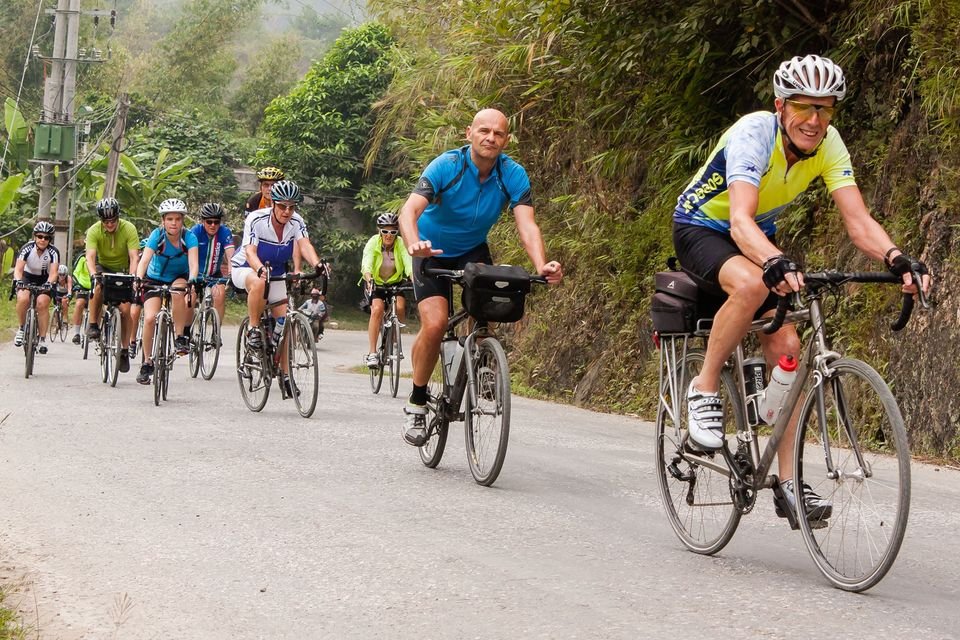
For the dedicated road cyclist, there is a specific kind of magic found in a perfectly paved road that winds through an untouched landscape. In Southeast Asia, that magic has a name: the Ho Chi Minh Highway. Once a legendary network of supply paths hidden beneath a dense jungle canopy, the trail has been transformed into a series of modern, high-quality roads that offer some of the best road cycling Ho Chi Minh Trail experiences on the planet. This 2,000-kilometer journey from North to South is a test of endurance, a history lesson on wheels, and a visual feast that rivals the Alps or the Pyrenees.
December 19, 2025
.webp "Mountain Biking Ho Chi Minh Trail: Conquering the Rugged Heart of Vietnam")
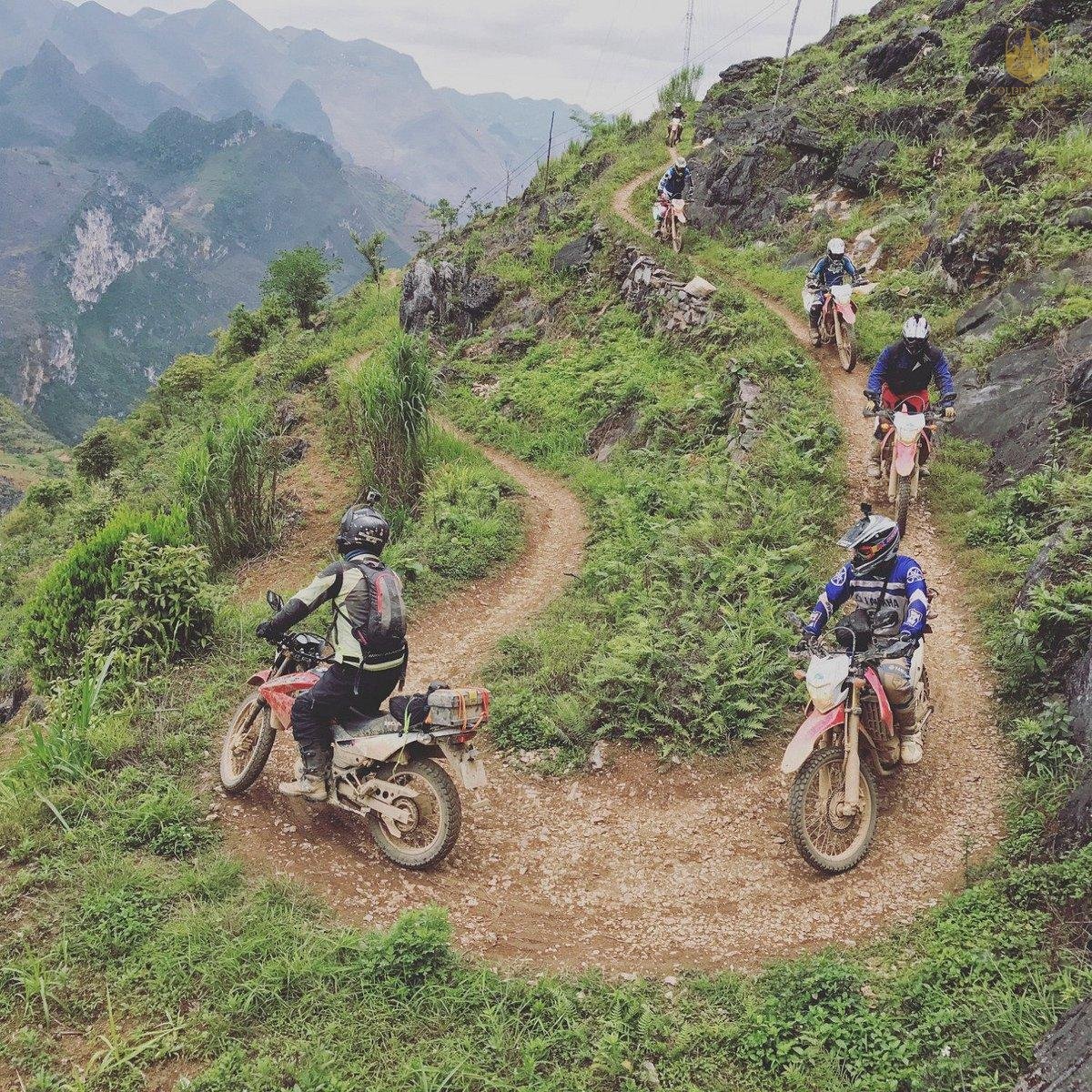
The Ho Chi Minh Trail is a name that resonates through history, but for the modern adventurer, it represents the ultimate frontier of Southeast Asian cycling. While many travelers experience Vietnam via the coastal Highway 1, the true soul of the country remains hidden within the dense jungles and soaring peaks of the Truong Son mountain range. Embarking on a mountain biking Ho Chi Minh Trail expedition is not just a test of physical endurance; it is an immersion into a landscape where history and nature are inextricably linked.
December 19, 2025
.jpg "Supported Cycling Tour Ho Chi Minh Trail: The Ultimate Adventure through Vietnam’s History and Landscape")
At Golden Trail Travel, we specialize in turning this historical odyssey into a seamless experience. Our premium cycling tours are meticulously designed to provide the perfect balance between grit and luxury, ensuring that every pedal stroke you take is backed by a team of experts.
December 19, 2025