15 Ng. 100 Đ. Nguyễn Xiển, Thanh Xuân Nam, Thanh Xuân, Hà Nội 100000



15 Ng. 100 Đ. Nguyễn Xiển, Thanh Xuân Nam, Thanh Xuân, Hà Nội 100000
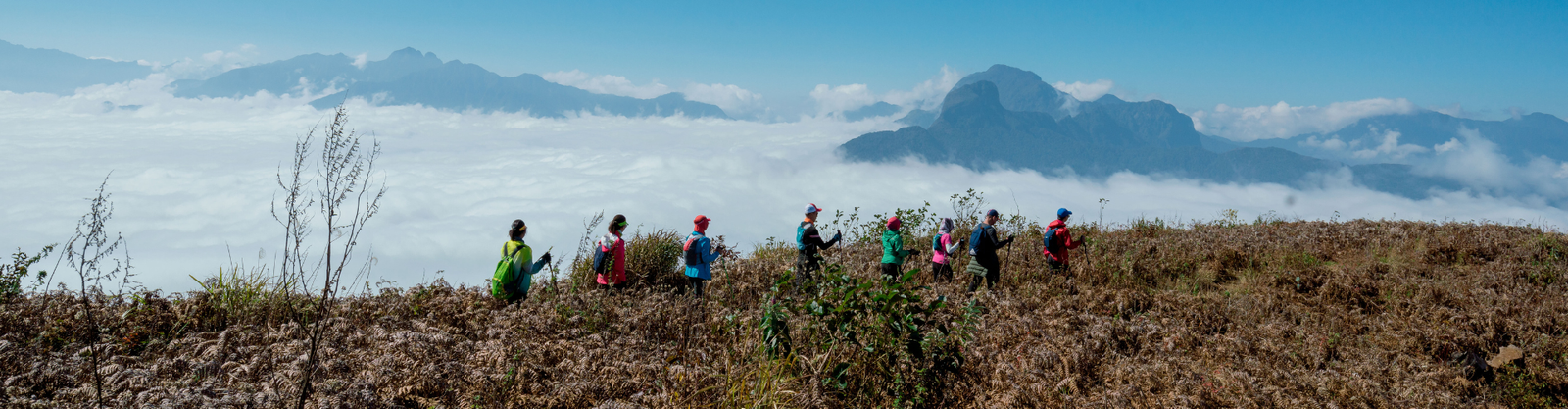
The Ha Giang Loop is not just a road trip; it's a rite of passage for adventurers, a journey into the soul of Northern Vietnam. Tucked away in the country's northernmost province, this spectacular loop carves its way through some of the most dramatic and awe-inspiring landscapes on Earth. It's a place where jagged limestone karsts pierce through the clouds, where winding rivers snake through deep valleys, and where the vibrant culture of ethnic minority groups remains a testament to a timeless way of life. This guide will be your comprehensive companion, providing everything you need to know to conquer the legendary Ha Giang Loop and create memories that will last a lifetime.
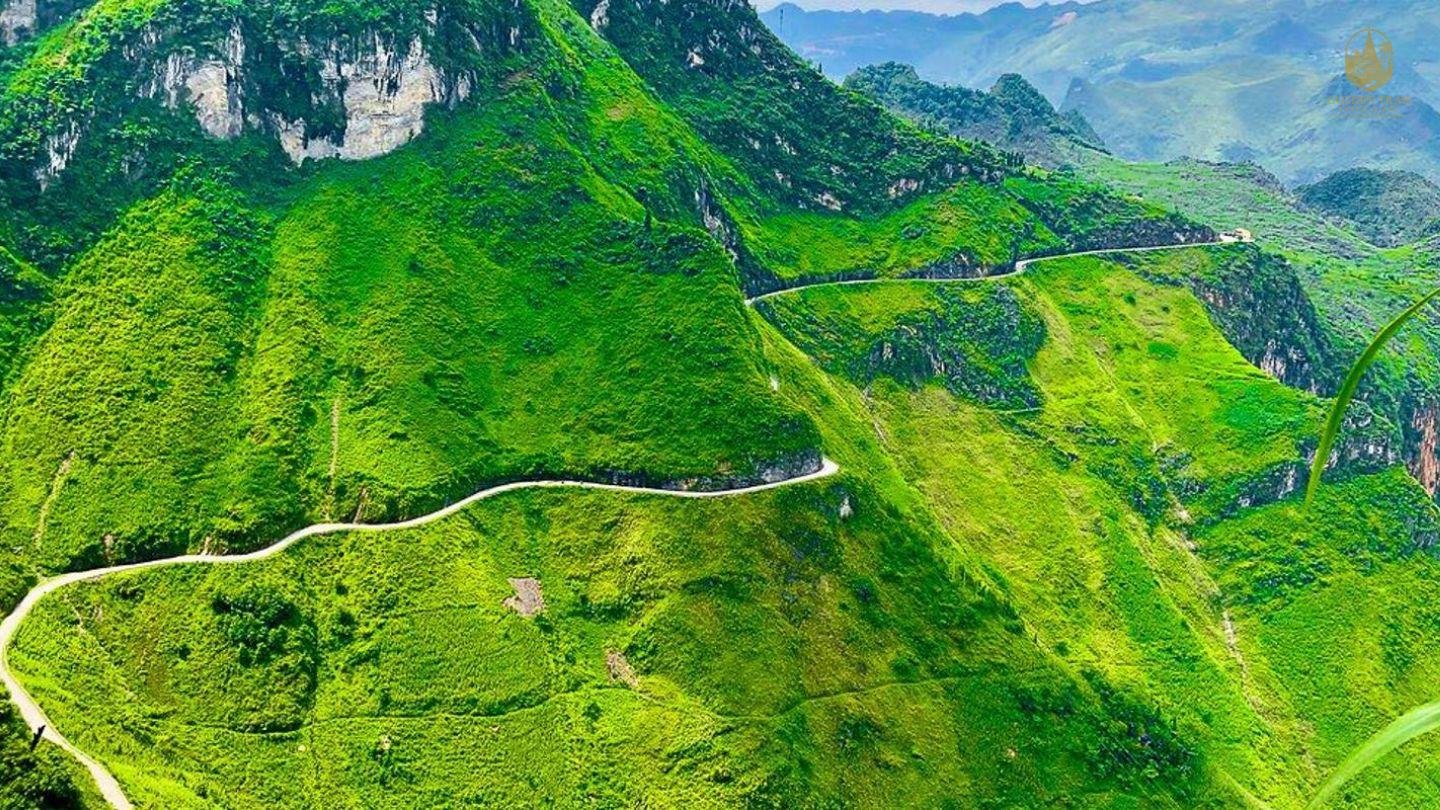
While Vietnam offers a wealth of incredible travel experiences, the Ha Giang Loop stands apart. It’s an adventure defined by freedom, natural beauty, and profound cultural encounters. It appeals to those who crave a challenge, who want to escape the beaten path, and who seek a deeper connection with a destination.
Unparalleled Scenery: The landscapes you'll encounter here are simply breathtaking. From the staggering cliffs of Ma Pi Leng Pass—often called one of the "four great passes" of Vietnam—to the terraced rice fields of Hoang Su Phi and the serene beauty of the Nho Que River, every turn of the road reveals a postcard-perfect view.
Cultural Immersion: The region is home to over 20 ethnic minority groups, including the H'mong, Tay, and Dao people. A journey through the loop is an opportunity to visit local villages, stay in traditional homestays, and learn about their unique customs, clothing, and way of life.
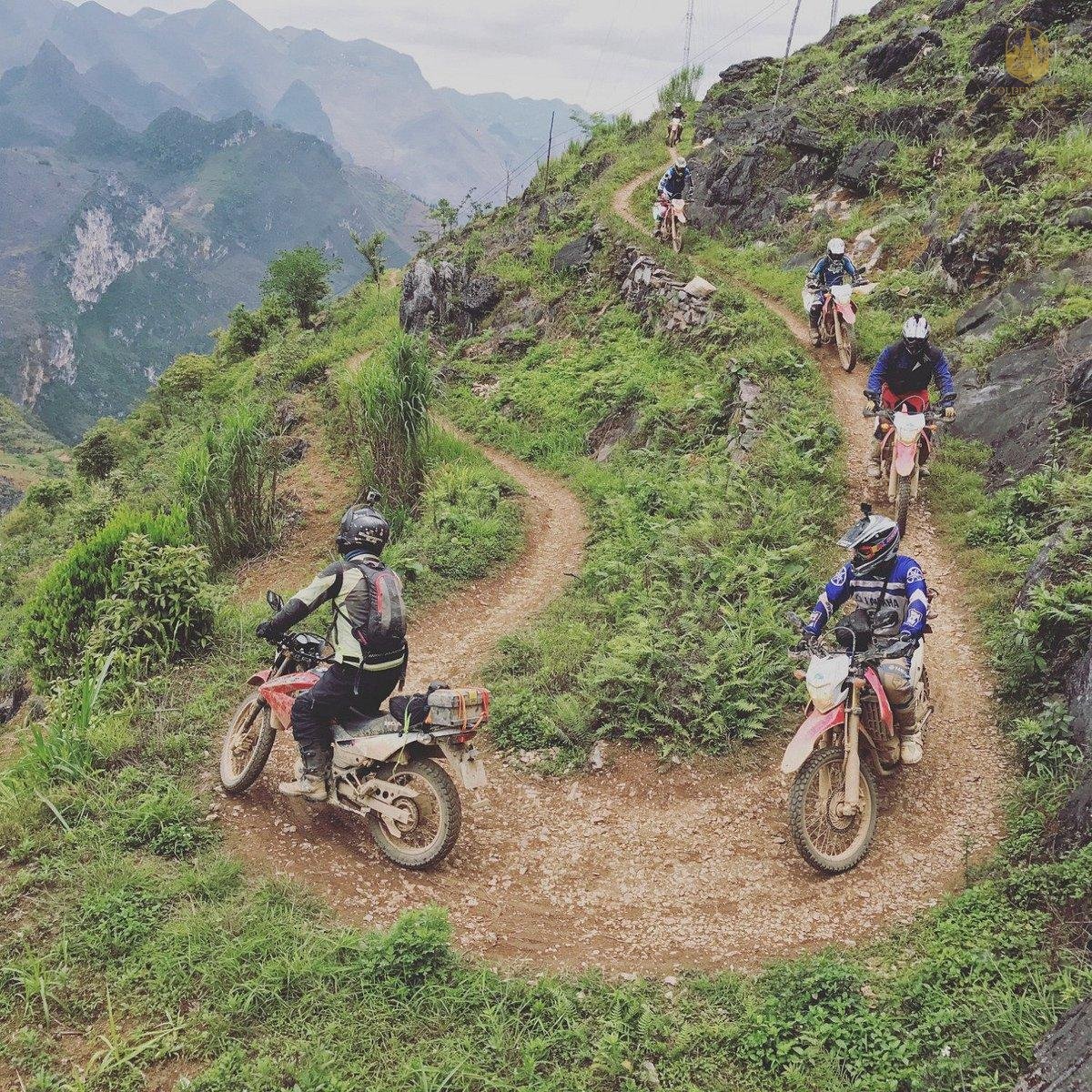
A Personal Challenge: Navigating the winding, mountainous roads on a motorbike is a thrilling experience. It requires focus and skill, and the sense of accomplishment you feel after completing the loop is immense. It's a journey of self-discovery as much as it is a physical one.
Authentic Experience: Unlike more commercialized destinations, Ha Giang retains its authenticity. The people are genuinely welcoming, the food is simple and delicious, and the landscapes feel untouched. It's a chance to see a side of Vietnam that few tourists get to experience.
The length of your trip depends on your pace and how much you want to explore. Here are three popular itineraries, each offering a distinct experience.
This is the most popular option for travelers with limited time. It's fast-paced but hits all the major highlights.
Day 1: Ha Giang to Yen Minh (approx. 110km)
Start your journey early from Ha Giang city. The first leg is relatively easy, allowing you to get comfortable with your bike.
The Heaven's Gate (Quan Ba Pass): After about 50km, you’ll reach the Quan Ba Pass. Stop here to take in the panoramic views of the "Fairy Breast" mountains—two twin peaks that dominate the landscape.
Lung Tam Village: You can make a detour to this small village famous for its traditional H’mong linen weaving. It's a great spot to see local crafts.
Continue to Yen Minh. The road becomes more winding and scenic as you enter the Dong Van Karst Plateau Geopark.
Day 2: Yen Minh to Dong Van/Meo Vac (approx. 100km)
This is arguably the most scenic day of the loop.
The Dong Van Karst Plateau Geopark: This UNESCO-recognized site is a landscape of spectacular limestone pinnacles and canyons.
Vuong's Palace (Palace of the H'mong King): A fascinating stop near Sa Phin, this impressive fortress-like building was once the home of a powerful H'mong leader.
Dong Van Old Quarter: Spend the night in Dong Van, a charming town with colonial-era architecture and a bustling market. If you’re there on a Sunday, the weekly market is a vibrant spectacle.
The Road to Meo Vac: The drive from Dong Van to Meo Vac is what legends are made of. This section includes the iconic Ma Pi Leng Pass.
Day 3: Meo Vac to Ha Giang (approx. 150km)
Ma Pi Leng Pass: This is the highlight of the entire loop. Carved into the side of a towering limestone mountain, the pass offers mind-boggling views of the Nho Que River flowing far below. There are many viewpoints for photos and to simply soak in the grandeur.
Nho Que River: You can take a boat trip on the river. It's a serene experience and a great way to appreciate the scale of the canyon.
The rest of the day is a long but beautiful ride back to Ha Giang City, passing through more stunning landscapes.
The Adventurous 4-Day Loop: Deeper Exploration
This itinerary is perfect for those who want a more relaxed pace and time for more stops.
Day 1 & 2: Same as the 3-day loop, but you spend the night in Dong Van on Day 2.
Day 3: Dong Van to Du Gia (approx. 80km)
This route takes you off the main road and into more remote areas.
Lung Cu Flagpole: Drive north to the northernmost point of Vietnam. The climb to the top of the flagpole offers incredible views of the border with China.
The Backroad to Du Gia: The drive to Du Gia is a true adventure, with less traffic and more local villages. The landscape is lush and green, with stunning rice paddies.
Du Gia Village: This is a fantastic place to spend the night. It's a peaceful village with a beautiful waterfall and friendly homestays.
Day 4: Du Gia to Ha Giang (approx. 80km)
The final day is a scenic ride back to Ha Giang. The roads are easier, allowing you to relax and reflect on your adventure. You'll pass through more incredible scenery, including the terraced fields of Na Khe.
For the true adventurer, the 5-day loop allows you to explore every corner of the province without rushing.
Day 1: Ha Giang to Quan Ba
Day 2: Quan Ba to Dong Van (via the Ma Pi Leng Pass)
Day 3: Dong Van to Lung Cu and Meo Vac
Day 4: Meo Vac to Du Gia
Day 5: Du Gia to Ha Giang
This itinerary gives you more time to hike, visit markets, and truly immerse yourself in the culture of each village.
Your Essential Preparation Guide for the Ha Giang Loop
A successful trip is a well-prepared one. Here’s what you need to know before you go.
Skill is Paramount: The Ha Giang Loop is not for beginners. You should be a confident and experienced motorbike rider. The roads are steep, winding, and can be challenging, especially in the rain.
Choosing the Right Bike: Most travelers rent a 110cc or 125cc semi-automatic bike. This gives you enough power to handle the hills while being easy to manage. Make sure to do a thorough check of the bike before you rent it: check the brakes, tires, lights, and horn.
Helmets: Always wear a high-quality helmet.
Driving License: An International Driving Permit (IDP) is required by law. While many rental companies don't check, it's essential for insurance purposes and to avoid trouble with the police.
Layers of Clothing: The weather can change drastically. Pack a warm jacket, rain gear, and layers for both cold mornings and hot afternoons.
Sturdy Footwear: Good shoes are essential for walking and hiking.
Sun Protection: Sunscreen, a hat, and sunglasses are a must.
Rain Gear: A waterproof jacket and trousers are non-negotiable.
First-Aid Kit: Band-aids, antiseptic wipes, painkillers, and any personal medications.
Cash: ATMs are rare outside of Ha Giang city.
Phone and Power Bank: A mobile phone with a local SIM card is crucial for navigation. A power bank is essential as power outlets can be scarce in remote areas.
Offline Maps: Download an offline map like Maps.me or Google Maps before you go.
Homestays: Staying in a local homestay is highly recommended. It's a cheap and authentic way to experience local culture and hospitality. Many homestays offer "family dinners" where you can share a meal with the host family and other travelers.
Guesthouses: There are also guesthouses and small hotels in the main towns like Dong Van and Meo Vac.
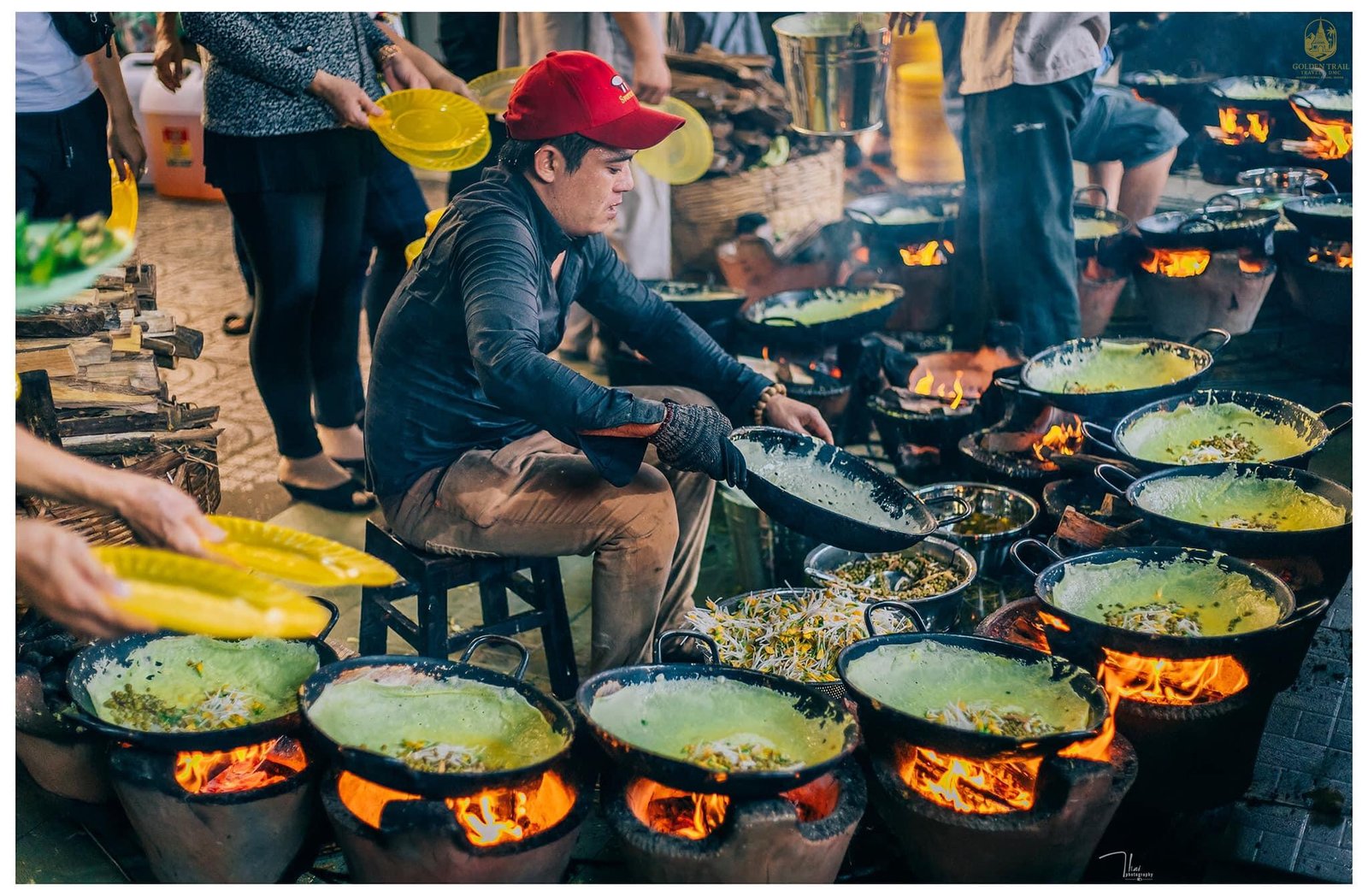
Local Food: Try local specialties like Thang Co (a stew), black chicken hotpot, and corn wine. The food is simple, fresh, and delicious.
The time of year you go can completely change the landscape.
September to November (Autumn): This is considered the best time. The weather is cool and dry, and the rice fields are a stunning golden yellow, ready for harvest.
March to May (Spring): The weather is pleasant, and the landscape is lush and green. This is also when many flowers, including peach blossoms and mustard flowers, are in bloom, painting the hills in vibrant colors.
December to February (Winter): The weather is cold and can be foggy or rainy, especially in the mountains. This is a challenging time to ride, but the scenery can be moody and atmospheric.
June to August (Summer): This is the rainy season. The roads can be slippery and prone to landslides. While the landscapes are incredibly lush, riding can be risky.
Beyond the main towns, here are some of the most spectacular sights you’ll encounter.
Ma Pi Leng Pass: As mentioned, this is the crown jewel of the loop. The "Skywalk" at the pass offers an exhilarating perspective.
Nho Que River: The turquoise water of this river, winding through the vast canyon, is a sight to behold. A boat trip is a peaceful and magical experience.
Dong Van Karst Plateau Geopark: This geological wonder is a UNESCO Global Geopark. Its otherworldly landscape of jagged rocks, deep canyons, and traditional villages is unlike anything else.
Lung Cu Flagpole: Marking the northernmost point of Vietnam, this is a symbol of national pride. The view from the top is stunning, stretching across the border into China.
H’mong King’s Palace: This architectural masterpiece blends Chinese, French, and H'mong design. It offers a fascinating look into the history of the region.
Quan Ba Heaven’s Gate: The first major viewpoint on the loop. The view of the Quan Ba Valley and the famous “Fairy Breast” mountains is a perfect start to your journey.
Du Gia Waterfall: A beautiful and secluded spot to cool off after a long day of riding.
While many choose to do the Ha Giang Loop independently, opting for a guided tour with a reputable company offers significant advantages, especially for first-time visitors or those who want to focus on the experience rather than the logistics. This is where a trusted partner like Golden Trail Travel & DMC comes in.
Golden Trail Travel specializes in creating authentic and unforgettable journeys through Ha Giang. Their experienced local guides are not just navigators; they are storytellers, cultural ambassadors, and guardians of your safety. They possess an intimate knowledge of the region, its hidden gems, and the best places to eat and stay.
What sets Golden Trail Travel apart is their commitment to safety, sustainability, and genuine cultural exchange. They provide well-maintained motorbikes, offer comprehensive safety briefings, and ensure you have all the necessary gear. By choosing their tours, you support local communities and get to experience Ha Giang in a more meaningful way, with a professional team taking care of all the details.
For a hassle-free and enriching experience, consider booking your Ha Giang Loop tour with Golden Trail Travel & DMC. You can find detailed itineraries and book your adventure directly at https://goldentrailtravel.com/. They are the bridge between you and the raw, untamed beauty of Northern Vietnam.
1. Is the Ha Giang Loop safe for tourists? The loop can be challenging, but it is generally safe if you are a confident rider, follow traffic rules, and exercise caution. The most common issues are due to inexperience or speeding. Always check the weather forecast and road conditions. Riding with a guide or in a small group can also significantly enhance safety.
2. How difficult is the Ha Giang Loop? The difficulty depends on your riding experience. The roads are winding, steep, and sometimes unpaved. The 3-day loop is challenging due to the long distances. If you're a beginner, it's highly recommended to hire an "easy rider" (a local guide who drives you on the back of their motorbike).
3. What is an "easy rider"? An "easy rider" is a local guide who drives you on their motorbike. This is the best option for those who don’t have riding experience, are traveling in a group, or simply want to relax and enjoy the scenery without the stress of driving. Easy riders are highly skilled and knowledgeable about the routes and local culture.
4. What is the best season for the Ha Giang Loop? The best time to visit is from September to November (for golden rice fields) and from March to May (for blooming flowers and pleasant weather). The rainy season from June to August can be beautiful but is also the most challenging time for riding.
5. How much does the Ha Giang Loop cost? The cost varies depending on your style of travel. A budget backpacker can do the loop for around $20-$30 per day, including a bike rental, food, and homestay. A guided tour with a reputable company like Golden Trail Travel will be more, but it includes accommodation, food, a guide, and a well-maintained bike, offering a much safer and more convenient experience.
6. Do I need a visa for Vietnam? Most visitors to Vietnam require a visa. The requirements depend on your nationality. You should check the latest visa regulations before you travel.
"Booking our Ha Giang Loop tour with Golden Trail Travel was the best decision we made. Our guide, Thang, was incredible. He not only navigated the roads with expertise but also shared so many stories about his culture and the region. The homestays were a highlight. It was an authentic, safe, and truly unforgettable trip!" – Jessica and Mark, UK
"I was a bit nervous about the Ha Giang Loop, but going with an easy rider from Golden Trail Travel was perfect. My rider, Dat, was a true professional. I felt completely safe the entire time and was able to fully immerse myself in the stunning scenery and culture. I highly recommend them for anyone looking for an authentic and safe adventure." – Chloe, Australia
"We did the 4-day loop with Golden Trail and every single day was a new marvel. The logistics were flawless, the bikes were top-notch, and the accommodations were exactly what we were looking for. The team’s knowledge of the area and their passion for sharing it was infectious. This company is a gem!" – Daniel S., USA


.jpg "The Epic Cycling Adventure: Rediscovering Your Soul on Two Wheels")
.jpg "The Ultimate Trekking Expedition: A Journey Beyond Boundaries")
.jpg "The Ultimate Guide to Trekking Cao Bang Vietnam: Journey Through the Realm of Mountains and Waterfalls")
.webp "Cuc Phuong National Park Day Trip")
.jpg "Pu Luong Nature Reserve: An Ethereal Journey into Vietnam’s Hidden Eden")