15 Ng. 100 Đ. Nguyễn Xiển, Thanh Xuân Nam, Thanh Xuân, Hà Nội 100000


15 Ng. 100 Đ. Nguyễn Xiển, Thanh Xuân Nam, Thanh Xuân, Hà Nội 100000
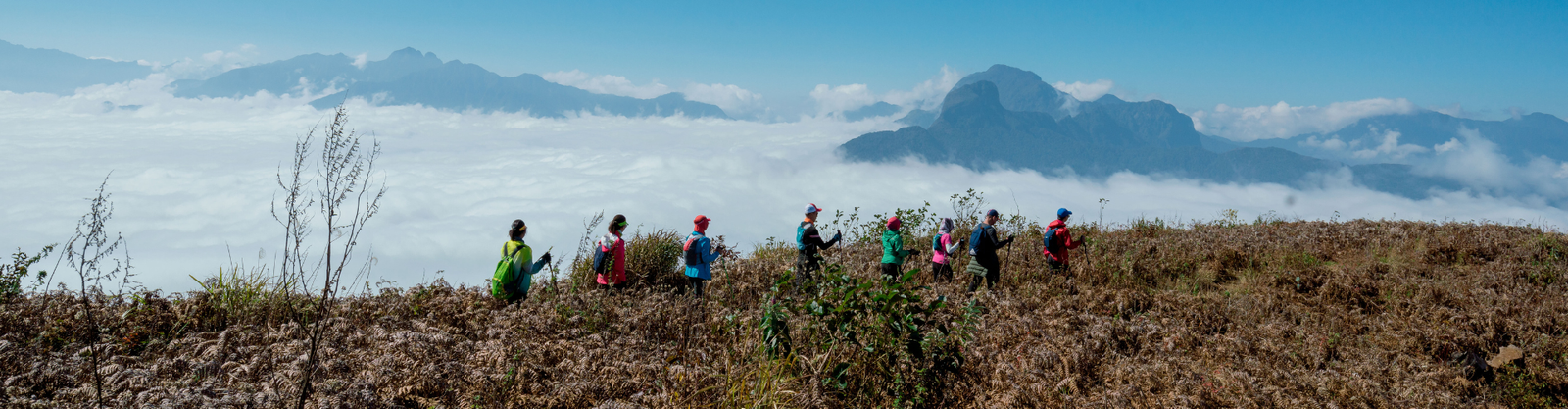
Imagine waking up to crisp, thin air, gazing out at a horizon dominated by the world's highest mountains – not just Everest, but a parade of colossal peaks like Cho Oyu and Makalu, shimmering under a vast, cloudless sky. This is Tingri (Dingri), a high-altitude county and crucial stopover town in Tibet, perched at an elevation of over 4,300 meters (14,100 feet). While not a destination of grand monasteries or bustling markets like Lhasa or Shigatse, Tingri holds immense strategic importance as the last significant staging post for travelers embarking on the ultimate adventure to Everest Base Camp (EBC) on the Tibetan side. It's a place where the true scale of the Himalayas begins to reveal itself, a rugged yet awe-inspiring landscape that prepares you for the majesty of the world's highest peak. If your journey through Tibet culminates in an encounter with Mount Everest, Tingri is an essential and unforgettable prelude to that grand spectacle.
Tingri's significance is almost entirely defined by its geographical location within the mighty Himalayan range.
Tingri County is nestled in the southern part of Tibet, strategically positioned near the border with Nepal. This proximity places it directly at the foot of the central Himalayan range, home to six of the world's fourteen highest peaks. From various vantage points in Tingri, on a clear day, you can often spot four of the 8,000-meter giants:
Mount Everest (Qomolangma): The highest peak on Earth.
Cho Oyu: The sixth highest.
Makalu: The fifth highest.
Lhotse: The fourth highest (though often obscured by Everest).
This concentration of towering giants makes Tingri a privileged observation point, offering panoramic views that are simply unparalleled outside of dedicated mountaineering expeditions.
Tingri lies directly on the Friendship Highway (G318), the vital overland route connecting Lhasa and Kathmandu. This makes it an indispensable stop for all overland tours traveling between the two cities or for those heading to Everest Base Camp from Lhasa and Shigatse. The town provides the last relatively developed amenities (basic guesthouses, simple restaurants, fuel, and supplies) before the even more remote and high-altitude areas leading to EBC. Its role as a logistical hub on this historic highway is central to its identity.
Even before modern tourism, Tingri played a role in the history of Himalayan exploration. It served as a base for many early mountaineering expeditions attempting to summit Mount Everest from the North Face in the early 20th century. Its strategic location, offering the closest accessibility to the vast glacial systems leading up to Everest, cemented its importance in the annals of climbing. Beyond mountaineering, Tingri was also a modest station on ancient trade routes, where goods, ideas, and pilgrims traversed the challenging mountain passes.
Perched at over 4,300 meters (14,100 feet), Tingri itself is at a considerable elevation. For travelers coming from Lhasa (3,650m) or Shigatse (3,800m), Tingri represents another significant step up in altitude. This makes it an important point for altitude acclimatization, allowing bodies to adjust before tackling the even higher altitudes of Rongbuk Monastery (5,000m) and Everest Base Camp (5,200m). The stark, arid landscape is a direct result of these extreme elevations, offering a raw and humbling beauty.
While primarily functional, Tingri offers unique experiences and breathtaking vistas that make it more than just a place to rest your head.
The main settlement in Tingri County is often referred to as Shegar (Xiegaer) or New Tingri. It's a small, dusty frontier town, humble in appearance but bustling with activity due to its role as a travel hub.
Basic Amenities: Don't expect luxury. Accommodations consist of simple guesthouses with shared bathrooms and very basic facilities. Heating might be limited, and hot water scarce, especially outside of peak season.
Local Vibe: The town provides a glimpse into the resilient lifestyle of high-altitude Tibetans. You'll find small shops selling supplies, a few simple restaurants and teahouses serving hearty Tibetan meals, and perhaps a repair shop for tour vehicles.
Anticipation in the Air: For travelers, Tingri is filled with a tangible sense of anticipation. It's the point where the Everest adventure truly begins, and fellow travelers often share stories and excitement over a simple meal.
Perched majestically on a rocky outcrop above Shegar town are the ruins of Shegar Dzong. This ancient fortress and monastery once served as a significant administrative and religious center for the region.
Historical Echoes: While largely in ruins (destroyed during the Cultural Revolution), the remaining walls and structures offer a poignant reminder of Tibet's rich history and the strategic importance of this location.
Panoramic Views: A climb to the Dzong (if accessible and safe) provides excellent panoramic views of Shegar town below, the surrounding valley, and, on a clear day, the distant snow-capped giants of the Himalayas. It's a rewarding short hike for those who are well-acclimatized.
One of the most compelling reasons to spend a night in Tingri (or to simply pass through on a clear day) is the simply magnificent panoramic view of the Himalayan range. From various points around the town, particularly heading west or south, the mountains stretch out before you like a colossal, jagged spine.
The Everest Chain: On a clear morning or late afternoon, you can distinctly see Mount Everest, Cho Oyu, and Makalu, often accompanied by Lhotse and Shishapangma. The sheer scale and beauty of these peaks, often dusted with snow and gleaming in the sun, are truly humbling.
Sunrise and Sunset: These times are particularly spectacular, as the low-angle light paints the mountain slopes in incredible hues of pink, orange, and gold. The crisp, clean air at this altitude often allows for incredibly sharp and distant views.
Photography Heaven: Bring your telephoto lens! The distant peaks provide unparalleled photographic opportunities.
In Tingri and the surrounding areas, you'll witness the rugged simplicity of Tibetan high-altitude life.
Nomadic Culture: The landscape supports semi-nomadic herding, and you might see yak or sheep grazing on the vast plains.
Local Shops & Teahouses: Interactions with local shopkeepers and simple meals in family-run teahouses offer a taste of authentic Tibetan hospitality.
Resilience: The people of Tingri live in harmony with a harsh environment, showcasing remarkable resilience and a deep connection to their land and faith.
For most travelers, Tingri is not the final destination but a crucial waypoint on the legendary journey to Everest Base Camp.
The journey from Lhasa to Shigatse and then on to Tingri is a transformative one.
From Lhasa, you pass through the beautiful turquoise waters of Yamdrok Lake and the historical town of Gyantse with its unique Kumbum stupa.
After Shigatse, the landscape gradually becomes more arid and stark, reflecting the increasing altitude and the rain shadow of the Himalayas. The roads, part of the G318 Friendship Highway, are generally well-maintained.
You'll traverse high passes like the Gyatso La Pass (GangbaLa) at 5,248 meters (17,218 feet), marked by thousands of fluttering prayer flags. These passes offer incredible panoramic views and a tangible sense of being on the Roof of the World.
After a long day's drive, Tingri offers a necessary respite. While basic, its guesthouses provide shelter and food, allowing travelers to rest and further acclimatize before the final, highest leg of the journey. This overnight stay is vital for minimizing the risk of Acute Mountain Sickness (AMS) at the even higher elevations of Rongbuk and EBC.
This is perhaps the most anticipated segment of the journey.
From Tingri, the road turns south towards the Everest region. The main road is now paved (as of recent years, a significant improvement), making the journey smoother.
You'll pass through checkpoints and enter the Everest National Nature Reserve.
The landscape becomes even more dramatic, with towering, barren mountains, deep valleys, and remote landscapes.
The final stretch leads to Rongbuk Monastery (RongpuSi), the highest monastery in the world (around 5,000m / 16,400 ft), and a crucial stopping point for all visitors to EBC. The monastery itself offers stunning, unobstructed views of Everest's North Face.
From Rongbuk, it's a short drive or a walk to Everest Base Camp (EBC) at 5,200 meters (17,060 feet).
At EBC, you'll finally stand before the majestic Mount Everest (Mount Qomolangma).
The View: The North Face of Everest rises directly before you, a colossal pyramid of rock and ice.
Atmosphere: It's a bustling tent city during peak climbing season, but for tourists, it's about the view, the sense of accomplishment, and the sheer scale of the surroundings.
Conditions: Accommodation at EBC (for tourists) is usually in communal tent camps (seasonal) or the Rongbuk Monastery guesthouse, offering very basic facilities and challenging conditions (cold, lack of running water, limited electricity). This is where the real high-altitude challenge hits, making the Tingri stop even more important.
For those with extra time and an adventurous spirit, Tingri County offers more to explore beyond the immediate town and highway.
Remote Villages: Scattered within the vast valleys are small, traditional Tibetan villages. Visiting them (with a guide) offers a glimpse into authentic rural life, often untouched by modern influences.
Basic Treks: While not a designated trekking hub like some regions, the vast plains and lower hills around Tingri offer opportunities for short, self-contained walks (always with caution regarding altitude and navigation) to enjoy the solitude and incredible views.
Flora and Fauna: The high-altitude arid environment supports unique hardy flora and fauna, including various species of high-altitude birds, marmots, and potentially wild yaks or Tibetan antelopes (though less common near settlements).
Himalayan Panoramas: Seek out slightly elevated points outside the town for even more expansive views of the Himalayan range. The clarity of the air at this altitude makes distant peaks appear surprisingly close.
The cultural experience in Tingri is one of rugged simplicity and deep-seated faith, reflecting the challenging environment.
Food in Tingri is basic but hearty, designed to provide warmth and energy at high altitudes.
Tsampa (糌粑 - Zang Ba): Roasted barley flour, a primary staple, often mixed with yak butter tea.
Yak Butter Tea (酥油茶 - Su You Cha): The essential Tibetan beverage, crucial for hydration and energy in the cold, dry air.
Thukpa (藏面 - Zang Mian): Tibetan noodle soup, often with yak meat or vegetables, a warming and filling meal.
Momos (包子 - Bao Zi): Tibetan dumplings, usually filled with yak meat or vegetables.
Dried Yak Meat: A common snack and protein source.
Sweet Tea (甜茶 - Tian Cha): A sweeter alternative to yak butter tea, available in local teahouses.
Meals are typically served in simple guesthouses or local eateries, offering a genuine taste of high-altitude Tibetan fare.
The people of Tingri are typically resilient, accustomed to the harsh climate and the constant flow of travelers. Their hospitality, though often quiet and understated, is genuine. You'll encounter farmers, herders, and small business owners, all living in harmony with their challenging environment and maintaining their deep Buddhist faith. The absence of grand monasteries in Tingri itself (compared to Lhasa or Shigatse) means that the faith is often expressed more personally, through prayer flags, mani stone piles, and the pervasive presence of prayer wheels.
A trip to Tingri and beyond to Everest Base Camp is a high-altitude adventure requiring serious preparation.
Gradual Ascent: This is the most critical factor. Your tour should start in Lhasa, allowing 2-3 days for acclimatization before proceeding to Shigatse and then Tingri/EBC. Tingri itself is a key acclimatization stop.
Stay Hydrated: Drink plenty of water throughout the day (at least 3-4 liters). Avoid alcohol, caffeine, and smoking, which exacerbate dehydration.
Rest: Prioritize rest, especially on the first day in Lhasa, Shigatse, and Tingri. Avoid any strenuous activity.
Listen to Your Body: Be aware of AMS symptoms (headache, nausea, dizziness, fatigue, shortness of breath). Report any worsening symptoms to your guide immediately.
Medication: Consult your doctor about prophylactic medications like Diamox (Acetazolamide) before your trip.
Oxygen: Your tour vehicle should have emergency oxygen cylinders. Many guesthouses in Tingri and EBC also offer oxygen for a fee.
Warmth: Dress in multiple layers. Temperatures drop drastically at night, and cold can exacerbate AMS symptoms.
Road Conditions: While the main roads are improving, some sections can still be rough or subject to seasonal closures. Travel with experienced drivers.
Permits: Ensure all necessary permits (Tibet Travel Permit, Alien's Travel Permit, Frontier Pass, Everest National Nature Reserve permit) are in order. Your tour operator handles this.
Communication: Cell phone reception can be intermittent in remote areas around Tingri and EBC.
Golden Trail Travel prioritizes traveler safety above all else, meticulously planning itineraries and providing comprehensive support to ensure a comfortable and secure journey.
Venturing to Everest Base Camp via Tingri is an epic undertaking that requires specific permits, logistical precision, and expert guidance. For foreign visitors, an organized tour with a licensed operator like Golden Trail Travel is mandatory.
Unmatched Permit Expertise: Golden Trail Travel specializes in navigating the complex and ever-changing Tibet Travel Permit (TTP) system, along with all the additional permits required for the Everest region (Alien's Travel Permit, Frontier Pass, Everest National Nature Reserve Permit). They handle all the paperwork, ensuring a smooth and hassle-free entry into Tibet and the restricted zones.
Priority on Altitude Acclimatization: Your safety is paramount. Golden Trail Travel designs itineraries that include crucial acclimatization stops in Lhasa and Shigatse, with Tingri serving as a vital next step. They provide detailed guidance on managing AMS and ensure you have access to oxygen and support throughout your high-altitude journey.
Seamless High-Altitude Logistics: From arranging flight/train tickets within China to providing robust 4WD vehicles suitable for the challenging Tibetan roads, experienced drivers, and carefully selected accommodations (even basic ones in remote areas like Tingri and EBC), Golden Trail Travel manages every detail.
Expert Local Tibetan Guides: Your expedition will be led by licensed, English-speaking Tibetan guides who are not only knowledgeable about the history, culture, and religion but are also highly experienced in high-altitude travel and emergency protocols. They enhance your understanding and ensure your safety.
Authentic Cultural Immersion: Golden Trail Travel goes beyond just reaching EBC. They offer opportunities for genuine cultural immersion at every stop, from local markets in Shigatse to traditional Tibetan meals in Tingri, connecting you with the heart of Tibetan life.
Dedicated 24/7 Support: With an unwavering commitment to traveler safety and round-the-clock support, Golden Trail Travel provides complete peace of mind. They are prepared for any unforeseen circumstances, ensuring you have a comfortable and secure experience in this challenging yet rewarding region.
It's critical to remember that foreign travelers (non-Chinese citizens) cannot travel independently in Tibet. You must:
Obtain a Tibet Travel Permit (TTP).
Travel with a licensed tour guide.
Travel in a private vehicle arranged by a licensed tour agency for all journeys outside Lhasa.
Have a pre-arranged and approved itinerary.
Golden Trail Travel meticulously manages all these requirements, transforming your dream of seeing Everest from Tibet into a seamless reality.
Option 1: Lhasa, Gyantse, Shigatse & Everest Base Camp Expedition (8-10 Days) This is the most popular and recommended itinerary for first-time visitors to Tibet aiming for Everest, with Tingri as a crucial overnight stop.
Day 1: Arrival in Lhasa & Acclimatization.
Arrive at Lhasa Gonggar Airport (LXA). Transfer to hotel. Rest, hydrate.
Day 2: Lhasa Exploration (Potala Palace, Jokhang Temple, Barkhor Street).
Full day of sightseeing in Lhasa's iconic spiritual heart.
Day 3: Lhasa Monasteries (Drepung & Sera).
Explore the "Great Three" monasteries, including monk debates at Sera.
Day 4: Lhasa to Gyantse via Yamdrok Lake.
Scenic drive to Yamdrok Lake, then to Gyantse. Visit Pelkor Chode Monastery and Kumbum Stupa. Overnight in Gyantse.
Day 5: Gyantse to Shigatse.
Drive to Shigatse. Visit Tashilhunpo Monastery. Overnight in Shigatse.
Day 6: Shigatse to Tingri.
Drive from Shigatse to Tingri. Pass through Gyatso La Pass (5,248m).
Arrive in Tingri. Check into a basic guesthouse. Enjoy the panoramic views of the Himalayas, including Everest, Cho Oyu, and Makalu, especially at sunset.
Overnight in Tingri (important for acclimatization).
Day 7: Tingri to Everest Base Camp (EBC) & Rongbuk Monastery.
Morning: Drive from Tingri towards EBC. Visit Rongbuk Monastery, the world's highest monastery.
Continue to Everest Base Camp (EBC). Witness the majestic North Face of Mount Everest. Spend time soaking in the atmosphere.
Overnight at Rongbuk Monastery Guesthouse or EBC Tent Camp (seasonal, very basic).
Day 8: EBC Sunrise & Return to Shigatse.
Wake early for sunrise over Mount Everest (weather permitting).
Drive back to Shigatse.
Overnight in Shigatse.
Day 9-10: Shigatse to Lhasa & Departure.
Scenic drive back to Lhasa.
Day 10: Transfer to Lhasa Gonggar Airport (LXA) for onward flight.
Option 2: Tibet & Nepal Overland Tour (Approx. 12-15 Days) For the ultimate Himalayan adventure, combine your Tibet journey with an overland crossing to Nepal, with Tingri being a key stop before the border.
This tour would typically follow the Lhasa-Shigatse-Tingri-EBC route (Days 1-7 as above).
Day 8 (or 9, depending on EBC visit): EBC to Gyirong Border.
Drive from EBC/Rongbuk to Gyirong Port (JilongGangkou), the border crossing with Nepal. The landscape transforms from high altitude mountains to lush valleys as you descend.
Complete border formalities.
Day 9 (or 10): Gyirong to Kathmandu, Nepal.
Cross the border into Nepal and drive to Kathmandu (long, challenging but scenic drive).
Ready to embark on your unforgettable journey through Tingri to the grandeur of Everest? Visit Golden Trail Travel's website to explore their curated Tibet tours and easily book your adventure: https://goldentrailtravel.com/
Tingri, despite its humble appearance, is a place of profound significance on any Tibetan journey. It's where the vastness of the Himalayas truly sinks in, where the air is pure and thin, and where the sense of anticipation for Everest becomes almost palpable. It's a testament to the resilience of human life at extreme altitudes and a living bridge between ancient trade routes and modern adventures.
Beyond the functional aspects of being a stopover, Tingri offers moments of quiet contemplation amidst some of the world's most spectacular scenery. The views of Everest, Cho Oyu, and Makalu, especially at sunrise or sunset, are etched into memory, providing a powerful connection to the raw, untamed beauty of the Tibetan Plateau. It’s a place that strips away the superfluous, leaving you with a profound appreciation for nature's majesty and the quiet strength of the local people.
Whether you're a seasoned adventurer or a curious traveler seeking to witness the Roof of the World, Tingri will leave an indelible mark. It's not just a waypoint; it's a vital part of the adventure, a place that prepares your spirit for the awe-inspiring encounter with Mount Everest, an experience that transcends mere travel and becomes a pilgrimage for the soul.
Q1: Where is Tingri located? A1: Tingri (also known as Shegar or New Tingri) is a high-altitude county and town in the Shigatse Prefecture of the Tibet Autonomous Region, China. It is located on the Friendship Highway (G318), approximately 4-5 hours' drive from Shigatse and serves as a key stopover for trips to Everest Base Camp.
Q2: What is the altitude of Tingri? A2: Tingri town is situated at an elevation of approximately 4,300 meters (14,100 feet) above sea level. This makes it a significant acclimatization point before proceeding to higher elevations like Rongbuk (5,000m) and Everest Base Camp (5,200m).
Q3: What is Tingri mainly known for? A3: Tingri is primarily known as the last major stopover town on the overland route from Lhasa/Shigatse to Everest Base Camp (EBC). It offers basic accommodation and supplies. It is also renowned for its panoramic views of the central Himalayan range, including Mount Everest, Cho Oyu, and Makalu, on clear days.
Q4: What are the main things to see or do in Tingri? A4: The main activities in Tingri involve resting and acclimatizing for the next leg of the journey to EBC. The most significant "attraction" is the stunning panoramic view of the Himalayas from various points around the town. You can also see the ruins of Shegar Dzong (fortress/monastery) above the town and experience the local, simple Tibetan life.
Q5: What kind of accommodation is available in Tingri? A5: Accommodation in Tingri is very basic, consisting primarily of simple guesthouses with shared bathrooms. Hot water can be scarce, and heating may be limited, especially outside of peak summer months. It's a functional stop for sleeping rather than a place for luxury.
Q6: What about altitude sickness when visiting Tingri and going to EBC? A6: Altitude sickness (AMS) is a significant concern. Tingri is at a high altitude. It's crucial to acclimatize gradually in Lhasa and Shigatse first. Stay hydrated, avoid strenuous activity, and inform your guide immediately if you experience severe symptoms. Your tour operator, like Golden Trail Travel, will plan the itinerary to minimize AMS risks and provide support.
Q7: Do I need special permits to visit Tingri or go to Everest Base Camp from Tingri? A7: Yes. Foreign travelers require a Tibet Travel Permit (TTP) to enter Tibet. Additionally, to visit Tingri and proceed to Everest Base Camp, you will need an Alien's Travel Permit, a Frontier Pass, and an Everest National Nature Reserve permit. All these permits are arranged by your licensed tour operator.
Q8: What kind of food can I expect in Tingri? A8: Food in Tingri is typically basic and hearty Tibetan fare. Expect staples like yak butter tea, tsampa (roasted barley flour), noodle soups (thukpa), momos (dumplings), and simple yak meat dishes. Restaurants are usually found within guesthouses.
Q9: Can I see Mount Everest directly from Tingri town? A9: Yes, on a clear day, you can often see Mount Everest (Qomolangma) from Tingri town, though it will be in the distance. The views of the entire Himalayan range from Tingri are spectacular. The closest and most direct views of Everest's North Face are from Rongbuk Monastery and Everest Base Camp itself.
Q10: Is Tingri a good place for photography? A10: Absolutely! Tingri offers incredible photographic opportunities, especially for landscape photography of the distant Himalayas. Sunrise and sunset views of the mountain range are particularly stunning due to the clear air and dramatic light.
"Tingri was our final stop before EBC, and the views from there were absolutely incredible! Seeing Everest and Cho Oyu together from such a distance was breathtaking. Golden Trail Travel handled all the arrangements seamlessly, from our permits to the basic but comfortable guesthouse. They made sure we were well-prepared for the high altitude." — Sarah and David, UK
"Our Everest Base Camp expedition was a dream come true, and Tingri played its part perfectly. It's a simple town, but the anticipation in the air and the sheer scale of the mountains surrounding it were palpable. Golden Trail Travel's experienced guide was invaluable, especially with managing altitude. We felt safe and well-supported every step of the way." — Dr. Anya Sharma, India
"As a mountaineer, I appreciate the functional importance of Tingri. It's the last outpost, and the views you get from there are a great warm-up for EBC. Golden Trail Travel provided excellent logistical support and a very knowledgeable guide, which is critical for a journey like this." — Liam O'Connell, USA
"The drive to Tingri was an adventure in itself, with those incredible high passes. Our overnight stay in Tingri, though basic, was exactly what we needed to rest before Everest. The early morning views of the Himalayas were unforgettable. Golden Trail Travel takes care of everything, making the challenging aspects of the trip manageable." — The Rossi Family, Italy
"We chose Golden Trail Travel for our ultimate Tibet trip to EBC, and they delivered beyond expectation. Tingri perfectly illustrates the rugged beauty of Tibet. Our guide was amazing, full of local insights, and always focused on our well-being at altitude. We highly recommend them for anyone considering this epic journey!" — Li Mei and Family, Singapore

.jpg "The Epic Cycling Adventure: Rediscovering Your Soul on Two Wheels")
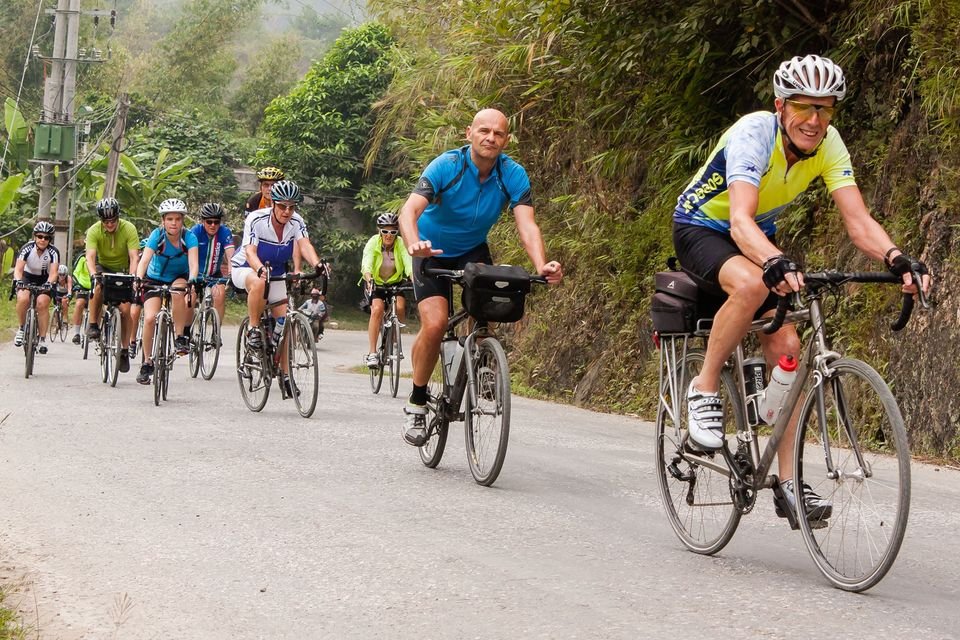
The world looks different from the seat of a bicycle. It is not a blur of colors through a train window or a fleeting landscape seen from 30,000 feet. When you embark on an Epic Cycling Adventure, the world becomes tactile. You feel the change in temperature as you descend into a shaded valley; you smell the damp, fertile earth after a mountain rain; and you hear the rhythm of your own breath matching the cadence of your pedal strokes.
June 29, 2026
.jpg "The Ultimate Trekking Expedition: A Journey Beyond Boundaries")
The horizon is not a limit; it is an invitation. For those of you who have spent too many hours staring at screens, listening to the hum of air conditioning, and feeling the gradual numbing of the spirit, the Ultimate Trekking Expedition is not just a holiday—it is a reclamation of self. It is the moment your boots touch the untamed earth, the lungs fill with air so crisp it feels like a baptism, and the heart finds a rhythm it forgot it possessed.
June 29, 2026
.jpg "The Ultimate Guide to Trekking Cao Bang Vietnam: Journey Through the Realm of Mountains and Waterfalls")
Cao Bang is not just a destination; it is a symphony of raw nature, ancient history, and the soulful whispers of the frontier. For those who seek the "Trekking Cao Bang Vietnam" experience, this province in North-East Vietnam offers a landscape that feels like it has been plucked from a classical ink wash painting. From the thunderous roar of Ban Gioc Waterfall to the serene silence of secret limestone valleys, trekking here is an emotional odyssey that reconnects you with the earth.
April 17, 2026
.webp "Cuc Phuong National Park Day Trip")
Have you ever felt the need to simply disconnect? To trade the relentless honking of city traffic for the rhythmic chirping of cicadas, and the gray concrete jungle for a canopy of ancient, emerald-green leaves? If your soul is craving a breath of pure, untamed air, then a Cuc Phuong National Park Day Trip is the sanctuary you’ve been searching for.
April 17, 2026
.jpg "Pu Luong Nature Reserve: An Ethereal Journey into Vietnam’s Hidden Eden")
Close your eyes and imagine a place where time seems to stand still. A place where the morning mist dances over emerald-green terraced fields, and the only sound you hear is the gentle rhythm of bamboo water wheels or the distant laughter of Thai ethnic children. This is not a dream; this is Pu Luong Nature Reserve, a sanctuary for the soul hidden in the heart of Thanh Hoa province.
April 10, 2026
.webp "The Soul of the Sidewalk: An Emotional Journey Through Hanoi’s Street Food")
Hanoi is not just a city; it is a living, breathing symphony of scents, sounds, and flavors. To truly understand this thousand-year-old capital, one must leave the polished dining rooms behind and embrace the humble plastic stools of the sidewalk. A Hanoi street food tour is more than a culinary excursion; it is an intimate encounter with the Vietnamese spirit—a blend of resilience, warmth, and an unwavering passion for harmony in every bowl.
April 02, 2026
.webp "Co Loa Citadel Classic Tour: Stepping Into the Cradle of Vietnamese History")
Imagine standing on a ground where every grain of dust whispers secrets from two thousand years ago. Picture yourself walking through concentric earthen walls that once shielded a kingdom built on legends, magic, and the rhythmic beat of ancient drums. A Co Loa Citadel classic tour is not just a sightseeing trip; it is a profound emotional journey back to the very dawn of Vietnamese civilization.
April 02, 2026
.webp "The Soul of Southern Vietnam: A Journey Through Time and Water on a Cu Chi Tunnels and Mekong Delta Day Trip")
Imagine a day where you wake up in the buzzing energy of Ho Chi Minh City, only to find yourself hours later crawling through the secret veins of history and then drifting along a river that breathes life into an entire nation. The Cu Chi Tunnels and Mekong Delta day trip is not just a tour; it is a profound emotional odyssey. It is a story of resilience written in the earth and a song of peace sung by the flowing waters.
April 01, 2026
.webp "The Soul of the Far East: A Journey Through Time with Our Ho Chi Minh City Classic Tour")
Ho Chi Minh City, or Saigon as many locals still affectionately call it, is not just a destination; it is an emotion. It is the frantic pulse of a motorbike-filled street, the quiet whisper of incense in a centuries-old pagoda, and the clinking of iced coffee glasses at dawn. When you embark on a Ho Chi Minh City classic tour, you aren’t just sightseeing—you are stepping into a living, breathing tapestry of resilience, elegance, and unbridled energy.
April 01, 2026
.webp "Halong Bay Classic Cruise: A Timeless Journey Through the Soul of Vietnam’s Emerald Waters")
Imagine waking up as the first rays of sunlight pierce through a mystical shroud of mist, revealing thousands of towering limestone karsts rising defiantly from a mirror-like emerald sea. There is no engine roar, only the gentle lap of water against a wooden hull and the distant call of a sea eagle. This is not just a vacation; it is a return to an era of elegance. A Halong Bay Classic Cruise offers more than just sightseeing; it is a soul-stirring immersion into the heritage, legend, and natural grandeur of one of the world’s most iconic landscapes.
March 31, 2026
.webp "Journey Through Time: The Ultimate My Son Sanctuary & Hoi An Tour Experience")
Imagine standing amidst the silent, moss-covered brick towers of an ancient empire, the air thick with the scent of incense and the whispers of a thousand-year-old civilization. As the golden sun begins to dip below the horizon, you find yourself wandering through narrow, lantern-lit alleys where every corner turned feels like a step back into a forgotten era of grace and harmony. This is not just a sightseeing trip; it is a profound emotional journey through the heart of Central Vietnam.
March 31, 2026
.webp "A Symphony of Stone and Water: The Ultimate Guide to Your Trang An Boat Tour")
Have you ever dreamed of a place where time seems to stand still, where the only sound is the rhythmic dip of a wooden oar into emerald waters, and where towering limestone karsts guard secrets of ancient dynasties? Welcome to Trang An, the "Ha Long Bay on Land," a place that doesn't just offer a tour, but a profound connection to the soul of Vietnam.
March 30, 2026
Imagine a place where time seems to hold its breath. A place where the only sound is the rhythmic rhythmic dip of oars into emerald waters and the distant call of a kingfisher. This is Tam Coc, often whispered about as the "Halong Bay on Land," but in reality, it is a world entirely its own. For those seeking a profound connection with nature and a glimpse into the soul of northern Vietnam, a Tam Coc classic tour is not just a sightseeing trip—it is an emotional pilgrimage.
March 30, 2026
.jpg "Beyond the Horizon: The Magic of a Ba Be Lake E-Bike Tour")
Have you ever dreamed of a place where time slows down, where the air tastes of wild orchids and ancient stone, and the only sound is the gentle hum of your tires on a mountain path? Welcome to Ba Be National Park, the "Green Gem" of Northeast Vietnam. While many visit this UNESCO Heritage site by boat, there is a soulful, exhilarating way to truly feel the land: a Ba Be Lake E-bike tour.
March 28, 2026
.jpg "The Ultimate Northwest Vietnam E-bike Tour: A Soul-Stirring Journey Through Indochina's Roof")
Imagine the morning mist gently brushing against your face as you glide silently through ancient pine forests. Imagine the scent of ripening rice terraces filling your lungs, and the vibrant colors of ethnic hill-tribe costumes flashing past like a living kaleidoscope. This is not just a holiday; it is a symphony of senses. This is the Northwest Vietnam E-bike Tour—an invitation to conquer the most formidable landscapes of Southeast Asia with the grace and ease of modern technology
March 28, 2026
Imagine standing at the edge of the world, where the clouds dance around limestone pinnacles and the only sound is the gentle hum of your electric motor blending with the mountain breeze. For many, the Ha Giang Loop is a dream of rugged landscapes and raw adventure. But for those who seek a deeper connection—a way to feel the pulse of the earth without the roar of a gas
March 05, 2026
.jpeg "Conquer the Majestic Northwest: The Ultimate Guide to an E-bike Tour in Tuan Giao")
The mist clings to the jagged limestone peaks like a soft silk scarf, and the air carries the scent of wild orchids and woodsmoke. As you press the pedal of your electric bike, there is no roar of an engine—only the rhythmic hum of tires meeting the mountain road and the sound of your own heartbeat. This is not just a cycling trip; it is a deep, soul-stirring conversation with the rugged heart of Vietnam’s Northwest. Welcome to the E-bike tour Tuan Giao, where technology meets tradition, and every turn reveals a masterpiece of nature.
March 04, 2026
.jpg "The Ultimate Guide to Cloud Hunting in Ta Xua: A Journey Above the Clouds")
Have you ever dreamed of standing atop a mountain peak, watching a literal ocean of white silk roll beneath your feet? In the northern highlands of Vietnam, there is a place where the line between heaven and earth disappears. Welcome to Ta Xua – the legendary "Kingdom of Clouds."
March 04, 2026
.jpg "The Ultimate Guide to Sapa Trekking Fansipan: A Journey Beyond the Clouds")
Scaling the "Roof of Indochina" is more than just a physical challenge; it is a spiritual pilgrimage into the heart of Northern Vietnam’s raw, unbridled beauty. If you are searching for an experience that blends the adrenaline of a high-altitude climb with the serene tranquility of misty highlands, Sapa trekking Fansipan is the definitive answer.
March 02, 2026
.jpg "Pedaling Through the Clouds: The Ultimate Ha Giang Loop Cycling Tour Experience")
Every cyclist has a "holy grail" – a destination so profound that it changes their perspective on travel forever. In the northernmost reaches of Vietnam, where the limestone karsts pierce the sky and the clouds dance in the valleys, lies that very place. A Ha Giang Loop cycling tour is not just a physical challenge; it is a spiritual homecoming, a journey into the soul of Southeast Asia’s most dramatic landscapes.
February 26, 2026