15 Ng. 100 Đ. Nguyễn Xiển, Thanh Xuân Nam, Thanh Xuân, Hà Nội 100000



15 Ng. 100 Đ. Nguyễn Xiển, Thanh Xuân Nam, Thanh Xuân, Hà Nội 100000
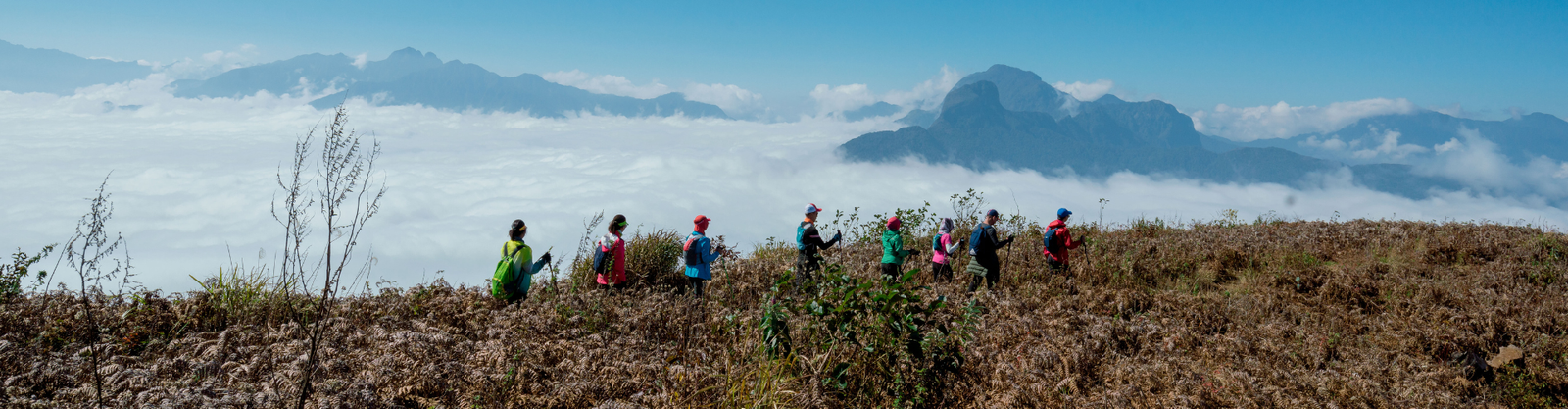
Hoàng Su Phi in Hà Giang is more than just a place to see beautiful rice terraces – it’s a place to feel Vietnam’s highland soul. In the ethnic minority villages scattered along the mountainsides, every footstep on a muddy trail, every cup of hot tea, every smile by the fire becomes part of your story of conquest, connection, and closeness to nature.
Join our Ha Giang trekking tour for an authentic adventure through the breathtaking Hoang Su Phi rice terraces and stay in remote ethnic villages where time seems to slow down.
Hoàng Su Phi is a mountainous district in Hà Giang province, northern Vietnam, about 300 km from Hanoi. It’s famous for dramatic terraced rice fields that have been recognized as a national heritage site by the Vietnamese government.
The slopes around villages like Ban Phung, Ban Luoc, Nam Ty, Thong Nguyen and many more are carved into thousands of rice-terrace steps. These landscapes are home to several ethnic minority groups, including:
Dao (Red Dao, Dao Ao Dai, Dao Thanh Phan)
Tay
Nung
H’Mong
Other smaller communities
Each village has its own architecture, clothing style, festivals, and farming traditions. Together, they create a rich mosaic of cultures surrounded by misty peaks and river valleys.
.webp)
Visiting ethnic minority villages in Hoàng Su Phi is not just “sightseeing” – it’s an emotional journey.
Trekking here often means climbing steep dirt paths, crossing narrow ridges, and pushing yourself through mist and drizzle. The reward?
Standing on a ridge at sunrise, watching terraced valleys slowly light up in soft gold
Feeling your heart race – not only from the hike, but from the thrill of conquering wild, remote trails
Looking down at tiny wooden houses, smoke curling from kitchen fires, and knowing you’ve reached a place few tourists ever see
These are some of the steepest and most spectacular rice terraces in Vietnam, especially around Ban Luoc and Ban Phung.
In Hoàng Su Phi’s ethnic minority villages, nature is not scenery – it’s a partner in daily life.
You might:
Walk along narrow bunds separating rice paddies, feeling the wet earth under your boots
Listen to water flow through bamboo channels irrigating the terraces
Share a simple meal made from vegetables grown in the garden and rice cut from the fields outside the window
Whether you come in spring when the terraces are full of water and mirror the sky, or in autumn when they turn into a golden ocean, the landscape wraps you in a powerful sense of calm and belonging.
What most travelers remember aren’t just the views – it’s the people.
A Dao grandmother adjusting your blanket at night in a stilt house
Tay children running alongside you on the trail, practicing their “hello” and “thank you”
A Nung family pouring homemade rice wine and inviting you to join their dinner
The hospitality is simple but genuine. You feel adopted, just for a night or two, and that emotional warmth often becomes the highlight of the entire Hà Giang journey.
Ban Phung village is one of the most photogenic spots in Hoàng Su Phi, with steep terraces that look like giant green and golden waves wrapping around the mountains.
Ethnic group: Mainly La Chi & Dao communities
Experience: Challenging treks, insanely beautiful viewpoints, sunrise and sunset photography
Feelings: Awe, achievement, and a strong sense of “I can’t believe I’m really here”
Ban Luoc features some of the steepest rice terraces in the region, zigzagging up rugged slopes.
Ethnic groups: Dao and H’Mong
Experience: Mountain paths, simple homestays, smoky kitchens, starry skies
Feelings: Raw adventure, remote isolation, and deep respect for the farmers who shape these hills by hand
Nam Ty is known for its beautiful terraces and more peaceful atmosphere. Local markets nearby (such as Nam Ty or Thong Nguyen markets) burst with colors and traditional dress.
Ethnic groups: Tay, Dao, Nung
Experience: Shorter hikes, village walks, market visits, handicrafts
Feelings: Curiosity, cultural immersion, and gentle everyday moments
Thong Nguyen commune is often a base for multi-day trekking tours that link various ethnic minority villages.
Ethnic groups: A mix of Dao, Tay, and others
Experience: Trekking hub, river valleys, waterfalls, access to more remote hamlets
Feelings: Excitement at the start of a journey, satisfaction at the end of each trekking day
Staying in a homestay is the best way to feel the emotional warmth of local life:
Sleep on a mattress on the floor in a wooden or stilt house
Wake up to roosters, the sound of chopping wood, and children laughing
Share dinner on the floor with the family – rice, forest vegetables, mountain herbs, grilled pork, maybe homemade corn wine
It’s simple. It’s not “luxury”. But emotionally, it’s priceless.
You can choose:
Soft walks between nearby villages and viewpoints
1–2-day treks linking several ethnic minority villages
Multi-day treks that go deep into remote valleys and ridges
Because trails are often unmarked and the terrain is rugged, going with a local guide or a reputable agency is strongly recommended.
Time your visit to catch:
Weekly markets (like Thong Nguyen or Nam Ty) full of colorful fabrics, herbs, livestock, and local food
Festivals of Dao or H’Mong communities where you may see traditional costumes, dances, and rituals
Tea picking or rice harvest season, when villages are full of work, laughter, and songs
You can visit Hoàng Su Phi almost year-round, but each season brings different emotions:
April–May: Watering season – terraces are filled with water, reflecting the sky like mirrors. Very photogenic and peaceful.
June–August: Green season – terraces turn into lush layers of emerald; trekking feels vibrant and alive. Rain is common but adds drama to the landscape.
September–October: Harvest season – golden terraces, buzzing energy in the fields, a sense of celebration and gratitude. This is the peak emotional and visual season.
November–March: Cooler, drier; less farming activity but clearer views. Good for travelers who prefer quietness and crisp mountain air.
Reaching these ethnic minority villages is part of the adventure:
Distance: Around 300 km from Hanoi to Hoàng Su Phi
Transport options:
Private car with driver (most comfortable and flexible)
Limousine/bus to Hà Giang city, then onward transport to Hoàng Su Phi
Motorbike for experienced riders (roads are winding and can be slippery)
Because of the remoteness, many travelers prefer to join an organized tour that handles transfers, trekking routes, and village stays.
If you want a seamless, emotion-focused journey through ethnic minority villages in Hoàng Su Phi, Golden Trail Travel & DMC is a smart choice.
They offer an 8-day trekking tour through the most beautiful rice terraces of Hoàng Su Phi, including remote ethnic villages, authentic homestays, and deep cultural encounters.
With Golden Trail Travel & DMC, you can:
Trek with experienced local guides who know the safest, most scenic routes
Stay in carefully selected homestays that respect local culture and comfort
Visit villages of Dao, Tay, Nung, H’Mong communities and learn their stories
Combine Hoàng Su Phi with other Hà Giang highlights if you wish
👉 Ready to turn your dream into a real journey?
Visit Golden Trail Travel & DMC to explore their Hoàng Su Phi trekking tours and easily book your customized adventure.
To keep the experience authentic and respectful, remember:
Ask before taking photos of people, especially elders and children
Dress modestly in villages (shoulders and knees covered)
Buy local – handicrafts, tea, honey, textiles – to support village income
Use refillable bottles and avoid single-use plastics on the trail
Walk gently on rice-terrace edges and paths to avoid damaging the fields
Listen and learn – your guide can explain customs, taboos, and stories
This way, you leave with powerful emotions and memories, while leaving a positive impact behind.
Yes – as long as you choose the right itinerary. Soft trekking routes around villages like Nam Ty or Ban Phung are manageable for active beginners. If you’re new to trekking, let Golden Trail Travel & DMC design a slower-paced program with shorter daily walks and more breaks.
For a meaningful emotional experience, 2–3 days is the minimum. If you want deeper immersion, a 5–8 day trekking tour across different villages keeps each day fresh and exciting, with new trails and homestays.
Yes. Homestays in Hoàng Su Phi are generally safe and family-run. Facilities are basic: shared bathrooms, simple bedding, maybe cold showers in some places. What you gain is authenticity and emotional warmth – shared meals, evening fires, and real conversations.
Most villagers do not speak much English, but guides and some homestay owners can. Smiles, hand gestures, and shared food will do the rest. Traveling with a guide from a trusted operator like Golden Trail Travel & DMC makes communication much easier.
Good trekking shoes
Lightweight rain jacket
Warm layer for cool evenings
Reusable water bottle
Small backpack for day hikes
Power bank (electricity can be limited in some village houses)
If you join a tour, your agency will usually provide a detailed packing list.
Early morning: Mist rising from valleys, soft light, and life slowly starting
Late afternoon: Warm golden light over terraces and wooden houses
Harvest season: Farmers in traditional clothes working in the fields – powerful emotional and visual scenes
“We thought we were just going to see rice terraces. Instead, we felt like we were walking through a living painting. Our Dao host family in Ban Luoc welcomed us like long-lost relatives – we laughed, cooked, and drank rice wine together. It was the most emotional part of our Vietnam trip.”
“I had seen photos of Hoàng Su Phi on social media, but the real thing is on another level. The moment I reached a high viewpoint and saw layers of golden terraces under the sunset, I literally got goosebumps. Thanks to Golden Trail Travel & DMC, the trek was challenging but safe and perfectly organized.”
“The homestays were simple, but I loved hearing the rain on the roof and waking up to misty fields. Walking through ethnic minority villages, watching children play and elders weave fabric, I felt a strong connection to the land and people. I’m already planning to come back in another season.”

.jpg "The Epic Cycling Adventure: Rediscovering Your Soul on Two Wheels")
.jpg "The Ultimate Trekking Expedition: A Journey Beyond Boundaries")
.jpg "The Ultimate Guide to Trekking Cao Bang Vietnam: Journey Through the Realm of Mountains and Waterfalls")
.webp "Cuc Phuong National Park Day Trip")
.jpg "Pu Luong Nature Reserve: An Ethereal Journey into Vietnam’s Hidden Eden")