15 Ng. 100 Đ. Nguyễn Xiển, Thanh Xuân Nam, Thanh Xuân, Hà Nội 100000



15 Ng. 100 Đ. Nguyễn Xiển, Thanh Xuân Nam, Thanh Xuân, Hà Nội 100000

Imagine stepping into a world where vast, emerald grasslands stretch to the horizon, where the scent of kumis (fermented mare's milk) mingles with the smoke of nomadic campfires, and where ancient lamaseries stand as colorful testaments to a rich spiritual past. This is Hohhot (呼和浩特), often known as the "Blue City" (from the Mongolian Khökh Khot), the vibrant capital of China's Inner Mongolia Autonomous Region. More than just a provincial capital, Hohhot serves as the essential gateway to the magnificent Mongolian steppes and a cultural hub preserving centuries of nomadic traditions, Buddhist spirituality, and fascinating history.
This comprehensive guide will transport you through the enchanting world of Hohhot and its surrounding landscapes – from its iconic lamaseries and museums that preserve a unique heritage, to the immersive experiences of the Mongolian grasslands, and the hearty flavors of Inner Mongolian cuisine. We'll also show you how Golden Trail Travel can unlock an unforgettable and seamlessly organized adventure, ensuring you discover the true essence and hidden gems of this remarkable frontier city and its vast, nomadic heartland. Prepare to be captivated by its vibrant culture, awed by its natural beauty, and inspired by its enduring spirit.
To truly appreciate Hohhot today, it's essential to understand its unique geographical setting and the compelling historical narrative that has shaped its distinct identity as a modern city intertwined with ancient nomadic traditions.
Hohhot is situated in the south-central part of Inner Mongolia Autonomous Region, nestled within the Tumochuan Plain, an alluvial plain formed by the Dahei River. To its north lie the Daqingshan Mountains, a natural barrier, and to its south, the vast expanse of the Mongolian grasslands begins. This strategic location has historically made it a crucial point of convergence between the nomadic cultures of the north and the agricultural civilizations of the south.
Semi-Arid Climate: Hohhot experiences a semi-arid continental monsoon climate, characterized by cold, dry winters and warm summers. While the city itself is urban, the transition to the expansive, open grasslands just outside its periphery is quick and dramatic.
"Blue City" Origin: The name "Hohhot" derives from the Mongolian Khökh Khot, meaning "Blue City." The "blue" here traditionally refers to the blue tiles that once adorned many of its early Buddhist temples, but it also evokes the endless blue skies of the Mongolian steppe, a color deeply symbolic to the Mongolian people.
Hohhot's history is a fascinating story of cultural interaction, religious development, and frontier expansion.
Founding by Altan Khan (1580): The city was founded in 1580 by Altan Khan (俺答汗), a powerful Mongol leader of the Tümed tribe. He established it as a center for trade and a base for the spread of Tibetan Buddhism (Gelug school) among the Mongols. This marked a significant period of conversion for the Mongols, and Hohhot quickly became a spiritual hub.
Early Monasteries: Key monasteries like the Dazhao Temple and the Xiletuzhao Palace were built during this period, signifying the city's role as a major center for Buddhist learning and practice, attracting lamas from Tibet and Mongolia.
Qing Dynasty Integration: During the Qing Dynasty (1644-1912), the Manchu rulers further consolidated their control over Inner Mongolia, and Hohhot became an important military and administrative center, integrating more closely into the Chinese imperial system while retaining its distinct Mongolian and Buddhist character. A large Han Chinese population also began to settle in the city.
Modern Capital: In 1947, Hohhot was established as the capital of the newly formed Inner Mongolia Autonomous Region, reflecting its historical importance and its central position in the region.
Economic Development: In recent decades, Hohhot has experienced rapid economic growth, driven by industries such as dairy (it's home to major dairy companies like Mengniu and Yili), traditional Mongolian products, and tourism. Despite its modernization, the city strives to preserve its unique cultural identity, particularly its Mongolian and Buddhist heritage.
Hohhot is a unique blend of cultures, reflecting its history as a frontier city:
Mongolian Influence: While the majority of Hohhot's population is Han Chinese, Mongolian culture is deeply embedded in the city's fabric. You'll see Mongolian script on signs, hear the distinct language, and experience traditional Mongolian music, dance, and cuisine.
Tibetan Buddhism: The city's many lamaseries and the vibrant presence of Buddhist monks underscore its role as a significant center for Tibetan Buddhism, which has profoundly influenced Mongolian culture and art.
Nomadic Spirit: Even within the urban environment, the spirit of the vast grasslands and nomadic traditions remains a powerful undercurrent, making Hohhot a fascinating starting point for an immersive journey into Inner Mongolia.
Hohhot and its surrounding areas offer a diverse range of attractions, from ancient lamaseries and insightful museums to the boundless beauty of the Mongolian grasslands, catering to every type of traveler.
Dazhao Temple (大召寺 - Dàzhào Sì): The Oldest and Grandest:
Founded in 1580, Dazhao Temple is the oldest and largest Tibetan Buddhist monastery in Hohhot. It's renowned for its impressive collection of Buddhist scriptures, exquisite murals, and a 2.5-meter tall silver Buddha statue (the "Silver Buddha Temple").
Architectural Splendor: Admire the traditional Tibetan Buddhist architecture, characterized by colorful prayer flags, intricate carvings, and unique roof designs.
Lama Rituals: You may witness monks performing daily rituals, chanting, and engaging in philosophical debates.
Cultural Experience: The temple offers a profound insight into the history and practice of Tibetan Buddhism in Inner Mongolia.
Xiletuzhao Palace (席力图召 - Xílìtú Zhào): A Royal Residence:
Also known as the "Zhaojun Temple" due to its connection with Wang Zhaojun (a famous concubine of the Han Dynasty who married a Xiongnu chieftain for peace), Xiletuzhao Palace was once the residence of the Living Buddha (Hutuktu) of Hohhot.
Unique Pagoda: It features a striking white Lamaist Pagoda, which is distinct from traditional Chinese pagodas.
Historical Significance: The palace played a crucial role in the political and religious affairs of Inner Mongolia during the Qing Dynasty.
Five Pagoda Temple (五塔寺 - Wǔtǎ Sì) / Cideng Temple (慈灯寺): A Rare Architectural Gem:
This temple's most unique feature is its "Diamond Throne Pagoda" (金刚座舍利宝塔), built in the Indian style in the late 18th century. It features five small pagodas built atop a rectangular base, with intricate carvings of Buddhas, Bodhisattvas, and the Mongolian astronomical chart.
Astronomical Chart: The most remarkable aspect is the well-preserved Mongolian astronomical chart engraved on the northern wall of the base, one of the few surviving such charts in the world.
Architectural Rarity: Its distinct style makes it a fascinating deviation from typical Chinese or even Tibetan Buddhist architecture in the region.
Inner Mongolia Museum (内蒙古博物院 - Nèiménggǔ Bówùyuàn): A Journey Through Mongolian History:
A modern, comprehensive museum that offers an excellent overview of Inner Mongolia's natural history, ethnic cultures, and archaeological findings.
Highlights: Exhibits include dinosaur fossils, ancient nomadic artifacts, traditional Mongolian costumes, musical instruments, and displays on the history of the Mongol Empire and local Mongolian tribes.
Cultural Insight: Provides crucial context for understanding the region's diverse heritage.
General's Mansion (将军衙署 - Jiāngjūn Yámǔ): A Qing Dynasty Administrative Hub:
The former residence and office of the Qing Dynasty's military governor of Suiyuan (the historical name for the Hohhot region).
Imperial Architecture: Offers a glimpse into Qing Dynasty administrative architecture and the life of high-ranking officials.
Historical Context: Provides insights into the Qing Dynasty's governance of Inner Mongolia.
No trip to Hohhot is complete without venturing into the magnificent Mongolian grasslands that surround the city. These immersive experiences offer a taste of the nomadic lifestyle and breathtaking natural beauty.
Xilamuren Grassland (希拉穆仁草原 - Xīlāmùrén Cǎoyuán): The Popular Choice:
One of the closest and most developed grasslands near Hohhot, making it a popular choice for day trips or overnight stays.
Activities: Experience horseback riding, camel riding, archery, wrestling demonstrations, and traditional Mongolian song and dance performances.
Ger Stays (Yurts): Spend a night in a traditional Mongolian ger (yurt) for an authentic nomadic experience, often accompanied by a bonfire party and stargazing.
"Hada" Ceremony: Participate in the traditional "hada" (a blue silk scarf symbolizing respect and good wishes) welcoming ceremony.
Huitengxile Grassland (辉腾锡勒草原 - Huīténgxīlè Cǎoyuán): More Pristine Beauty:
Located further west, this grassland offers a more pristine and less crowded experience, known for its unique volcanic landscape and 99 natural lakes.
Scenery: The combination of vast grasslands and sparkling lakes creates a particularly stunning landscape.
Activities: Similar activities to Xilamuren, but often with a greater sense of tranquility and untouched nature.
Kubuqi Desert (库布齐沙漠 - Kùbùqí Shāmò): A Desert Adventure:
For a contrasting landscape, the Kubuqi Desert (part of the larger Ordos Desert) is accessible from Hohhot.
Activities: Experience desert safaris, camel treks, sandboarding, and explore the unique desert ecosystem. It's a testament to the diverse geography of Inner Mongolia.
Mongolian Nomadic Culture Immersion:
Beyond specific grasslands, the overall experience of connecting with Mongolian culture is paramount. This includes:
Horseback Riding: A quintessential Mongolian activity, offering freedom and a deep connection to the land.
Archery & Wrestling: Witness or participate in these traditional Mongolian sports, crucial to their nomadic heritage.
Traditional Music and Dance: Enjoy the haunting melodies of the morin khuur (horsehead fiddle) and the powerful artistry of Mongolian throat singing.
Local Hospitality: Experience the warmth and generosity of the Mongolian people, often sharing tea, kumis, and their way of life.
Inner Mongolian cuisine is a fascinating blend of nomadic traditions and Chinese influences, heavily reliant on meat (especially lamb), dairy products, and sturdy grains. It's hearty, flavorful, and deeply connected to the environment of the grasslands.
Roasted Whole Lamb (烤全羊 - Kǎo Quányáng): The quintessential Inner Mongolian feast, often reserved for special occasions or groups. A whole lamb is slow-roasted until crispy on the outside and tender within. It's served ceremonially, often with a knife for diners to carve directly.
Hand-Pulled Mutton (手把肉 - Shǒubǎ Ròu): Simple yet incredibly flavorful. Lamb is boiled with minimal seasoning until tender, then served in large chunks. Diners use a knife to cut off pieces to eat, often dipping them in a savory sauce. This dish highlights the natural taste of fresh lamb.
Hot Pot (火锅 - Huǒguō) with Lamb: Inner Mongolia is famous for its lamb hot pot. Thinly sliced lamb is cooked quickly in a simmering broth, along with various vegetables, tofu, and noodles. The quality of the lamb is key, known for its tenderness and lack of gaminess.
"Mongolian Milk Tea" (奶茶 - Nǎichá): A staple beverage, very different from typical sweet milk teas. It's usually a savory tea, brewed with brick tea, fresh milk (often from cows or sheep), and sometimes a pinch of salt. It's warming and nourishing, often served with a variety of snacks.
Dairy Products (奶制品 - Nǎizhìpǐn): Given the nomadic heritage, dairy products are central.
Milk Tofu (奶豆腐 - Nǎidòufu): Dried or fermented milk curds, often with a slightly sour or cheesy taste.
Milk Skin (奶皮子 - Nǎipízi): Cream skimmed from boiled milk, dried into thin sheets, often eaten with sugar.
Kumis (马奶酒 - Mǎnáijiǔ): Fermented mare's milk, a traditional alcoholic beverage (though relatively low in alcohol), with a distinctive sour and slightly fizzy taste.
Buckwheat Products (莜面 - Yóumiàn): Buckwheat is a common crop in the region. Look for steamed buckwheat noodles or cakes, often served with a savory sauce.
"Roasted Dough" (烤包子 - Kǎo Bāozi) / "Shaomai" (烧麦 - Shāomài): Large, savory steamed or roasted dumplings, often filled with lamb and onions. Hohhot's shaomai is unique, often served as a main dish rather than a dim sum item.
Culinary Tours: Golden Trail Travel can arrange dedicated food experiences, from traditional Mongolian feasts in gers to exploring local markets, ensuring a truly immersive gastronomic journey into Inner Mongolian flavors.
While Hohhot itself is a modern city, fully immersing yourself in the unique Mongolian culture and exploring the vast grasslands requires more than just independent travel. This is where Golden Trail Travel becomes your invaluable partner, transforming your trip into a seamlessly planned, deeply insightful, and profoundly enriching adventure.
Golden Trail Travel excels in designing bespoke tours that perfectly capture the essence of Hohhot and Inner Mongolia, catering to your specific interests, whether they are cultural immersion, historical exploration, natural beauty, or active adventures.
Tailored Itineraries: From prioritizing visits to the iconic lamaseries and museums in Hohhot to arranging authentic grassland experiences (horseback riding, ger stays, cultural performances), Golden Trail Travel can customize a tour that perfectly aligns with your passions, time, and comfort level.
Authentic Encounters: They connect you with genuine Mongolian nomadic culture, ensuring you experience not just the scenery but also the warmth and hospitality of the local people, from traditional welcomes to shared meals.
Visit Golden Trail Travel's website at to explore their diverse range of tours and begin crafting your own Hohhot and Inner Mongolia adventure.
A key component of a Golden Trail Travel experience in Hohhot and Inner Mongolia is access to their network of expert local guides. These guides are fluent in English and possess a profound understanding of Mongolian history, Tibetan Buddhist traditions, nomadic customs, and the nuances of the local language and lifestyle.
Cultural Interpretation: Your guide will bridge language barriers, explain complex Buddhist iconography, shed light on the significance of Mongolian rituals and traditions, and facilitate meaningful interactions with local herders.
Navigating the Grasslands: They are indispensable for navigating the vast grasslands, ensuring safe and enjoyable outdoor activities like horseback riding, and leading you to the best vantage points for scenery and cultural activities.
Authentic Experiences: They can guide you to reputable ger camps, help you understand traditional performances, and ensure you get a truly immersive and respectful experience of Mongolian culture.
Traveling to Inner Mongolia, especially into the grasslands, involves specific logistical considerations. Golden Trail Travel ensures your comfort and peace of mind throughout your journey:
Transportation: Arranging all ground transportation to and within Hohhot and its surrounding areas (including transfers from Hohhot Baita International Airport (HET) or Hohhot Railway Station, and private vehicles for trips to the grasslands). They ensure efficient and comfortable travel across diverse landscapes.
Accommodation: Selecting reputable hotels in Hohhot that meet your comfort and budget requirements, and arranging authentic and comfortable stays in traditional Mongolian gers (yurts) on the grasslands.
Trouble-free Travel: Handling any potential language barriers or logistical hurdles, such as arranging horseback riding, understanding local customs, or finding authentic local eateries, allowing you to relax and fully immerse yourself in the experience. They can also advise on appropriate clothing and gear for grassland excursions.
Hohhot is an ideal starting point for exploring the wider Inner Mongolia Autonomous Region and even beyond. Golden Trail Travel can seamlessly combine your visit to Hohhot and its nearby grasslands with trips to:
Ordos: Home to the Mausoleum of Genghis Khan (a spiritual rather than actual burial site), offering deeper insights into Mongol history.
Baotou: Another major city in Inner Mongolia, with its own unique attractions.
Xilingol Grassland (锡林郭勒草原): For an even more remote and untouched grassland experience, offering vast wilderness and rich biodiversity.
Beijing: Hohhot is easily connected to Beijing by high-speed rail, making it a perfect addition to a broader China itinerary.
Golden Trail Travel's expertise extends across the entire region, allowing for efficient, insightful, and complementary multi-city itineraries that truly showcase the best of Inner Mongolia.
Golden Trail Travel is dedicated to promoting responsible and sustainable tourism practices. They strive to ensure that your visit to Hohhot and the grasslands benefits local communities, respects the delicate grassland ecosystem and nomadic traditions, and minimizes environmental impact, leaving a positive footprint on this unique and beautiful region.
Hohhot and the vast Inner Mongolian grasslands offer a unique and captivating travel experience, a rare blend of vibrant urban culture and an ancient nomadic way of life.
It is the ideal starting point for experiencing the vast, beautiful Mongolian steppes, offering immersive activities like horseback riding and overnight stays in traditional gers.
Hohhot is a living museum of Tibetan Buddhism and Mongolian traditions, with magnificent lamaseries and comprehensive museums that tell the story of this unique region.
Beyond sightseeing, the opportunity to connect with Mongolian herders, witness their customs, and enjoy their legendary hospitality provides an unparalleled cultural immersion.
The hearty, meat-and-dairy-centric Inner Mongolian cuisine offers a distinct gastronomic adventure, a delicious reflection of the nomadic lifestyle.
From the endless blue skies over the rolling green grasslands to the contrasting beauty of the Kubuqi Desert, the region offers breathtaking and diverse scenery.
Hohhot itself showcases a fascinating blend of ancient traditions and modern development, offering comforts while maintaining its unique cultural identity.
While increasingly popular, Inner Mongolia still offers a sense of adventure and discovery for travelers looking beyond China's most frequented destinations.
Q1: Where is Hohhot located in China? A1: Hohhot is the capital city of the Inner Mongolia Autonomous Region, China, located in the south-central part of the region.
Q2: What is Hohhot most famous for? A2: Hohhot, meaning "Blue City," is most famous as the gateway to the Mongolian grasslands and a significant cultural hub for Tibetan Buddhism and Mongolian nomadic heritage. It's home to famous lamaseries like Dazhao Temple and offers access to vast grasslands like Xilamuren.
Q3: What are the main attractions in Hohhot city? A3: Key attractions in Hohhot city include the Dazhao Temple (大召寺), Xiletuzhao Palace (席力图召), Five Pagoda Temple (五塔寺), the Inner Mongolia Museum (内蒙古博物院), and the General's Mansion (将军衙署).
Q4: How do I get to the Mongolian grasslands from Hohhot, and what can I do there? A4: Most grasslands, like Xilamuren Grassland (希拉穆仁草原), are accessible by private vehicle or tour bus from Hohhot (around 2-3 hours drive). Activities include horseback riding, camel riding, archery, wrestling demonstrations, traditional Mongolian song and dance performances, and overnight stays in traditional gers (yurts).
Q5: What unique foods should I try in Inner Mongolia? A5: You must try Roasted Whole Lamb (烤全羊), Hand-Pulled Mutton (手把肉), Mongolian Hot Pot with Lamb, and Mongolian Milk Tea (奶茶). Don't forget to sample various dairy products like milk tofu and kumis.
Q6: What's the best time of year to visit Hohhot and the grasslands? A6: The best time to visit Hohhot and the grasslands is during summer (June to August) when the grasslands are lush and green, and the weather is pleasant for outdoor activities. Autumn (September) can also be beautiful with cooler temperatures and golden landscapes.
Q7: How can Golden Trail Travel enhance my Hohhot and Inner Mongolia trip? A7: Golden Trail Travel specializes in tailored Mongolian cultural and grasslands immersion tours. They provide expert local guides who offer deep cultural insights, handle all logistics (transport, accommodation including ger stays, activities), and ensure a seamless, authentic, and unforgettable adventure into Inner Mongolia's unique heritage.
Q8: Can Golden Trail Travel combine Hohhot with other parts of China? A8: Yes, Hohhot is well-connected to major Chinese cities like Beijing by high-speed rail and flights. Golden Trail Travel can seamlessly integrate your Inner Mongolia adventure with visits to other regions, creating a comprehensive and diverse China itinerary.
"Our trip to Hohhot and the Mongolian grasslands with Golden Trail Travel was beyond amazing! Staying in a ger under the stars, riding horses across the vast plains, and experiencing the incredible Mongolian hospitality – it was truly a dream come true. Our guide was fantastic, so knowledgeable about the culture and made sure every detail was perfect. Golden Trail Travel delivered an authentic and unforgettable adventure!" — Eleanor R., USA
"Hohhot itself was a fascinating blend of old and new, and the Dazhao Temple was absolutely stunning. But the highlight was definitely the Xilamuren Grassland. Golden Trail Travel organized everything perfectly, from the horseback riding to the traditional performances. We felt so immersed in the nomadic culture. This was an experience I'll cherish forever." — Marcus L., UK
"As a foodie, Inner Mongolia's cuisine was a revelation! The roasted whole lamb was an incredible feast, and the hand-pulled mutton was so tender. Golden Trail Travel took us to authentic local spots, including a fantastic hot pot restaurant. Beyond the food, the Inner Mongolia Museum provided so much insight. It was a perfectly planned and deliciously authentic trip." — Sophia M., Germany
"I wanted a deeper cultural experience, and Golden Trail Travel delivered perfectly. Our guide in Hohhot was an expert on Tibetan Buddhism and Mongolian history, bringing the lamaseries and the Five Pagoda Temple to life with fascinating stories. The connection they facilitated with local herders on the grassland felt genuine and respectful. This was an invaluable and truly immersive cultural journey." — Professor Charles D., Australia
"Golden Trail Travel created a wonderful itinerary that perfectly blended our desire for cultural exploration in Hohhot with an authentic grassland adventure. The logistics were flawless, and their team was so responsive and helpful. From the ancient temples to the vast open plains, every moment was breathtaking. I highly recommend Golden Trail Travel for anyone looking for a unique and well-organized trip to Inner Mongolia!" — Li Wei, Singapore
Hohhot, the "Blue City," stands as a vibrant testament to the enduring spirit of the Mongolian people and the profound beauty of the vast grasslands. It's a place where ancient Buddhist traditions thrive amidst modern development, and where the call of the wild steppe is never far away. From the colorful grandeur of its lamaseries and the insightful exhibits of its museums to the exhilarating freedom of horseback riding across the endless plains and the heartwarming hospitality of nomadic gers, Hohhot and its surroundings offer a travel experience that is profoundly authentic, visually stunning, and deeply enriching. It is a destination that beckons to those who seek cultural immersion, natural adventure, and a glimpse into a way of life that has thrived for centuries.
To truly unlock the multifaceted wonders and hidden treasures of this extraordinary frontier city and its majestic heartland, an experienced and dedicated partner is indispensable. Golden Trail Travel is your trusted guide to Hohhot and Inner Mongolia, offering meticulously planned tours, expert local insights, and a steadfast commitment to authentic encounters. Let them lead you through the vibrant streets of the Blue City and across the boundless horizons of the Mongolian grasslands, where ancient legends meet modern dreams, and your next unforgettable adventure awaits.

In the remote highlands of Cao Bang Province, where forested mountains meet ancient trade paths, lies a village that has been crafting tools from fire and steel for more than 300 years. Welcome to Phuc Sen Forging Village, a vibrant cultural destination and living museum of Vietnam’s traditional blacksmithing heritage.
December 03, 2025
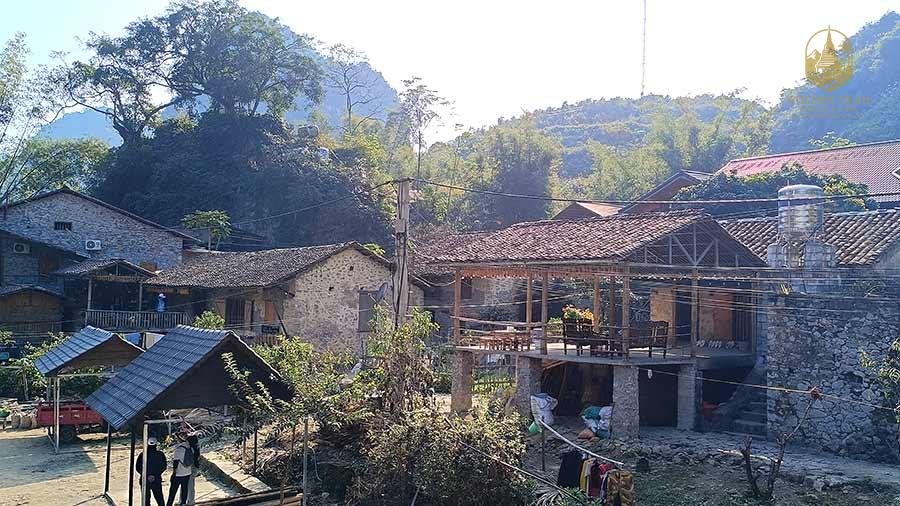
If you're dreaming of a place where time slows down, where tradition lives in every stone, and where hospitality is woven into daily life, then staying at a Khuoi Ky stone village homestay is exactly what you’re looking for. Located in Cao Bang province, just a few kilometers from the majestic Ban Gioc Waterfall, Khuoi Ky is a unique Tay ethnic village famous for its centuries-old stone houses—a rare architectural and cultural gem in Vietnam.
December 03, 2025
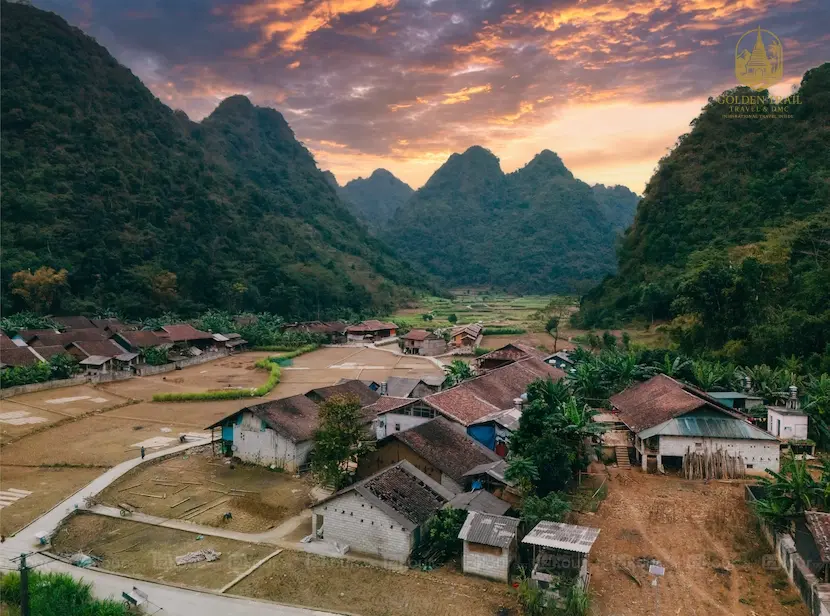
If you're looking for a cycling experience that combines peaceful countryside, authentic craft traditions, and warm cultural encounters, then Phia Thap incense village biking is the perfect choice. Located in Quang Uyen District, Cao Bang province, this small Tay ethnic village is famous for its centuries-old craft of making traditional incense—and offers the ideal setting for a tranquil and immersive ride.
December 03, 2025
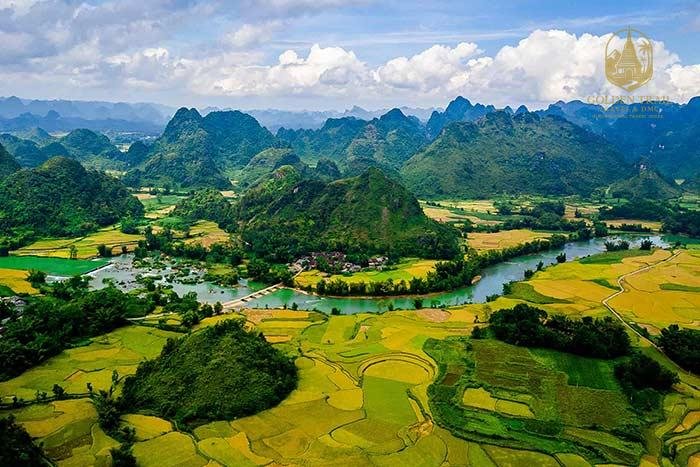
For true adventurers seeking the most remote, authentic, and visually stunning cycling journey in Southeast Asia, border belt cycling in Vietnam offers a rare and unforgettable experience. Winding along Vietnam’s rugged northern frontier, this epic route brings you face-to-face with dramatic mountains, borderland culture, misty valleys, and local communities that few travelers ever meet.
December 03, 2025
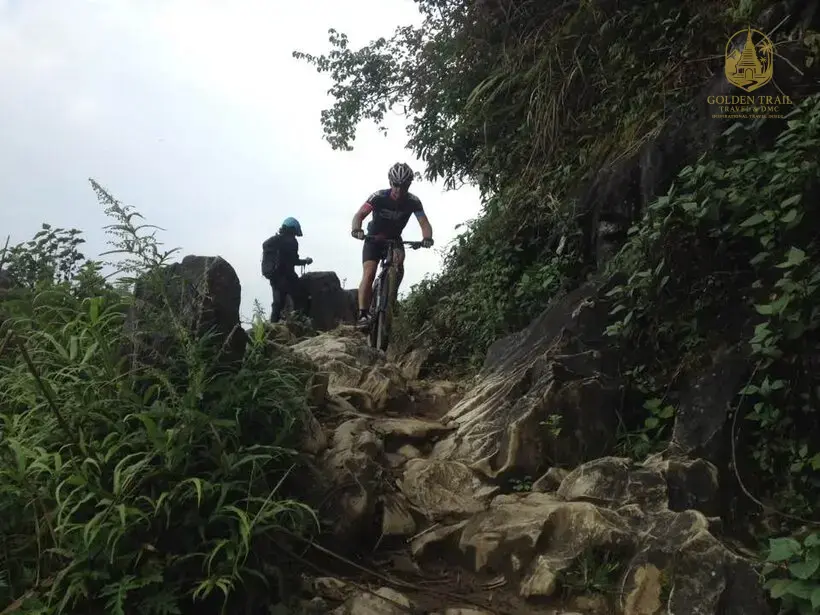
Looking for the ultimate off-the-grid adventure? Off-road cycling in Cao Bang is your gateway to Vietnam’s raw beauty—where limestone peaks pierce the sky, jungle trails wind through ancient valleys, and remote ethnic villages greet you with warm smiles. This is not just a ride. It’s an expedition into one of Vietnam’s least-explored and most stunning provinces.
December 03, 2025
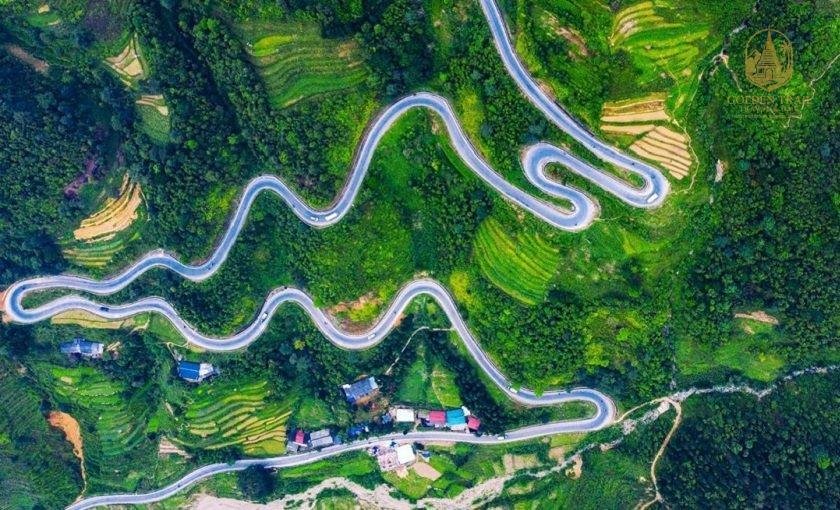
For cyclists seeking a ride that combines striking natural beauty, rich cultural heritage, and smooth mountain roads, Ma Phuc Pass cycling is a must. Located in Cao Bang province, Northern Vietnam, Ma Phuc Pass (Đèo Mã Phục) offers a scenic and rewarding ride through one of the most geologically fascinating regions in Southeast Asia.
December 03, 2025
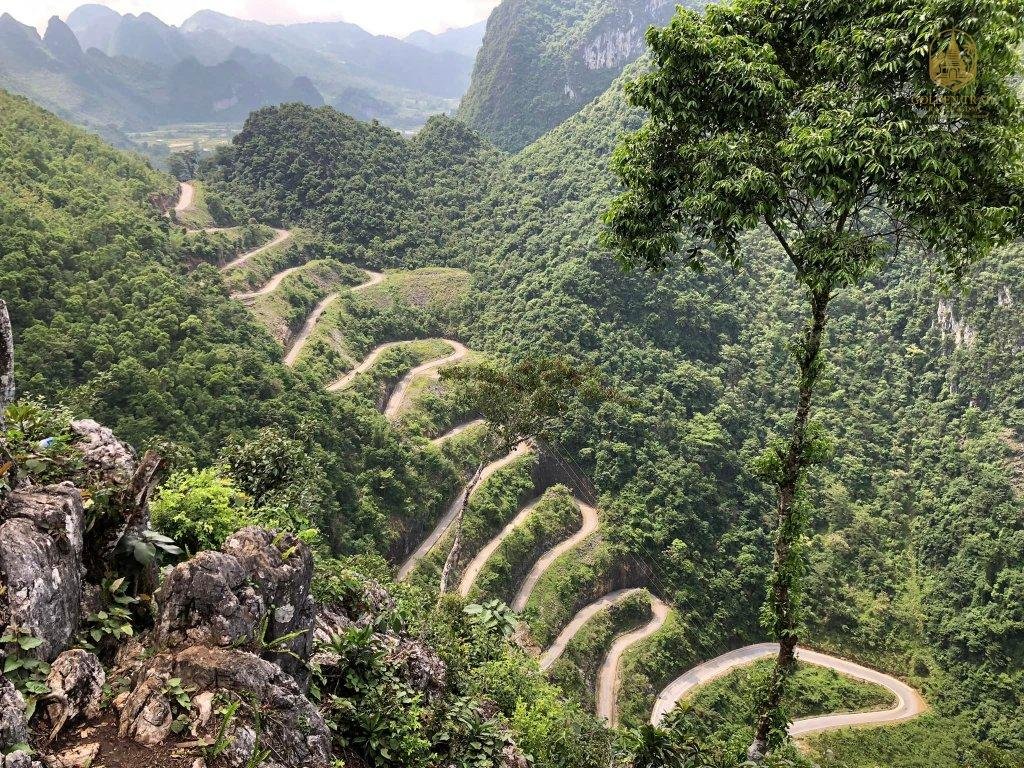
Tucked away in the remote mountains of Bac Me District, Ha Giang province, Khau Coc Cha Pass is one of Vietnam’s steepest and most spectacular mountain roads. For passionate cyclists in search of a thrilling climb, breathtaking landscapes, and untouched highland culture, the Khau Coc Cha pass cycling route is an unmatched adventure.
December 03, 2025
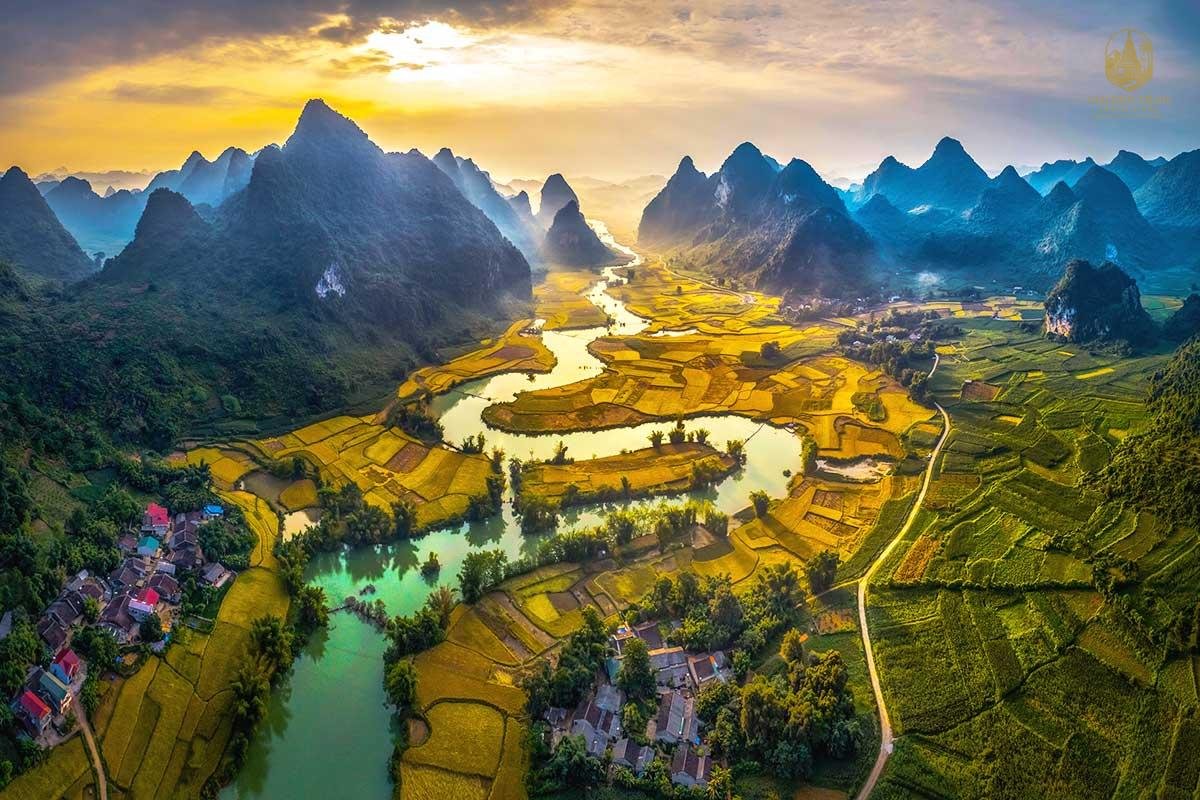
Located in Cao Bang province, in northern Vietnam near the Chinese border, Non Nuoc Cao Bang UNESCO Global Geopark offers some of the most breathtaking cycling terrain in Southeast Asia. With towering limestone karsts, emerald rivers, deep caves, and ethnic minority villages, this region is a dream for adventurous riders seeking an off-the-beaten-track experience.
December 03, 2025
.jpg "Northeast Vietnam Cycling: Discover Vietnam’s Most Underrated Biking Adventure")
If you're seeking a cycling adventure that offers towering mountains, quiet roads, authentic ethnic villages, and breathtaking natural landmarks, Northeast Vietnam cycling is your ultimate journey. Far from the bustling cities and over-touristed coastal routes, this region is a cyclist’s paradise—raw, remote, and absolutely unforgettable.
December 03, 2025
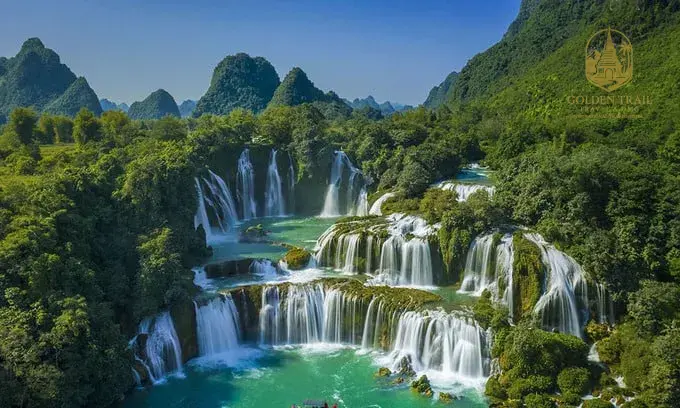
If there’s one destination in Vietnam that leaves every traveler speechless, it’s Ban Gioc Waterfall. Tucked away on the border between Vietnam and China, this majestic cascade is the centerpiece of a cycling tour like no other.
December 03, 2025

If you're dreaming of a cycling route that combines jaw-dropping scenery, thrilling mountain passes, and authentic cultural encounters, look no further than cycling from Ha Giang to Cao Bang. This legendary journey in Northern Vietnam isn’t just a ride—it’s a life-changing adventure through the most breathtaking highlands of Southeast Asia.
December 03, 2025
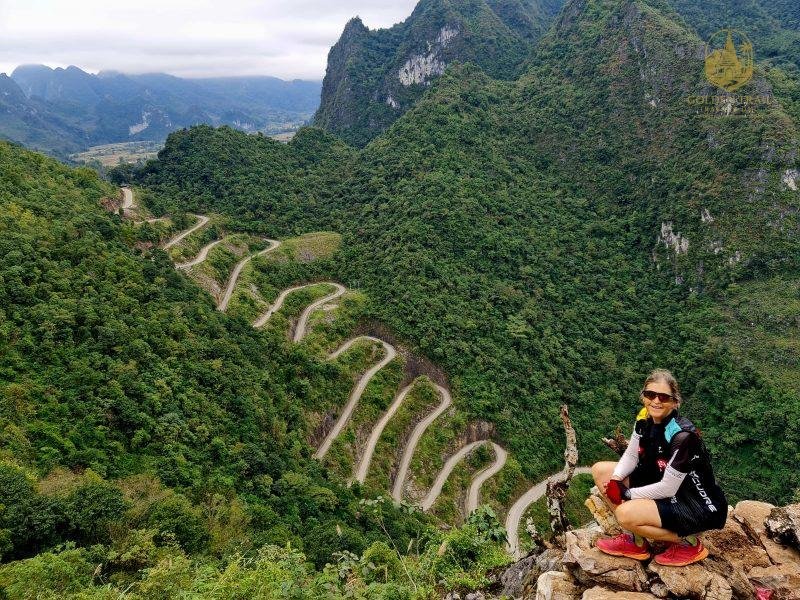
Nestled in Vietnam’s mountainous northeast, the Cao Bang cycling loop is a hidden gem waiting to be discovered by adventurous souls. This epic cycling route winds through dramatic karst landscapes, lush valleys, remote ethnic villages, and UNESCO-recognized wonders—offering a once-in-a-lifetime experience for any two-wheel traveler.
December 03, 2025
.webp "Ethnic Minority Villages in Hoàng Su Phi: Where Rice Terraces Meet Living Culture")
Join our Ha Giang trekking tour for an authentic adventure through the breathtaking Hoang Su Phi rice terraces and stay in remote ethnic villages where time seems to slow down.
December 03, 2025
.jpg "12-Day Northern Vietnam Cycling Tour: Mu Cang Chai, Ha Giang & Hoang Su Phi Bike Adventure")
it’s an epic 12-day bike adventure that takes you deep into the heart of the country's most spectacular and remote regions.
December 02, 2025

For travelers looking to combine trekking and biking in a single immersive adventure, Kho Muong village trekking biking offers the perfect opportunity. The terrain is dramatic yet rewarding, with paths that wind through forests, rice terraces, suspension bridges, streams, and ancient karst formations. Whether you want to explore on foot, ride mountain bikes, or combine both for a full adventure, Kho Muong offers routes suitable for all intermediate-level nature explorers
November 29, 2025
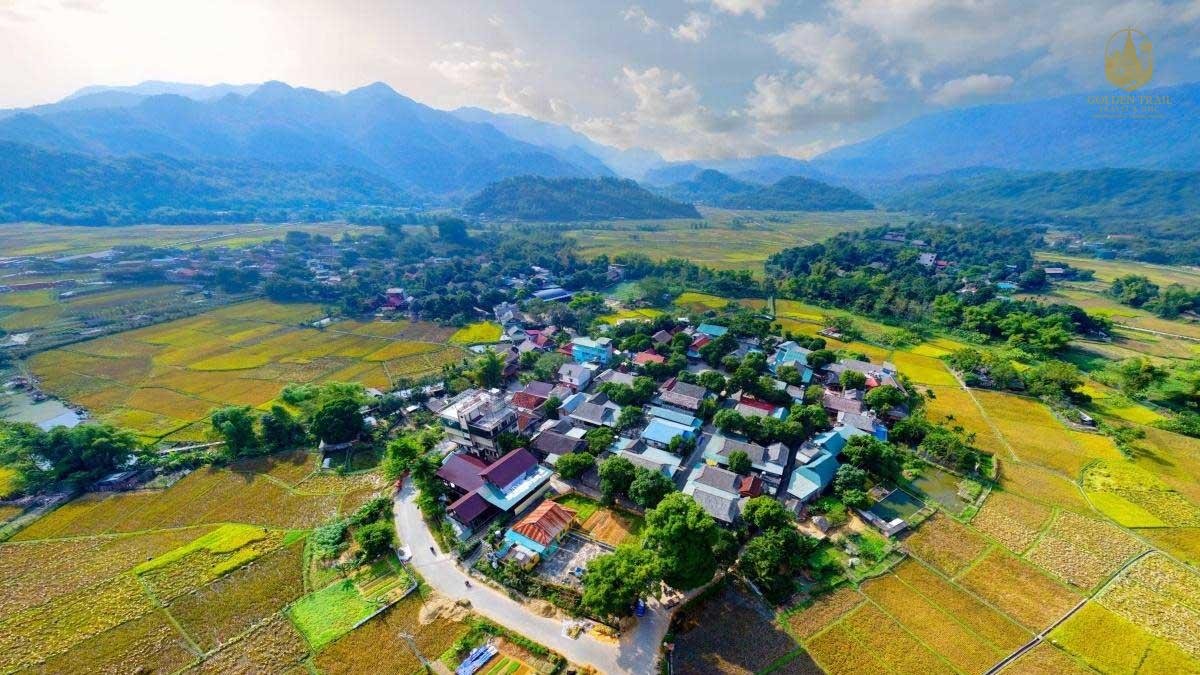
Cycling to Pom Coong Village is one of the most rewarding and immersive travel experiences you can enjoy in Mai Chau Valley, northern Vietnam. Whether you are a nature lover, cultural explorer, photography enthusiast, or someone simply seeking peace away from the city, Pom Coong Village offers a perfect blend of scenic beauty, ethnic heritage, and gentle countryside cycling. The village sits in the heart of Mai Chau Valley, surrounded by rice fields, bamboo forests, grazing buffalo, peaceful streams, and traditional Thai stilt houses.
November 29, 2025
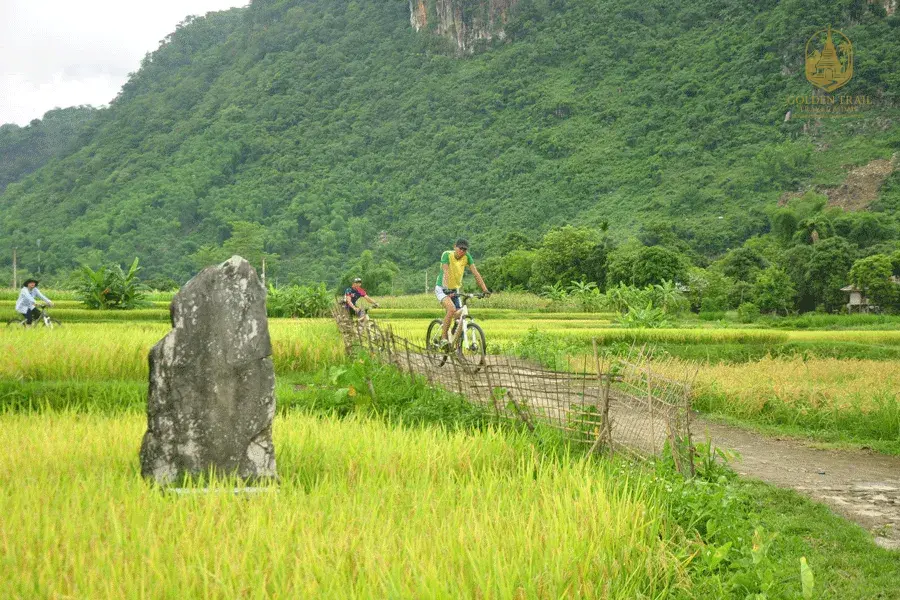
Cycling through Pu Luong Nature Reserve is one of the most breathtaking and rewarding outdoor adventures in northern Vietnam. With terraced rice fields, bamboo forests, tranquil ethnic Thai villages, water wheels, gentle streams, and dramatic limestone mountains, Pu Luong offers an unforgettable combination of natural beauty and cultural authenticity. Whether you’re a casual traveler, a cycling enthusiast, or an adventure seeker, choosing the best time to cycle Pu Luong can significantly enhance your experience.
November 29, 2025

Cycling through the golden rice terraces of Pu Luong is one of the most breathtaking and unforgettable experiences in northern Vietnam. As the terraced fields begin to glow in vibrant shades of gold during harvest season, the entire nature reserve transforms into a living masterpiece of color, culture, and mountain scenery. For travelers who love nature, culture, adventure, or photography, Golden rice terraces Pu Luong biking is the perfect way to explore this enchanting region.
November 29, 2025

This comprehensive guide reveals everything you need to know about experiencing harvest season cycling Mai Chau at its best: where to ride, when to go, what to expect, suggested itineraries, cultural insights, safety tips, local food, accommodation, and how to book a guided cycling tour with Golden Trail Travel, a reliable operator offering high-quality bicycles and deep local expertise.
November 29, 2025
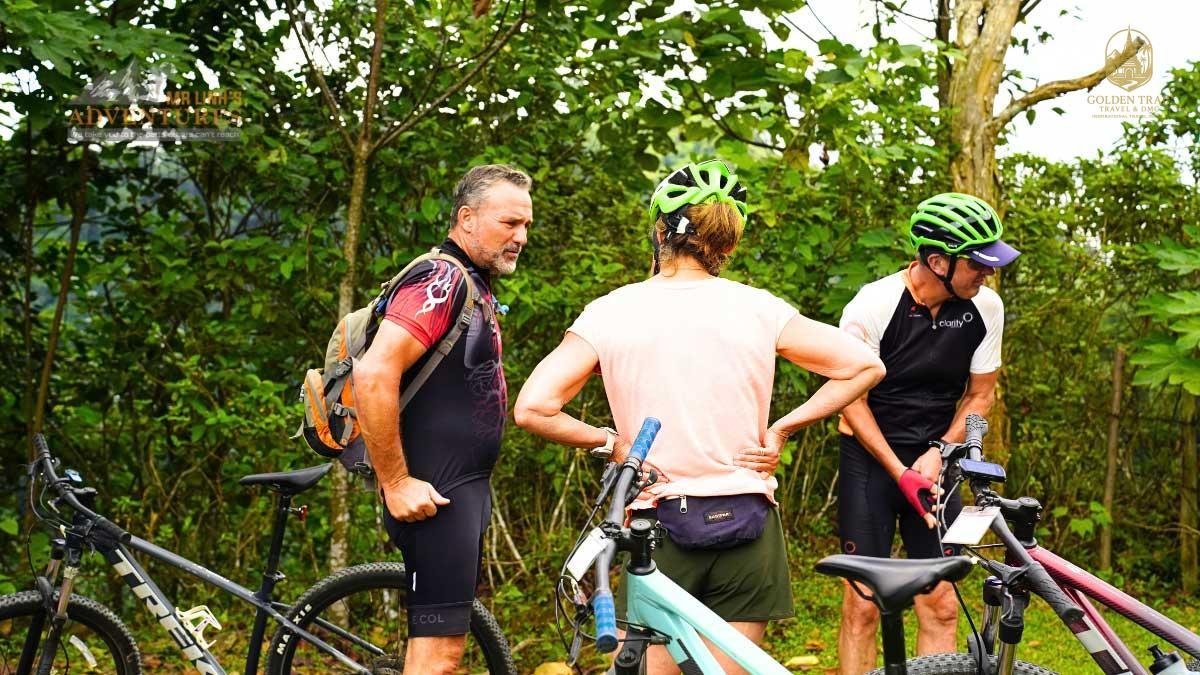
A 4 days North Vietnam cycling tour is one of the most rewarding, diverse, and immersive ways to explore the stunning landscapes and rich cultures of northern Vietnam. Over four days, you’ll journey through limestone mountains, terraced rice fields, hidden valleys, ethnic minority villages, peaceful rice paddies, forest trails, riversides, and remote countryside roads. North Vietnam is a paradise for cyclists—its roads are quiet, scenery dramatic, culture authentic, and the variety of terrain makes each day feel unique.
November 29, 2025